

US Supreme Court resolves pay fight in favor of federal workers who also are military reservists
Advertisement
Read this article for free:
or
Already have an account? Log in here »
To continue reading, please subscribe:
Monthly Digital Subscription
$1 per week for 24 weeks*
- Enjoy unlimited reading on winnipegfreepress.com
- Read the E-Edition, our digital replica newspaper
- Access News Break, our award-winning app
- Play interactive puzzles
*Billed as $4.00 plus GST every four weeks. After 24 weeks, price increases to the regular rate of $19.95 plus GST every four weeks. Offer available to new and qualified returning subscribers only. Cancel any time.
Monthly Digital Subscription
$4.99/week*
- Enjoy unlimited reading on winnipegfreepress.com
- Read the E-Edition, our digital replica newspaper
- Access News Break, our award-winning app
- Play interactive puzzles
*Billed as $19.95 plus GST every four weeks. Cancel any time.
To continue reading, please subscribe:
Add Free Press access to your Brandon Sun subscription for only an additional
$1 for the first 4 weeks*
*Your next subscription payment will increase by $1.00 and you will be charged $16.99 plus GST for four weeks. After four weeks, your payment will increase to $23.99 plus GST every four weeks.
Read unlimited articles for free today:
or
Already have an account? Log in here »
Hey there, time traveller!
This article was published 30/04/2025 (332 days ago), so information in it may no longer be current.
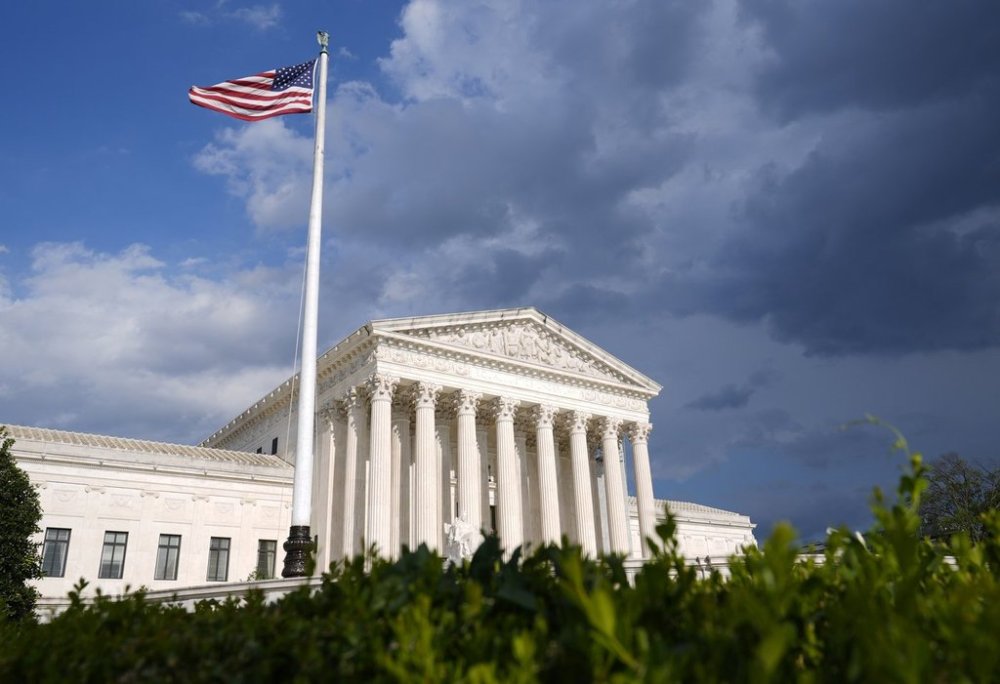
WASHINGTON (AP) — The U.S. Supreme Court said Wednesday that federal employees who also are in the military reserve must be paid the equivalent of their civilian salaries when called to active duty during national emergencies.
The 5-4 decision could affect hundreds of thousands of people, insuring that they don’t suffer financially when they temporarily leave one form of government service for another.
The justices ruled in an appeal filed by an air traffic controller who spent about five years on active duty in the Coast Guard at a pay rate lower than what he earns as a Federal Aviation Administration employee.
Congress first adopted a differential pay statute in 2009, but the Justice Department argued that it only applied to people whose service had a strong connection to a national emergency.
The majority disagreed, finding that any reservist who is called to active duty during a national emergency bolsters the country’s defenses and their salary should match what they would have made in their federal civilian jobs. Gorsuch was joined by Justices Sonia Sotomayor, Brett Kavanaugh and Amy Coney Barrett, as well as Chief Justice John Roberts.
In a dissent, Justice Clarence Thomas pointed out that the country has been under one national emergency or another for decades and the majority’s finding will create wider access to differential pay than Congress intended. Thomas wrote that he would have instead sent the case back to a lower court. He was joined by Justices Samuel Alito, Elena Kagan and Ketanji Brown Jackson.