AI-generated content wrongly accuses fiddler Ashley MacIsaac of being sex offender
Advertisement
Read this article for free:
or
Already have an account? Log in here »
To continue reading, please subscribe:

Digital Subscription
One year of digital access for only $205*
- Enjoy unlimited reading on winnipegfreepress.com
- Read the E-Edition, our digital replica newspaper
- Access News Break, our award-winning app
- Play interactive puzzles
*First annual payment billed as $205.00 + GST for one year. This annual subscription will automatically renew at $233.00 + GST every 52 weeks (10% off the regular annual price of $259.35). Offer available to new and qualified returning subscribers only. Cancel any time.
To continue reading, please subscribe:
Add Free Press access to your Brandon Sun subscription for only an additional
$1 for the first 4 weeks*
- Enjoy unlimited reading on winnipegfreepress.com
- Read the E-Edition, our digital replica newspaper
- Access News Break, our award-winning app
- Play interactive puzzles
*Your next Brandon Sun subscription payment will increase by $1.00 and you will be charged $17.95 plus GST for four weeks. After four weeks, your payment will increase to $24.95 plus GST every four weeks.
Read unlimited articles for free today:
or
Already have an account? Log in here »
Hey there, time traveller!
This article was published 23/12/2025 (267 days ago), so information in it may no longer be current.
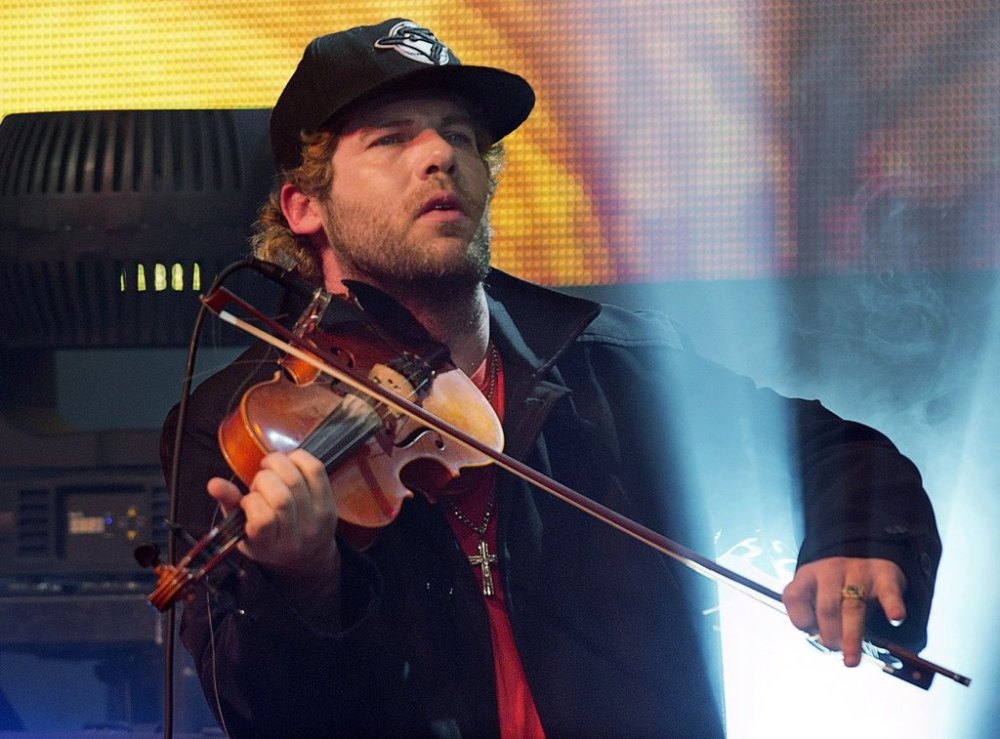
HALIFAX – Cape Breton fiddler Ashley MacIsaac says he may have been defamed by Google after it recently produced an AI-generated summary falsely identifying him as a sex offender.
The Juno Award-winning musician said Tuesday he learned of the online misinformation last week after a First Nation north of Halifax had confronted him with the summary and had cancelled one of his concerts planned for Dec. 19.
“You are being put into a less secure situation because of a media company — that’s what defamation is,” MacIsaac said in a telephone interview, adding he was worried about what might have happened had the erroneous content surfaced while he was trying to cross an international border.
“If a lawyer wants to take this on (for free) … I would stand up because I’m not the first and I’m sure I won’t be the last.”
MacIsaac said the summary falsely asserted he had been convicted of a series of offences including sexual assault, internet luring, assaulting a woman and attempting to assault a minor. As well, he said the Google entry accused him of being listed on the national sex offender registry, which is also untrue.
“I could have been at a border and put in jail,” he said. “So something has to be figured out as far as what the AI companies are responsible for … and what they can prevent.”
The 50-year-old virtuoso fiddler said he later learned the inaccurate claims were taken from online articles regarding a man in Atlantic Canada with the same last name.
Google Canada spokesperson Wendy Manton issued a statement saying Google’s “AI overviews” are frequently changing to show what she described as the most “helpful” information.
“When issues arise — like if our features misinterpret web content or miss some context — we use those examples to improve our systems, and may take action under our policies.”
Meanwhile, the Sipekne’katik First Nation issued a public apology to MacIsaac, saying in an online post that the cancellation was based on incorrect information.
“We deeply regret the harm this caused to your reputation and livelihood,” the message says. “Chief and council value your artistry, contribution to the cultural life of the Maritimes, and your commitment to reconciliation.”
As for the cancelled concert, MacIsaac says he’s looking forward to rescheduling the event. But he said he wanted things to settle down before setting a date.
“I don’t feel comfortable about going there right now because I don’t think the proper information can be disseminated within a week. It’s seen so many shares,” he said. “I didn’t want to bring any attention negatively to the community.”
As for a possible lawsuit, MacIsaac said he had already talked to a lawyer, and he speculated about how the misinformation may have prompted the cancellation of a concert scheduled for earlier this year in Mexico.
Still, he said he doesn’t have the money to pay for a lawsuit that could take years to settle.
MacIsaac burst onto the music seen in the 1990s as a wildly talented teenager who blended traditional Celtic music with a high-energy, rocking style that eventually found its way into the hip-hop scene.
To be sure, he is no stranger to controversy.

During a 1999 concert in Halifax, he launched into a profanity-laced rant that ended the show and resulted in widespread cancellations of his gigs. And in early 1997, he attracted attention for discussing his sexual proclivities with a reporter and flashing his private parts during an appearance on a late-night U.S. talk show.
But he hasn’t had any real run-ins with the law, aside from receiving an absolute discharge and no fine in 2001 for possessing marijuana in Saskatchewan. When Judge Linton Smith granted the discharge, he told MacIsaac’s lawyer, “The only condition I’d like to attach is if you could get my wife an autograph.”
When cannabis was legalized in Canada in October 2018, MacIsaac was the first in line at a Nova Scotia Liquor Corp. branch in Cape Breton, which was about to become the only legal place to buy recreational cannabis on the island.
“I don’t need to be a criminal anymore, and that’s a great feeling,” he said at the time. “And my new dealer is the prime minister!”
This report by The Canadian Press was first published Dec. 23, 2025.
Related Articles
Premier uses software to make homemade Ojibwa translator; cautiously optimistic about technology’s benefits





Advertisement Advertise With Us
Advertisement Advertise With Us