Catholicism shrinks in Latin America while more are religiously unaffiliated, Pew surveys find
Advertisement
Read this article for free:
or
Already have an account? Log in here »
To continue reading, please subscribe:

Digital Subscription
One year of digital access for only $205*
- Enjoy unlimited reading on winnipegfreepress.com
- Read the E-Edition, our digital replica newspaper
- Access News Break, our award-winning app
- Play interactive puzzles
*First annual payment billed as $205.00 + GST for one year. This annual subscription will automatically renew at $233.00 + GST every 52 weeks (10% off the regular annual price of $259.35). Offer available to new and qualified returning subscribers only. Cancel any time.
To continue reading, please subscribe:
Add Free Press access to your Brandon Sun subscription for only an additional
$1 for the first 4 weeks*
- Enjoy unlimited reading on winnipegfreepress.com
- Read the E-Edition, our digital replica newspaper
- Access News Break, our award-winning app
- Play interactive puzzles
*Your next Brandon Sun subscription payment will increase by $1.00 and you will be charged $17.95 plus GST for four weeks. After four weeks, your payment will increase to $24.95 plus GST every four weeks.
Read unlimited articles for free today:
or
Already have an account? Log in here »
Hey there, time traveller!
This article was published 21/01/2026 (260 days ago), so information in it may no longer be current.
Catholicism in Latin American countries has shrunk over the last decade, while a growing percentage of adults identify as religiously unaffiliated, describing themselves as atheist, agnostic or “nothing in particular.”
Those are among the key findings in a report released Wednesday by the Pew Research Center based on surveys conducted in early 2024 of adults in six of the region’s most populous countries: Argentina, Brazil, Chile, Colombia, Mexico and Peru.
“Our analysis found that the Catholic share of the population in Argentina, Brazil, Chile, Colombia, Mexico and Peru — which collectively make up about 75% of Latin America’s population — has significantly declined since 2013-14, while a growing share of adults in the region are religiously unaffiliated,” said Kirsten Lesage, a Pew research associate and the lead author of the report.
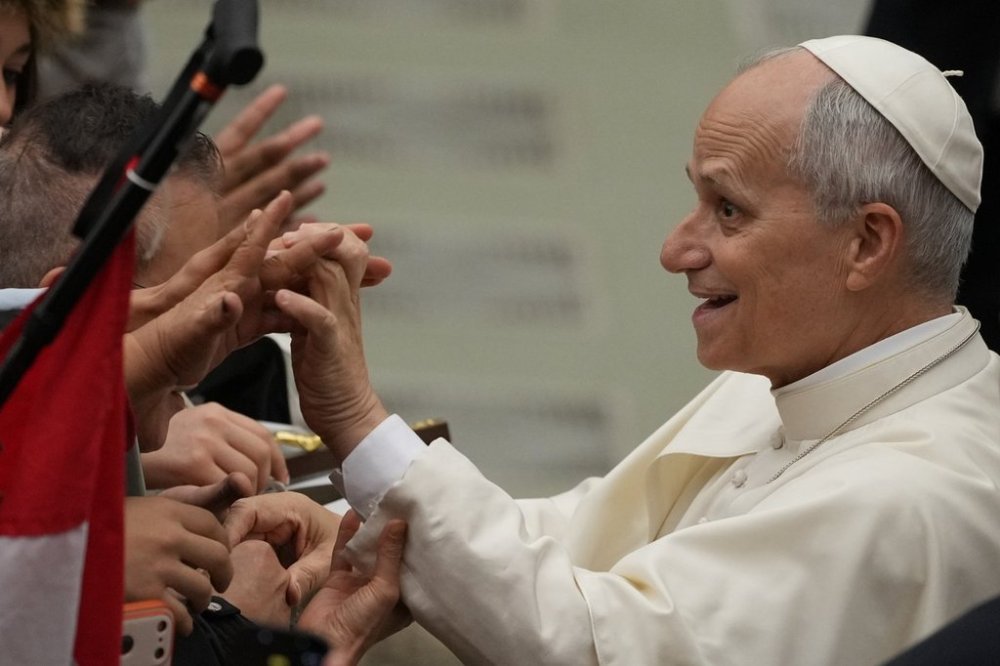
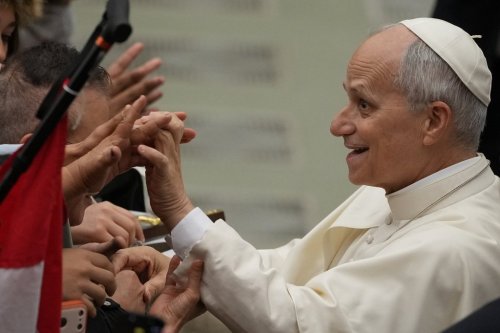
Most Latin Americans are Christian, and Catholicism remains the dominant religion. But the exodus from the church continues in a region that was once a stronghold for the Catholic faith and has close ties to Pope Leo XIV, who served for decades in Peru before being elected in 2025, and his Argentina-born predecessor, Pope Francis.
The survey found that Catholics make up 46% to 67% of the adult population in these six countries, and the percent who are religiously unaffiliated ranges from 12% to 33%.
But the share of Catholics has declined in each country over the past decade by at least 9 percentage points. Meanwhile the percent of adults who are unaffiliated rose by 7 percentage points or more, the survey found.
“In fact, there are now more religiously unaffiliated adults than Protestants in Argentina, Chile, Colombia and Mexico,” Lesage said.
A decade ago, Argentina, Brazil, Chile, Colombia, Mexico and Peru all had Catholic majorities: about 6 in 10 or more adults in each country identified as Catholic, the report says.
Today, about half of Brazilians and Chileans identify as Catholic. About two-thirds of Mexicans and Peruvians are Catholic, as are about 6 in 10 adults in Argentina and Colombia, but all of those majorities are smaller than 10 years ago.
The rise of the nones
The Catholic church’s strong influence has eroded in Latin America following clergy sex abuse scandals and opposition to the church’s stances against abortion and LGBTQ+ rights.
Many, in countries like Argentina, now seek spiritual answers beyond the church — in yoga, tarot, astrology and beliefs outside religion.
In a decade, the share of adults who are religiously unaffiliated increased significantly across the region, rising as high as about one-quarter of adults in Argentina and Colombia.
A decade ago, the Pew survey focused on how Latin Americans born into Catholic families had increasingly left the faith for Protestant churches, while many others had dropped organized religion altogether in a major shift in the region’s religious identity.
But since then, Protestantism has remained “relatively stable” across Latin America, according to Pew’s analysis. In Brazil — which has the largest percentage of Protestants of the six countries surveyed — 29% of adults now identify as Protestant, compared with 26% in 2013-14.
The major shift is among those with no affiliation.
The analysis found there are now more religiously unaffiliated adults than Protestants in Argentina, Chile, Colombia and Mexico.
When asked about their current religion, about 2 in 10 Mexican adults identify as atheist, agnostic or “nothing in particular.” By contrast, roughly 1 in 10 Mexicans identify with any branch of Protestantism.
Latin Americans are still religious and most still believe in God
“What’s striking is that, despite these shifts in religious identity, Latin Americans remain quite religious, on average,” Lesage said.
Belief in God is widespread; religion matters deeply to many people; and prayer is fairly common:
— About 9 in 10 or more adults surveyed in each country say they believe in God.
— About half or more of adults surveyed in Brazil, Colombia, Mexico and Peru say religion is “very important” in their lives.
— And majorities of adults in Brazil, Colombia and Peru say they pray at least once a day.

“By these measures, Latin Americans are more religious than adults in many other countries the Center has surveyed in recent years, especially in Europe, where many adults have left Christianity since childhood,” the Pew analysis said.
Latin Americans are also about as likely to believe in God as they were a decade ago. Even among those with no religious affiliation, most of them across the region say they believe in God.
The poll surveyed 6,234 Latin American adults from Jan. 22-April 27, 2024. The margin of error varies by country, ranging from plus or minus 4.0 percentage points to 4.5 percentage points.
___
Associated Press religion coverage receives support through the AP’s collaboration with The Conversation US, with funding from Lilly Endowment Inc. The AP is solely responsible for this content.
The Free Press acknowledges the financial support it receives from members of the city’s faith community, which makes our coverage of religion possible.