Depth of field
Aspiring photographer in Knausgaard’s new novel The School of Night an unlikable narcissist
Advertisement
Read this article for free:
or
Already have an account? Log in here »
To continue reading, please subscribe:

Digital Subscription
One year of digital access for only $205*
- Enjoy unlimited reading on winnipegfreepress.com
- Read the E-Edition, our digital replica newspaper
- Access News Break, our award-winning app
- Play interactive puzzles
*First annual payment billed as $205.00 + GST for one year. This annual subscription will automatically renew at $233.00 + GST every 52 weeks (10% off the regular annual price of $259.35). Offer available to new and qualified returning subscribers only. Cancel any time.
To continue reading, please subscribe:
Add Free Press access to your Brandon Sun subscription for only an additional
$1 for the first 4 weeks*
- Enjoy unlimited reading on winnipegfreepress.com
- Read the E-Edition, our digital replica newspaper
- Access News Break, our award-winning app
- Play interactive puzzles
*Your next Brandon Sun subscription payment will increase by $1.00 and you will be charged $17.95 plus GST for four weeks. After four weeks, your payment will increase to $24.95 plus GST every four weeks.
Read unlimited articles for free today:
or
Already have an account? Log in here »
Hey there, time traveller!
This article was published 31/01/2026 (214 days ago), so information in it may no longer be current.
Norwegian writer Karl Ove Knausgaard is best known for the six-volume series, My Struggle, which Toronto critic Ian Brown said was not really fiction, but a chronicle of Knausgaard’s own life, showing a passion for the beauty of the ordinary.
Translated by Martin Aitken, The School of Night is Knausgaard’s latest, the fourth novel in his Morning Star series. The Canadian publisher says the four are loosely linked but need not be read in order, and this new one can be enjoyed as a standalone.
It is narrated in the first person by Kristian Hadeland, who decides early in life that he wants to be a distinctly different kind of photographer. Part 1 of The School of Night fills almost half the book and deals with Kristian at age 20, in 1985. To pursue his dream of a photography career, he has moved from Norway to London, England, where he is renting a small bedsit. Early on he meets Hans, a 30-year-old Dutch artist and stage designer who encourages Kristian in his ambition.
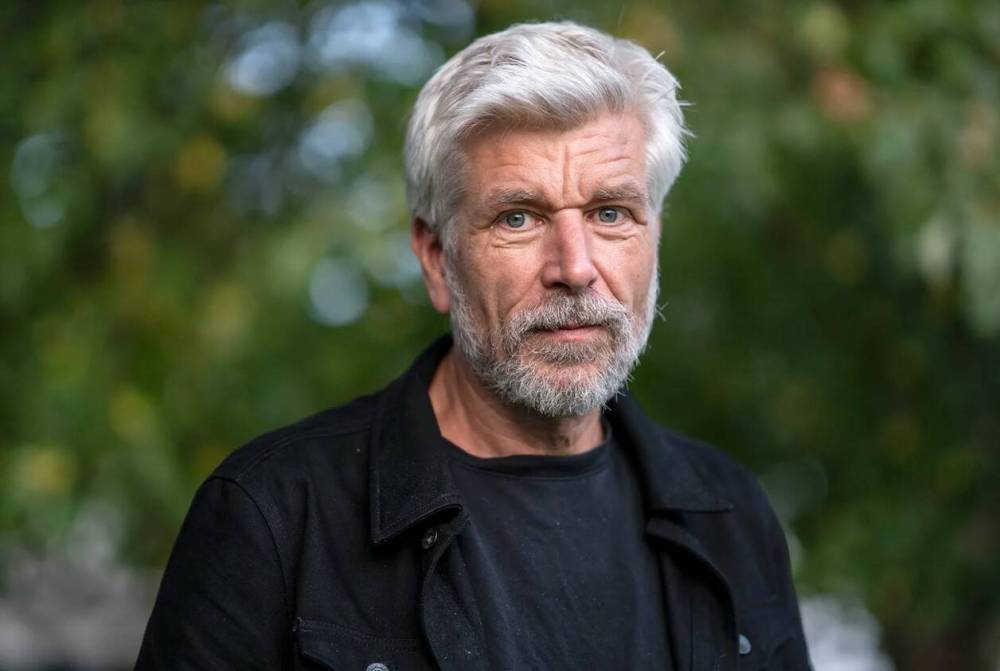
David Levenson / Getty Images
One of the strengths in Karl Ove Knausgaard’s work is his ability to slow down the narrative pace at critical times.
Kristian goes home to his parents in Norway for Christmas but discovers he doesn’t enjoy being with his sisters, Liv and Helene, and soon tires of his parents. In Kristian’s narrative, he refers to young women as girls — just one of his traits that cause the reader to begin to dislike him. There’s also his growing dislike for Liv; it intensifies when she overdoses and Kristian’s dad sees his son’s unsympathetic reaction.
“Narcissism,” his dad tells his mother, in front of Kristian. “He shows all the signs. Excessive need for attention and admiration. Grandiose sense of self. Arrogance, and a sense of entitlement… Lack of empathy. It all adds up.”
Little wonder that Kristian immediately thinks, “I’d show them. I’d take off now and never come back. Never see them again. Never, no matter how much they pleaded and begged.”
Kristian leaves for London, returns to his photography classes and takes more and more diversified photos. (One of his more unusual creations involves a dead cat.)
Meanwhile, he becomes sexually involved with a woman named Vivian, who runs a London theatre company. While he is not really enamoured with Vivian, he agrees to take photos of her latest play.
Around this time, Kristian has a sudden skirmish on the street with a homeless fellow. He gives the guy a couple of cigarettes then lends him his lighter, which the guy keeps.
“Before even thinking about it,” Kristian narrates, “I got my hand under his chin and banged his head back as hard as I could. He didn’t cry out, didn’t as much as whimper, he just went completely still.”
Kristian leaves the scene, the homeless fellow lifeless against a wall.
That event becomes a major factor in Kristian’s life and in the rest of the novel. He didn’t kill the man, did he? Kristian tries to believe that he needn’t worry, because no one knows he’d even been there.
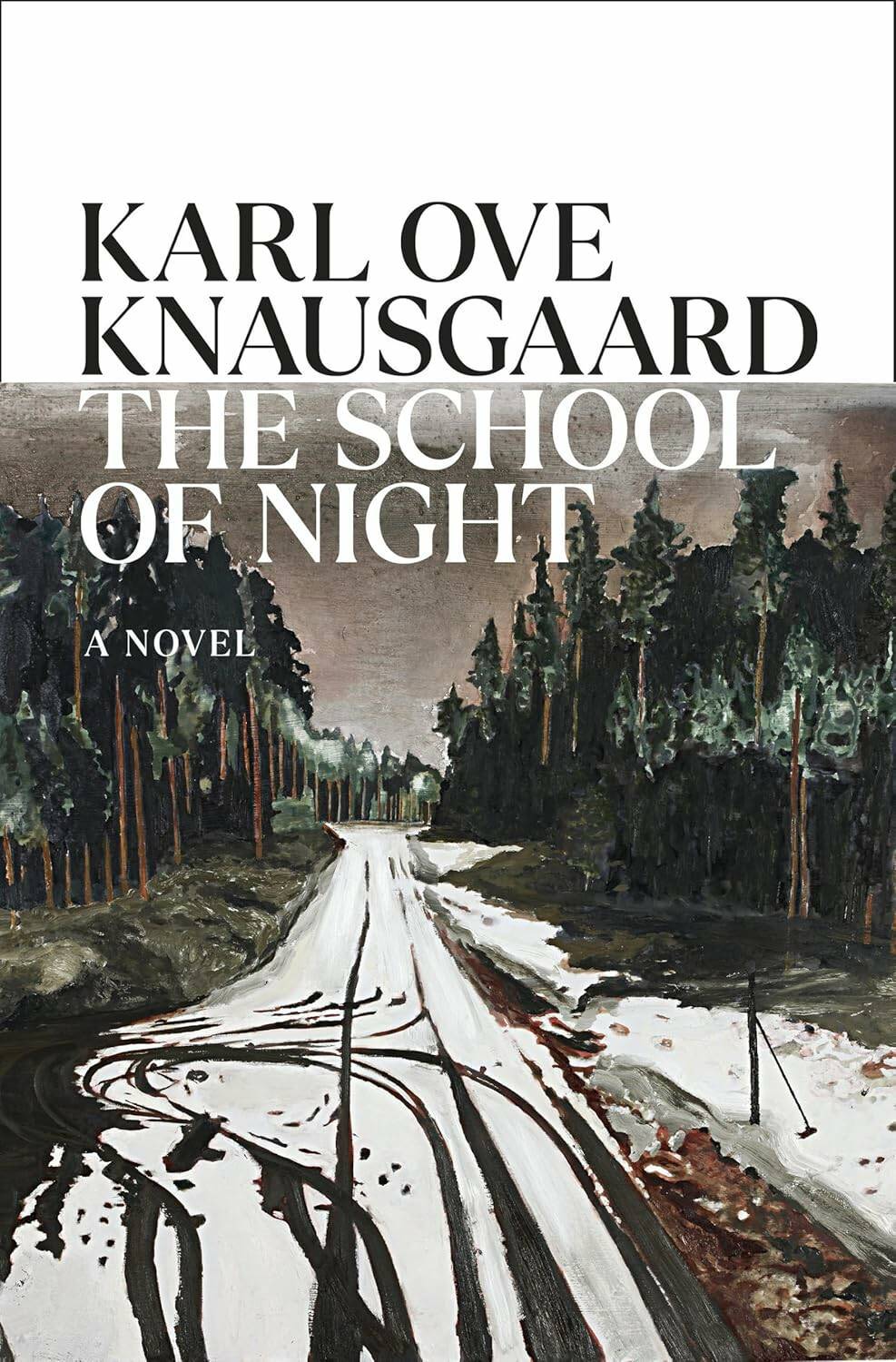
The School of Night
A strength of Knausgaard’s work is his ability to slow the narrative pace at critical times, enticing the reader to consider the minutiae of the world while looking at ideas and concepts.
While Kristian contemplates creative ways to become an artistic photographer, the incident with the homeless man lingers in his mind — and suddenly the police become involved. Onto the scene comes Kristian’s friend Hans — can he somehow make Kristian’s life better?
Kristian’s first collection of photos is published in a book called The Last Day and for it he changes his name to Kristian Pedersen.
The novel flashes forward to show how successful Kristian becomes, his new life with a woman named Yalena and their six-year-old son Leo. It is now 24 years since the timeline in which the novel began, and Kristian appears at a major exhibit of his work in New York, a city he hates. Though he believes he’s been cleared of any guilt in the homeless-man incident, the event continues to haunt him and bother those of his fans who have learned about it.
While novel’s tragic ending may be difficult for some readers to take, it perfectly finishes off Knausgaard’s portrait of an unlikable man.
Dave Williamson is the Winnipeg author of six novels and a collection of short stories.