

Manitoba legislation aims to improve screening for breast cancer

Advertisement
Read this article for free:
or
Already have an account? Log in here »
To continue reading, please subscribe:

Digital Subscription
One year of digital access for only $205*
- Enjoy unlimited reading on winnipegfreepress.com
- Read the E-Edition, our digital replica newspaper
- Access News Break, our award-winning app
- Play interactive puzzles
*First annual payment billed as $205.00 + GST for one year. This annual subscription will automatically renew at $233.00 + GST every 52 weeks (10% off the regular annual price of $259.35). Offer available to new and qualified returning subscribers only. Cancel any time.
To continue reading, please subscribe:
Add Free Press access to your Brandon Sun subscription for only an additional
$1 for the first 4 weeks*
- Enjoy unlimited reading on winnipegfreepress.com
- Read the E-Edition, our digital replica newspaper
- Access News Break, our award-winning app
- Play interactive puzzles
*Your next Brandon Sun subscription payment will increase by $1.00 and you will be charged $17.95 plus GST for four weeks. After four weeks, your payment will increase to $24.95 plus GST every four weeks.
Read unlimited articles for free today:
or
Already have an account? Log in here »
Hey there, time traveller!
This article was published 10/03/2026 (213 days ago), so information in it may no longer be current.
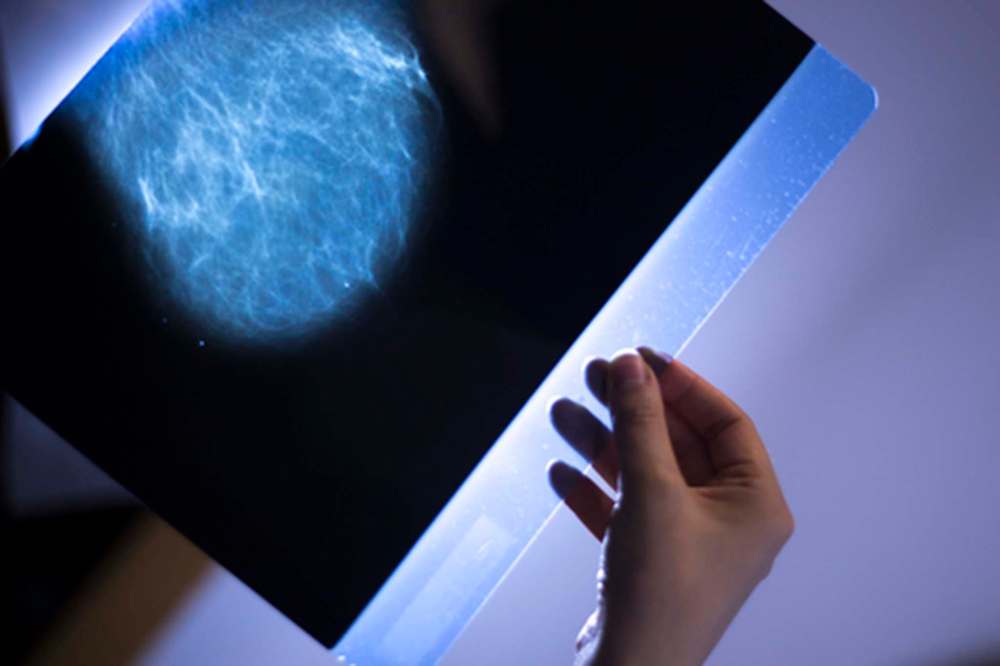
Manitoba has introduced legislation that targets breast cancer screening for higher-risk women, on the heels of lowering the screening age.
Bill 32 would mandate CancerCare Manitoba to make a plan that increases access to screenings, including for Black and Indigenous women and other people of colour.
“This legislation makes sure that the most vulnerable women in our communities — those who we know are currently not being screened, who do not have access — will be able to do so,” Health Minister Uzoma Asagwara said Tuesday.
If the Improving Access to Breast Cancer Screening Act passes, CancerCare Manitoba will have six months to develop a plan. Updates must be delivered every five years, the bill reads.
Plans would include identifying barriers to access and annual target rates for screening participation. The cancer authority would need to report annually on screening participation rates.
The province has been working with CancerCare Manitoba and “partners” in the health care system on the proposed legislation, Asagwara said.
Still, Manitoba lacks 13 mammographers needed to meet demand. It’s working with CancerCare Manitoba to create “a really easy pathway” for people to become trained and certified, Asagwara said.
Last December, the provincial government said it had hired seven new mammographers. On Jan. 2, the breast cancer screening age dropped to 45 from 50. Asagwara has said the New Democrats would lower the age to 40 by the end of this year.
The Manitoba Association of Health Care Professionals, which represents mammography technologists, applauded the province’s move to make CancerCare Manitoba develop plans to improve access.
However, the legislation “doesn’t go far enough,” president Jason Linklater said in a statement.
He pointed to the lack of mammography technologists. They come from the “same pool of scarce allied health professionals” needed to perform X-rays and CT scans.

“CancerCare should already have a plan to ensure Manitoba has the specialized workforce needed to meet the demands of this new legislation,” Linklater’s statement reads.
“That plan must be made public now, not just provided to the minister upon request in future.”
Reporting on accessibility should happen sooner than 2028, as is proposed in the legislation, Linklater said.
— With files from Carol Sanders
gabrielle.piche@winnipegfreepress.com
Gabrielle Piché reports on business for the Free Press. She interned at the Free Press and worked for its sister outlet, Canstar Community News, before entering the business beat in 2021. Read more about Gabrielle.
Every piece of reporting Gabrielle produces is reviewed by an editing team before it is posted online or published in print — part of the Free Press‘s tradition, since 1872, of producing reliable independent journalism. Read more about Free Press’s history and mandate, and learn how our newsroom operates.
Our newsroom depends on a growing audience of readers to power our journalism. If you are not a paid reader, please consider becoming a subscriber.
Our newsroom depends on its audience of readers to power our journalism. Thank you for your support.
Gabrielle Piché reports on business for the Free Press. She interned at the Free Press and worked for its sister outlet, Canstar Community News, before entering the business beat in 2021. Read more about Gabrielle.
Every piece of reporting Gabrielle produces is reviewed by an editing team before it is posted online or published in print — part of the Free Press‘s tradition, since 1872, of producing reliable independent journalism. Read more about Free Press’s history and mandate, and learn how our newsroom operates.
Our newsroom depends on a growing audience of readers to power our journalism. If you are not a paid reader, please consider becoming a subscriber.
Our newsroom depends on its audience of readers to power our journalism. Thank you for your support.
Related Articles
Hope for clarity, relief in dense-breast screening
Advertisement Advertise With Us
Advertisement Advertise With Us