

Squirrel skirmish: animal groups fight province’s pesticide approval

Advertisement
Read this article for free:
or
Already have an account? Log in here »
To continue reading, please subscribe:

Digital Subscription
One year of digital access for only $205*
- Enjoy unlimited reading on winnipegfreepress.com
- Read the E-Edition, our digital replica newspaper
- Access News Break, our award-winning app
- Play interactive puzzles
*First annual payment billed as $205.00 + GST for one year. This annual subscription will automatically renew at $233.00 + GST every 52 weeks (10% off the regular annual price of $259.35). Offer available to new and qualified returning subscribers only. Cancel any time.
To continue reading, please subscribe:
Add Free Press access to your Brandon Sun subscription for only an additional
$1 for the first 4 weeks*
- Enjoy unlimited reading on winnipegfreepress.com
- Read the E-Edition, our digital replica newspaper
- Access News Break, our award-winning app
- Play interactive puzzles
*Your next Brandon Sun subscription payment will increase by $1.00 and you will be charged $17.95 plus GST for four weeks. After four weeks, your payment will increase to $24.95 plus GST every four weeks.
Read unlimited articles for free today:
or
Already have an account? Log in here »
Animal rights groups are protesting a decision by the province to allow the city to use two chemicals to control its ground squirrel populations at some parks.
The city received permission from the province to use Rozol RTU field rodent bait and RoCon concentrate rodenticide for a year in an effort to control squirrels at nine parks.
“It’s disappointing,” said Danae Tonge of Manitoba Animal Save. “The city had a year to come up with something else but they didn’t. Why would the province have approved this?”
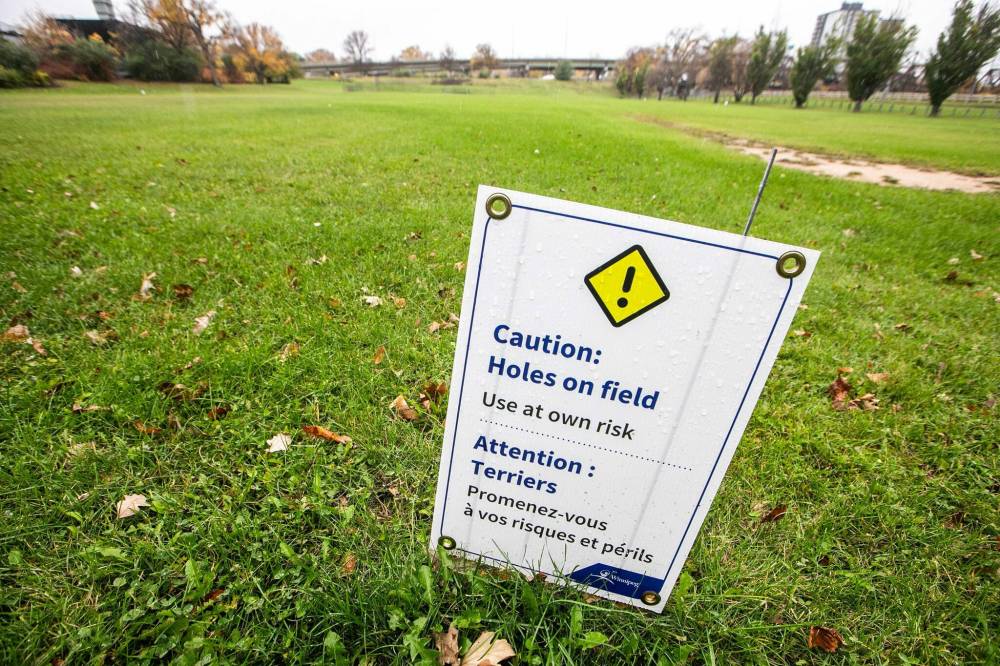
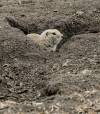
MIKAELA MACKENZIE / FREE PRESS FILES
Rozol RTU field rodent bait and RoCon concentrate rodenticide will be used for a year in an effort to control squirrels.
The group is set to hold a noon-hour rally outside city hall on Thursday followed by a protest at the Legislature starting at 1:15 p.m.
Tonge said Rozol is an anticoagulant, which will cause the animals to slowly die over a period of days from internal bleeding. She said RoCon is a foam, which will either cause them to suffocate or drown in the chemical itself.
“It’s hard to imagine anything crueler,” she said. “It is environmentally irresponsible and totally inhumane.”
Tonge said the city should have explored using drugs that prevent squirrels from reproducing or relocating the animals with live traps. She also worries the chemicals pose risks to dogs if ingested and animals that feed on squirrels, such as coyotes and hawks.
The Winnipeg Humane Society also opposes the decision by the province’s environmental approvals branch and is set to appeal it to the environment and climate change minister.
Krista Boryskavich, the society’s animal advocacy lawyer, called the decision extremely disappointing and said the appeal would include asking the minister to suspend the permit approval until a decision is made.
“If that happens, the city won’t be able to use these harmful chemicals while the appeal is being heard,” she said.
A condition of the province’s permit approval, Boryskavich said, was the creation of an environmental advisory committee to advise on ground squirrel management.
“The WHS will be seeking a seat on the committee to ensure that humane and ethical animal welfare considerations are part of the planning process,” she said.
Two years ago, the city put its squirrel management program on hold after concerns the carbon monoxide machines being used were unsafe for its employees.
The city was set to begin using the pesticide Giant Destroyer last year before the province declined to give its approval. A provincial spokesperson said that method, which involves sulfur gas bombs, “is widely considered the least humane method as compared to this year’s application.”
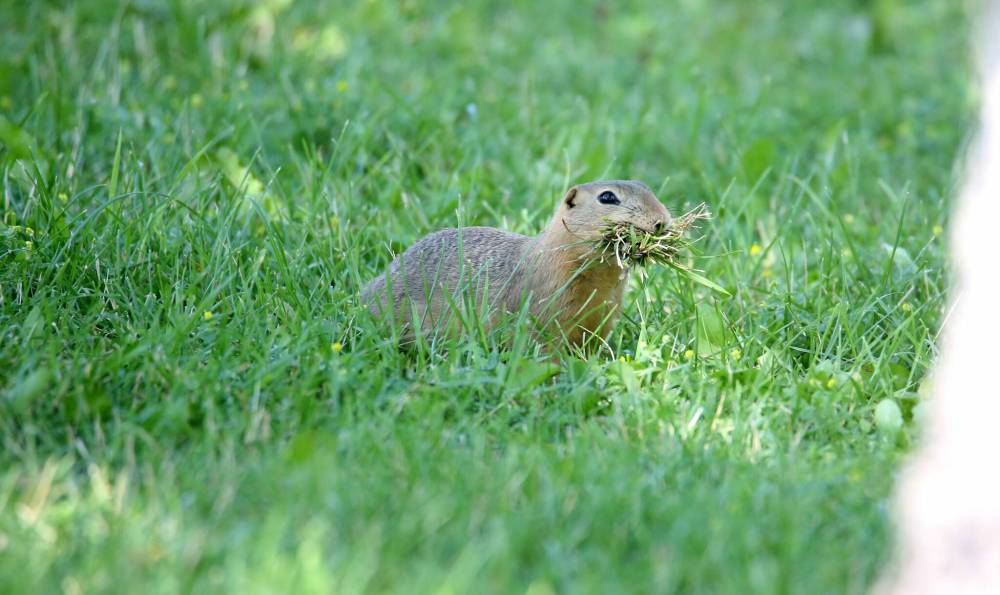
MATT GOERZEN / THE BRANDON SUN FILES
Danae Tonge of Manitoba Animal Save says the city should have explored using drugs that prevent squirrels from reproducing or relocating the animals with live traps.
Civic spokesman Adam Campbell said the city will begin using the two approved rodenticides in early spring.
“Their use will be limited to nine parks with athletic fields — some of which we were forced to close due to the presence of ground squirrels over the last few years,” Campbell said.
The parks are: Beryl Watts Park/Vince Leah Community Centre, Charleswood Place, Fairgrove Bay Park, Shaughnessy Park, St. James Memorial Sports Park, Theodore Niitzhotay Fontaine Park (formerly known as Wellington Park), Weston Memorial Community Centre, Woodsworth Park and the Clifton site of the Valour Community Centre.

Campbell said it’s the first time the city has been allowed to use the two products for this purpose, but noted Rozol is in other pesticides used by private contractors to control rodents in Winnipeg.
A provincial spokesperson said the province has imposed several conditions on its approval, including only issuing a one-year permit instead of three years so the program can be reassessed sooner.
Other conditions include twice-daily inspections, clear signage with advice to pet owners before, during and after the treatment, and detailed annual reporting, including carcass findings.
“This additional layer of provincial control ensures that pesticide use by the City of Winnipeg is not only safe, but also transparent and accountable to the public,” the spokesperson said.
kevin.rollason@freepress.mb.ca
Kevin Rollason
Reporter
Kevin Rollason was a general assignment reporter at the Free Press.
Our newsroom depends on a growing audience of readers to power our journalism. If you are not a paid reader, please consider becoming a subscriber.
Our newsroom depends on its audience of readers to power our journalism. Thank you for your support.
Kevin Rollason
Reporter
Kevin Rollason was a general assignment reporter at the Free Press.
Our newsroom depends on a growing audience of readers to power our journalism. If you are not a paid reader, please consider becoming a subscriber.
Our newsroom depends on its audience of readers to power our journalism. Thank you for your support.
Related Articles
’Out of control’: MLA, residents fed up with holey, hazardous mess left by destructive ground squirrels



Advertisement Advertise With Us
Advertisement Advertise With Us