Beauty in bloom
Dark fantasy explores the demands of being human — and our perfectly imperfect creations
Advertisement
Read this article for free:
or
Already have an account? Log in here »
To continue reading, please subscribe:

Digital Subscription
One year of digital access for only $205*
- Enjoy unlimited reading on winnipegfreepress.com
- Read the E-Edition, our digital replica newspaper
- Access News Break, our award-winning app
- Play interactive puzzles
*First annual payment billed as $205.00 + GST for one year. This annual subscription will automatically renew at $233.00 + GST every 52 weeks (10% off the regular annual price of $259.35). Offer available to new and qualified returning subscribers only. Cancel any time.
To continue reading, please subscribe:
Add Free Press access to your Brandon Sun subscription for only an additional
$1 for the first 4 weeks*
- Enjoy unlimited reading on winnipegfreepress.com
- Read the E-Edition, our digital replica newspaper
- Access News Break, our award-winning app
- Play interactive puzzles
*Your next Brandon Sun subscription payment will increase by $1.00 and you will be charged $17.95 plus GST for four weeks. After four weeks, your payment will increase to $24.95 plus GST every four weeks.
Read unlimited articles for free today:
or
Already have an account? Log in here »
The never-ending news cycle inundates us with stories of mental illness, violence and the tech bro obsession with artificial intelligence (AI), and it is these threads Torontonian Bar Fridman-Tell intertwines to create her unique and compelling dark fantasy debut.
Abandoned by their parents to the indifferent care of a housekeeper and a tutor, siblings Rory and Wynne make the best of life in their isolated country house. Together they pass their days adventuring through meadow and forest, until Wynne turns 15 and begins to distance herself from eight-year-old Rory. “I’m too old to play with you,” she says, but Rory won’t stop following her.
With the nearest village “endless fields away,” Wynne knows her lonely brother will never find another friend, but this doesn’t eliminate her need for privacy. Desperate, she offers to get Rory a companion and he watches, wide-eyed, while she weaves flowers, branches, leaves and fruit into “a little girl… doll-perfect and Rory-sized” before “muttering a steady stream of words” that bring her to life.
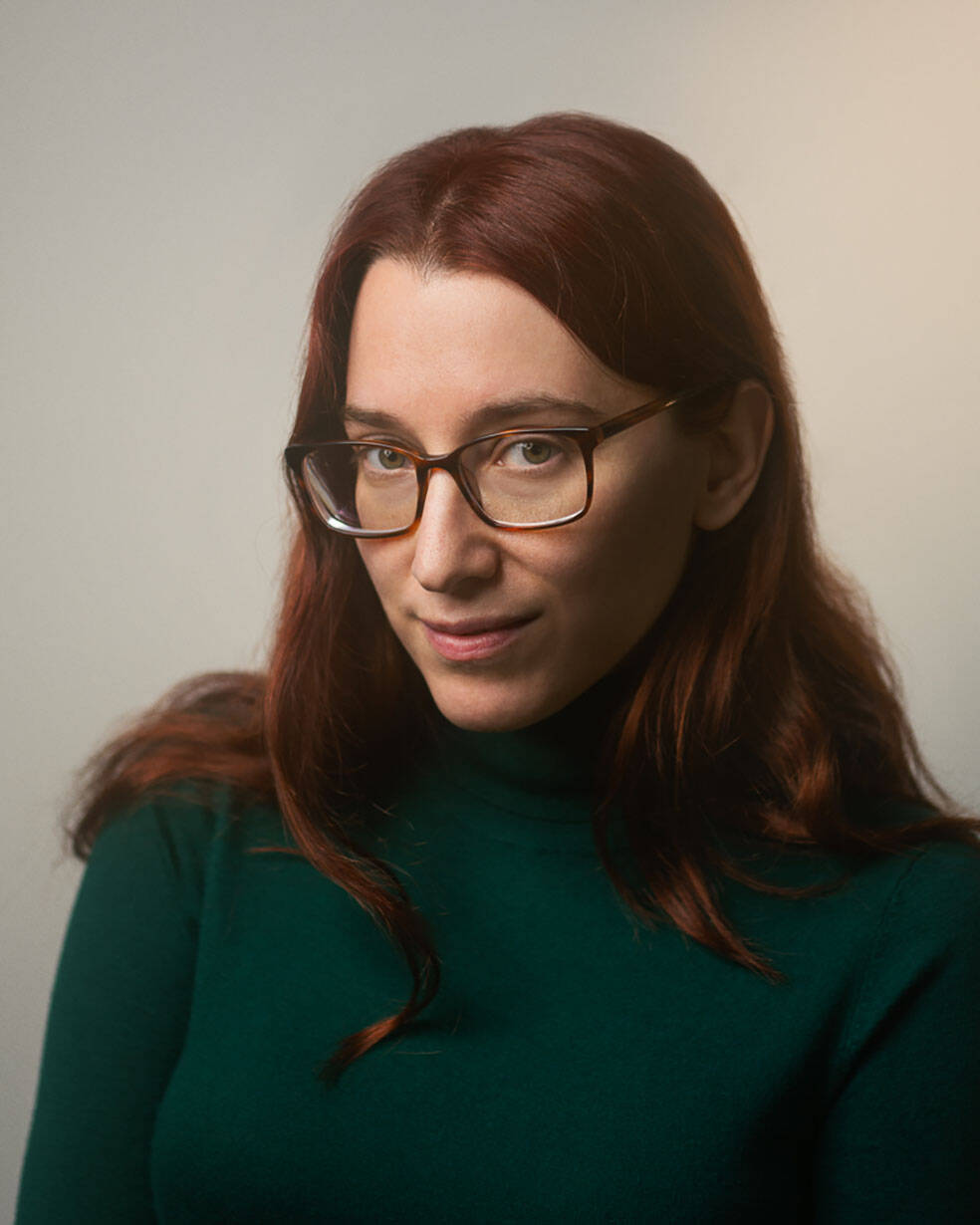
Julie Riemersma photography
Bar Fridman-Tell has a talent for bringing the passion of first love, and its accompanying drama, to the page.
What Wynne has magicked into being is a Blodeuwedd (Welsh for “flower face”), a creature who, though mute, proves to be “the perfect playmate.” Rory calls her Daye and soon comes to cherish her as “a bosom friend, a confidant” who promises she’ll never leave him.
However, as summer turns to autumn, Daye’s vow is tested; her skin cracks, her hair fades and she starts falling to pieces. Wynne explains that Daye is “out of her season… she’s a flower girl… not meant to last,” but a hysterical Rory refuses to accept this and insists that Wynne fix Daye. Despite her misgivings, Wynne complies, and so begins a seasonal ritual of reconstruction and rejuvenation.
Once Wynne departs for university, the increasingly anxious Rory realizes he cannot rely on her to transition Daye from season to season and must learn to do it himself. While Rory masters unmaking and remaking his friend, the process gives him recurring nightmares that prompt him to seek a way to eliminate it altogether. When Daye questions the need for this, Rory shrugs her off and clings tighter to an obsession that will grow to rival Victor Frankenstein’s and take him far from her.
First-time author Fridman-Tell writes of the pleasures of country life with the devotion of one who treasures them. She also deftly describes the allure of a distant city where kids like Rory and Wynne attend university. There they and their peers learn to create constructs to perform menial tasks, though scant attention is paid to exploring whether endowing consciousness to supply a slave class is ethical.
Fridman-Tell has a talent for translating the passion of first love, and the obsession and drama that often accompany it, to the page, and it is with insight that she writes about sweet devotion mutating bit by bit until it is rotten control.
Despite these strengths, Honeysuckle would benefit from improved editing, beginning with the prologue where words are described as “like fishing rods, lines arching to catch at… skin.” Even those who have never held a pole know that it is the hook that catches skin. Fridman-Tell also tends to hyphenate words (“ripe-red strawberries”) when a single adjective (ripe OR red) would be more effective.
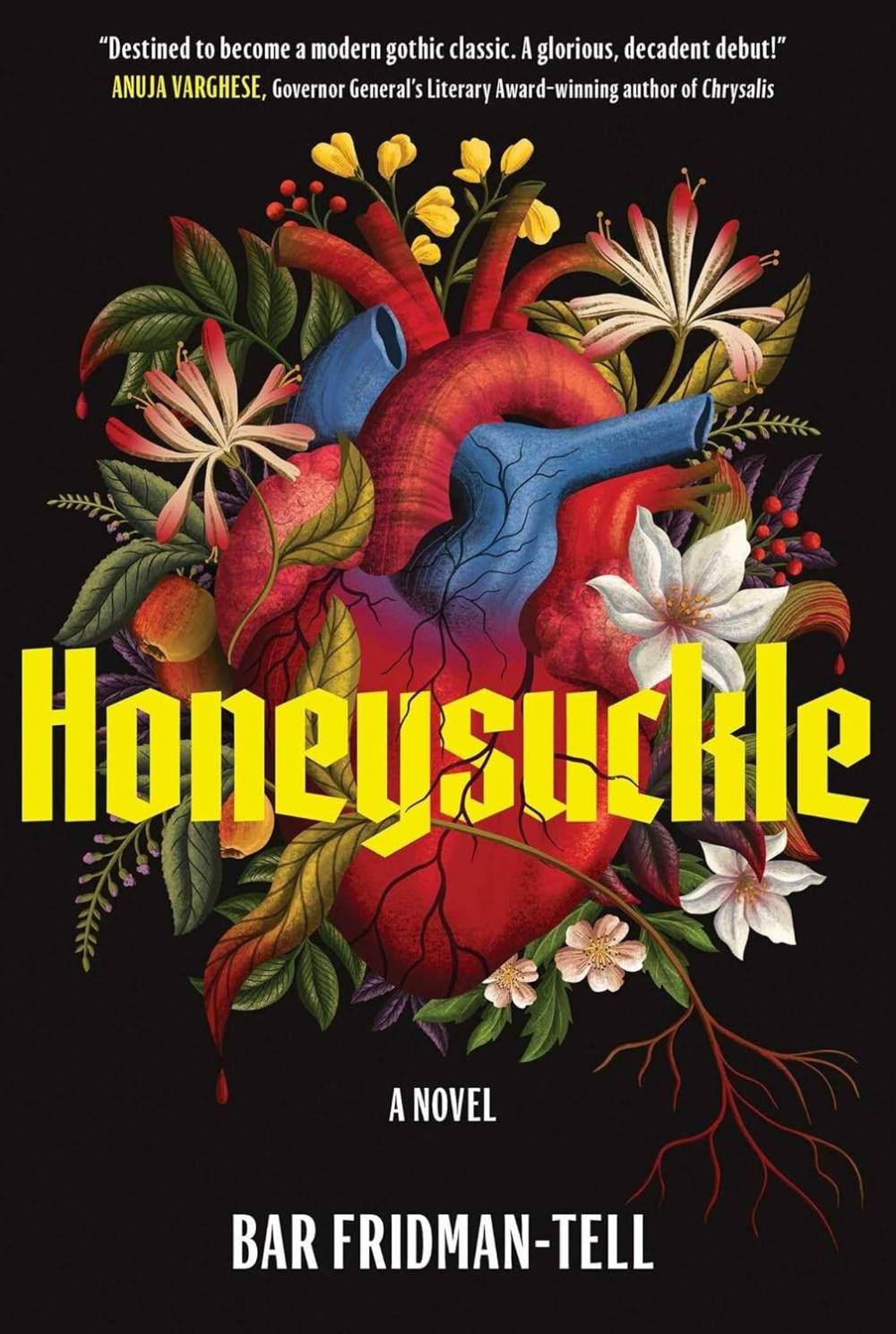
Honeysuckle
Subtly woven from strands of our past, present and possible future, and drawing inspiration from Mary Shelley’s Frankenstein and The Mabinogion, a medieval collection of Welsh stories, Fridman-Tell’s timely, magically real tale wrestles with today’s pressing concerns. Readers will be drawn into pondering what being human demands of us, the pros and cons of creating consciousness and what, if anything, we owe our creations.
Jess Woolford is woven of weeping willow, lilac and lily of the valley.