

City fire inspectors using own vehicles putting them at risk, union says

Advertisement
Read this article for free:
or
Already have an account? Log in here »
To continue reading, please subscribe:

Digital Subscription
One year of digital access for only $205*
- Enjoy unlimited reading on winnipegfreepress.com
- Read the E-Edition, our digital replica newspaper
- Access News Break, our award-winning app
- Play interactive puzzles
*First annual payment billed as $205.00 + GST for one year. This annual subscription will automatically renew at $233.00 + GST every 52 weeks (10% off the regular annual price of $259.35). Offer available to new and qualified returning subscribers only. Cancel any time.
To continue reading, please subscribe:
Add Free Press access to your Brandon Sun subscription for only an additional
$1 for the first 4 weeks*
- Enjoy unlimited reading on winnipegfreepress.com
- Read the E-Edition, our digital replica newspaper
- Access News Break, our award-winning app
- Play interactive puzzles
*Your next Brandon Sun subscription payment will increase by $1.00 and you will be charged $17.95 plus GST for four weeks. After four weeks, your payment will increase to $24.95 plus GST every four weeks.
Read unlimited articles for free today:
or
Already have an account? Log in here »
Some of Winnipeg’s fire inspectors are using their own vehicles while on the job, sparking concern their personal safety is being put at risk.
The United Firefighters of Winnipeg, which represents the inspectors, said there are 11 vehicles for the city’s 16 inspectors, leaving approximately a third of them to use their own.
Union president Nick Kasper said some feel unsafe after they’ve been photographed on the job, while others have reported being threatened. He worries a personal vehicle could be used to track an inspector.
“It creates a psychologically unsafe workplace,” Kasper said.
MIKAELA MACKENZIE / FREE PRESS FILES Nick Kasper, president of the United Firefighters of Winnipeg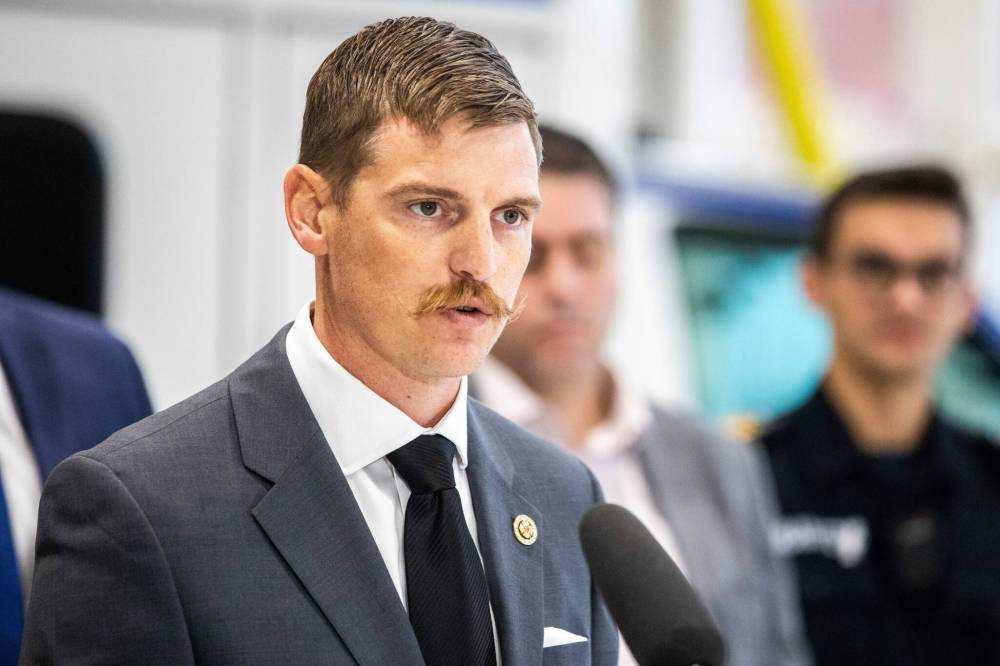
Inspectors regularly work at apartment buildings and rooming houses to check smoke alarms, examine fire escapes and monitor activities in the city’s encampments, which are prone to fires as people try to keep warm, cook and survive.
This means they’re often exposed to hazards like bed bugs and cockroaches, which they fear will be transferred to their own vehicles and potentially, their homes, Kasper said.
“We had a member, unbeknownst to him, (who) walked through human excrement and it was all over his shoes and pants and you’re forced to get back into your vehicle,” he said.
While some expenses are covered, other costs associated with the work are not, Kasper said, even as inspectors make thousands of stops every year, City of Winnipeg data show.
This includes 11,411 inspections in 2022, 10,994 in 2023, and 14,000 inspections targeted for both 2025 and 2026.
Kasper said a city safety audit in 2015 found marked cars for enforcement efforts are important to keeping officers safe.
“Our members say, ‘What is it going to take for change to be made?’” he said. “Does someone need to be seriously injured?”
Darrell Warren, president of the William Whyte Neighbourhood Association, said having more marked vehicles for inspectors would not only improve safety, but increase the department’s visibility.
RUTH BONNEVILLE / FREE PRESS FILES On Saturday, Feb. 7, just before 10:00 a.m., the Winnipeg Police Service responded to a house fire at 365 Agnes Street which claimed the lives of two women. 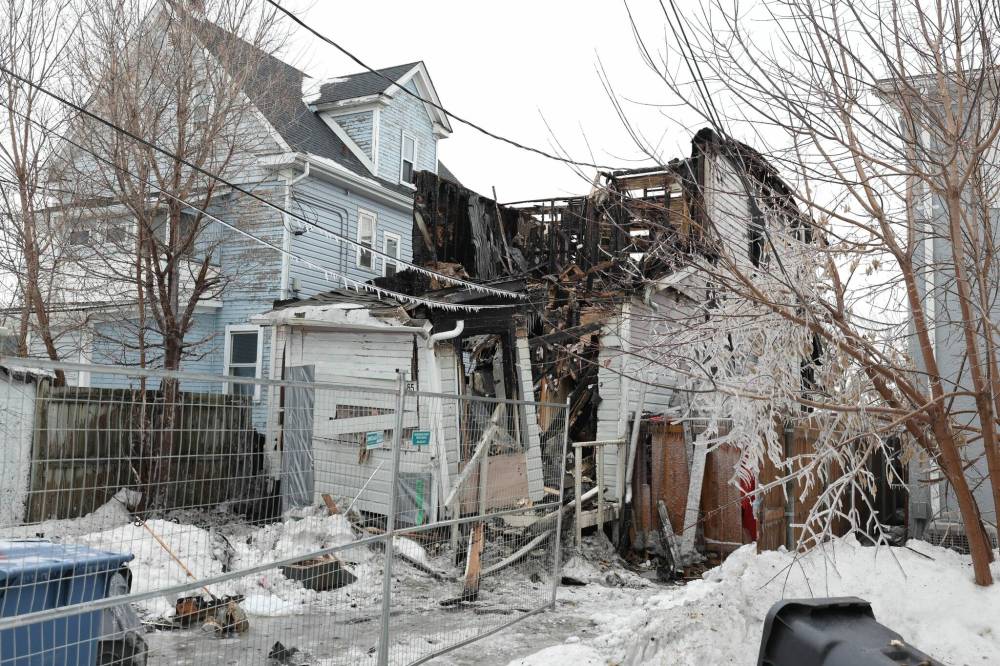
William Whyte is among the hardest hit by fires in Winnipeg. The city has recorded more than 678 structure fires in the area since 2015 — more than any other neighbourhood in the city. Warren worries one of the inspectors will eventually get hurt, especially if they’re working on enforcement.
He would like to see more inspections done in William Whyte and other areas hit hard by fires, but he can’t support inspectors doing the job in their own cars.
“That’s a very, very dangerous situation you’re putting those people in,” said Warren.
However, one city councillor feels the union’s concern is unfounded.
“Mr. Kasper is probably — what’s the right word — going somewhat overboard on risks to fire inspectors,” said Coun. Ross Eadie (Mynarski). “I don’t know that there’s a high risk of something happening.”
After speaking with fire officials, Eadie said it’s his understanding some inspectors are using their own vehicles by choice and have access to a pool vehicle, which he said is underused, adding workers have access to equipment such as protective booties and hazmat suits.
MIKAELA MACKENZIE / FREE PRESS FILES Councillor Ross Eadie, who represents the Mynarski Ward, says he thinks the UFFW concerns are overblown.
“How can you say, ‘Well, we need more motor vehicles’ when the ones we have are already underutilized?” Eadie asked.
Lisa Gilmour, the city’s assistant chief of community risk reduction, said in a statement the Winnipeg Fire Paramedic Service takes safety concerns “very seriously.” She confirmed inspectors are required to use their own vehicles for work, but that’s part of the job description, with reimbursement.
“We did hear a safety concern raised on this issue in the fall. We reviewed any potential safety concerns at that time,” she said in the statement. “No safety concerns have been reported that would indicate a department vehicle is required.”
She also said the WFPS has created a list of location types, alongside the associated risks inspection officers might encounter, while on the job.
She also noted so far, there’s been no scheduling conflicts in terms of access for a pool vehicle inspectors can use to travel to locations they felt posed a safety risk.
However, Kasper said the pool car has only been around for a month and is the result of concerns raised by the union. Kasper called Eadie’s remarks about the concerns being overblown, “incredibly disappointing.”
“That just demonstrates the level of disconnect that’s going on in our city,” he said. “As frustrating as it is for me to hear that, I can only imagine how it’s going to be received by our members.”
He argued inspectors only find out a scenario is dangerous upon arrival and the shortage of vehicles is a symptom of a larger problem within the fire department.
morgan.modjeski@freepress.mb.ca
Morgan Modjeski
Reporter
Signal
Morgan Modjeski is a news reporter and multimedia producer for the Free Press. Read more about Morgan.
Every piece of reporting Morgan produces is reviewed by an editing team before it is posted online or published in print — part of the Free Press‘s tradition, since 1872, of producing reliable independent journalism. Read more about Free Press’s history and mandate, and learn how our newsroom operates.
Our newsroom depends on a growing audience of readers to power our journalism. If you are not a paid reader, please consider becoming a subscriber.
Our newsroom depends on its audience of readers to power our journalism. Thank you for your support.
Morgan Modjeski
Reporter
Signal
Morgan Modjeski is a news reporter and multimedia producer for the Free Press. Read more about Morgan.
Every piece of reporting Morgan produces is reviewed by an editing team before it is posted online or published in print — part of the Free Press‘s tradition, since 1872, of producing reliable independent journalism. Read more about Free Press’s history and mandate, and learn how our newsroom operates.
Our newsroom depends on a growing audience of readers to power our journalism. If you are not a paid reader, please consider becoming a subscriber.
Our newsroom depends on its audience of readers to power our journalism. Thank you for your support.
Related Articles
Day of Mourning marchers honour Manitoba lives lost on the job
Advertisement Advertise With Us
Advertisement Advertise With Us