

Iraq’s dominant bloc taps newcomer Ali al-Zaidi for prime minister after weeks of wrangling
Advertisement
Read this article for free:
or
Already have an account? Log in here »
To continue reading, please subscribe:
Digital Subscription
One year of digital access for only $1.44 a week*
- Enjoy unlimited reading on winnipegfreepress.com
- Read the E-Edition, our digital replica newspaper
- Access News Break, our award-winning app
- Play interactive puzzles
*Billed as $5.77 plus GST every four weeks. After 52 weeks, price increases to the regular rate of $19.95 plus GST every four weeks. Offer available to new and qualified returning subscribers only. Cancel any time.
To continue reading, please subscribe:
Add Free Press access to your Brandon Sun subscription for only an additional
$1 for the first 4 weeks*
- Enjoy unlimited reading on winnipegfreepress.com
- Read the E-Edition, our digital replica newspaper
- Access News Break, our award-winning app
- Play interactive puzzles
*Your next Brandon Sun subscription payment will increase by $1.00 and you will be charged $17.95 plus GST for four weeks. After four weeks, your payment will increase to $24.95 plus GST every four weeks.
Read unlimited articles for free today:
or
Already have an account? Log in here »
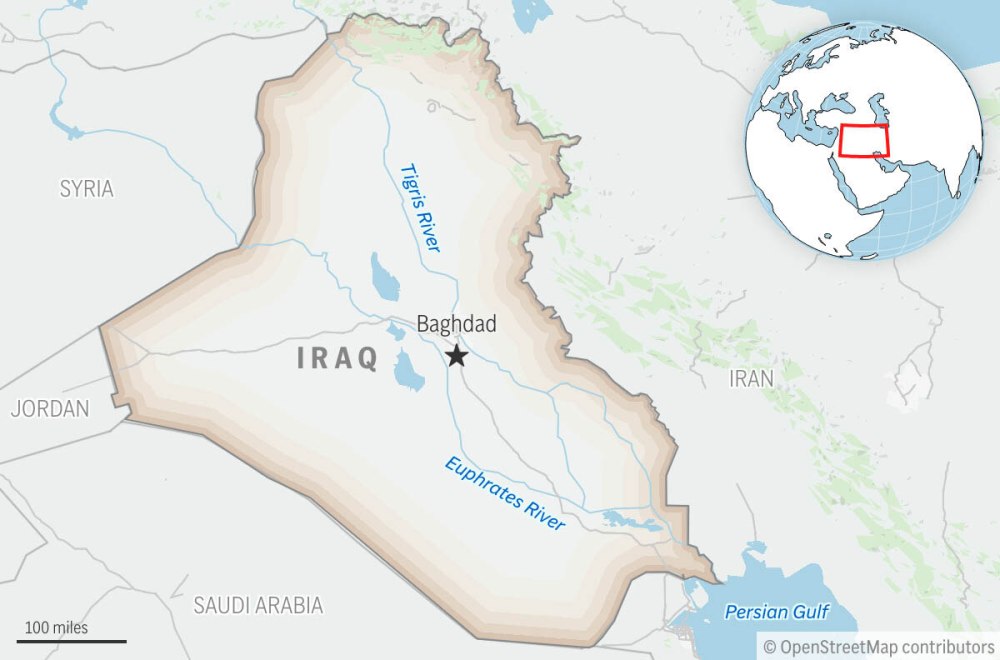
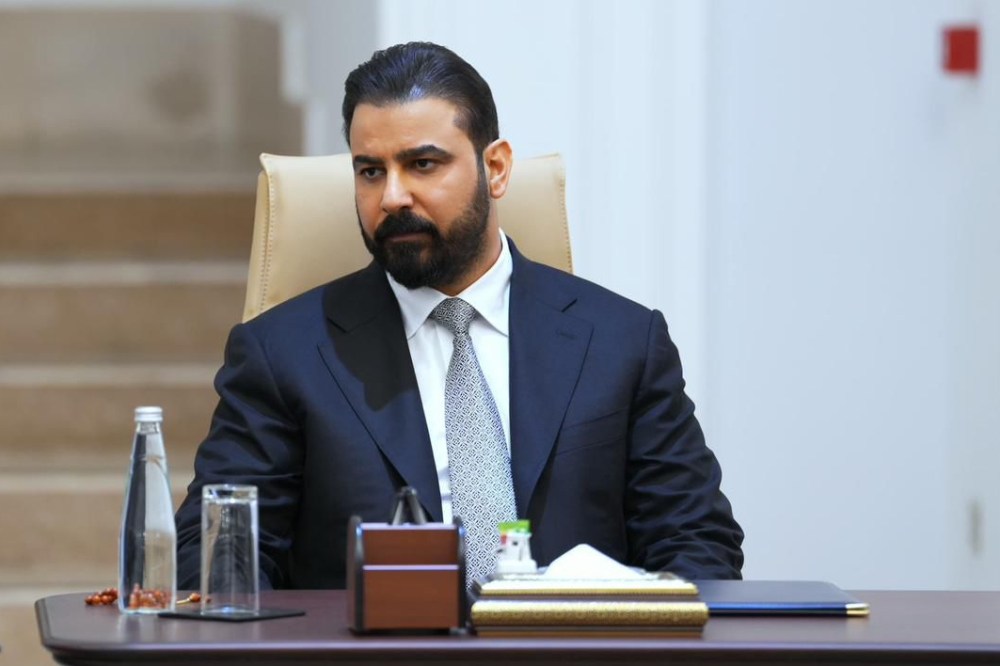
BAGHDAD (AP) — Iraq’s dominant parliamentary bloc on Monday nominated Ali al-Zaidi, a businessman and political newcomer, to be the country’s prime minister.
The announcement by the Coordination Framework, a coalition of Shiite parties allied with Iran, followed a meeting at the government palace. It came after weeks of internal debate among its member parties aimed at selecting a compromise candidate to lead the next government.
President Nizar Amidi then tasked al-Zaidi with forming a government. Even with the backing of the dominant bloc, the new government is not assured of receiving the required number of votes.
The coalition had previously said it would back former Prime Minister Nouri al-Maliki, who the U.S. administration views as too close to Iran. U.S. President Donald Trump publicly announced his opposition to al-Maliki and threatened to cut off aid to Iraq if he was appointed.
While al-Maliki remained defiant after Trump’s intervention, the bloc decided to shift to a compromise candidate.
In a statement announcing al-Zaidi’s nomination, the Coordination Framework thanked al-Maliki and incumbent Prime Minister Mohammed Shia al-Sudani for their “historic and responsible positions” in withdrawing their candidacies to help overcome the political deadlock. Al-Sudani issued a statement congratulating al-Zaidi.
Al-Zaidi, who is chairman of Al-Janoob Islamic Bank, emerged in the final stages of discussions as one of the leading candidates, bolstered by his economic background and business and investment connections. He has not previously held political office.
Following his nomination, al-Zaidi promised to focus on making Iraq “a balanced country, regionally and internationally.”
“This appointment comes at a sensitive time that requires concerted efforts from all political and social forces,” he said.
Under the constitution, the designated prime minister has 30 days to present a Cabinet lineup to the parliament, which requires 167 votes to secure a vote of confidence.
The next government will have to deal with the political and economic fallout of the U.S.-Israeli war against Iran, which spilled over into Iraq while the closure of the Strait of Hormuz has disrupted the oil exports on which Iraq’s economy depends.
The new government will also face challenges in dealing with the issues of corruption, uncontrolled weapons outside state authority, and the future of the Popular Mobilization Forces, a coalition of Shiite militias that are nominally under the Iraqi military but in practice largely outside of its control.