

Taiwan’s president says state visits are ‘basic right’ after trip he says Beijing tried to block
Advertisement
Read this article for free:
or
Already have an account? Log in here »
To continue reading, please subscribe:

Digital Subscription
One year of digital access for only $205*
- Enjoy unlimited reading on winnipegfreepress.com
- Read the E-Edition, our digital replica newspaper
- Access News Break, our award-winning app
- Play interactive puzzles
*First annual payment billed as $205.00 + GST for one year. This annual subscription will automatically renew at $233.00 + GST every 52 weeks (10% off the regular annual price of $259.35). Offer available to new and qualified returning subscribers only. Cancel any time.
To continue reading, please subscribe:
Add Free Press access to your Brandon Sun subscription for only an additional
$1 for the first 4 weeks*
- Enjoy unlimited reading on winnipegfreepress.com
- Read the E-Edition, our digital replica newspaper
- Access News Break, our award-winning app
- Play interactive puzzles
*Your next Brandon Sun subscription payment will increase by $1.00 and you will be charged $17.95 plus GST for four weeks. After four weeks, your payment will increase to $24.95 plus GST every four weeks.
Read unlimited articles for free today:
or
Already have an account? Log in here »
TAOYUAN, Taiwan (AP) — Taiwan President Lai Ching-te said Tuesday it was a basic right for countries to hold state visits, as he returned from his three-day trip to the African kingdom of Eswatini, which his government says China tried to block.
Lai was supposed to travel to the country, one of Taiwan’s 12 remaining diplomatic partners last month, but had to cancel the initial trip owing to Chinese pressure, Taiwan’s government said.
China pressured three countries to revoke flight permits, denying Lai transit through their airspace, Taiwan’s government said. China did not confirm whether or not they had pressured the countries, but thanked them for their support for Beijing’s one-China principle.
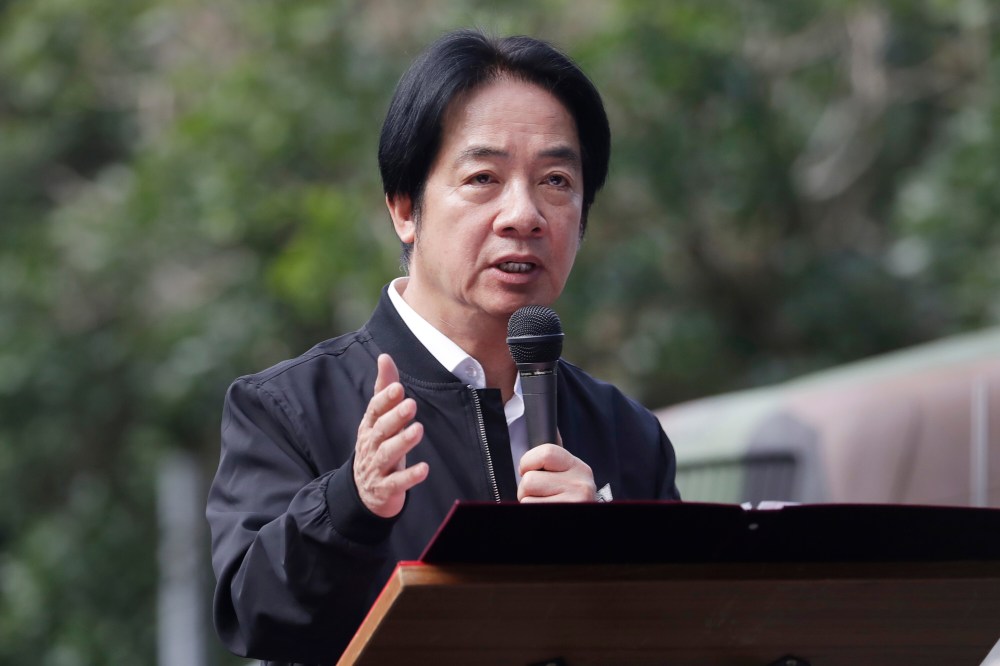
Undeterred, Lai rescheduled the trip, arriving in Eswatini on May 2, where he discussed cooperation on economic, agricultural, cultural and educational ties.
“Just like going out to visit friends, this is every country’s basic right,” he said upon his arrival back in Taiwan Tuesday. “This trip, which was subject to obstruction, actually let the world see the Taiwanese public’s determination and will to be a part of the world.”
China claims self-ruled Taiwan as part of its territory, to be retaken by force if necessary, and prohibits countries it has diplomatic relations with from maintaining formal ties with Taipei.
In practice, Taiwan is self-ruled. However, it faces increasing pressure from China on all fronts. China’s military sends fighter jets and navy vessels towards Taiwan on a near-daily basis, while also pressuring countries to cut their diplomatic relations with the island through a mixture of economic incentives and pressure.
Over the weekend, organizers of a human rights conference in Zambia canceled the event after China pressured the host country to exclude Taiwanese activists.
Lai took a moment to thank the deputy prime minister of Eswatini Thulisile Dladla, who had accompanied them on the trip, for her role in ensuring “a smooth round trip” for everyone. Dladla had traveled to Taiwan at the end of April.
“Taiwan’s actions shows that the real display of power of a country isn’t in having others submit to you, but to bring prosperity to everyone,” he added.
___
Wu reported from Bangkok