Conservation shouldn’t come at the cost of access
Advertisement
Read this article for free:
or
Already have an account? Log in here »
To continue reading, please subscribe:

Digital Subscription
One year of digital access for only $205*
- Enjoy unlimited reading on winnipegfreepress.com
- Read the E-Edition, our digital replica newspaper
- Access News Break, our award-winning app
- Play interactive puzzles
*First annual payment billed as $205.00 + GST for one year. This annual subscription will automatically renew at $233.00 + GST every 52 weeks (10% off the regular annual price of $259.35). Offer available to new and qualified returning subscribers only. Cancel any time.
To continue reading, please subscribe:
Add Free Press access to your Brandon Sun subscription for only an additional
$1 for the first 4 weeks*
- Enjoy unlimited reading on winnipegfreepress.com
- Read the E-Edition, our digital replica newspaper
- Access News Break, our award-winning app
- Play interactive puzzles
*Your next Brandon Sun subscription payment will increase by $1.00 and you will be charged $17.95 plus GST for four weeks. After four weeks, your payment will increase to $24.95 plus GST every four weeks.
Read unlimited articles for free today:
or
Already have an account? Log in here »
The Seal River Watershed in northern Manitoba is one of the last great intact ecosystems in North America.
At nearly 50,000 square kilometres (eight per cent of Manitoba’s land mass), it is a place defined by clean water, abundant wildlife and a long history of stewardship by generations of Manitobans who hunt, fish and spend time on the land.
A proposal now under consideration would designate the watershed as an Indigenous Protected and Conserved Area (IPCA), combining a new provincial park with a national park under a shared governance model.
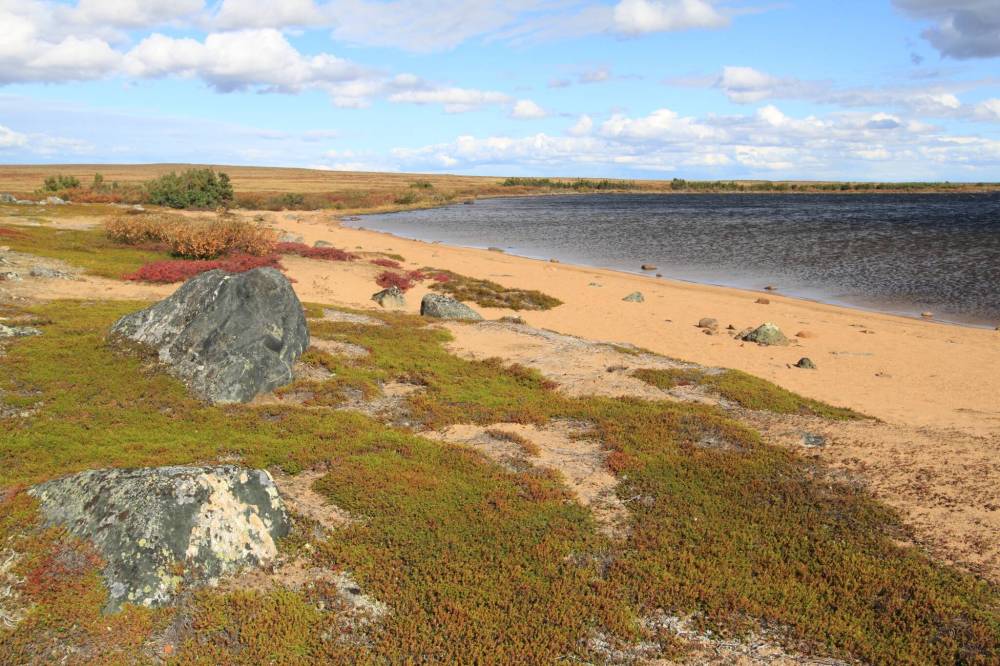
Josh Pearlman Photo, File
There are disagreements about how northern Manitoba’s pristine Seal River watershed should be formally protected.
While the Manitoba Wildlife Federation (MWF) supports conservation, the current proposal raises serious and unresolved concerns that cannot be overlooked.
Let’s first address the heart of our concerns: the proposed national park. This would transfer roughly 18,500 square kilometres of Manitoba Crown land (about one-third of the watershed) to federal control. Such a move would represent a significant and permanent shift in authority from Manitoba to Ottawa over how this section of land and our natural resources are managed.
That shift has real consequences.
Under federal legislation (the National Park Act), licensed hunting and outfitting would be phased out over a 10-year period. While Indigenous harvesting rights would remain protected, this change would eliminate access for many Manitobans who have responsibly used and helped steward this landscape for generations.
Manitobans should be asking a simple question: why is this necessary?
Manitoba already has provincial mechanisms to protect landscapes through provincial parks and wildlife management areas. The only difference is that the national park guarantees the loss of access for some Manitobans. In our view, this loss of access is not worth the federal funding that we fear is driving this decision.
This is a concern shared by a large majority of Manitobans. A Leger poll found that Manitobans strongly support sustainable hunting in protected areas (87 per cent) and want protected lands to stay under provincial control (64 per cent). Only 15 per cent support giving provincial Crown lands to the federal government. Provincial conservation efforts that overlook the opinions of Manitobans put public support, project success and our trust at risk.
This is not a theoretical concern. We have seen how federal park management decisions made in Riding Mountain National Park have generated significant pushback from residents, cottage owners and businesses who rely on Clear Lake for recreation and tourism.
As well, in Wapusk National Park, licensed hunting and angling are no longer permitted under federal park designation with use limited to Indigenous harvesting rights. This highlights the reality that once land is federally designated, long-established public access and use will be permanently lost.
Governance is another critical issue that must be addressed, especially for the remaining two-thirds of the project to be designated as a new provincial park.
The proposal includes a single appointed management board overseeing both the national and provincial park components, yet provides little clarity on the board’s composition, mandate and decision-making authority.
The MWF supports the provincial park designation with its clear commitment to allow licensed hunting, angling and outfitting, provided the provincial government retains full authority over wildlife management and access decisions on these lands.
We — like most Manitobans — would prefer to see the entire watershed remain under provincial control and accountable to Manitobans.
We are concerned that this single management board approach opens a back door to federal influence over provincial land-use decisions, including hunting regulations, access, enforcement and wildlife management.
The provincial government must remain fully accountable for these decisions. Manitoba cannot afford to set a precedent that could potentially reshape natural resource governance and weaken provincial control over Crown lands more broadly.

Equally concerning is who is not clearly guaranteed a seat at the table. Licensed hunters, anglers and outfitters (there are over 70 outfitters potentially affected by this proposal) must have meaningful representation on any management board. Their role in stewardship and our economy is essential and must be included in all decision-making.
Protecting the Seal River Watershed is an opportunity to get conservation right, but only if it is done in a way that is transparent, accountable and reflects how Manitobans value and use the land.
That means respecting Indigenous participation, safeguarding ecosystems, maintaining provincial control and responsible public access for all Manitobans.
Consultations through Engage Manitoba are now underway at engagemb.ca. There is still time to deliver a balanced, made in Manitoba conservation plan for the Seal River Watershed, one that achieves valuable conservation goals while earning the trust and respect from all Manitobans who use, treasure and steward the land.
Carly Deacon is managing director with the Manitoba Wildlife Federation.