

Supreme Court sides with US company in claims over property seized in Cuban revolution
Advertisement
Read this article for free:
or
Already have an account? Log in here »
To continue reading, please subscribe:

Digital Subscription
One year of digital access for only $205*
- Enjoy unlimited reading on winnipegfreepress.com
- Read the E-Edition, our digital replica newspaper
- Access News Break, our award-winning app
- Play interactive puzzles
*First annual payment billed as $205.00 + GST for one year. This annual subscription will automatically renew at $233.00 + GST every 52 weeks (10% off the regular annual price of $259.35). Offer available to new and qualified returning subscribers only. Cancel any time.
To continue reading, please subscribe:
Add Free Press access to your Brandon Sun subscription for only an additional
$1 for the first 4 weeks*
- Enjoy unlimited reading on winnipegfreepress.com
- Read the E-Edition, our digital replica newspaper
- Access News Break, our award-winning app
- Play interactive puzzles
*Your next Brandon Sun subscription payment will increase by $1.00 and you will be charged $17.95 plus GST for four weeks. After four weeks, your payment will increase to $24.95 plus GST every four weeks.
Read unlimited articles for free today:
or
Already have an account? Log in here »
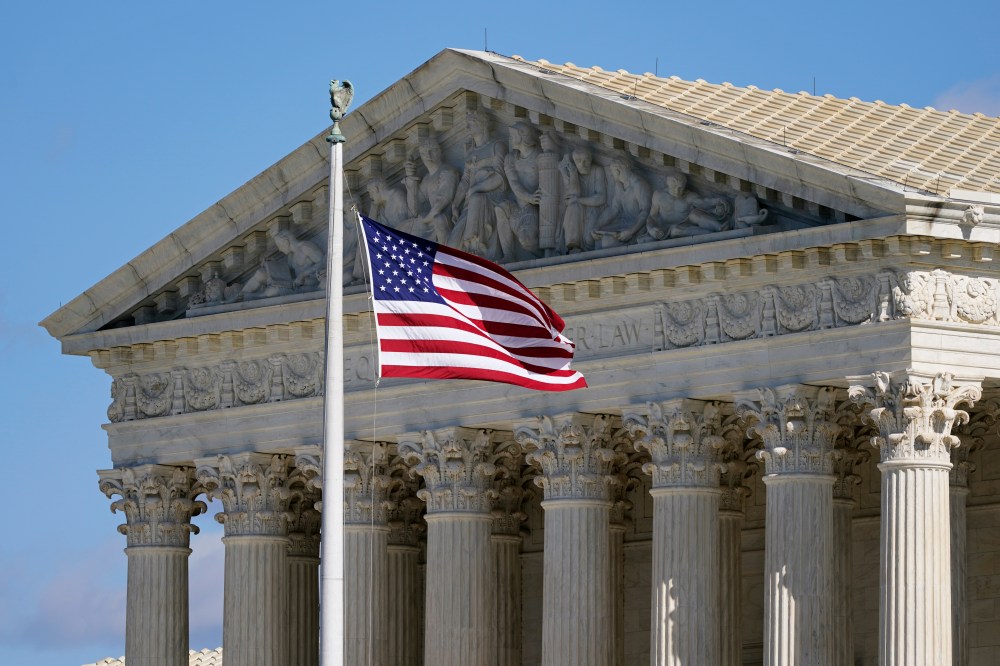
WASHINGTON (AP) — The Supreme Court on Thursday ruled in favor of owners of Cuban property that was confiscated by Fidel Castro’s government more than 65 years ago.
By an 8-1 vote, the justices revived claims filed by a U.S. company, Havana Docks, that operated docks in the Cuban capital. The suit targets four cruise lines that brought tourists to Cuba during the brief thaw in relations during the Obama administration.
Justice Clarence Thomas wrote for the court that the federal appeals court in Atlanta was wrong to dismiss the claims, holding that “the cruise lines used confiscated property to which Havana Docks owns the claim.”
The court’s ruling is not a final decision in the suit filed by Havana Docks. But it comes amid heightened pressure on Cuba from President Donald Trump’s administration, including Wednesday’s indictment of former Cuban President Raúl Castro in the 1996 downing of civilian planes flown by Miami-based exiles.
The Supreme Court case turned on a provision of the federal law known as Helms-Burton that Congress passed in response to the shootdowns. Title III of the law allows Americans to sue almost any company that engages in commercial activity or benefits from property confiscated by Cuba’s government.
Before the first Trump administration, every president had suspended the provision because of objections from U.S. allies doing business in Cuba and the effect on future negotiated settlements between the U.S. and Cuba.
In 2016, President Barack Obama used a joint news conference with Castro to announce that cruise lines could resume service to Cuba. Carnival, Norwegian, Royal Caribbean and MSC Cruises began making stops in Havana that allowed cruise travelers to go on excursions to local nightclubs, landmarks, rivers and beaches.
That changed abruptly in 2019, when Trump decided to activate the provision allowing lawsuits and then announced new restrictions on travel. The cruise lines hastily dropped Cuba stops and rerouted ships on the go.
Ruling in the lawsuit filed by Havana Docks, U.S. District Judge Beth Bloom in Miami found the cruise lines liable for their use of the Havana terminal the company once controlled.
Licenses by Obama’s Treasury Department to carry American passengers to Cuba did not shield the cruise lines from the lawsuit, Bloom ruled.
She awarded Havana Docks, more than $400 million in all. A federal appeals court ruled for the cruise lines, reversing the judgment.
The case now returns to the appeals court. Thomas acknowledged that the cruise lines have additional arguments that have yet to be ruled on.
.