Smoke taint new reality in wine as world burns

Advertisement
Read this article for free:
or
Already have an account? Log in here »
To continue reading, please subscribe:

Digital Subscription
One year of digital access for only $205*
- Enjoy unlimited reading on winnipegfreepress.com
- Read the E-Edition, our digital replica newspaper
- Access News Break, our award-winning app
- Play interactive puzzles
*First annual payment billed as $205.00 + GST for one year. This annual subscription will automatically renew at $233.00 + GST every 52 weeks (10% off the regular annual price of $259.35). Offer available to new and qualified returning subscribers only. Cancel any time.
To continue reading, please subscribe:
Add Free Press access to your Brandon Sun subscription for only an additional
$1 for the first 4 weeks*
- Enjoy unlimited reading on winnipegfreepress.com
- Read the E-Edition, our digital replica newspaper
- Access News Break, our award-winning app
- Play interactive puzzles
*Your next Brandon Sun subscription payment will increase by $1.00 and you will be charged $17.95 plus GST for four weeks. After four weeks, your payment will increase to $24.95 plus GST every four weeks.
Read unlimited articles for free today:
or
Already have an account? Log in here »
Summer seems to come with a familiar smell these days: the pungent aroma of smoke.
The haze of smoke from wildfires in warmer months is now the norm rather than the exception. Breathing gets tougher, particularly for those whose health is compromised, and clothes pick up that unpleasant smoky smell.
But your shirt or sweater isn’t the only thing that absorbs the scent — in wildfire-affected grape-growing regions, winemakers also have to contend with the potential for their wines to develop what is called smoke taint.
Early in the growing season grapes, like most fruit, are small and green with thick skins. The berries get larger until around late July-ish (in the northern hemisphere) the bunches stop growing, the skins get thinner and the fruit begins changing colour in a process called veraison.
It’s between veraison and harvest — but particularly closer to the former — that grapes are most susceptible to absorbing smoke compounds in the skins of the berries, although the compounds aren’t thought to permeate into the pulp or juice of the berries.
Emma Da Silva / The Associated Press files Wildfires have been raging near Bordeaux, France, a famed wine region.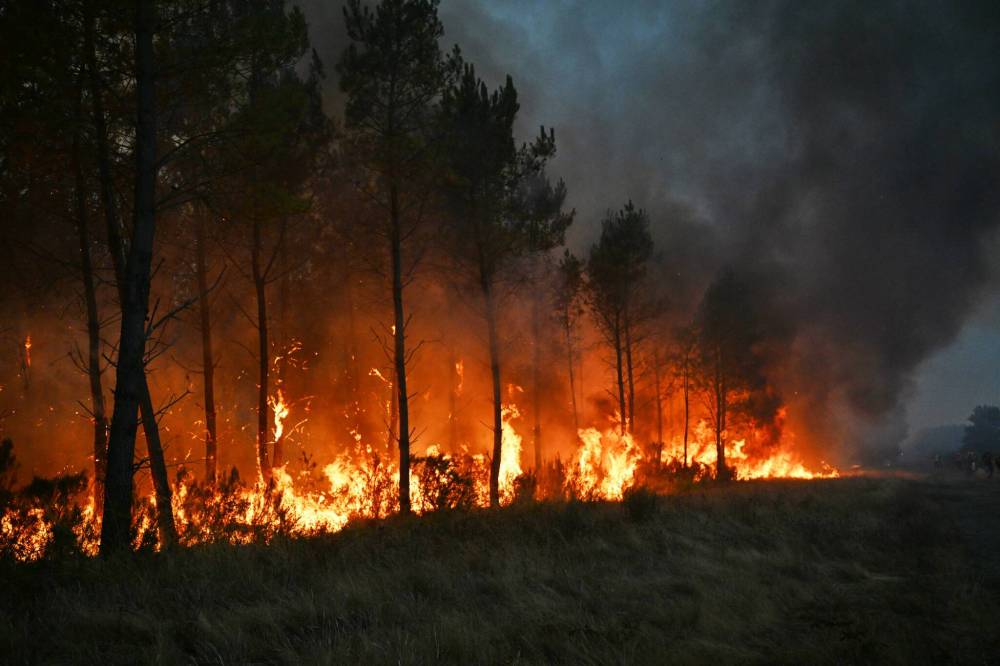
Figuring out whether grapes have been tainted by smoke isn’t as easy as picking grapes in the vineyard and tasting them. The smoke compounds bind to sugars in the fruit, masking its impact; it’s not until alcoholic fermentation, when the sugar is converted to alcohol by yeast, that smoke compounds are released and suddenly, there it is — smoke taint.
(For a fascinating, in-depth scientific dive into smoke taint, U.K. wine writer Jamie Goode, who has a PhD in plant biology, has excerpted a portion of his book The New Viticulture on his Substack — you can find it here.)
Smoke taint impacts red wines more than whites, rosés or sparkling wines, for the simple reason that reds go through longer periods of skin contact during fermentation, which gives the wines colour and tannins.
Grapes for white wines are typically brought into the winery and crushed in short order, with the juice separated from thins right away. For red wines, the process of maceration, where the skins are in contact with the juice, can be anywhere from days to weeks, allowing the smoke compound to seep into the wine.

What smoke taint tastes like in wine depends on just how badly it has been affected. Very mild smoke taint can come across similarly to the flavours imparted from a charred oak barrel, commonly used in aging wines, particularly reds. Moderate smoke taint gives the wine more of an astringent, domineering smoky note akin to a peated whisky. And the worst smoke-tainted wines taste like someone poured the stuff into an ashtray before bottling.
Producers in the Okanagan Valley have struggled with smoke taint in recent years, particularly in 2021 and, to a lesser extent, 2023. California and Oregon have grappled with wildfires and smoke taint, as has Australia, where much research into smoke taint has been taking place.
When I was in Niagara in mid-July, the smoke from the wildfires in northern Ontario was just starting to blanket the area. Winemakers there didn’t seem overly concerned about the 2026 vintage, as veraison had just started, the smoke wasn’t excessively heavy and after about four days had blown off.
This year it’s in Europe — particularly in France, Spain, Greece and Portugal — where the impact of smoke taint could be the most widely felt. According to Wine Spectator magazine, over 280,000 acres of land in France has been burned since January, well over the previous record of 163,000 acres in 2022. France’s Bordeaux region, long associated with big, red wines, has seen 220,000 people evacuated from their homes as massive wildfires continue to ravage the area. The extent of smoke taint in the 2026 Bordeaux vintage could be significant.
What a winery does with red grapes it suspects are smoke tainted depends on the people in charge. Making fewer red wines and instead using those grapes to make rosé, which sees less skin contact, is an option. Bottling the wine and hoping the smoke taint goes away, as it sometimes does, is another option, although that uncommon and far from a certainty.
Some producers decide to bite the bullet and not make wines from smoke-tainted grapes, preferring to keep their reputation intact, regardless of the impact on the bottom line. In 2021, for example, critically acclaimed (and just generally excellent) Okanagan Valley winery Blue Mountain opted not to release any wine that year.
So if you crack a bottle of wine (red in particular) and are picking up some serious ashtray or campfire notes, don’t be surprised if the grapes used to make the stuff were in the vicinity of the ever-increasing wildfires out there.
ben.sigurdson@winnipegfreepress.com
Wines of the week
Avondale 2025 Jonty’s Ducks Pekin White
Paarl, South Africa — $26, Ellement Wine + Spirits
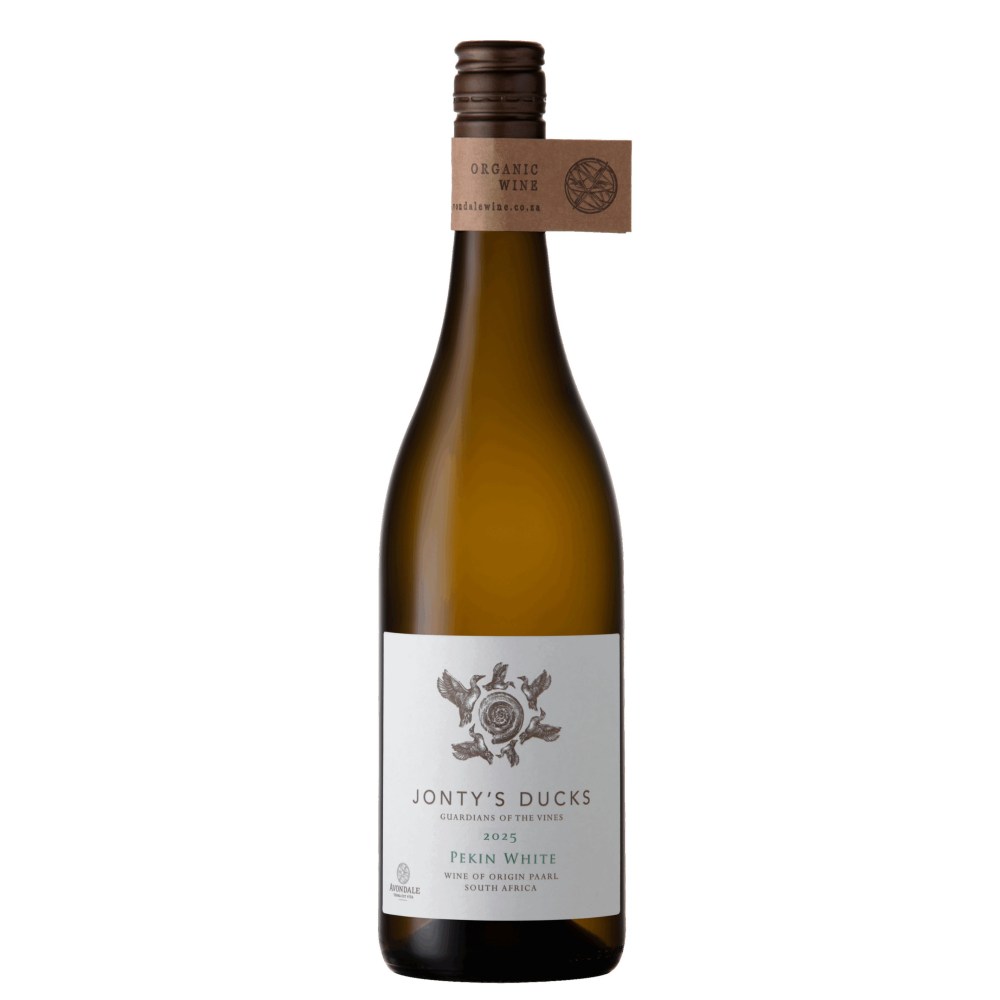
This South African white is a blend of Chenin Blanc, Roussanne, Viognier and Semillon; aromatically the ripe red apple, melon and tropical fruit notes come with light spice and an almost-woolly note.
It’s medium-bodied, dry and beautifully viscous, with loads of ripe fruit flavours (peach, apple, pear), a delightful marmalade note, a hint of spice (from a portion or the wine being aged in barrels) as well as light acidity and, a 13 per cent alcohol, a medium-length finish.
Very good stuff. 4/5
Agricola Kurtin 2024 Alkur Ribolla Gialla
Venezia Giulia, Italy — $19.99, Liquor Marts and beyond
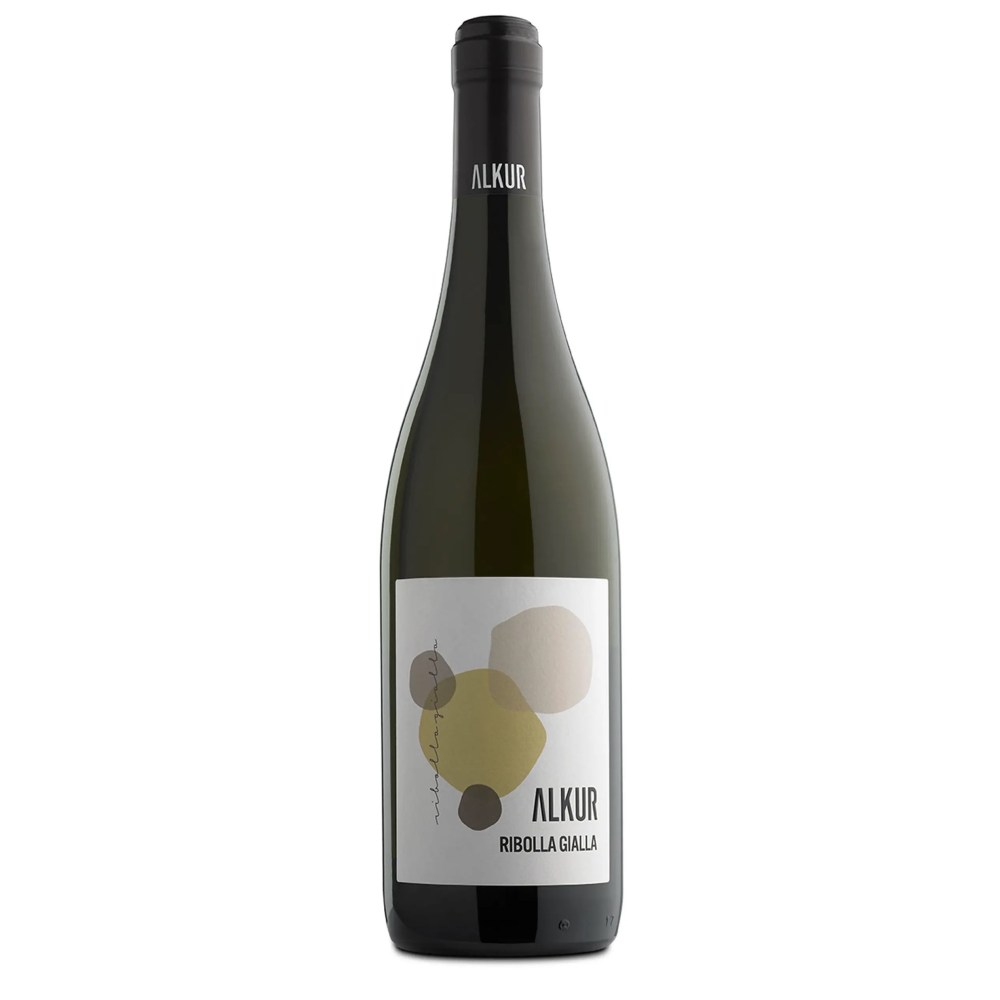
Medium straw in appearance, this Italian white made from the Ribolla Gialla grape comes with buckets of fresh red apple and pear aromas, along with melon and a subtle chalkiness that’s appealing.
It’s light-plus-bodied and dry, brimming with fresh pear and red apple, peach and melon, bringing subtle secondary chalky and nutty notes with modest acidity and, at 12.5 per cent alcohol, a finish that doesn’t overpower.
Delicious, especially while it’s on sale (regular $22.99). 4/5
Tinhorn Creek 2021 Reserve Merlot
Okanagan Valley, B.C. — $39.99, Liquor Marts and beyond
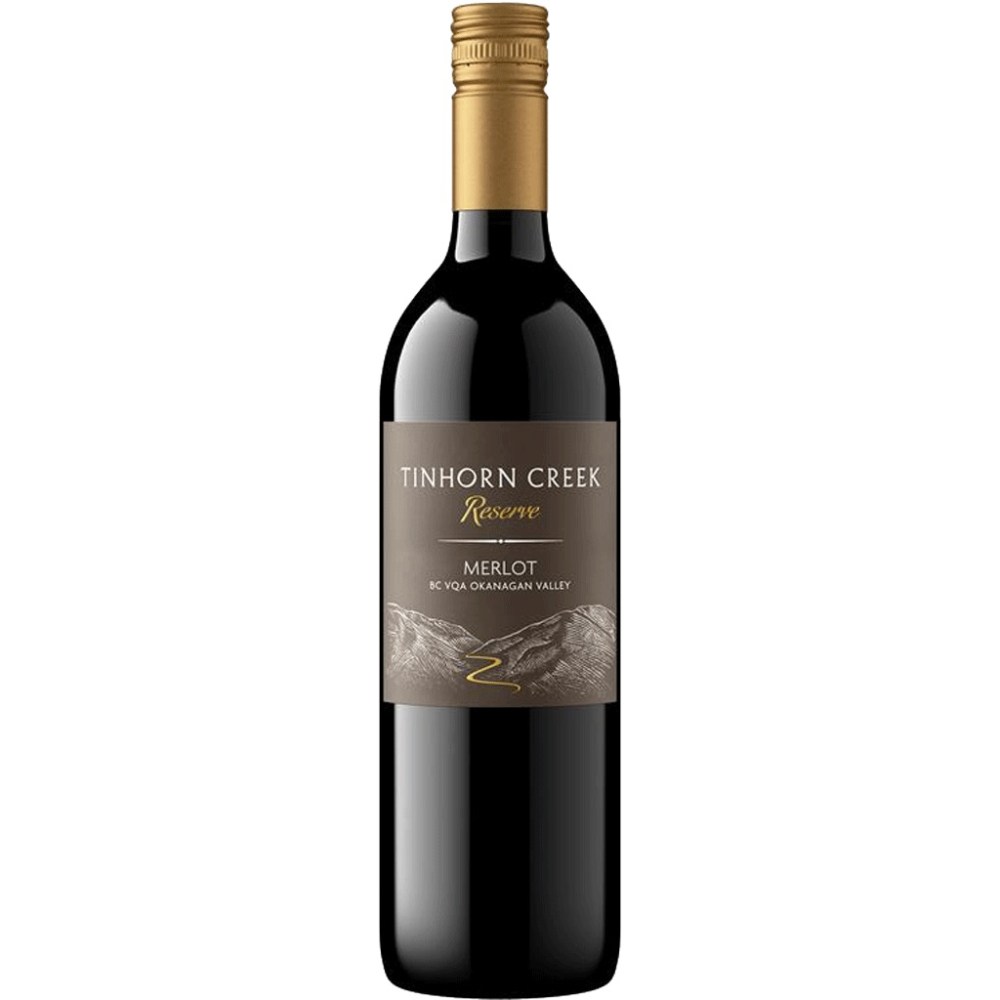
As one of the few B.C. wines from the smoke-impacted 2021 vintage in our market, this one had to be checked out.
It’s pale cherry in appearance and aromatically brings plum, mocha, white pepper, blueberry, vanilla and, yes, a hint of smoke (not necessarily fire-related).
It’s full-bodied and dry, with big ripe plum as well as blueberry tea, white pepper and leafy flavours, plus savoury spice and vanilla from 18 months in French oak barrels, and the subtlest smoky note that’s by no means overpowering.
Tannins are grippy, acidity is modest and, at 14.5 per cent, there’s some heat on the finish.
Fans of big, grippy reds take note — and drink now. 4/5
Ben Sigurdson
Literary editor, drinks writer
Ben Sigurdson is the Free Press‘s literary editor and drinks writer. He graduated with a master of arts degree in English from the University of Manitoba in 2005, the same year he began writing Uncorked, the weekly Free Press drinks column. He joined the Free Press full time in 2013 as a copy editor before being appointed literary editor in 2014. Read more about Ben.
In addition to providing opinions and analysis on wine and drinks, Ben oversees a team of freelance book reviewers and produces content for the arts and life section, all of which is reviewed by the Free Press’s editing team before being posted online or published in print. It’s part of the Free Press‘s tradition, since 1872, of producing reliable independent journalism. Read more about Free Press’s history and mandate, and learn how our newsroom operates.
Our newsroom depends on a growing audience of readers to power our journalism. If you are not a paid reader, please consider becoming a subscriber.
Our newsroom depends on its audience of readers to power our journalism. Thank you for your support.
Ben Sigurdson
Literary editor, drinks writer
Ben Sigurdson is the Free Press‘s literary editor and drinks writer. He graduated with a master of arts degree in English from the University of Manitoba in 2005, the same year he began writing Uncorked, the weekly Free Press drinks column. He joined the Free Press full time in 2013 as a copy editor before being appointed literary editor in 2014. Read more about Ben.
In addition to providing opinions and analysis on wine and drinks, Ben oversees a team of freelance book reviewers and produces content for the arts and life section, all of which is reviewed by the Free Press’s editing team before being posted online or published in print. It’s part of the Free Press‘s tradition, since 1872, of producing reliable independent journalism. Read more about Free Press’s history and mandate, and learn how our newsroom operates.
Our newsroom depends on a growing audience of readers to power our journalism. If you are not a paid reader, please consider becoming a subscriber.
Our newsroom depends on its audience of readers to power our journalism. Thank you for your support.
Related Articles
Wildfires near Bordeaux bring more troubles to France's wine industry


Advertisement Advertise With Us
Advertisement Advertise With Us