Human cost of AI bubble outweighs tech’s potential
Advertisement
Read this article for free:
or
Already have an account? Log in here »
To continue reading, please subscribe:

Digital Subscription
One year of digital access for only $205*
- Enjoy unlimited reading on winnipegfreepress.com
- Read the E-Edition, our digital replica newspaper
- Access News Break, our award-winning app
- Play interactive puzzles
*First annual payment billed as $205.00 + GST for one year. This annual subscription will automatically renew at $233.00 + GST every 52 weeks (10% off the regular annual price of $259.35). Offer available to new and qualified returning subscribers only. Cancel any time.
To continue reading, please subscribe:
Add Free Press access to your Brandon Sun subscription for only an additional
$1 for the first 4 weeks*
- Enjoy unlimited reading on winnipegfreepress.com
- Read the E-Edition, our digital replica newspaper
- Access News Break, our award-winning app
- Play interactive puzzles
*Your next Brandon Sun subscription payment will increase by $1.00 and you will be charged $17.95 plus GST for four weeks. After four weeks, your payment will increase to $24.95 plus GST every four weeks.
Read unlimited articles for free today:
or
Already have an account? Log in here »
Despite the title of his new book, Cory Doctorow isn’t against artificial intelligence (AI). At least, not exactly — although, admittedly, the “Before It’s Too Late” of the book’s subtitle sounds ominous.
A self-described AI critic, Doctorow is against the scammy story tech companies are selling investors and bosses: that AI can replace workers, cut costs and keep tech companies growing forever.
JONATHAN WORTH PHOTO Cory Doctorow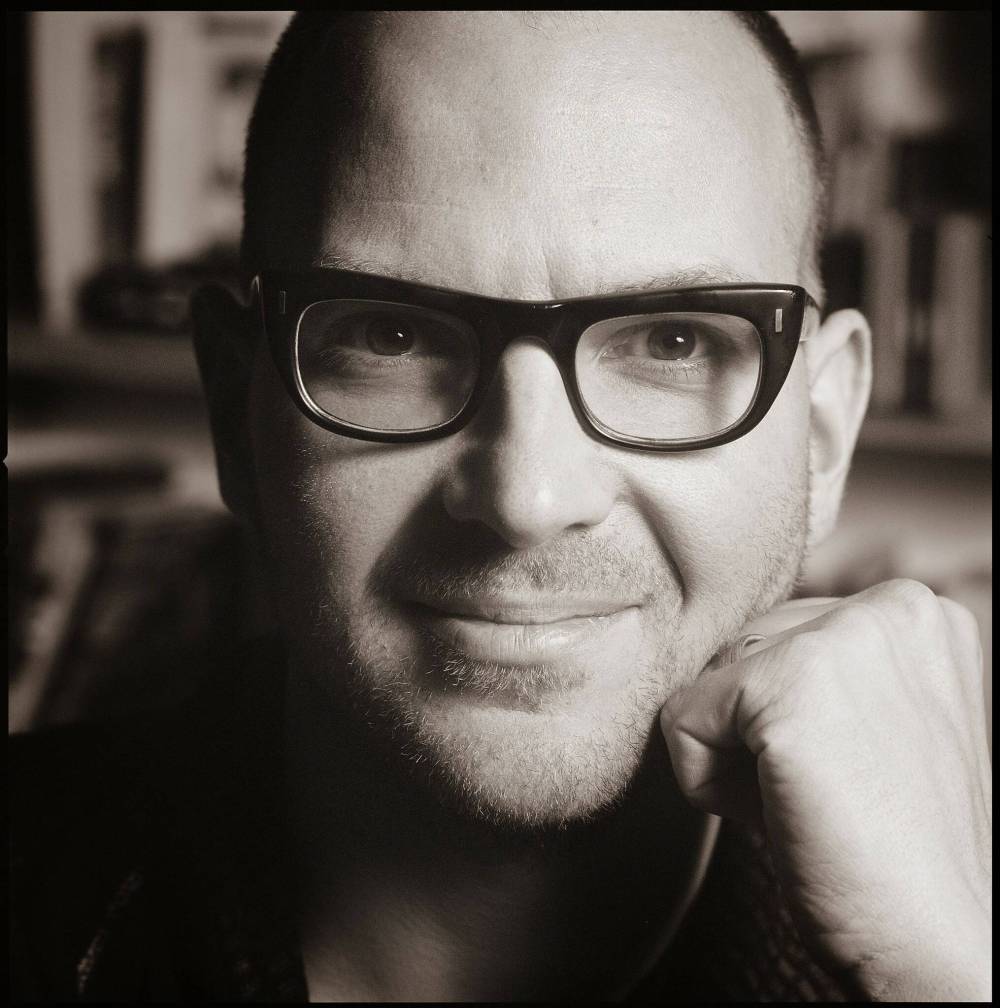
Doctorow introduces the idea of “centaurs” and “reverse centaurs” to expose power relationships between people and AI. In automation theory, a centaur is a person who is helped by a machine. A reverse centaur is a person who is forced to help a machine. The difference, Doctorow argues, is whether the person gets to choose when, where and how to use the tool.
He wants readers to stop being dazzled by AI and start asking who uses it, from it and gets used by it.
Doctorow knows this territory. Born in Toronto, he is a bestselling science fiction writer, journalist and activist whose books span fiction, tech policy and essays.
Doctorow covers a lot of ground in this slim volume, including labour, copyright, AI art and investment bubbles. But the heart of the book is simple. He argues that bosses, investors and even workers are being pulled into the same sales pitch: that AI will inevitably replace people, save money and keep tech companies growing. The danger is that workers can lose real jobs on a false promise before that story falls apart.
The AI bubble matters because Doctorow thinks it explains why AI is being stuffed into everything. Tech companies need Wall Street to believe they are still growing, so a useful tool is not enough. The dream being sold is bigger: AI that replaces workers, cuts wages and keeps the growth story alive.
Doctorow also doesn’t buy the AI superintelligence story; he sees that panic as another distraction from the damage AI is already doing in workplaces, markets and public systems.
The Reverse Centaur’s Guide to Life After AI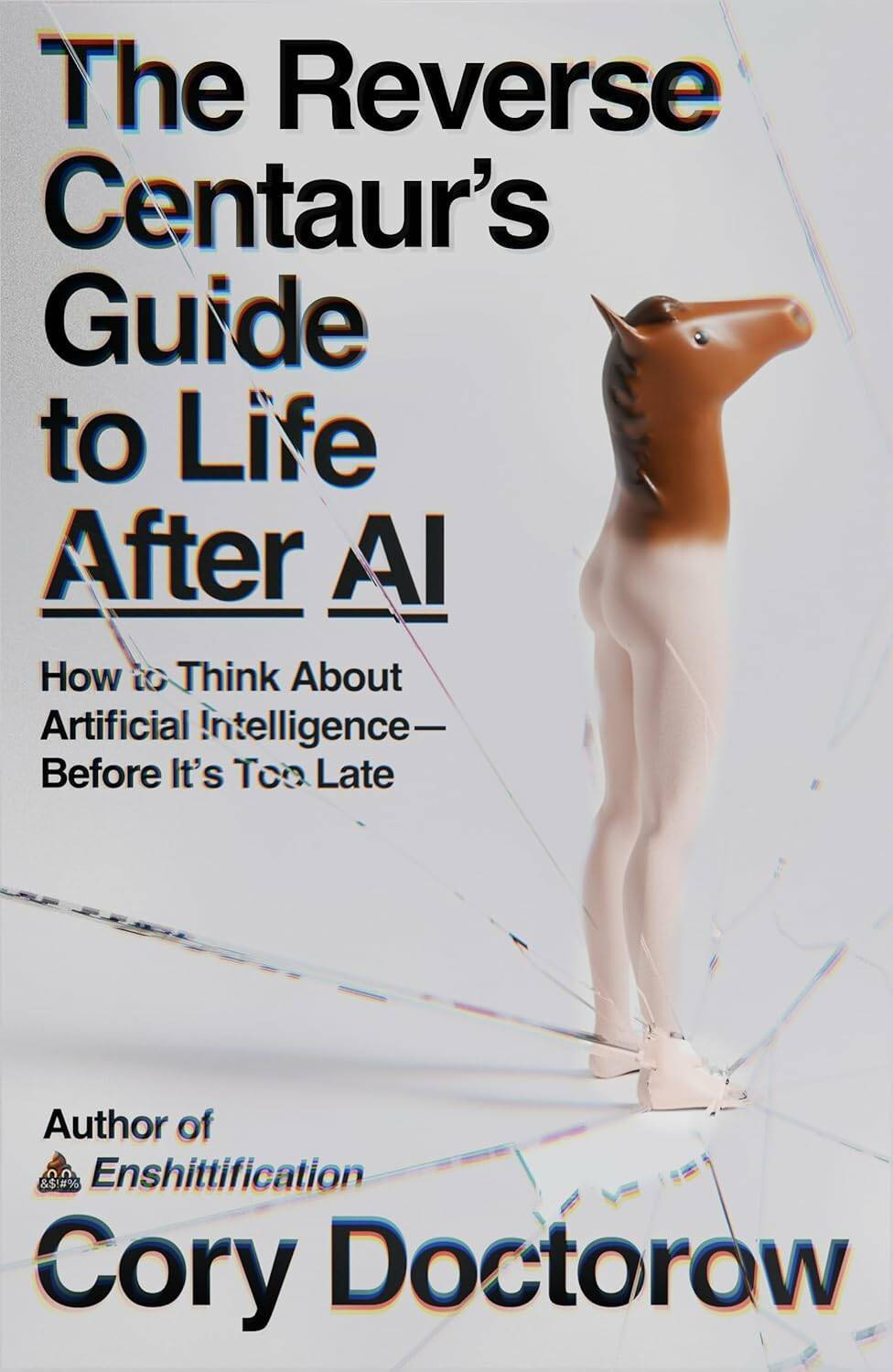
That’s where Doctorow wants readers to look instead: at the human cost of the AI bubble. He points to radiologists, programmers and other workers asked to check machine output at machine speed. Companies call that “human in the loop.” Doctorow sees a trap: automation blindness sets in, real control disappears and the human becomes the “accountability sink” — the person left holding the bag when the system fails.
Doctorow wants the AI bubble to burst before it does more damage. Still, he is clear the collapse will leave a mess: empty data centres, environmental costs and economic wreckage. His “life after AI” isn’t a world with no AI, however — it’s a world after the sales pitch, where these tools are judged by what they actually do for people, not by what tech companies promise they might someday become.
As a lawyer whose work focuses on AI in a large organization, I don’t share all of Doctorow’s bleakness. I have seen AI save time and improve work.
But I recommend The Reverse Centaur’s Guide because, even where I resist Doctorow’s conclusions, he gives readers a useful test: does AI give people more control, or less?
If AI has a decent future, it will be because people govern it carefully enough to create more centaurs — and fewer reverse centaurs.
Brandi Field is a Winnipeg lawyer who may need to find a new area of focus.
Cory Doctorow will launch The Reverse Centaur’s Guide to Life After AI on Friday, Oct. 9 at 7 p.m. at McNally Robinson Booksellers’ Grant Park location.