

The Associated Press says it will still refer to Lake Ontario, not Lake America
Advertisement
Read this article for free:
or
Already have an account? Log in here »
To continue reading, please subscribe:

Digital Subscription
One year of digital access for only $205*
- Enjoy unlimited reading on winnipegfreepress.com
- Read the E-Edition, our digital replica newspaper
- Access News Break, our award-winning app
- Play interactive puzzles
*First annual payment billed as $205.00 + GST for one year. This annual subscription will automatically renew at $233.00 + GST every 52 weeks (10% off the regular annual price of $259.35). Offer available to new and qualified returning subscribers only. Cancel any time.
To continue reading, please subscribe:
Add Free Press access to your Brandon Sun subscription for only an additional
$1 for the first 4 weeks*
- Enjoy unlimited reading on winnipegfreepress.com
- Read the E-Edition, our digital replica newspaper
- Access News Break, our award-winning app
- Play interactive puzzles
*Your next Brandon Sun subscription payment will increase by $1.00 and you will be charged $17.95 plus GST for four weeks. After four weeks, your payment will increase to $24.95 plus GST every four weeks.
Read unlimited articles for free today:
or
Already have an account? Log in here »
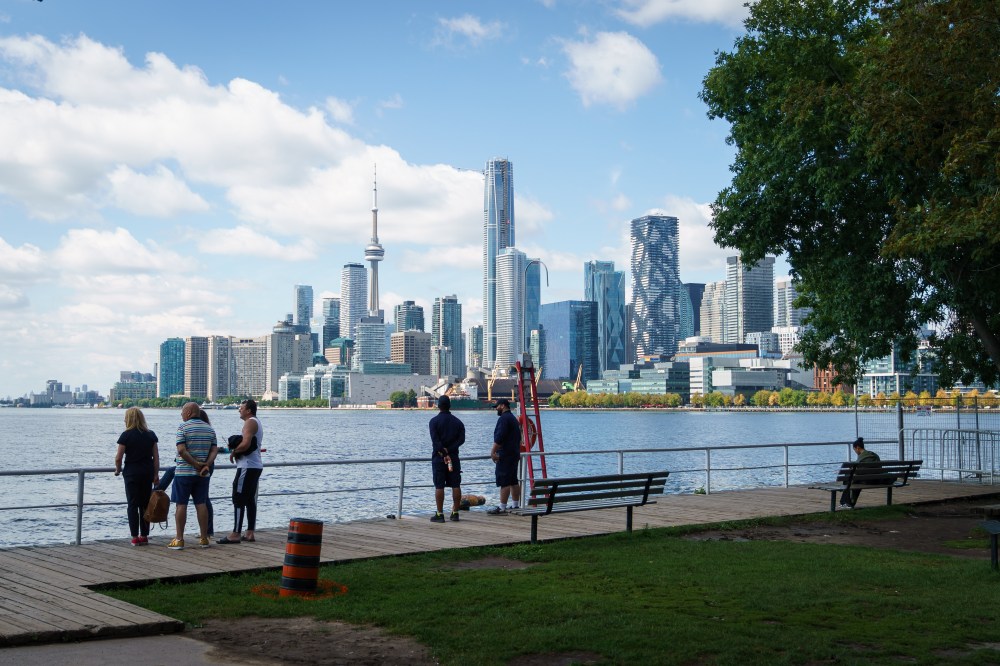
The Associated Press says it will continue to refer to Lake Ontario by its original name, and not Lake America.
It says that as a global news agency, it must ensure place names are easily recognizable to broad audiences, noting Canada has said it will not be following the name change decreed by U.S. President Donald Trump in an executive order.
The guidance note says staff should refer to the body of water as Lake Ontario, acknowledging and explaining the name Trump has chosen if it’s relevant to a story.
It says no single body determines the names of international bodies of water, although Trump has “wide latitude over how the U.S. government recognizes geographic places and landmarks.”
The note lists other places whose names Trump has sought to change by executive order, including North America’s tallest peak, which he reverted to Mount McKinley from Denali, and the Gulf of Mexico, which Trump said should be called the Gulf of America.
The agency says it now refers to Mount McKinley because it lies solely in the United States and Trump has authority to change federal geographical names, while it continues to refer to the Gulf of Mexico, which forms a shared border between Mexico and the United States.
The agency’s guidance acknowledges the long history of Lake Ontario’s name.
“Lake Ontario has carried that name for more than 400 years. The word ‘Ontario’ is derived from the northern Iroquoian language family,” it says, adding that the province of Ontario took its name from the lake.
This report by The Canadian Press was first published Sept. 8, 2026.