

South Africa and Mozambique honor Samora Machel, 40 years after his death in a plane crash
Advertisement
Read this article for free:
or
Already have an account? Log in here »
To continue reading, please subscribe:
Digital Subscription
One year of digital access for only $1.44 a week*
- Enjoy unlimited reading on winnipegfreepress.com
- Read the E-Edition, our digital replica newspaper
- Access News Break, our award-winning app
- Play interactive puzzles
*Billed as $5.77 plus GST every four weeks. After 52 weeks, price increases to the regular rate of $19.95 plus GST every four weeks. Offer available to new and qualified returning subscribers only. Cancel any time.
To continue reading, please subscribe:
Add Free Press access to your Brandon Sun subscription for only an additional
$1 for the first 4 weeks*
- Enjoy unlimited reading on winnipegfreepress.com
- Read the E-Edition, our digital replica newspaper
- Access News Break, our award-winning app
- Play interactive puzzles
*Your next Brandon Sun subscription payment will increase by $1.00 and you will be charged $17.95 plus GST for four weeks. After four weeks, your payment will increase to $24.95 plus GST every four weeks.
Read unlimited articles for free today:
or
Already have an account? Log in here »
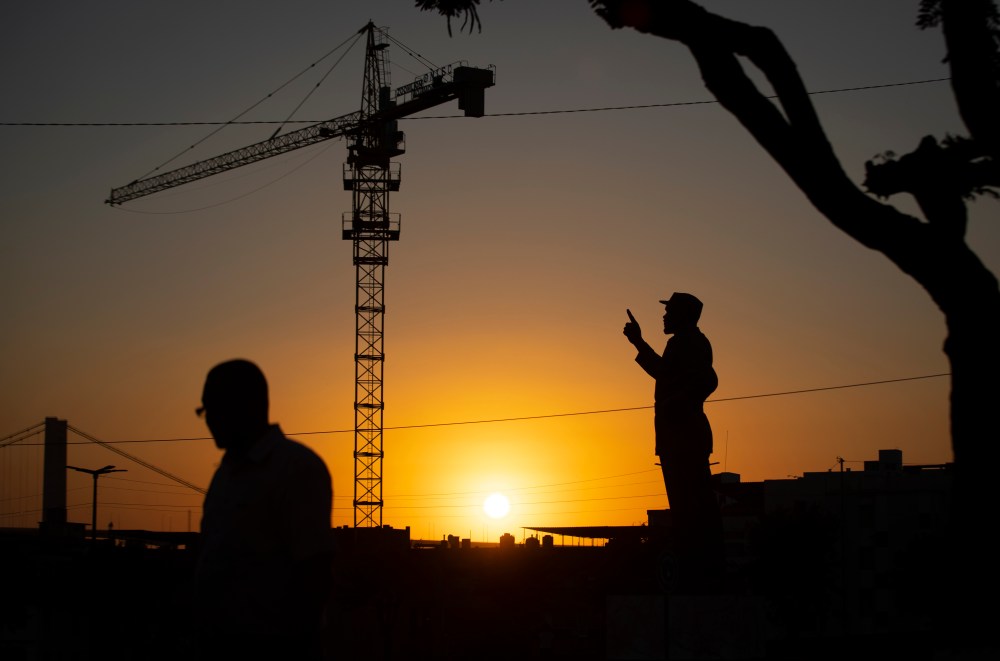
JOHANNESBURG (AP) — The late Mozambican president and freedom fighter Samora Machel was remembered Monday at a joint ceremony by South Africa and Mozambique that marked 40 years since his death in a mysterious plane crash.
The ceremony took place in Mbuzini, an area in South Africa’s Mpumalanga province near the crash site.
Machel led Mozambique from its independence from Portuguese colonial rule in 1975, until his death in 1986.
An inquiry into the cause of the plane crash that killed Machel and more than 30 other people blamed the pilots, but 40 years later, there are still questions about what really happened.
Here’s what to know about Machel and the crash that killed one of Africa’s leading political figures:
Questions still hound the plane crash
On Oct. 19, 1986, Machel was killed alongside some members of his cabinet, journalists and flight crew when their plane crashed into the Lebombo mountains in the South African area of Mbuzini near the Mozambique and Eswatini border.
They were returning from a meeting of regional leaders in Zambia.
A South Africa-led investigation blamed the pilots and ruled out any foul play. Mozambique believed the crash was planned by the then-apartheid South African government to assassinate Machel.
Officials and experts from Mozambique and the then-Soviet Union, where the aircraft was manufactured, rejected the findings of the report.
One allegation was that a false beacon had been erected to divert the aircraft off course, but this was dismissed by the inquiry.
South Africa’s post-apartheid Truth and Reconciliation Commission also examined the crash but did not make any conclusive findings, only recommending further investigations. It did, however, raise some questions about the conclusions of the 1987 inquiry, including the alleged presence of South African soldiers in the area of the crash a day before it happened.
After independence, Mozambique was plunged into civil war
Mozambique gained independence from Portuguese colonial rule in 1975, after a decadelong armed struggle by the nationalist movement FRELIMO, which had waged its liberation war mainly from bases in Tanzania.
Machel became the movement’s main leader after the 1969 death of its leading figure, Eduardo Mondlane.
Two years after independence, the country was plunged into a devastating civil war between FRELIMO and the rebel movement RENAMO, an anti-communist group backed by the white minority governments in South Africa and what was then Rhodesia. The war, which killed an estimated 1 million people, ended with a peace agreement in 1992 signed by both parties.
Machel’s slogan ‘A luta continua’ — the struggle continues — lives on
Machel saw his country’s freedom as incomplete while there was still white minority rule in other nations in southern Africa.
“He fought hand in hand with those who were fighting against apartheid, even when that solidarity was very expensive to the Mozambican people,” Mozambique President Daniel Chapo said on Monday.
He added: “Mozambique paid a high price for its solidarity with the liberation of South Africa.”
Machel became synonymous with the phrase “A luta continua,” meaning “the struggle continues,” which he repeatedly chanted to support the liberation fight against apartheid South Africa and white minority rule in Rhodesia, which later became Zimbabwe.
His backing for the liberation movements made Mozambique vulnerable to raids and airstrikes by the governments of South Africa and Rhodesia as they pursued to attack their opponents who found refuge in Mozambique.
Machel’s government was backed by the former Soviet Union and Cuba, and its Marxist-Leninist posture transformed its clashes with RENAMO into a Cold War proxy conflict.
___
This story has been updated to correct the date of the plane crash to Oct. 19, 1986.
___
AP Africa news: https://apnews.com/hub/africa