New music
Reviews of this week’s CD releases
Advertisement
Read this article for free:
or
Already have an account? Log in here »
To continue reading, please subscribe:

Digital Subscription
One year of digital access for only $205*
- Enjoy unlimited reading on winnipegfreepress.com
- Read the E-Edition, our digital replica newspaper
- Access News Break, our award-winning app
- Play interactive puzzles
*First annual payment billed as $205.00 + GST for one year. This annual subscription will automatically renew at $233.00 + GST every 52 weeks (10% off the regular annual price of $259.35). Offer available to new and qualified returning subscribers only. Cancel any time.
To continue reading, please subscribe:
Add Free Press access to your Brandon Sun subscription for only an additional
$1 for the first 4 weeks*
- Enjoy unlimited reading on winnipegfreepress.com
- Read the E-Edition, our digital replica newspaper
- Access News Break, our award-winning app
- Play interactive puzzles
*Your next Brandon Sun subscription payment will increase by $1.00 and you will be charged $17.95 plus GST for four weeks. After four weeks, your payment will increase to $24.95 plus GST every four weeks.
Read unlimited articles for free today:
or
Already have an account? Log in here »
Hey there, time traveller!
This article was published 27/10/2022 (1422 days ago), so information in it may no longer be current.
POP/ROCK
Tegan and Sara
Crybaby (Mom + Pop Music)
As someone who remembers when then-teenagers Tegan and Sara signed to Neil Young’s Vapor Records, it’s hard to believe Calgary’s Quin twins are now 42 years old. Over the past five years or so, they’ve spent a lot of time revisiting their past, digging up and recording an album of songs from their youth (Hey, I’m Just Like You), publishing a memoir called High School and overseeing an Amazon Freevee TV series based on the book (streaming on Prime Video starting Friday).

Like the rest of us, they also spent a lot of time locked away from the world during the pandemic, and Sara became co-parent of a son born to partner Stacy Reader.
The introspection and contemplation afforded them by these experiences has clearly re-energized Tegan and Sara, as Crybaby is their best album in a decade or more. Produced by John Congleton (St. Vincent, Death Cab for Cutie, Regina Spektor), this 12-song collection brings together all the best things about the Quins — their otherworldly vocal harmonies and irresistibly catchy melodies, their knack for urgent, rhythmic vocalizing and their heart-rending lyrical honesty — and pushes them right to the front, recognizing that the best thing the twins do is sing their stories, their way.
Much of the disco-ball sheen of the duo’s Heartthrob and Love You to Death albums has also been stripped away, as this albums get to the heart of matters with a mix of new wave synths, propulsive bass-and-drum beats, indie pop guitars and the Quins’ exquisite voices.
The sisters say they wrote songs together for the first time in years for this record, and the unity of vision is apparent. Uptempo songs such as opening track I Can’t Grow Up or I’m Okay crackle with energy, while slower material such as All I Wanted, Yellow or This Ain’t Going Well are the kind of yearning, confessional songs that Tegan and Sara do so well. ★★★★1/2 out of five
STREAM THESE: I Can’t Grow Up, I’m Okay, This Ain’t Going Well
— John Kendle
POP/ROCK
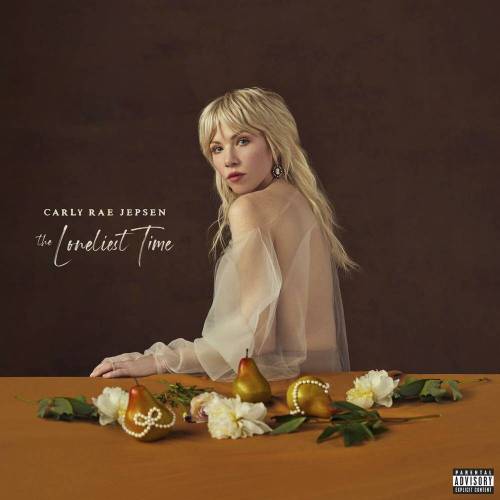
Carly Rae Jepsen
The Loneliest Time
(Interscope Records)
Dating in the 21st century might be a lonely time, but Carly Rae Jepsen has found a way to make an album around those experiences that’s as bright and hopeful as it is grounded. From the euphoric Sideways to the heartbreak of Go Find Yourself or Whatever, on her sixth studio album, The Loneliest Time, the 36-year-old makes one thing clear: It’s rough out there in the dating world.

While the themes of The Loneliest Time are timeless, there’s a specificity to the experiences that reflect the modern age. Jepsen’s first single from the album, Beach House, is the best example of this. The kitschy song mirrors the experience of endless scrolling on dating apps. After describing myriad bad dating experiences and pleading with men to not view dating as hunting season, male vocals join in with tongue-in-cheek promises that get more preposterous as they go, from “I’m probably gonna never call you” to “I’m probably gonna harvest your organs.” It’s a sure-to-be camp classic from the Canadian pop icon.
Despite what are certainly lows described on Beach House, Jepsen’s optimism on Surrender My Heart shows she hasn’t given up on love quite yet. A highlight of the album, the synth bop opener finds her embracing vulnerability.
Throughout the LP are disco and ’80s influences, heard most strongly on the title track and Far Away. The pop anthems for which Jepsen is known are not in short supply, with softer tracks like Bends and Go Find Yourself or Whatever sprinkled in between. Go Find Yourself or Whatever is endearing in its empathy, opening with an acoustic guitar and building to include an electric guitar, mandolin and sitar.
The Loneliest Time is a collection of songs that encompass the highs and lows of searching for love, a journey full of second chances, mistakes and elation. It can be lonely at times, but as she articulates on the opener, her past experiences haven’t stopped her from opening her heart: “I wanna be brave enough for everything.” ★★★★ out of five
STREAM THESE: Beach House, Surrender My Heart
— Ragan Clark, The Associated Press
JAZZ
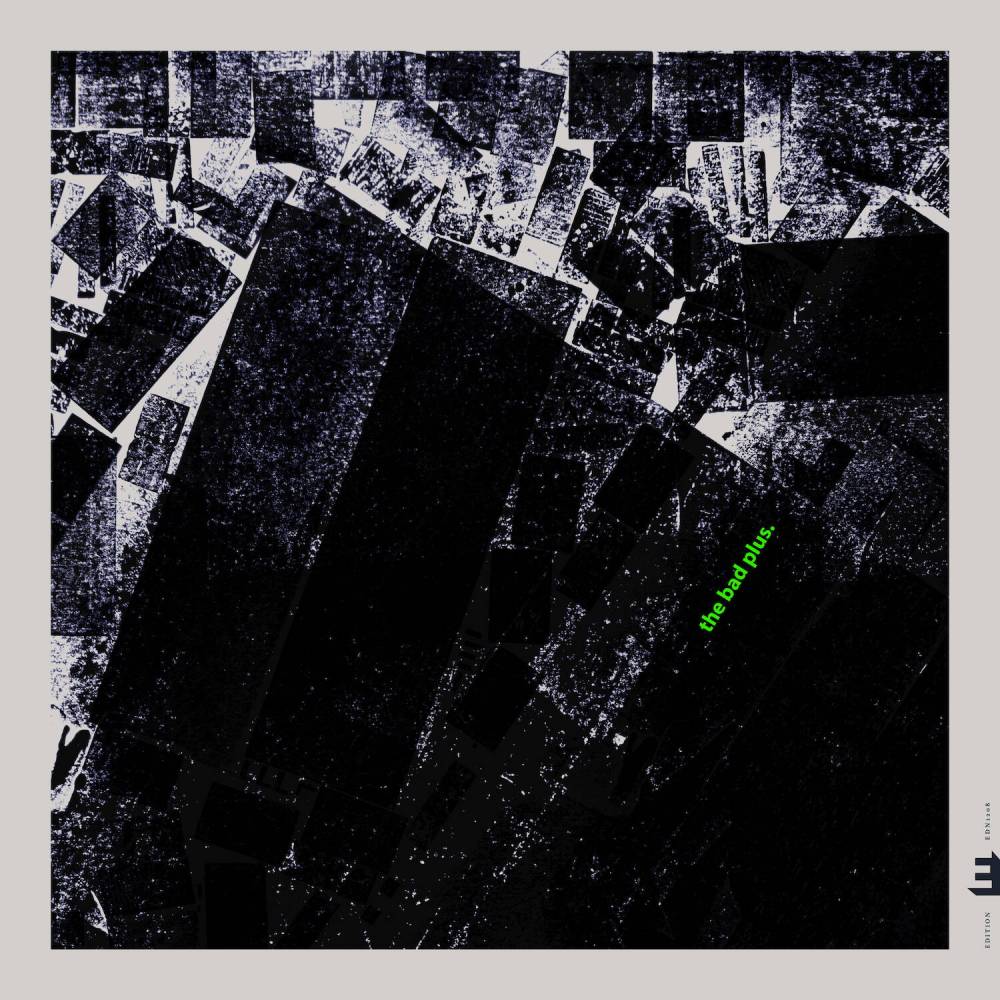
The Bad Plus
The Bad Plus
(Edition Records)
Minneapolis’s the Bad Plus began life years ago as a somewhat groundbreaking outing. Bassist Reid Anderson, drummer Dave King and pianist Ethan Iverson represented a fresh look at the traditional jazz trio, adding an egalitarian philosophy and rock influences.
They were hugely successful, and when pianist Iverson left there was the question of where (or if) things might go from there. Pianist Orrin Evans joined the trio and the pattern continued. Now Evans has left, and this album (sort of frustratingly self-titled in a way that confuses album lists), turns the trio into a quartet.
The piano-less sound here is obviously very different, with Chris Speed on tenor sax and Ben Monder on guitar joining Anderson and King.
The basic feel of solid rhythmic base, funky moments and clean writing are familiar, but sax and guitar change the groove. Surprising to me was the extent of gentle swing on the album, although not to suggest “mellow” or laid back. The harmonies and dissonances are there with Speed especially digging in throughout. Guitarist Monder is as adventurous as I have ever heard him. The album sounds as if these four were testing fully what they could accomplish in this formulation. The hard edge of Sick Fire is mitigated by the gentler You Won’t See Me Before I Come Back.
Bassist Anderson sets off the first track on his composition Motivations II, a haunting tune to introduce the new sound of the band. Stygian Pools takes a journey through a surprisingly complex melody and a subdued saxophone. Egalitarian philosophy means that King’s drumming assumes perhaps a larger role that many groups offer. Throughout the album there are moments that are pure “Bad Plus” from other iterations. This is perhaps a transition release for the band, with their restless development still alive for them. ★★★★ out of five
STREAM THESE: In the Bright Future, Sun Wall
— Keith Black
CLASSICAL
Timothy Ridout, Viola
BBC Symphony Orchestra, Martyn Brabbins
Edward Elgar: Cello Concerto in E minor Op. 85
(Harmonia Mundi)
This upcoming release features violist Timothy Ridout in an arrangement of Elgar’s iconic Cello Concerto in E minor, Op. 85, transcribed for the smaller string instrument by Lionel Tertis, and formally approved by the English compose, who led its première in 1930.
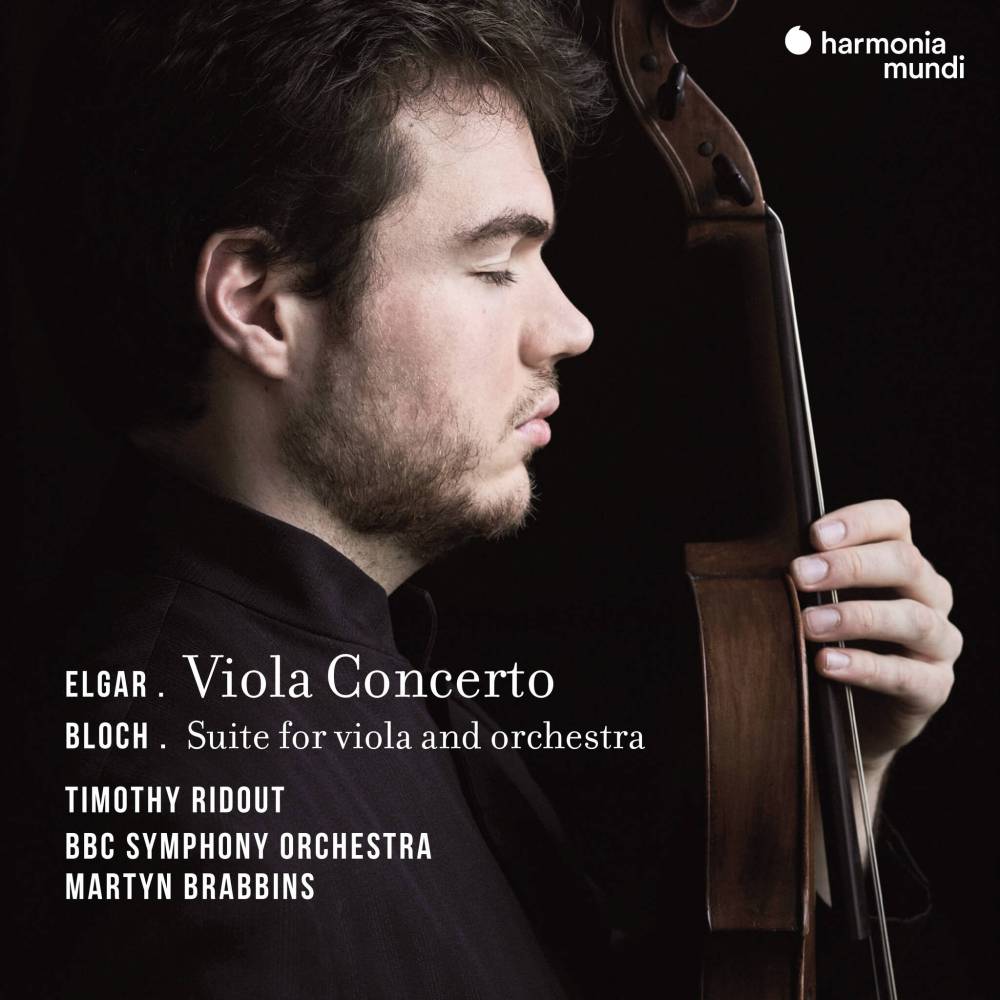
Regarded a cornerstone of the solo cello repertoire, and written in the wake of the First World War, the elegiac work translates remarkably well to the higher register of the viola, with Ridout instilling fulsome richness throughout its four movements. The BBC Symphony Orchestra led by Martyn Brabbins provides sensitive accompaniment, particularly displayed during the soulful Adagio movement as the beating heart of the work, allowing the soloist’s lyrical lines to sing. He also shines during the finale with a carefully focused tone, while skilfully navigating the treacherous technical demands of the second movement, Lento — Allegro molto, following a plaintive opening Adagio — Moderato.
Also included is Ernest Bloch’s Suite for viola and orchestra, B. 41, originally intended as a stylized evocation of the Orient, with the four-movement work becoming another vehicle for Ridout’s expression. Highlights include the highly textural second movement, Allegro ironico, with the pair of Lento movements teeming with tonal colour. The Molto vivo charges ahead as a clear, animated dialogue between soloist and orchestra, further fuelled by driving repetitive figures with only a few moments repose, leaving listeners longing for their own exotic journeys, either real or imagined. ★★★★out of five
STREAM THIS: Cello Concerto in E minor Op. 85 Adagio
— Holly Harris