A splash of Grenache
Warm-weather workhorse grape excels in red blends

Advertisement
Read this article for free:
or
Already have an account? Log in here »
To continue reading, please subscribe:

Digital Subscription
One year of digital access for only $205*
- Enjoy unlimited reading on winnipegfreepress.com
- Read the E-Edition, our digital replica newspaper
- Access News Break, our award-winning app
- Play interactive puzzles
*First annual payment billed as $205.00 + GST for one year. This annual subscription will automatically renew at $233.00 + GST every 52 weeks (10% off the regular annual price of $259.35). Offer available to new and qualified returning subscribers only. Cancel any time.
To continue reading, please subscribe:
Add Free Press access to your Brandon Sun subscription for only an additional
$1 for the first 4 weeks*
- Enjoy unlimited reading on winnipegfreepress.com
- Read the E-Edition, our digital replica newspaper
- Access News Break, our award-winning app
- Play interactive puzzles
*Your next Brandon Sun subscription payment will increase by $1.00 and you will be charged $17.95 plus GST for four weeks. After four weeks, your payment will increase to $24.95 plus GST every four weeks.
Read unlimited articles for free today:
or
Already have an account? Log in here »
Hey there, time traveller!
This article was published 29/07/2023 (1153 days ago), so information in it may no longer be current.
If there were ever a wine grape that could be considered a team player, it’s Grenache.
The fifth most widely planted red wine grape in the world (and seventh overall), Grenache might not get as much attention as Pinot Noir, Shiraz, Cabernet Sauvignon and the like, but it’s an important component in wines made in warmer corners of the world.
Like many grapes, it confusingly goes by a number of different names — in Spain it’s called Garnatcha, Garnacha Tinta or Garnatxa, and some French producers refer to it as Grenache Noir in order to differentiate it from its white-grape cousins Grenache Blanc and Grenache Gris.
The grape is thought to have first been planted for wine production in the Catalonia region of northern Spain before spreading across the Mediterranean Sea to southern France and Italy, where it’s mainly made into red wines but can also be made into flavourful rosés. In the New World, Grenache is most widely planted in Australia’s Barossa and McLaren Vale regions, with healthy pockets of the grape also found in California.
Eric Risberg / The Associated Press files Winemaker Jason Haas walks past rows of Grenache Blanc vines at Tablas Creek Vineyard in Paso Robles, Calif. 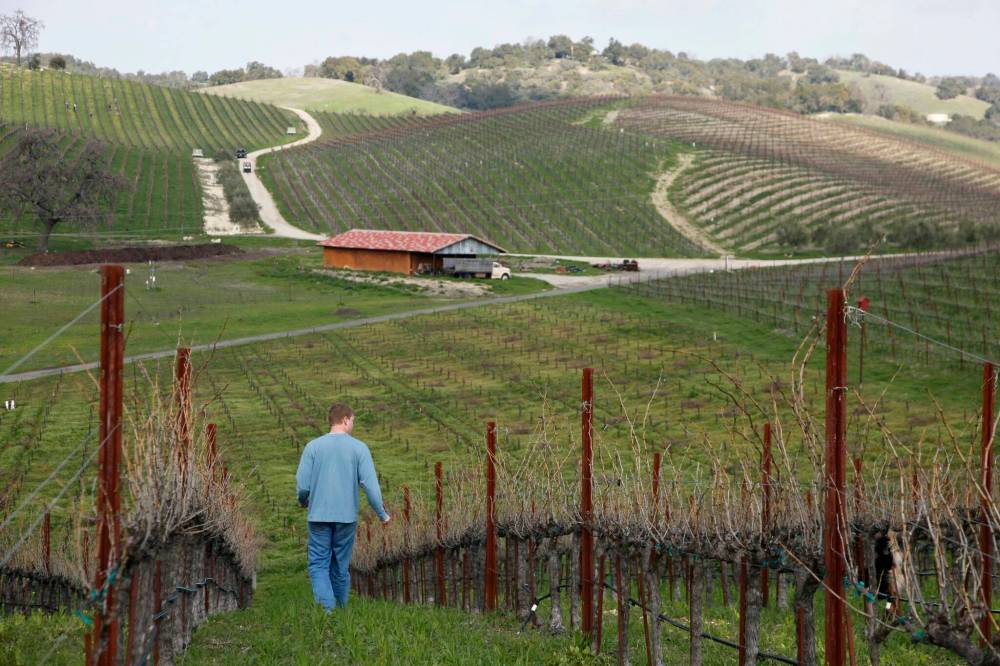
What all those areas have in common is heat — Grenache is a late-ripening grape and requires a long, hot growing season. That extended hang time on the vines results in more sugar in the grapes; in the winemaking process that sugar is converted to alcohol, meaning Grenache wines can be a little on the hot/alcoholic side. The wines made from Grenache tend to be deeply coloured, full-bodied reds brimming with gutsy, dark berry fruit flavours, grippy tannins and a warm finish.
And while reds made solely from Grenache can be a bit on the rough side, when blended with other varieties it shines. Nowhere is this more apparent than in the southern Rhône Valley, where nearly every red is some blend of Grenache and Syrah (and occasionally Mourvèdre, Carignane and other grapes). The deep, dark fruit flavours of Grenache tend to be a nice counter to the red berry and cherry flavours and meatier, peppery notes that Syrah tends to impart.
Aussie producers have come to emulate Rhône winemakers in their use of Grenache, occasionally making standalone wines from the grape but more commonly blending it with grape Syrah/Shiraz and Mourvédre (sometimes known as Mataro) to make a blend known as a GSM. Back in Spain, meanwhile, it’s often blended with Monastrell (a.k.a. Mourvèdre/Mataro — who said wine wasn’t complicated?) in creating rustic red blends.
Food-wise, Grenache and Grenache-based wines tend to do well with spicier dishes, roasted or grilled meats and sharper cheeses, although most of the Rhône Valley examples we see in our market are perfectly drinkable on their own.
As for cellaring potential, those Grenache-based wines with higher alcohol content and more ripeness can age nicely over a matter of years (particularly wines from the Châteauneuf-du-Pape region of the Rhône Valley and Aussie GSMs), but most examples can be drunk within 12-18 months of purchase.
Wines of the week
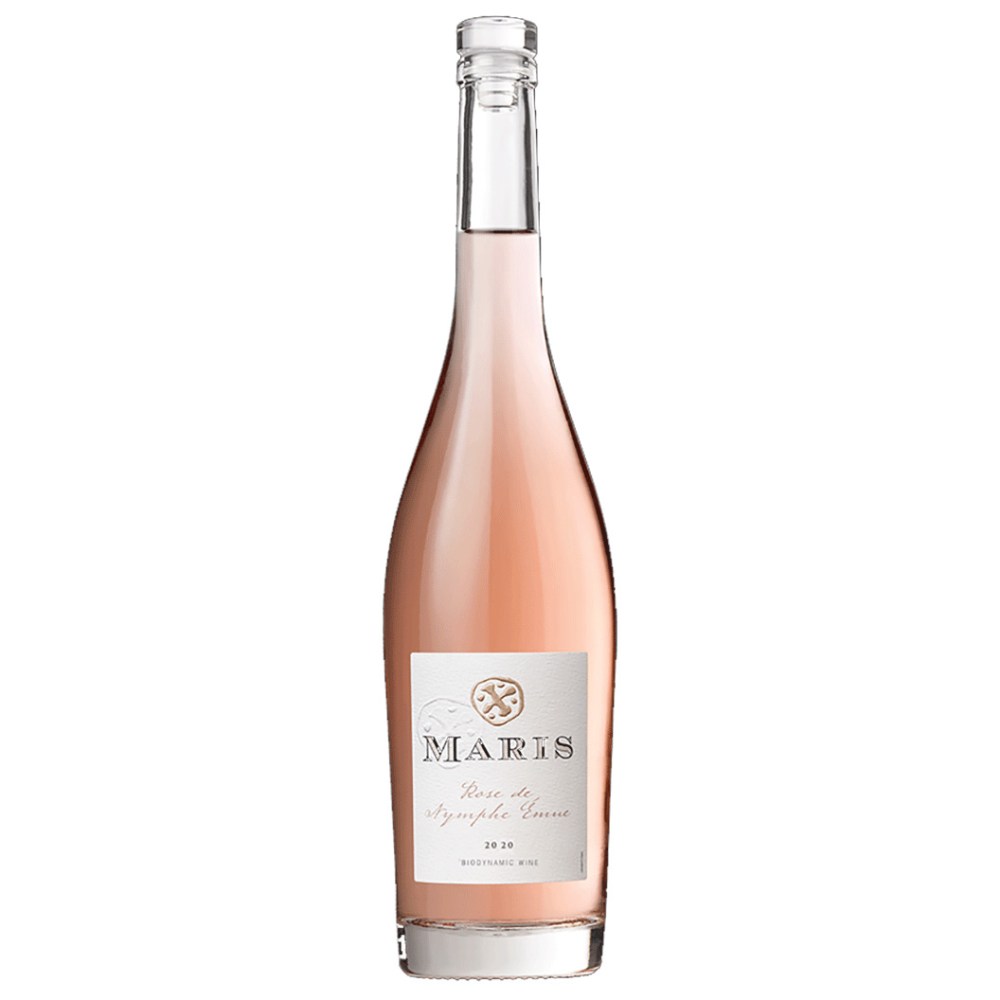
Maris 2021 Rosé de Nymphe Emue (Languedoc, France — $26.99, Liquor Marts and beyond)
This organic rosé is made from Grenache grapes grown in southern France; it’s pale pink in colour and offers delicate but captivating floral, pear, watermelon and strawberry aromas. It’s bone-dry and light-bodied, bringing fresh red berry, peach and pear flavours, some decent acidity and a long, balanced finish. This crisp, refreshing rosé, aged in concrete vats rather than stainless steel tanks or oak barrels, is a delicate but flavourful delight. 4/5
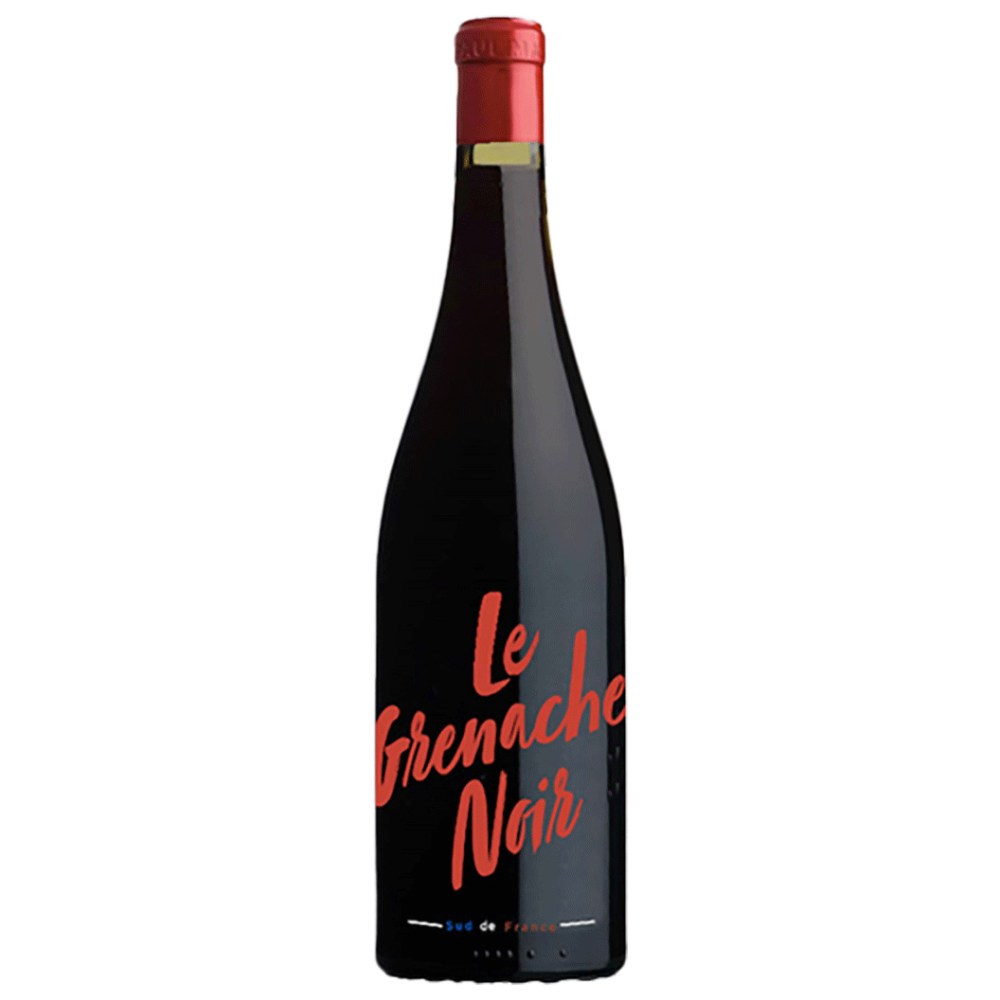
Domaine Paul Mas 2020 L’Artisan Le Grenache Noir (Pays D’Oc, France — $16.99, Liquor Marts and beyond)
Made entirely of Grenache Noir grapes grown in the southern Pays D’Oc region of France, the L’Artisan is medium purple in colour and aromatically brings fresh violet, blackberry, blueberry compote, raspberry and light earthy notes. It’s a dry but jammy and medium-plus-bodied red with lovely tangy dark fruit, shades of grape Kool-Aid, moderate acidity, just the slightest hint of spice from brief time in oak barrels and light tannins before a slightly warm finish (14 per cent alcohol). A decent value; chill for 15 minutes before enjoying with burgers or a cheese board. It’s regularly $18.99 but is on sale until the end of July. 3.5/5
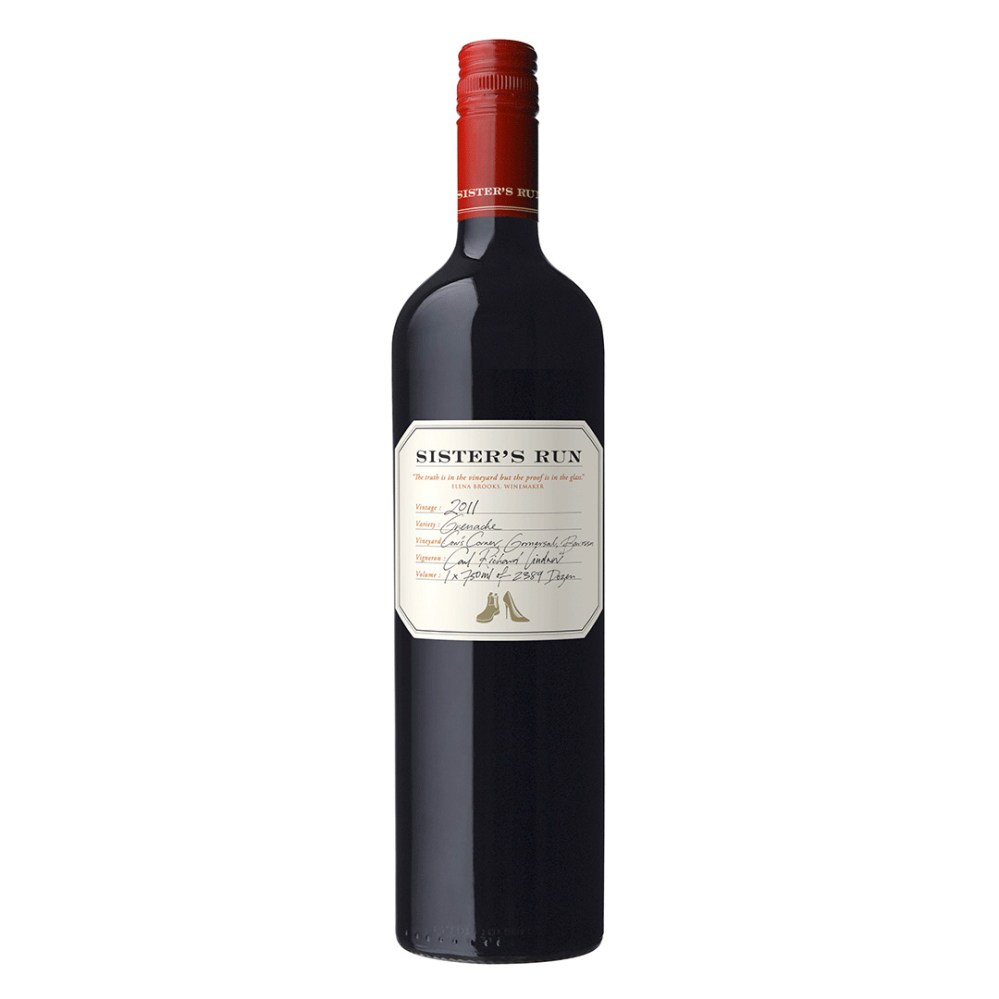
Sister’s Run 2021 Cow’s Corner Grenache Shiraz Mataro (Barossa, Australia — $17.99, Liquor Marts and beyond)
There are plenty of Grenache-Shiraz-Mataro blends made in Australia, and it’s easy to see why. This one’s an 80-15-5 blend that brings plum, herbal, iron, dark chocolate and brambly blackberry notes aromatically. It’s full-bodied and dry, with gutsy blackberry, plum, raspberry and cherry flavours, modest tannins, a touch of vanilla and spice from oak and some zip from medium acidity and a fairly warm finish (it’s 14.5 per cent alcohol). It brings juicy New World fruit with a structural hat-tip to Old World (read: Rhône) tradition. A solid value, this would work well with spicier burritos/fajitas, ribs or sharp cheeses. Let it breathe a bit and drink now. 4/5
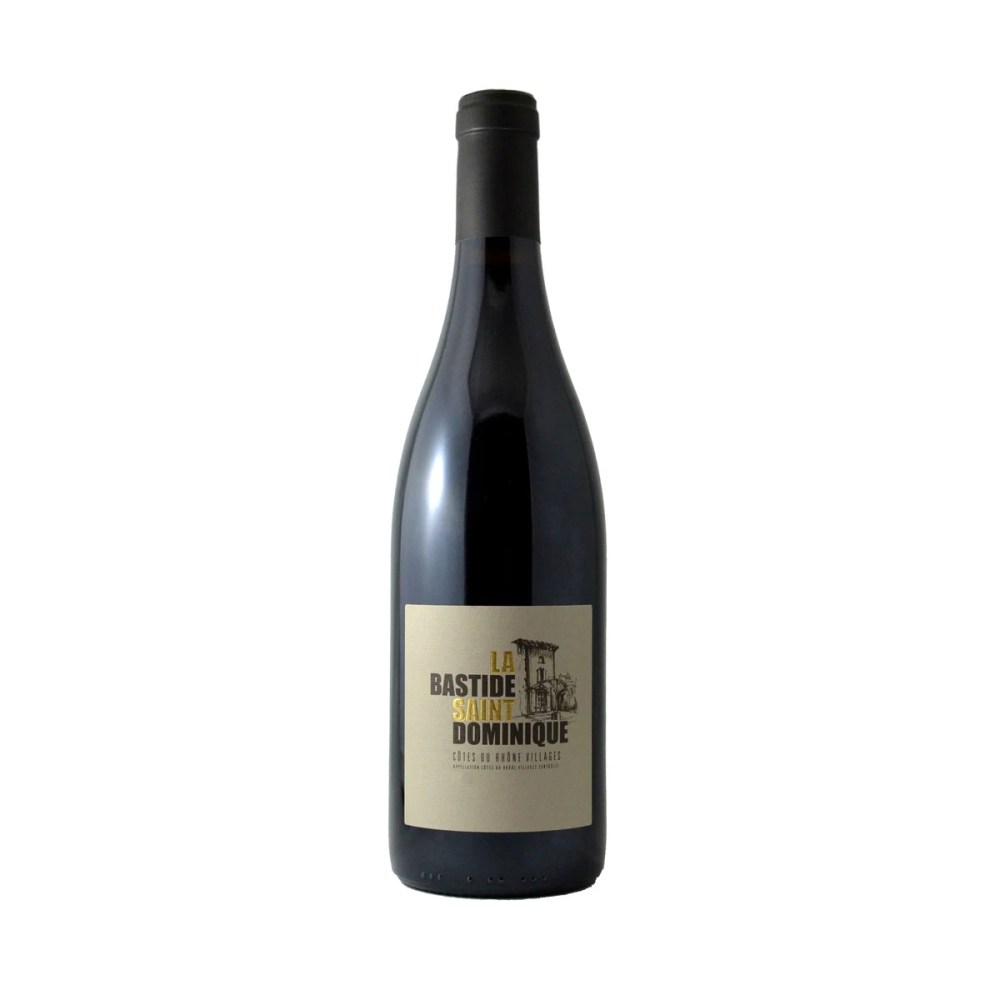
La Bastide 2020 Saint Dominique (Côtes du Rhône, France — around $30, private wine stores)
A 60-40 blend of Grenache and Syrah, this Rhône red brings plum, iron, blackberry, cherry and earthy notes on the nose. It’s a full-bodied, dry red, with dark berry and tangy cherry flavours front and centre, medium-grippy tannins and hints of cola and earth on the medium-plus length finish (it’s 14 per cent alcohol). It’s drinking well on its own now but would also work with steak, spicier stews or brisket; alternately, tuck it away and enjoy in 3-4 years. Available at Kenaston Wine Market. 4.5/5
uncorked@mts.net
@bensigurdson
Ben Sigurdson
Literary editor, drinks writer
Ben Sigurdson is the Free Press‘s literary editor and drinks writer. He graduated with a master of arts degree in English from the University of Manitoba in 2005, the same year he began writing Uncorked, the weekly Free Press drinks column. He joined the Free Press full time in 2013 as a copy editor before being appointed literary editor in 2014. Read more about Ben.
In addition to providing opinions and analysis on wine and drinks, Ben oversees a team of freelance book reviewers and produces content for the arts and life section, all of which is reviewed by the Free Press’s editing team before being posted online or published in print. It’s part of the Free Press‘s tradition, since 1872, of producing reliable independent journalism. Read more about Free Press’s history and mandate, and learn how our newsroom operates.
Our newsroom depends on a growing audience of readers to power our journalism. If you are not a paid reader, please consider becoming a subscriber.
Our newsroom depends on its audience of readers to power our journalism. Thank you for your support.
Ben Sigurdson
Literary editor, drinks writer
Ben Sigurdson is the Free Press‘s literary editor and drinks writer. He graduated with a master of arts degree in English from the University of Manitoba in 2005, the same year he began writing Uncorked, the weekly Free Press drinks column. He joined the Free Press full time in 2013 as a copy editor before being appointed literary editor in 2014. Read more about Ben.
In addition to providing opinions and analysis on wine and drinks, Ben oversees a team of freelance book reviewers and produces content for the arts and life section, all of which is reviewed by the Free Press’s editing team before being posted online or published in print. It’s part of the Free Press‘s tradition, since 1872, of producing reliable independent journalism. Read more about Free Press’s history and mandate, and learn how our newsroom operates.
Our newsroom depends on a growing audience of readers to power our journalism. If you are not a paid reader, please consider becoming a subscriber.
Our newsroom depends on its audience of readers to power our journalism. Thank you for your support.
Advertisement Advertise With Us
Advertisement Advertise With Us