A quickie or slow-building anticipation?
Every viewing habit offers its own kind of pleasure

Advertisement
Read this article for free:
or
Already have an account? Log in here »
To continue reading, please subscribe:

Digital Subscription
One year of digital access for only $205*
- Enjoy unlimited reading on winnipegfreepress.com
- Read the E-Edition, our digital replica newspaper
- Access News Break, our award-winning app
- Play interactive puzzles
*First annual payment billed as $205.00 + GST for one year. This annual subscription will automatically renew at $233.00 + GST every 52 weeks (10% off the regular annual price of $259.35). Offer available to new and qualified returning subscribers only. Cancel any time.
To continue reading, please subscribe:
Add Free Press access to your Brandon Sun subscription for only an additional
$1 for the first 4 weeks*
- Enjoy unlimited reading on winnipegfreepress.com
- Read the E-Edition, our digital replica newspaper
- Access News Break, our award-winning app
- Play interactive puzzles
*Your next Brandon Sun subscription payment will increase by $1.00 and you will be charged $17.95 plus GST for four weeks. After four weeks, your payment will increase to $24.95 plus GST every four weeks.
Read unlimited articles for free today:
or
Already have an account? Log in here »
Hey there, time traveller!
This article was published 07/06/2024 (834 days ago), so information in it may no longer be current.
I’ve lately started rewatching Mad Men, ending most of my days with the good-looking misery of Don and Betty Draper.
As I return to an era when you could smoke in elevators, I also have intense memories of watching the series in the time before widespread on-demand streaming, back when people waited seven days for a new episode, when they lived through that long lull between seasons.
Christina Hendricks (left) as Joan Harris and Jon Hamm as Don Draper in “Mad Men.” (Jordin Althaus / AMC / The Associated Press files )
Since Mad Men’s debut in 2007, I’ve changed. TV has changed. And viewing models have changed, dividing most clearly into binge-watching versus rationing.
There’s the Netflix model, in which a whole season of a show drops at once. This allows viewers to set their own watching schedules, which often means leaning into the frictionless ease of the autoplay feature.
Other platforms mete out one episode a week, which means viewers get a mandated period for considered recollection or fizzy anticipation, whether they want it or not.
Arguments about which model is better can get a little overloaded and fraught. The term “rationing” has certain connotations of prudence and frugality and sacrifice, which can make rationers feel like Britons getting through the Blitz on only two ounces of tea a week.
From this point of view, those loose and lax bingey types are incapable of delayed gratification and self-control, gobbling up content instead of savouring it, guzzling the televisual wine instead of tasting it.
Bingers, for their part, often identify as free-spirited and pleasure-loving, expressing their self-determination and independence through marathon sessions of Stranger Things or The Queen’s Gambit.
They view rationers as weak sisters whose desires are so tepid they can meekly submit to the week-by-week mode set by some corporate media overlord.
Netflix series “Stranger Things” may appeal to TV Bingers who often express their self-determination and independence through marathon sessions. (Netflix via The Associated Press)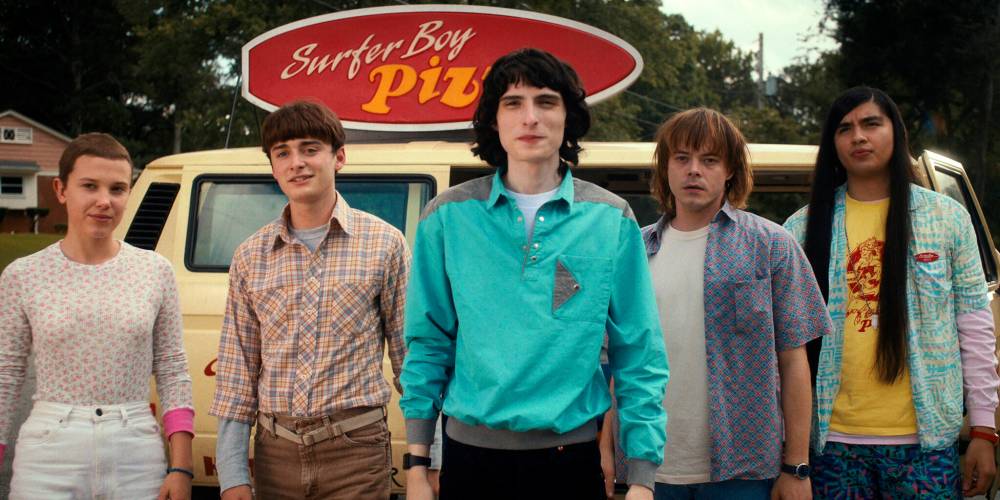
Let’s not get too personal about these opposing approaches. With so much depending on the particular qualities of different viewers and different shows, it’s probably best to go on a case-by-case basis.
Like many things in the contemporary media universe, the models are rooted partly in economics.
Netflix tends to rely on the content “dump” — admittedly not an appetizing word — because it can. As the first and still most popular streaming platform, it has enough constantly-refreshing content to keep people checking in.
Providers like Apple TV+ and Crave, who have less original content on hand, need to be a bit more seductive, and so they drop one episode at a time to lure viewers back week to week.
And certain shows benefit from the holdover aura of prestige TV, their once-a-week schedule recalling the days of “appointment viewing,” when Sunday nights were sanctified and set apart for The Sopranos or Six Feet Under.
HBO’s hit series 'The Sopranos' and its once-a-week schedule made Sunday nights “appointment viewing.” (Anthony Neste/HBO via The Associated Press)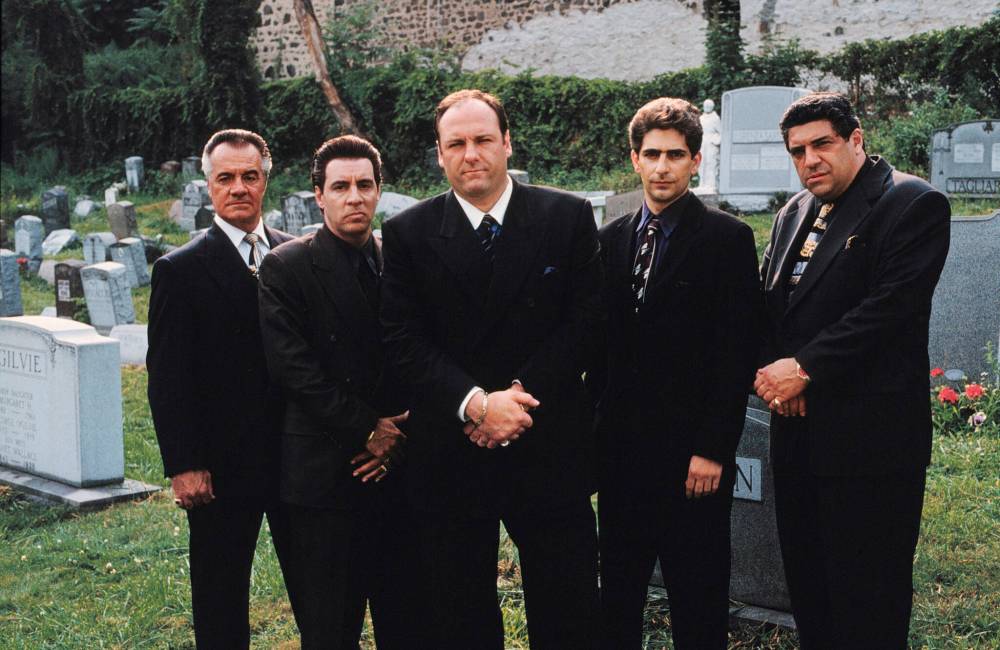
Along with these two opposing models, viewers have developed some in-between options.
American blogger Jason Kottke advocates for something he calls “stinge watching,” which is when you adore a show so much you can’t bear to think of it ending. Stinge-watchers, even when able to access an entire show at once, prefer to stretch things out. They want to stay forever in Schitt’s Creek, for instance, drinking fruit wine and wearing great sweaters.
Then there’s comfort binging, which often involves rewatching something familiar and even a bit formulaic, so that the repetition of tropes and narrative ploys becomes smoothed out and soothing. These bingers might keep Friends or The Golden Girls or Parks and Recreation on a loop, maybe even using multiple episodes as a bedtime ritual.

There are the patient bingers, those watchers who convert week-by-week content into bingeable viewing just by waiting. Crave seems to acknowledge this approach with banners on its content announcing when season finales are added.
Clearly, the platform realizes there are some consumers who will hold out — even in the face of The Last of Us media buzz — until a season is whole and complete and they can watch it as they will.
And, of course, there’s the tricky binge variant known as “Netflix cheating,” which Guardian columnist Stuart Heritage has jokingly termed “the ultimate breakdown in marital trust.” This is when a couple agrees to a set viewing schedule and then one partner sneaks off behind the other’s back because they can’t wait to discover the final fate of Walter White or what the heck’s going on in Dark.
Sometimes the choice between binging and rationing comes down to the series.
I would never want to binge Succession, for example. While I found the show mordant, cutting and intelligent, I needed at least seven days of recovery time to get over the soul-scraping experiences of the Roy family “celebrations” — the sad birthdays, the joyless vacations, the worst weddings.
Brian Cox in the hit HBO series 'Succession' which featured the soul-scraping experiences of the Roy family. (Peter Kramer/HBO) 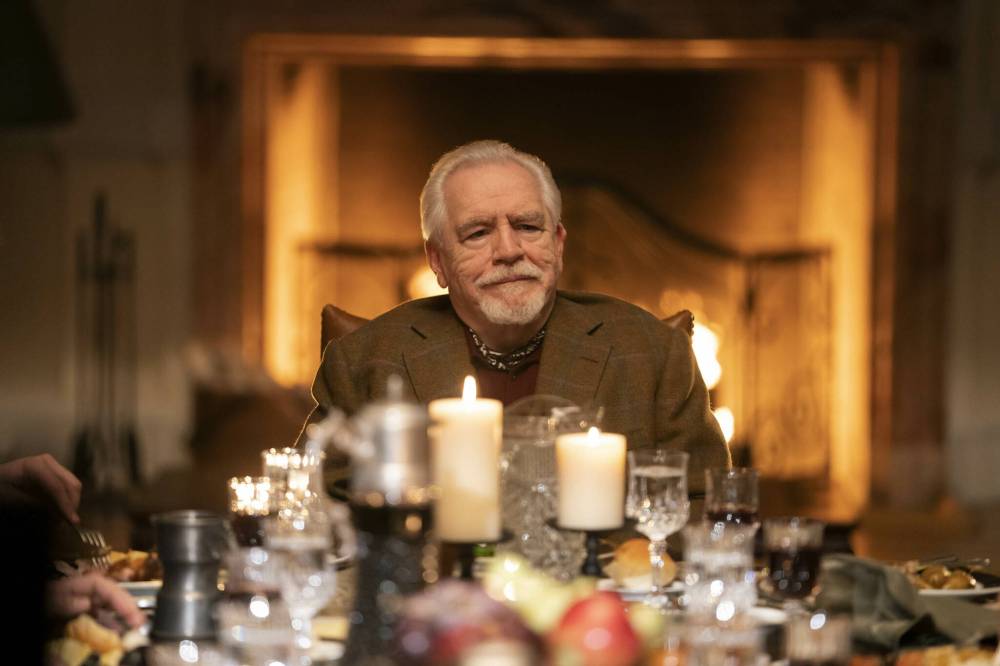
There are also shows that work best as collective experiences, with fans watching at the same fixed time so they can debrief later, diving into episode recaps, talking about twist endings and big reveals, floating theories and hashing out reactions while they wait for the next episode.
With shows like Game of Thrones or Westworld, the water-cooler chat — mostly virtual now, but still — is a crucial part of the experience.
The first time I watched Mad Men, it was an eight-year experience and a huge pop-culture phenomenon. It felt fresh and unexpected.
My current summer Mad Men project is different. It’s immersive and compressed and private and bound up with some complicated nostalgia.
But both modes have their particular pleasures, and — for me, at least — both involve gin gimlets.
alison.gillmor@freepress.mb.ca
Studying at the University of Winnipeg and later Toronto’s York University, Alison Gillmor planned to become an art historian. She ended up catching the journalism bug when she started as visual arts reviewer at the Winnipeg Free Press in 1992.
Our newsroom depends on a growing audience of readers to power our journalism. If you are not a paid reader, please consider becoming a subscriber.
Our newsroom depends on its audience of readers to power our journalism. Thank you for your support.
Studying at the University of Winnipeg and later Toronto’s York University, Alison Gillmor planned to become an art historian. She ended up catching the journalism bug when she started as visual arts reviewer at the Winnipeg Free Press in 1992.
Our newsroom depends on a growing audience of readers to power our journalism. If you are not a paid reader, please consider becoming a subscriber.
Our newsroom depends on its audience of readers to power our journalism. Thank you for your support.
Advertisement Advertise With Us
Advertisement Advertise With Us