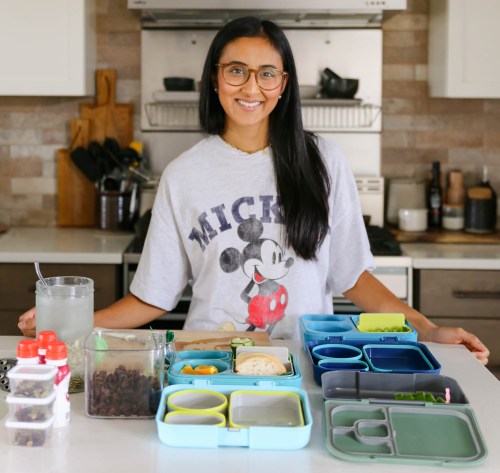
Eating inside the box
Compartmentalized bentos are the go-to for school lunches

Advertisement
Read this article for free:
or
Already have an account? Log in here »
To continue reading, please subscribe:
Digital Subscription
One year of digital access for only $1.44 a week*
- Enjoy unlimited reading on winnipegfreepress.com
- Read the E-Edition, our digital replica newspaper
- Access News Break, our award-winning app
- Play interactive puzzles
*Billed as $5.77 plus GST every four weeks. After 52 weeks, price increases to the regular rate of $19.95 plus GST every four weeks. Offer available to new and qualified returning subscribers only. Cancel any time.
To continue reading, please subscribe:
Add Free Press access to your Brandon Sun subscription for only an additional
$1 for the first 4 weeks*
- Enjoy unlimited reading on winnipegfreepress.com
- Read the E-Edition, our digital replica newspaper
- Access News Break, our award-winning app
- Play interactive puzzles
*Your next Brandon Sun subscription payment will increase by $1.00 and you will be charged $17.95 plus GST for four weeks. After four weeks, your payment will increase to $24.95 plus GST every four weeks.
Read unlimited articles for free today:
or
Already have an account? Log in here »
Hey there, time traveller!
This article was published 28/08/2024 (789 days ago), so information in it may no longer be current.
Brown bagged lunches are a thing of the past.
Once an esthetically pleasing trend piece, bento box-style lunch kits — Japanese-inspired containers with separate compartments for individual food items — have become the utilitarian star of the midday meal for many parents with school-aged kids.
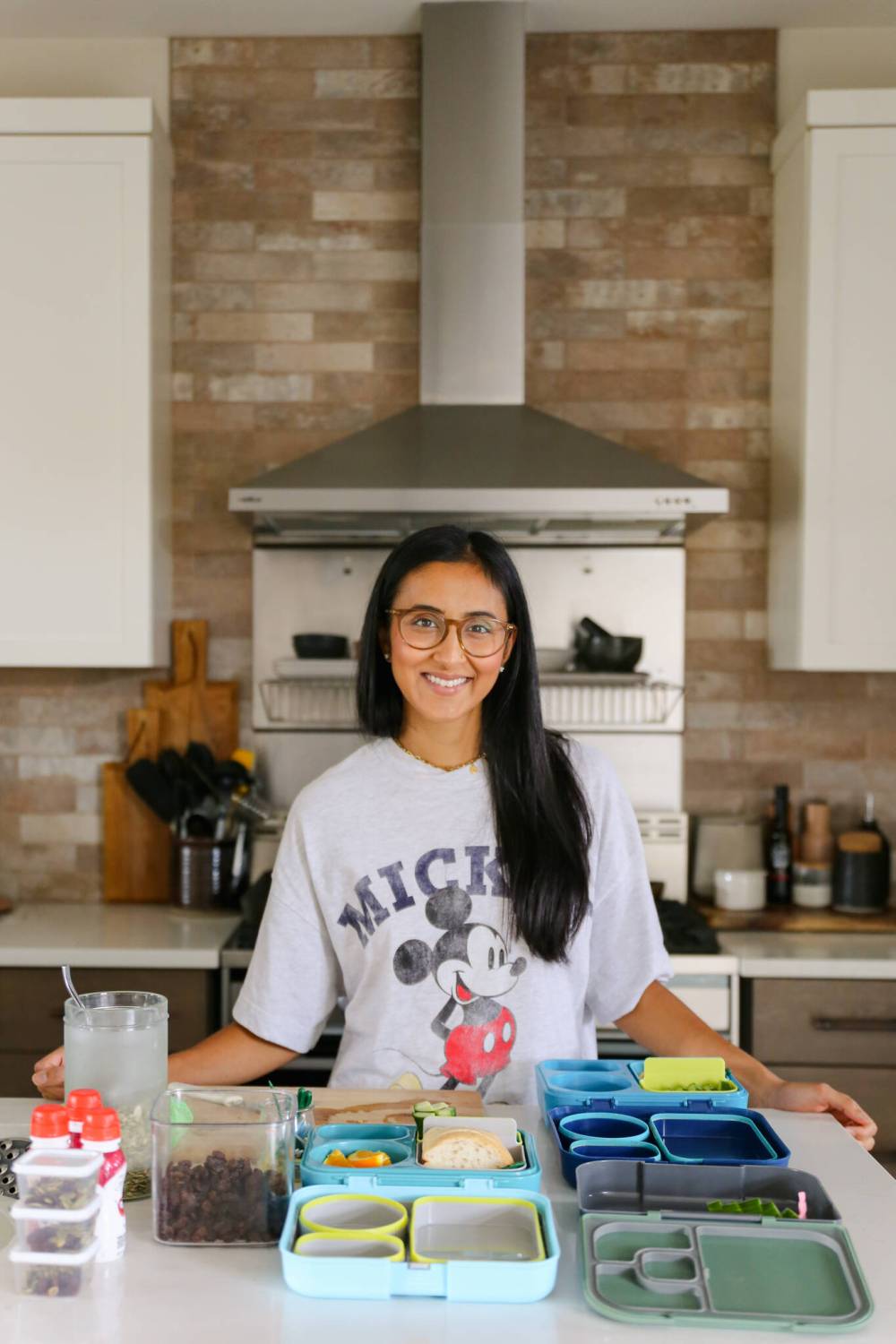
Winnipeg dietitian Nita Sharda has had plenty of experience experimenting with different kits and cases while packing lunch for her two young sons through preschool and, now, elementary school.
SUPPLIED
Nita Sharda, a Winnipeg dietitian, says size and ease of cleaning are factors when considering what sort of lunch container to buy for kids.
She’s a fan of bento boxes for their ease of use and ability to pack a variety of foods.
“It helps me think about whether I have all the components that will help my child stay adequately fuelled and nourished,” she says. “And when kids have options and they can exercise autonomy, it just makes them feel so much more invested in their lunch.”
Which lunch kit to buy is a hot topic. Sharda recently shared a review of her large collection of kids bento boxes on Instagram (@nita_sharda). The post was met with a wave of comments from other parents weighing in on the pros and cons of different brands.
It’s a conversation she often has with clients as well.
“Parents want to know what’s been working because some of these are big investments,” she says, adding some popular brands retail for nearly $50 per box.
“If you’ve got two or three kids, it can really add up.”
Some of the main concerns among parents are insulation and being leakproof, Sharda says.
“I always envision my kids nicely putting their backpacks away at school, but that thing gets swung around and turned upside down on the playground before it even goes into the classroom,” she says.
Other considerations include capacity and accessibility, since different age groups have different caloric needs and younger kids may struggle to open containers with heavy-duty clasps.
Size and ease of cleaning are also factors when trying to fit the boxes into lunch bags and unpacking them at the end of the day.
Lastly, Sharda keeps an eye out for boxes with compartments that can fit packaged foods, such as cheese strings or yogurt drinks.
Her most-used products represent each end of the price spectrum: the Yumbox Original Bento (about $45, depending on the retailer) and the Sistema To Go Bento Box (about $10).
Lunch can be a tricky meal beyond the container it’s served in.
Sharda is the co-founder of Happy Healthy Eaters, an online coaching program with workshops and recipes focused on childhood nutrition. When making lunch or other meals, she advises caregivers to focus on four main components: fat for flavour and satiety; fibre for digestion and feelings of fullness; protein for iron; and produce to round out vitamins and minerals.
“If we’re capturing those key nutrients, there’s a really good chance your child can be successful with their eating over the course of the day,” she says.
She gets her kids — aged five and seven — involved in packing lunch by asking them to make closed-ended decisions, such as picking out a snack or choosing between different kinds of fruit.
As they get older, they’ll gain more responsibility for making their own lunches.
Sharda has learned through trial and error not to include too many adventurous food options.
“I remember sending broccoli one day and he came back home and was so upset that I had done that. Make sure you’re sending enough typically accepted (or safe) food, because if children are getting lots of new or unfamiliar foods or foods they typically reject, it can create this rush of adrenaline in a child’s body and when that happens there’s no productive learning that can take place,” she says.
Even foods that are considered “safe” at home, such as certain fruits and vegetables, may become undesirable as they lose freshness or change temperature throughout the day.
The lunchroom environment — with its group dining, noise and new smells — can also add to mealtime challenges, which makes comforting, familiar foods all the more important.
While she recognizes it may not be feasible everywhere, Sharda would like to see more schools make microwaves available for students. As a South Asian parent, she hesitates sending cultural dishes knowing they might not be enjoyed when eaten cold or lukewarm.
“If I want to send dal and rice I could absolutely send it in (an insulated container) but it’s not going to taste the same,” she says.
Adding another piece of equipment also adds to the cost of packing a lunch.

“It feels like another barrier to practising and eating in a way that honours my culture and, living in Winnipeg, one of the few ways I engross my children in our culture is through food,” she says.
“There’s a missed opportunity there, I think.”
Caregivers interested in learning more about the nuances of lunch can visit happyhealthyeaters.com to download a Lunches for Littles e-guide with tips and recipes.
eva.wasney@winnipegfreepress.com
X: @evawasney
Eva Wasney covers environmental issues in Manitoba for The Narwhal in partnership with the Winnipeg Free Press. Read more about Eva.
Every piece of reporting Eva produces is reviewed by an editing team before it is posted online or published in print — part of the Free Press‘s tradition, since 1872, of producing reliable independent journalism. Read more about Free Press’s history and mandate, and learn how our newsroom operates.
Our newsroom depends on a growing audience of readers to power our journalism. If you are not a paid reader, please consider becoming a subscriber.
Our newsroom depends on its audience of readers to power our journalism. Thank you for your support.
Local rum launch
HEAD down to Patent 5 Distillery Thursday through Saturday for a celebration of the spirit maker’s local aged rum. Rum Hut Weekend will feature bartenders mixing up classic tiki cocktails — such as zombies, mai tais and hurricanes — as well as food from Winnipeg’s Rowdy Spice Co. The pop-up menu includes crab rangoon, bobotie spring rolls, Jamaican curry, Trinidadian doubles, jambalaya risotto and tropical meringues. For details, visit
Instagram @patent5distillery.
Where’s the beef?
BACK to school? More like back-to-back burgers. After several years of two-week food festivals, Le Burger Week returns to its roots with a weeklong event running Sept. 1-8. However, it seems a new local burger festival happening during the same timeframe has taken a sizable bite out of the national competition. On Tuesday, Between the Buns, a concept from the Manitoba Restaurant & Foodservice Association, had 100 participating burgers featured on its website (betweenthebunsmb.ca), compared to 52 local offerings from Le Burger Week. Keep in mind many restaurants are double dipping in the promotions and serving up the same specialty burger for each event. Visit leburgerweek.com for a full list.
A sweet read
THE twin sisters behind Winnipeg’s rising bakery empire have a new cookbook in the works. Jenna Rae Cakes at Home is the second cookbook from entrepreneurs Jenna Hutchinson and Ashley Kosowan. The book will feature colourful recipes such as birthday batter waffles, psychedelic swirl bread and blue razz thumbprint cookies. The cookbook comes out Oct. 8 and is available now for pre-order. Visit jennaraecakes.com for more info.
Local farm to table
CHEF Ben Kramer is cooking up a local dinner next month featuring ingredients grown in South Osborne. The Sustainable South Osborne Community Co-op Harvest Dinner takes place Sept. 15 at the organization’s orchard at Baltimore Road and Churchill Drive. Tickets are $105 per person at chefbenkramer.com. The event starts at 5 p.m. Arrive early for a garden tour.
— Compiled by Ben Sigurdson and Eva Wasney. For more local culinary news and to sign up for Dish, our twice-monthly food and drink newsletter, visit winnipegfreepress.com/newsletter/dish.
Eva Wasney covers environmental issues in Manitoba for The Narwhal in partnership with the Winnipeg Free Press. Read more about Eva.
Every piece of reporting Eva produces is reviewed by an editing team before it is posted online or published in print — part of the Free Press‘s tradition, since 1872, of producing reliable independent journalism. Read more about Free Press’s history and mandate, and learn how our newsroom operates.
Our newsroom depends on a growing audience of readers to power our journalism. If you are not a paid reader, please consider becoming a subscriber.
Our newsroom depends on its audience of readers to power our journalism. Thank you for your support.
Advertisement Advertise With Us
Advertisement Advertise With Us