No such thing as a bad seed
Psychologist focuses on our capacity to kill

Advertisement
Read this article for free:
or
Already have an account? Log in here »
To continue reading, please subscribe:

Digital Subscription
One year of digital access for only $205*
- Enjoy unlimited reading on winnipegfreepress.com
- Read the E-Edition, our digital replica newspaper
- Access News Break, our award-winning app
- Play interactive puzzles
*First annual payment billed as $205.00 + GST for one year. This annual subscription will automatically renew at $233.00 + GST every 52 weeks (10% off the regular annual price of $259.35). Offer available to new and qualified returning subscribers only. Cancel any time.
To continue reading, please subscribe:
Add Free Press access to your Brandon Sun subscription for only an additional
$1 for the first 4 weeks*
- Enjoy unlimited reading on winnipegfreepress.com
- Read the E-Edition, our digital replica newspaper
- Access News Break, our award-winning app
- Play interactive puzzles
*Your next Brandon Sun subscription payment will increase by $1.00 and you will be charged $17.95 plus GST for four weeks. After four weeks, your payment will increase to $24.95 plus GST every four weeks.
Read unlimited articles for free today:
or
Already have an account? Log in here »
Hey there, time traveller!
This article was published 31/10/2024 (660 days ago), so information in it may no longer be current.
Violent crimes are everywhere these days — podcasts, documentaries, books and social media.
Morbid true crime stories have become a popular form of entertainment because they raise fundamental questions about human nature, says Winnipeg-born clinical psychologist Dr. Rachel Toles.
If one person has the capacity to kill, don’t we all?
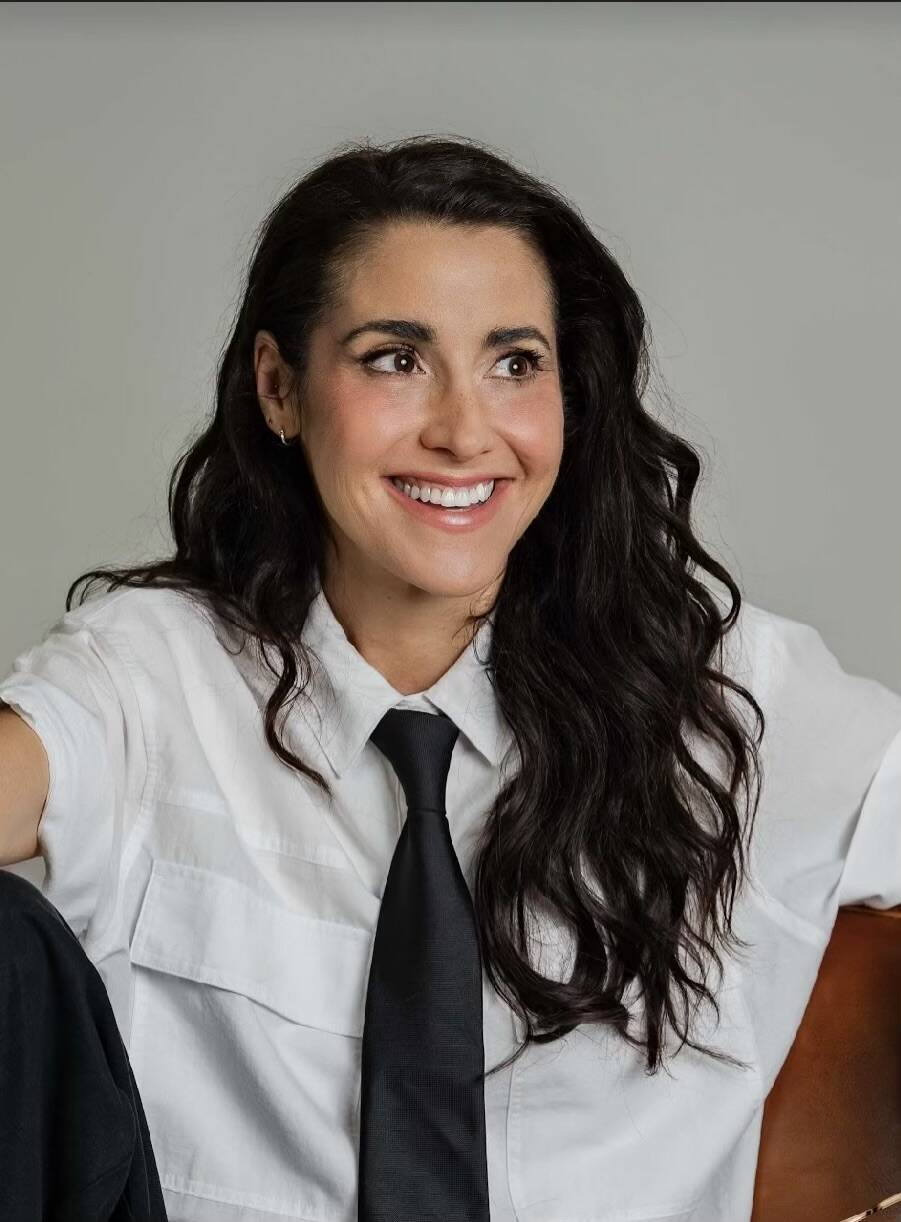
SUPPLIED
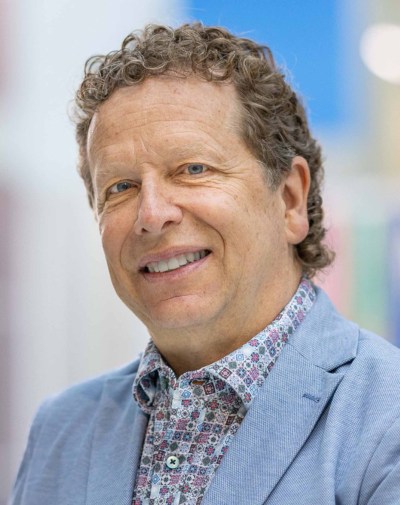
Winnipeg-born clinical psychologist Dr. Rachel Toles brings her her travelling show, The Psychology of Serial Killers, to Burton Cummings Theatre next month.
“Somewhere deep down, we know that had our circumstances been a bit different or a lot different, we might have become (a murderer) as well,” she says.
“I think we know that as humans to our core, whether we’re willing to admit it or not.”
There’s one demographic that’s particularly drawn to the genre — but for slightly different reasons.
“Women love to talk about murder because as women, we spend our lives scanning to avoid getting murdered,” she adds.
It’s just one of many oof-inducing facts Toles has included in her travelling show, The Psychology of Serial Killers, which comes to Burton Cummings Theatre next month. The 90-minute presentation offers insights into the motivations of infamous murderers gleaned through research and her clinical practice working with violent offenders.
Toles — who currently resides in South Carolina and is the daughter of local writer, actor and professor, George Toles — also notes that many true crime fans have experienced some form of trauma themselves.
“We have a fixation on solving the problem or figuring it out before it can happen again. It’s almost like, ‘If I watch enough true crime, I can get ahead of it,” she says.
She counts herself among that group.
While Toles says she “came out of the womb” with a fascination about death, an early introduction to horror and a traumatic childhood incident sparked a lifelong interest in murderers.
At five years old, she was cast in Guy Maddin’s debut film The Dead Father. After a long day working opposite an actor playing dead, Toles was leaving the set when she witnessed a young girl get hit by a car and killed.
She processed the moment by writing unsettling stories and drawing gory pictures — something her teachers found concerning and her parents saw as creative expression.
Fantasy and reality merged once again when her pre-teen obsession with fictional Halloween murderer Michael Myers found a real-life outlet during the highly publicized trial of American serial killer Jeffrey Dahmer.
“I became very fixated on A, becoming a psychologist, and B, really trying to understand how a human being becomes like this. And the more I dig, the more I realize how true it is that there is no such thing as a bad seed. I don’t believe serial killers are born, I believe they’re absolutely made,” Toles says.
It can be a surprisingly controversial perspective among audiences and old-school colleagues because it challenges the existence of evil — which is often an easier concept to accept than the preventable existence of dysfunctional family systems and failed social safety nets.
“We are judging people for the action as if that’s who they are, versus (the action) as a symptom of something else,” says Toles, who has studied with Dr. Michael Maloney, a forensic psychologist in the Menendez brothers case and has served as an expert witness in several high-profile court cases in the United States. “They’re bad, there’s nothing we can do about it.”

SUPPLIED
As a pre-teen, Dr. Coles was obsessed with fictional Halloween murderer Michael Myers.
At her show — which is part-presentation and part-Q&A session — Toles encourages attendees to embrace a healthy dose of curiosity and empathy while she dissects some of the most heinous crimes committed in modern history.
“The best shot we have of early detection, intervention and ideally prevention is developing a fundamental curiosity,” she says.
Since hitting the road with The Psychology of Serial Killers in February, Toles has presented in dozens of states and most provinces.
Subjects discussed on stage include well-known American serial killers Ted Bundy, John Wayne Gacy and others. While touring north of the border, Toles also includes content on Canadian perpetrators, such as Robert Pickton, Bruce McArthur, Paul Bernardo and Karla Homolka.
In Winnipeg, she’s prepared to field questions on recently convicted local serial killer Jeremy Skibicki.
Toles has lectured extensively in academic settings and has amassed tens of thousands of followers by sharing her expertise in criminal psychology on social media.

While awareness and prevention are her overarching goals when speaking publicly about serial killers, Toles’ live shows are a chance for true crime lovers to celebrate their morbid curiosity in the company of like minded individuals.
“There’s a lot of laughter at these shows, believe it or not,” she says. “There’s going to be a whole bunch of people that feel like they’re weirdos.”
Toles is currently working on new live show, set to launch in March.
eva.wasney@winnipegfreepress.com
X: @evawasney
If you value coverage of Manitoba’s arts scene, help us do more.
Your contribution of $10, $25 or more will allow the Free Press to deepen our reporting on theatre, dance, music and galleries while also ensuring the broadest possible audience can access our arts journalism.
BECOME AN ARTS JOURNALISM SUPPORTER
Click here to learn more about the project.
Eva Wasney has been a reporter with the Free Press Arts & Life department since 2019. Read more about Eva.
Every piece of reporting Eva produces is reviewed by an editing team before it is posted online or published in print — part of the Free Press‘s tradition, since 1872, of producing reliable independent journalism. Read more about Free Press’s history and mandate, and learn how our newsroom operates.
Our newsroom depends on a growing audience of readers to power our journalism. If you are not a paid reader, please consider becoming a subscriber.
Our newsroom depends on its audience of readers to power our journalism. Thank you for your support.
Event Preview
The Psychology of Serial Killers
Tuesday, Nov. 12; 8 p.m.
Burton Cummings Theatre
Tickets $36.50 at Ticketmaster
If you value coverage of Manitoba’s arts scene, help us do more.
Your contribution of $10, $25 or more will allow the Free Press to deepen our reporting on theatre, dance, music and galleries while also ensuring the broadest possible audience can access our arts journalism.
BECOME AN ARTS JOURNALISM SUPPORTER
Click here to learn more about the project.
Eva Wasney has been a reporter with the Free Press Arts & Life department since 2019. Read more about Eva.
Every piece of reporting Eva produces is reviewed by an editing team before it is posted online or published in print — part of the Free Press‘s tradition, since 1872, of producing reliable independent journalism. Read more about Free Press’s history and mandate, and learn how our newsroom operates.
Our newsroom depends on a growing audience of readers to power our journalism. If you are not a paid reader, please consider becoming a subscriber.
Our newsroom depends on its audience of readers to power our journalism. Thank you for your support.
Advertisement Advertise With Us
Advertisement Advertise With Us