Delta blues Museum diorama detailing marshland, rye farm decommissioned owing to pest infestation
Read this article for free:
or
Already have an account? Log in here »
To continue reading, please subscribe:

Digital Subscription
One year of digital access for only $205*
- Enjoy unlimited reading on winnipegfreepress.com
- Read the E-Edition, our digital replica newspaper
- Access News Break, our award-winning app
- Play interactive puzzles
*First annual payment billed as $205.00 + GST for one year. This annual subscription will automatically renew at $233.00 + GST every 52 weeks (10% off the regular annual price of $259.35). Offer available to new and qualified returning subscribers only. Cancel any time.
To continue reading, please subscribe:
Add Free Press access to your Brandon Sun subscription for only an additional
$1 for the first 4 weeks*
- Enjoy unlimited reading on winnipegfreepress.com
- Read the E-Edition, our digital replica newspaper
- Access News Break, our award-winning app
- Play interactive puzzles
*Your next Brandon Sun subscription payment will increase by $1.00 and you will be charged $17.95 plus GST for four weeks. After four weeks, your payment will increase to $24.95 plus GST every four weeks.
Read unlimited articles for free today:
or
Already have an account? Log in here »
What was designed as a triumph of taxidermy has instead become a buffet for pests.
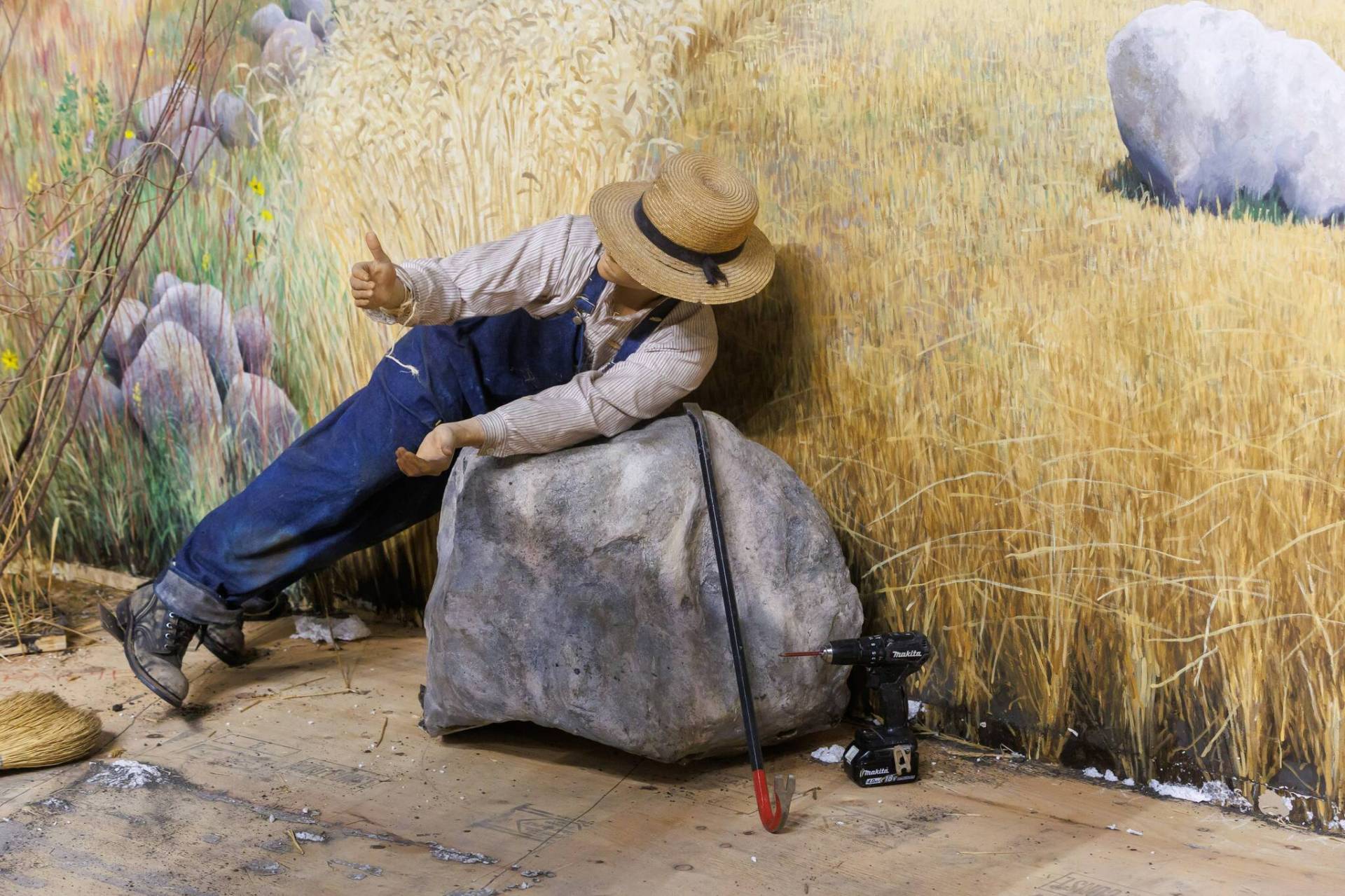
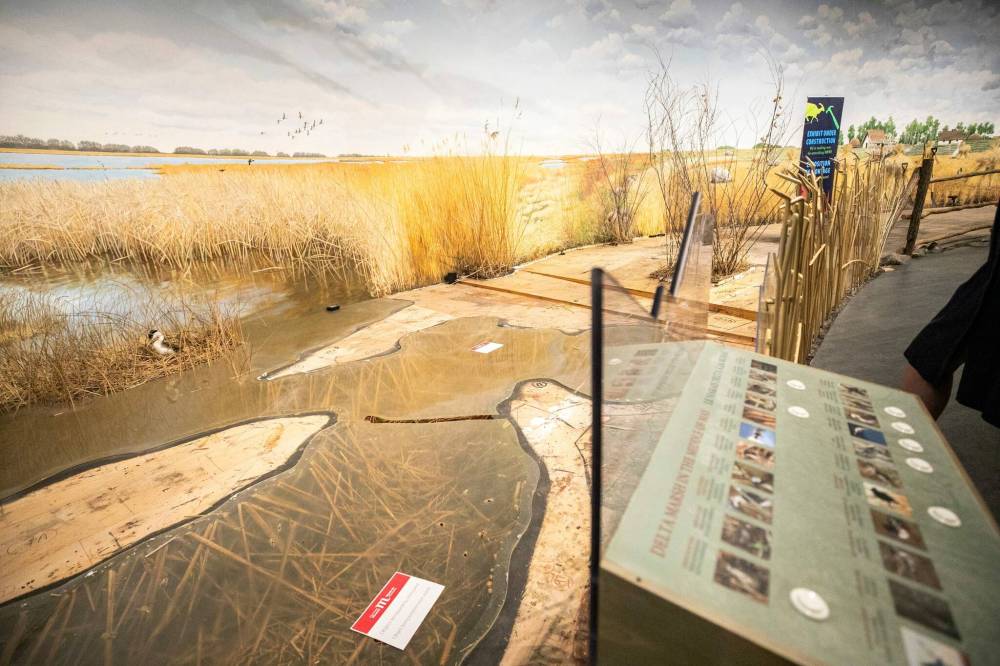
Manitoba Museum has been forced to decommission the Delta Marsh and Rye Farm two-part diorama in the Parklands Gallery after discovering the extent of the devastation wrought by mice, clothes moths and beetle larvae. The open-air exhibition, completed in 2003, represents the province’s most important wetlands and the challenges faced by early farmers, including Ukrainian immigrants in the 1920s.
“Pests are a major issue,” says Amelia Fay, the museum’s director of research, collections and exhibitions. “All museums have pests and use discreet pest-management systems, but this specific diorama was particularly vulnerable because of how authentically it was constructed, using real plant materials and organic elements that various types of critters like to consume.”
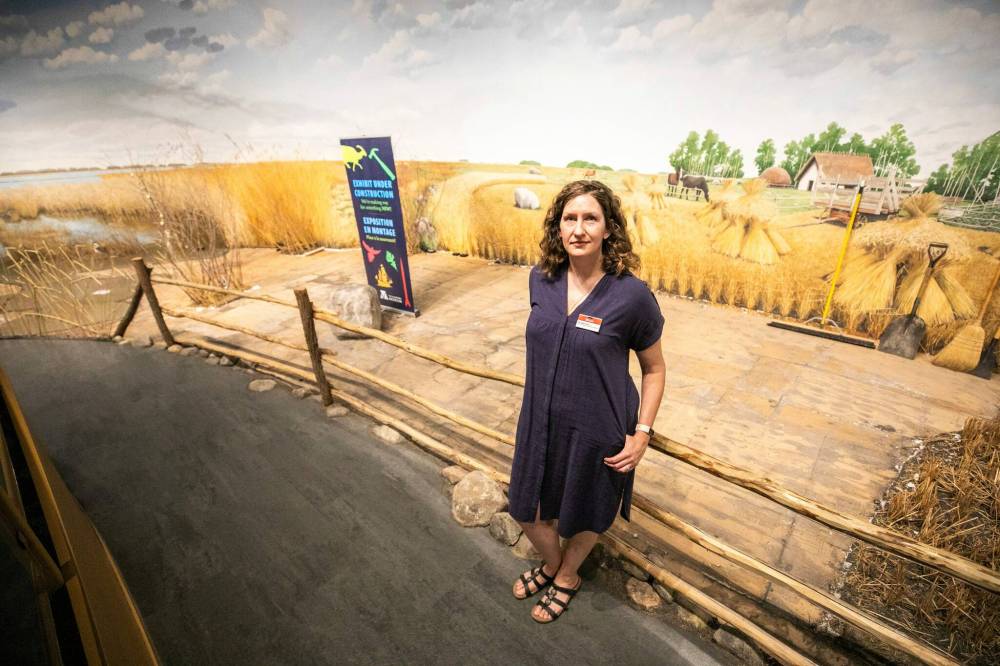
MIKAELA MACKENZIE / FREE PRESS
Amelia Fay, the Manitoba Museum's director of research, collections and exhibitions, says diorama exhibitions will become a thing of the past.
Pests can enter the museum when the doors open; clothes moths drift in with foot traffic, mice can get in through tiny gaps and dermestid beetles can hitch a ride with visitors or via tiny cracks, laying eggs in areas close to food sources for future larvae.
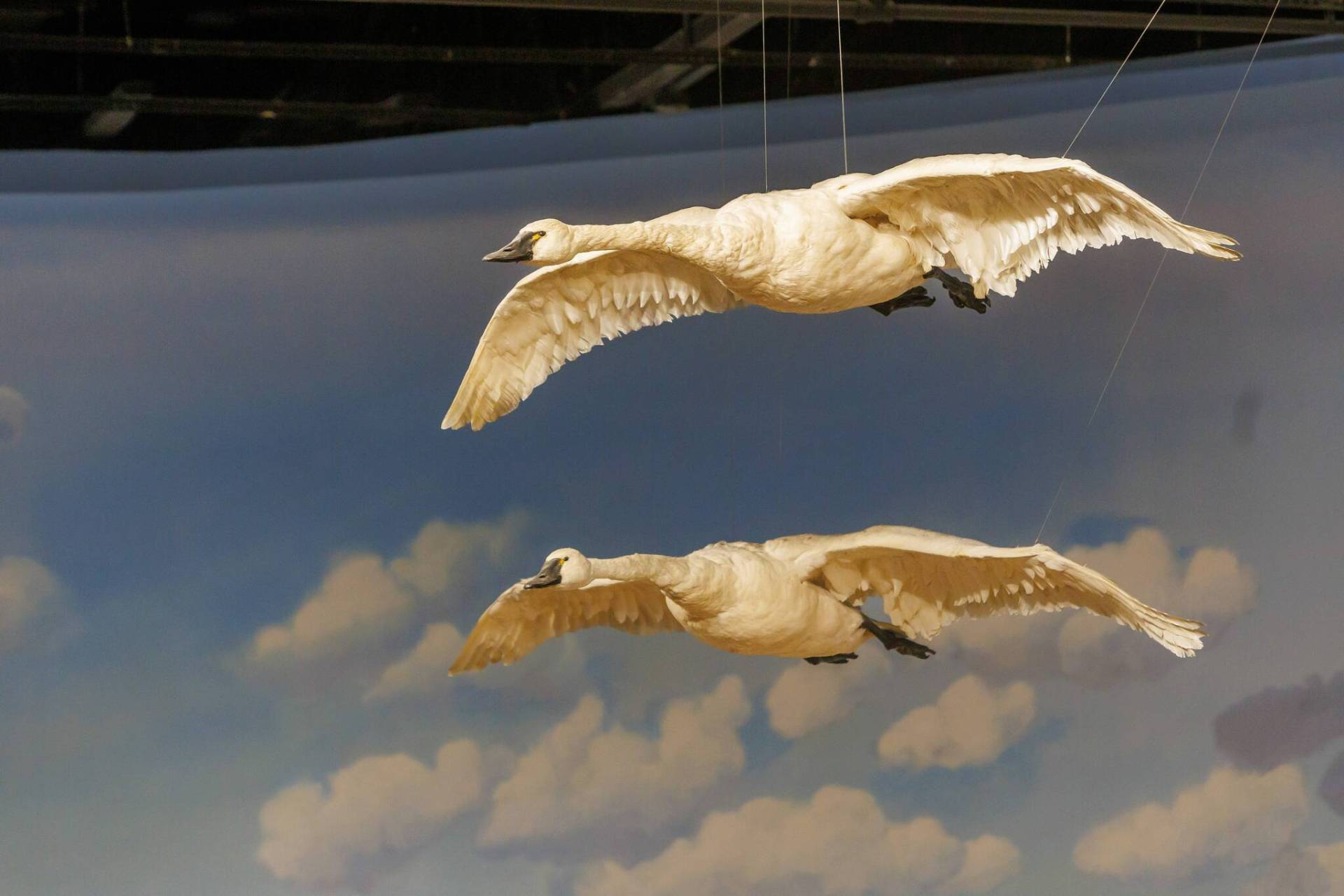
Conservators refer to taxidermy specimens as “protein-rich resources,” which are incredibly appetizing to dermestid beetle larvae.
“When we pulled the taxidermy specimens out of the Delta Marsh exhibit, we found the little muskrat positioned underneath the water was completely eaten,” Fay says.
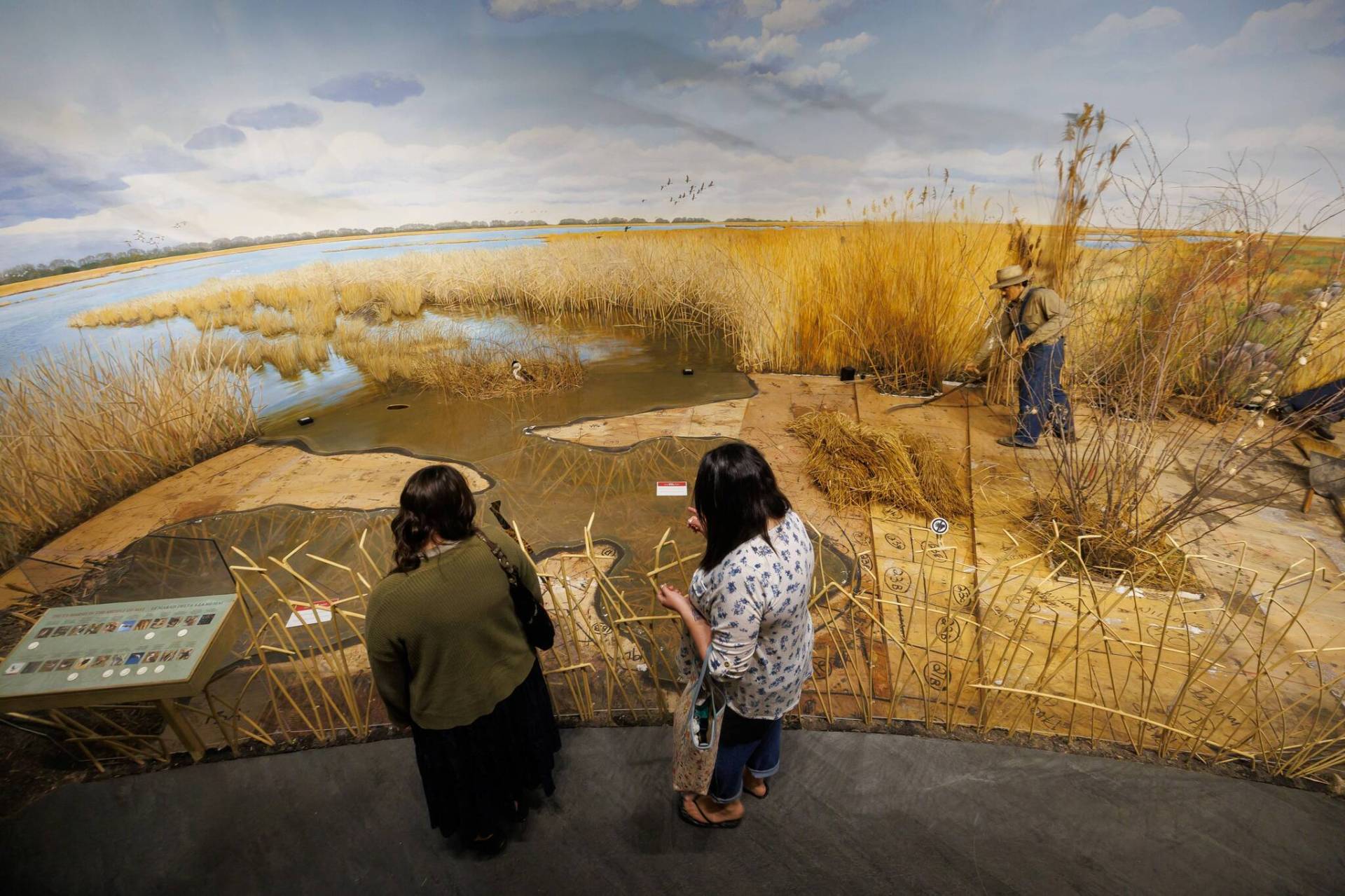
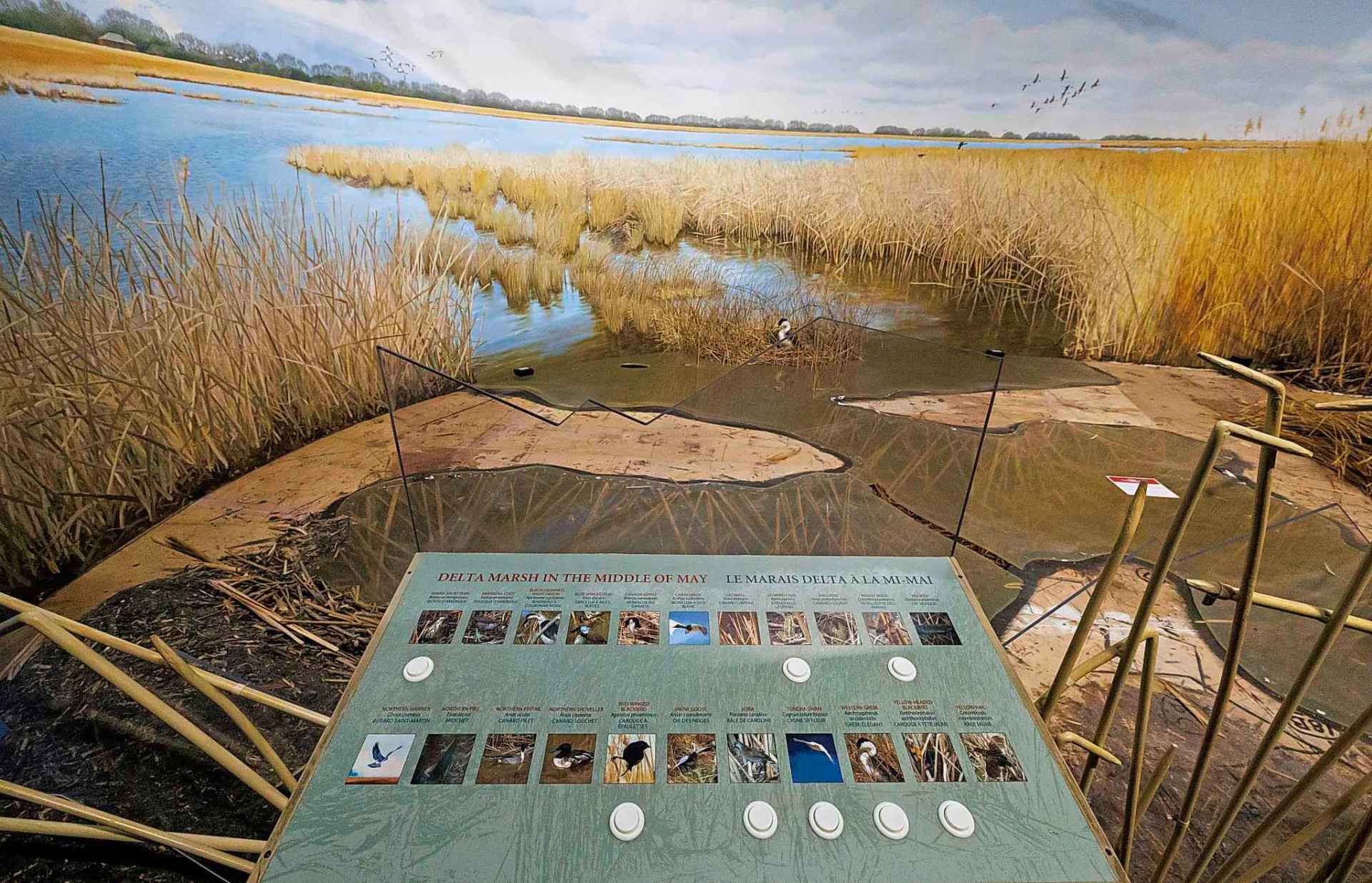
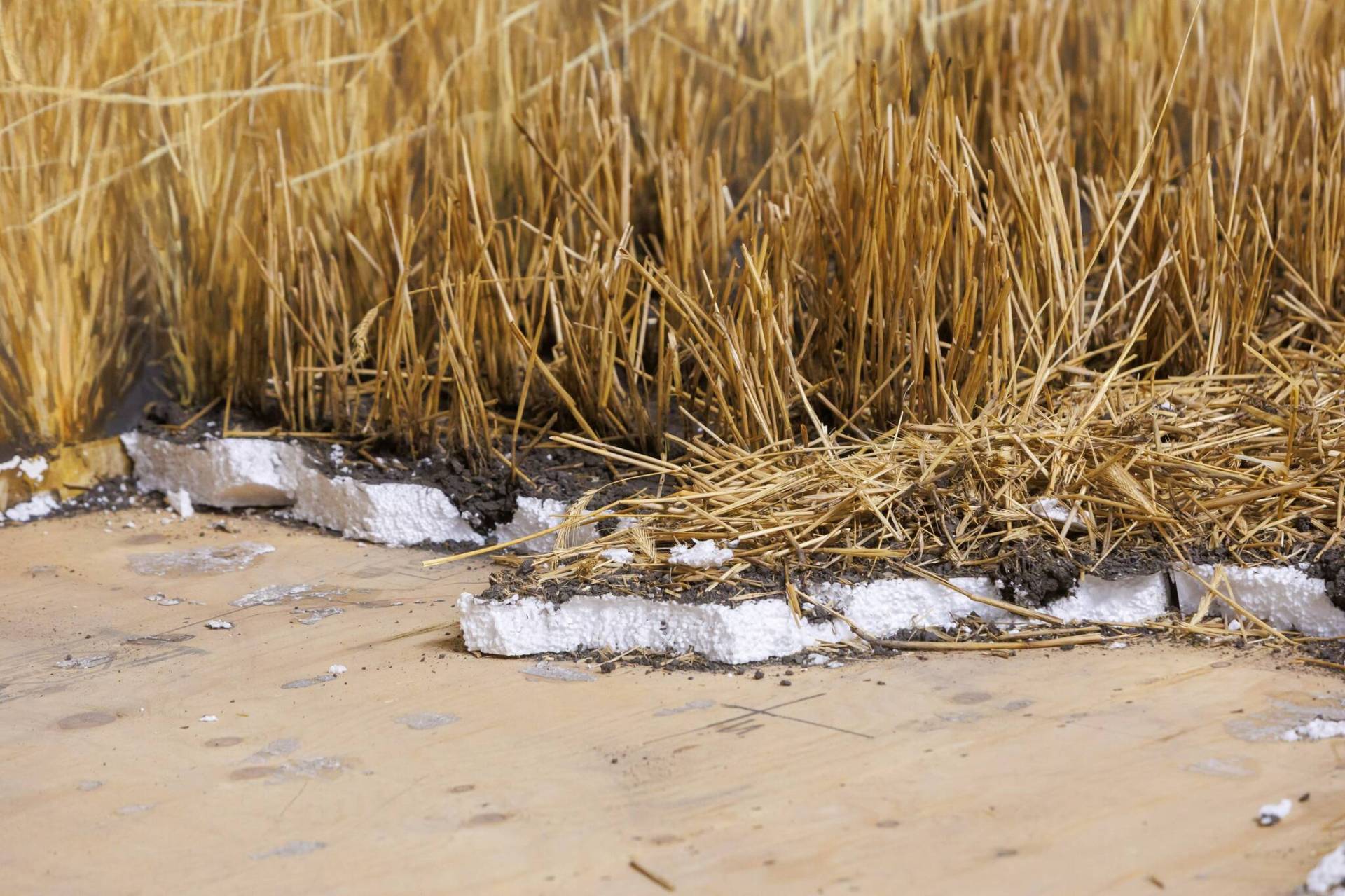
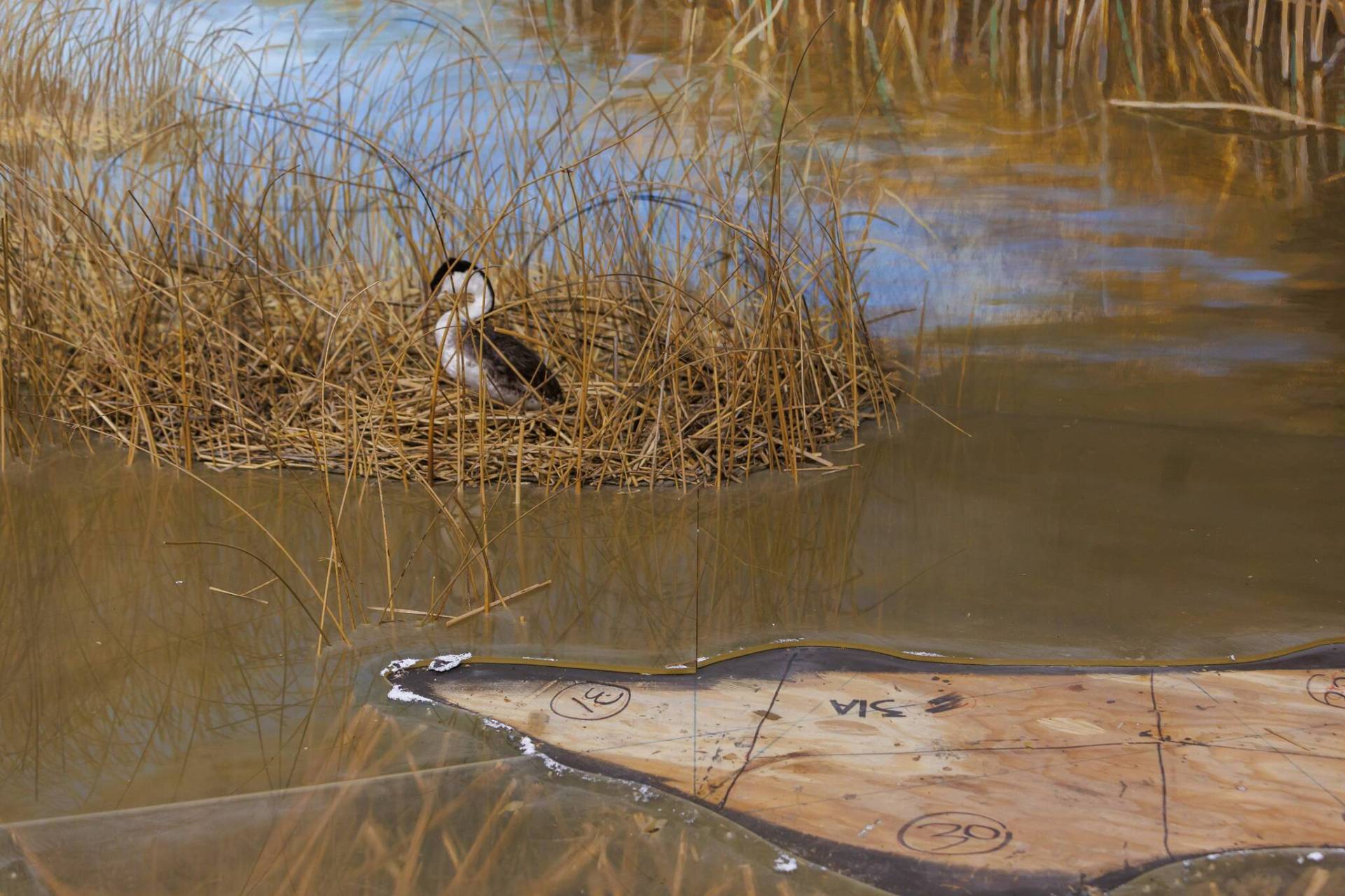
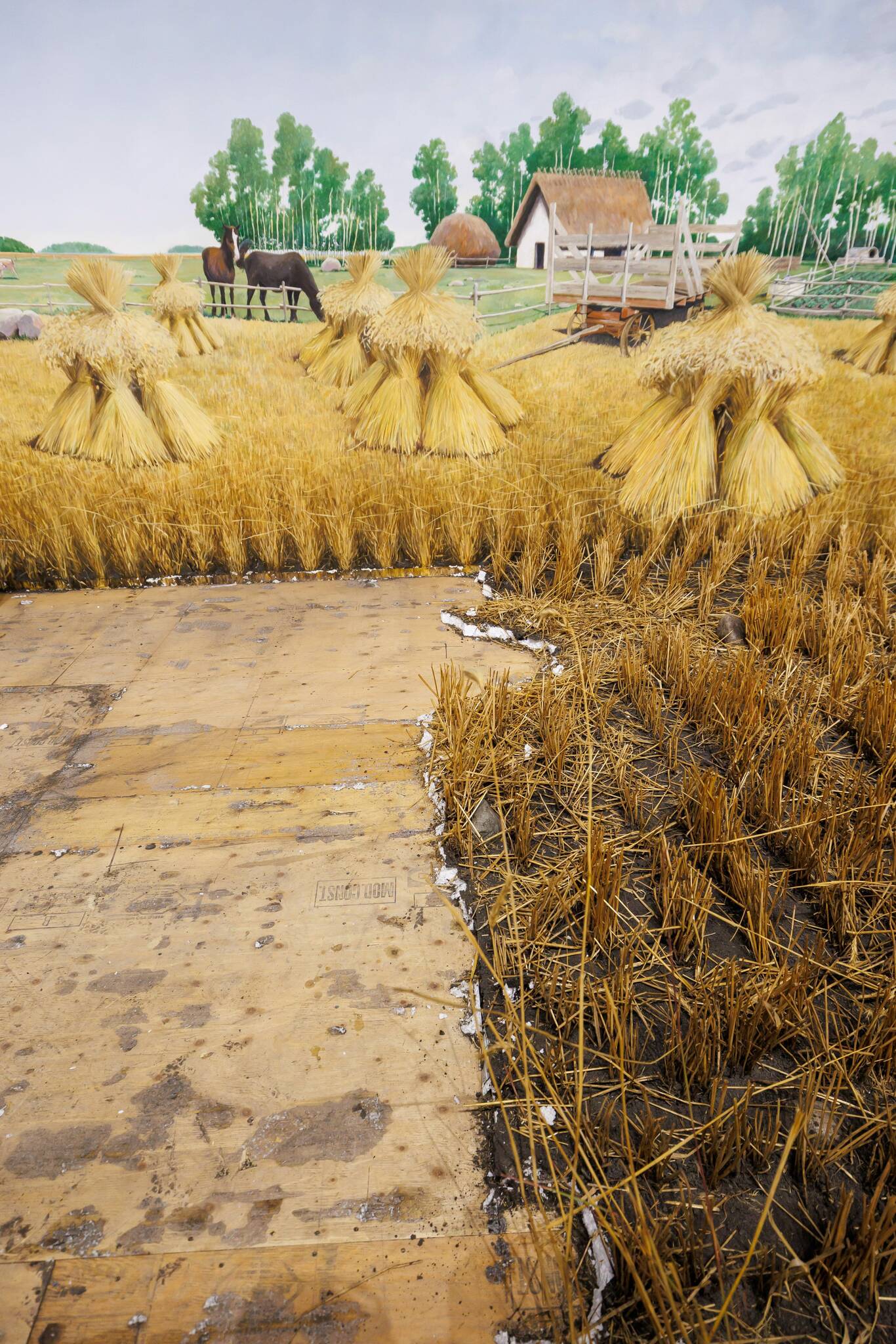
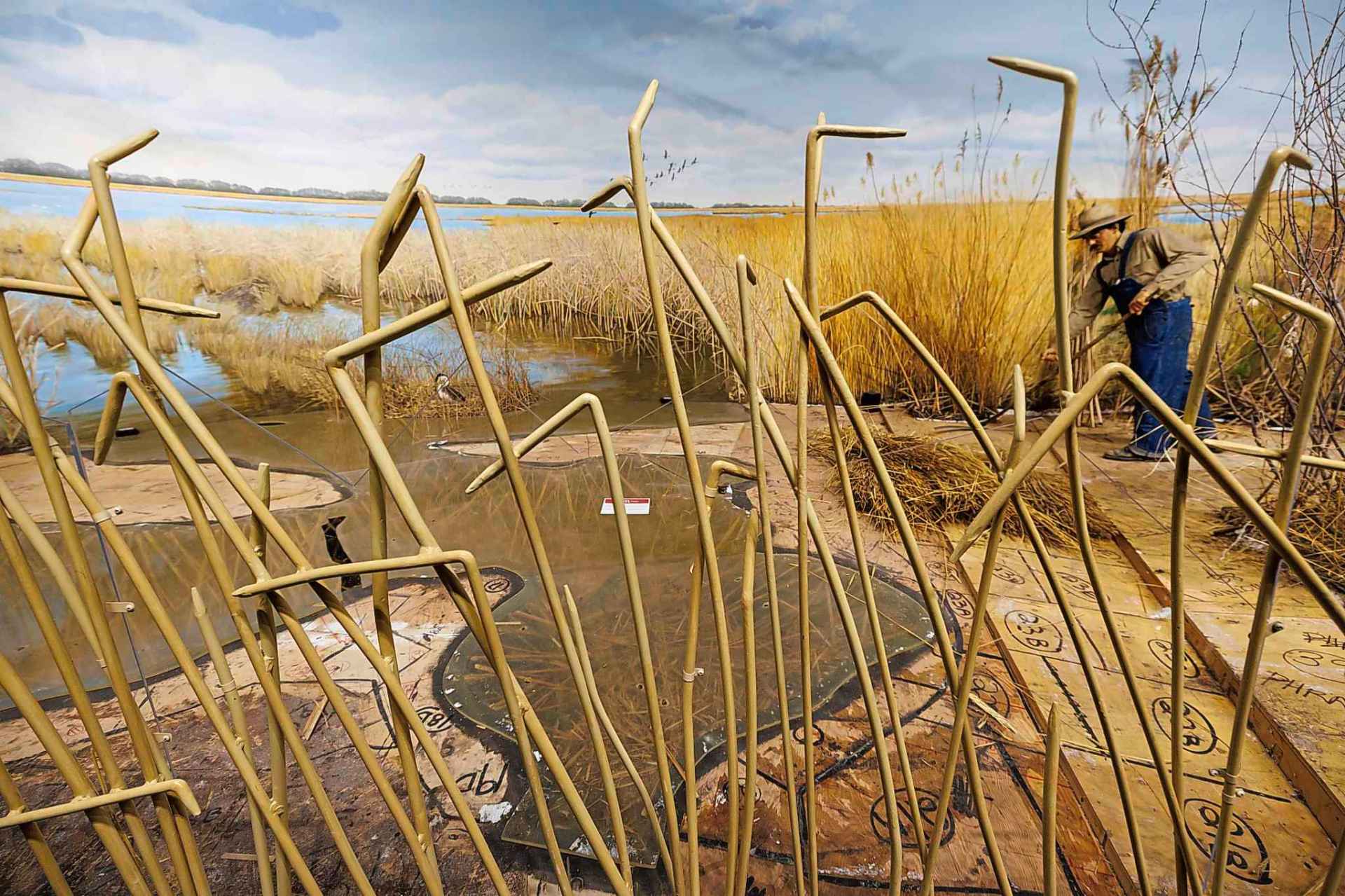
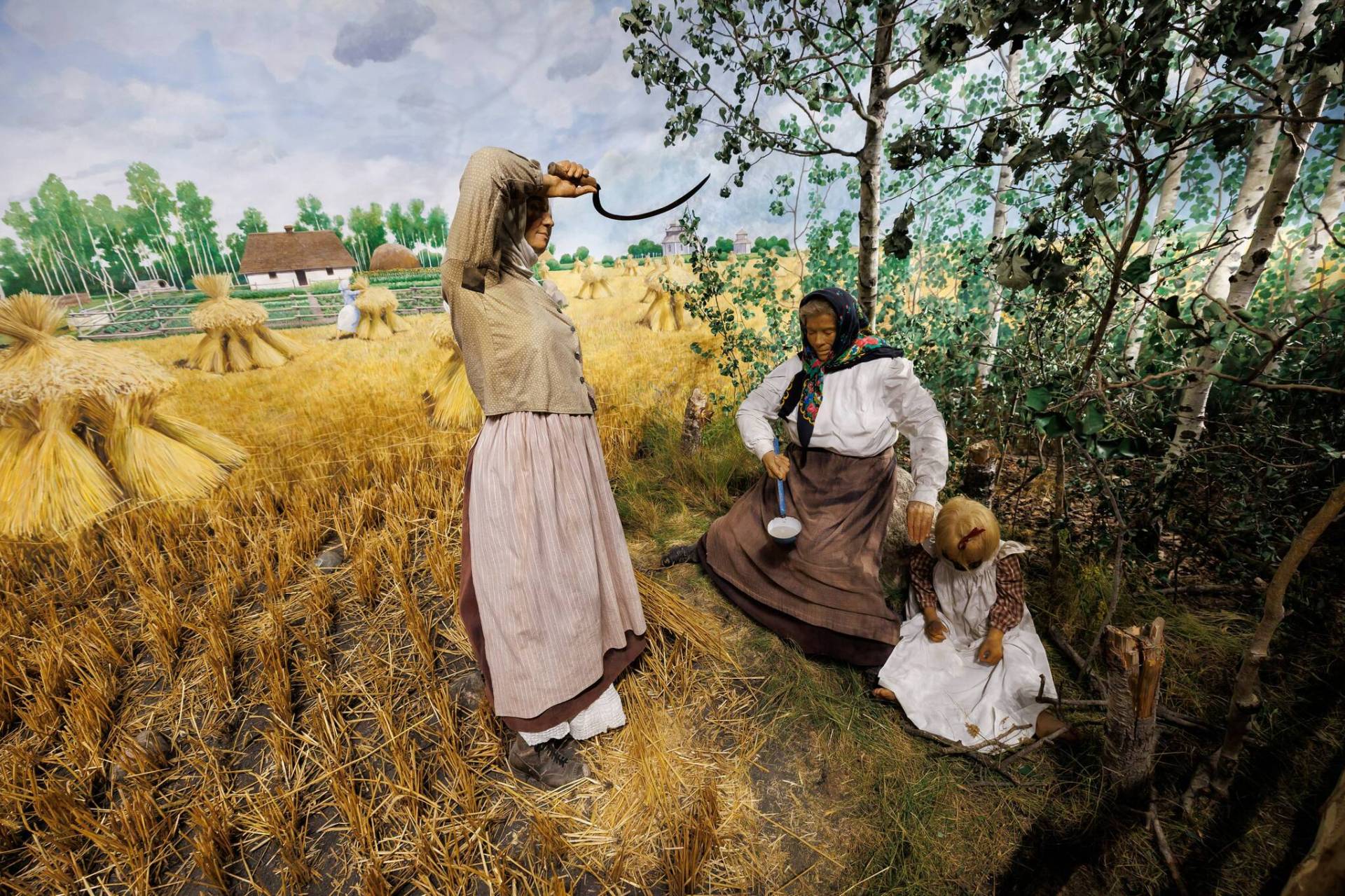
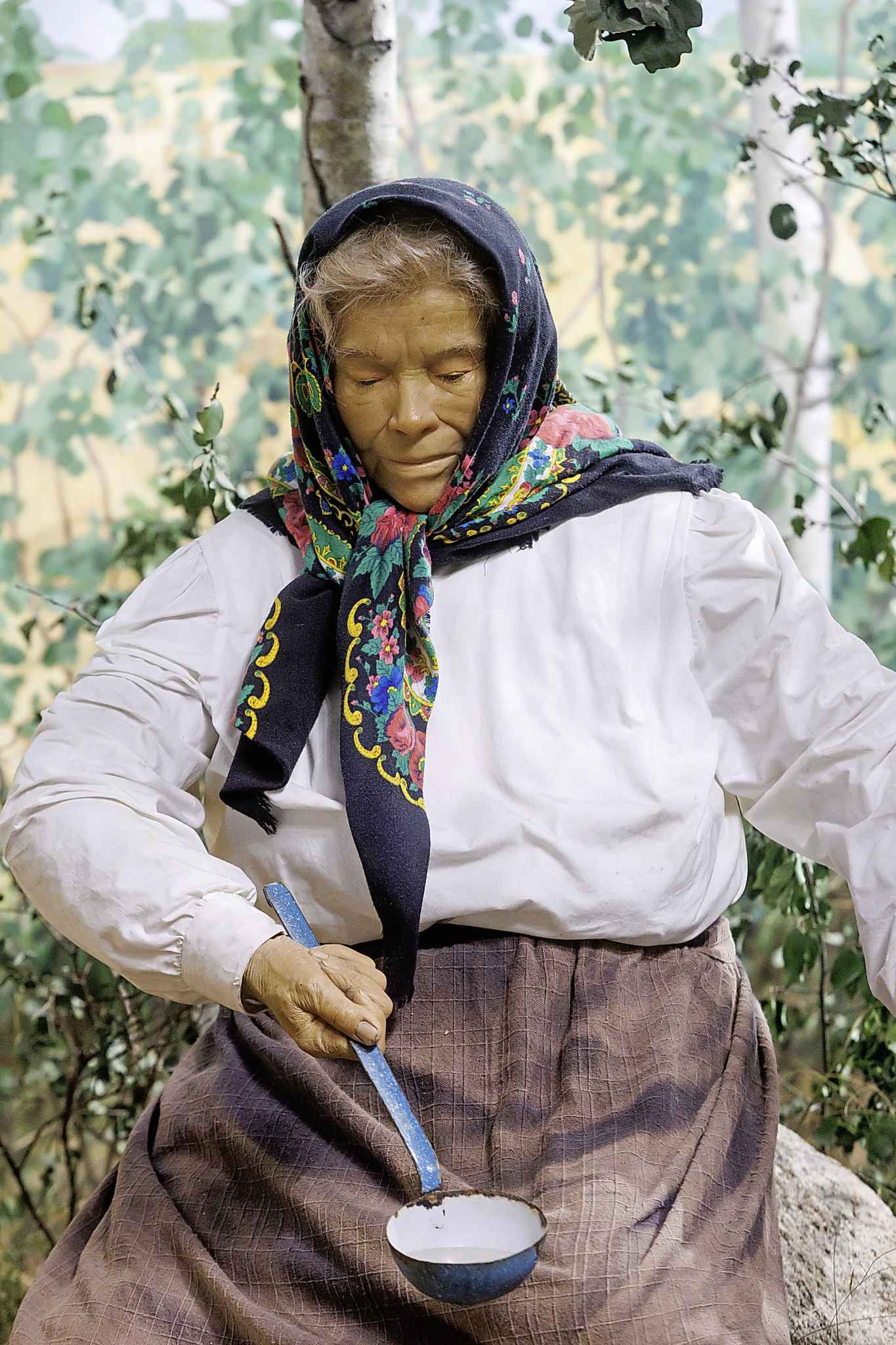
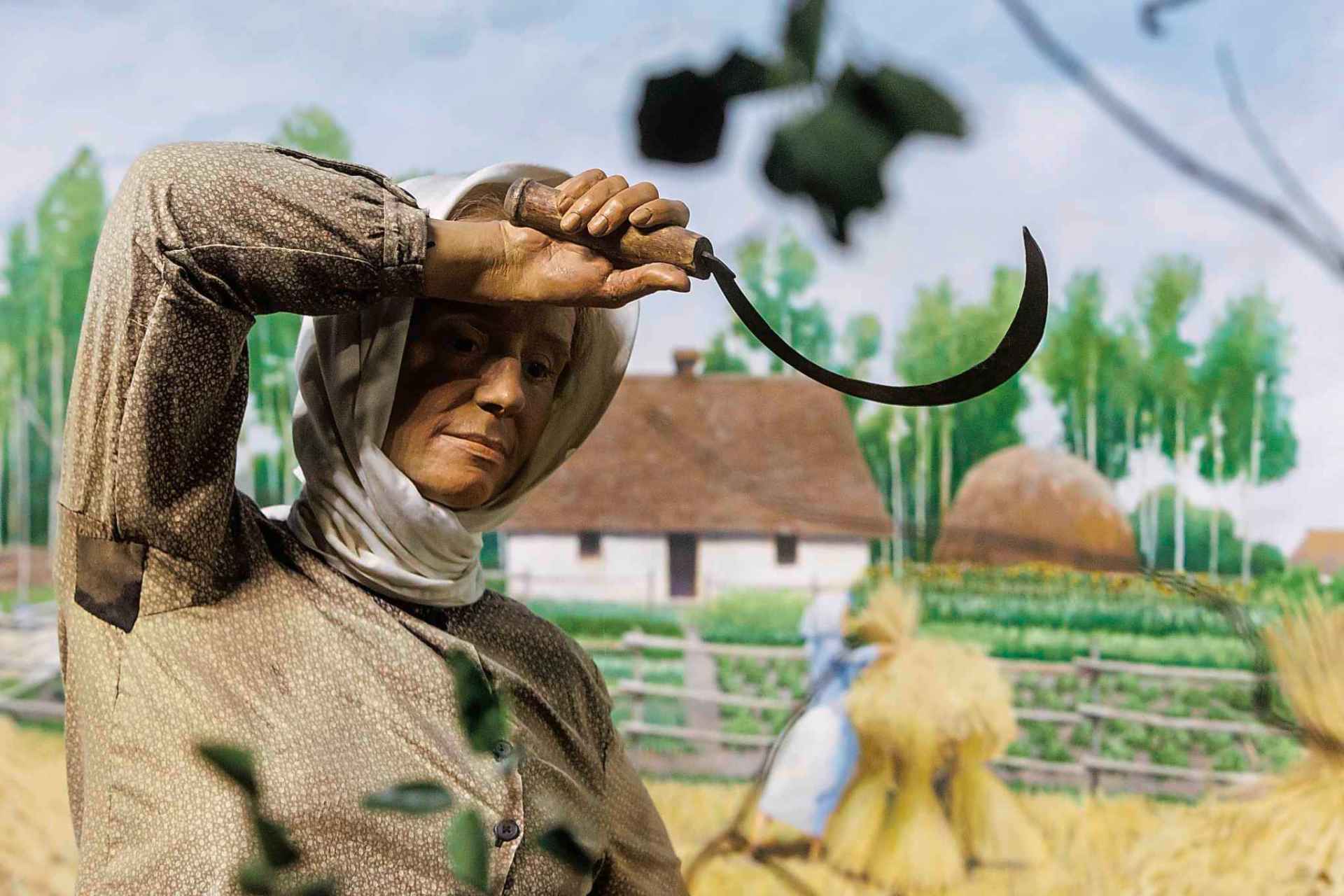

Lack of funding has made monitoring the dioramas particularly challenging. When they were first created, the museum employed a full-time dedicated diorama artist, Betsy Thorsteinson, whose job was not only to create the lifelike plaster figures but to painstakingly monitor, dust and maintain the open-air displays.
“Our decision to close this exhibition was also a mitigation strategy to protect our other open dioramas.”
Following Thorsteinson’s retirement, a successor was appointed; however, the position was eliminated during a round of pandemic-related layoffs in 2021.
Today the responsibility for diorama maintenance falls under the remit of the museum’s conservation department, Fay explains, pointing out funding cuts have left just a single conservator to oversee all the museum’s collections.
“We really ramped up working with a pest control company to try and mitigate, we were using all of our resources available to see what could be done to slow this or stop this … we tried everything before we came to this decision but it really did become beyond what we could do,” Fay says.
“Funding is our biggest challenge. If there is more staff, then you can have a better handle on the pest situation. It’s an immense task, because we are always checking the dioramas for new signs of damage. It was getting to the point where it was beyond our capabilities. From a human-resources standpoint, the workload is massive. It is far beyond what one human can do.”
When the pest problem escalated, staff examined the other open dioramas in the museum, including the bison, moose, elk and caribou displays, to ensure they were not at risk.
MIKAELA MACKENZIE / FREE PRESS
Organic material used in the diorama proved too appealing to pests such as mice, moths and beetles.“Our decision to close this exhibition was also a mitigation strategy to protect our other open dioramas that are not currently experiencing issues,” Fay says. “We need to maintain the integrity of the other ones that are not currently having issues.”
Part of the reason the older dioramas are holding up is down to the history of natural conservation.
“In the 1930s, ’40s and even up to the 1970s, taxidermy specimens were treated with harsh chemicals like arsenic so pests wouldn’t eat them,” Fay explains. “They aren’t great for humans to touch but they successfully ward off pests. I think that’s why we’re seeing the older dioramas holding up better than this one, which started construction in the ’90s.”
The open-air nature of the exhibition also left it vulnerable to the public.
While 98 per cent of visitors are respectful, a small minority have treated the display with casual disregard. The museum has started adding Plexiglas barriers along the base of some displays to deter people from crawling inside.
“These are a fading art form, as expertise in their creation is fading.”
But even with barriers like handrails, staff still find visitors reaching in to snap off pieces of grass and branches, or throw items into the displays.
“We regularly find coins in the active water stream area, and just two weeks ago someone threw an entire cup of Play-Doh inside,” Fay says. “I don’t want to paint a negative picture of our visitors, because this behaviour represents a tiny minority, but it is a reality we face. Our staff then has to spend time fishing these items out and cleaning up the mess.”

The museum has yet to decide what will permanently replace the exhibit. There is talk of erecting a temporary installation while the team plan for the long terms. Staff will do what they can to salvage items that have not been heavily damaged in hopes they can be repurposed.
“Betsy did exquisite work on the human figures in the Rye Farm diorama,” Fay says. “The faces and hands on the mannequins are beautiful. The figures themselves are made of solid plaster and weigh hundreds of pounds, so a team is slowing moving them upstairs. We want to see if we can save those faces and hands and transfer them to lighter mannequins.”
The era of open-air dioramas is largely ending across the museum world, as there are fewer artists trained in creating these displays, Fay observes.
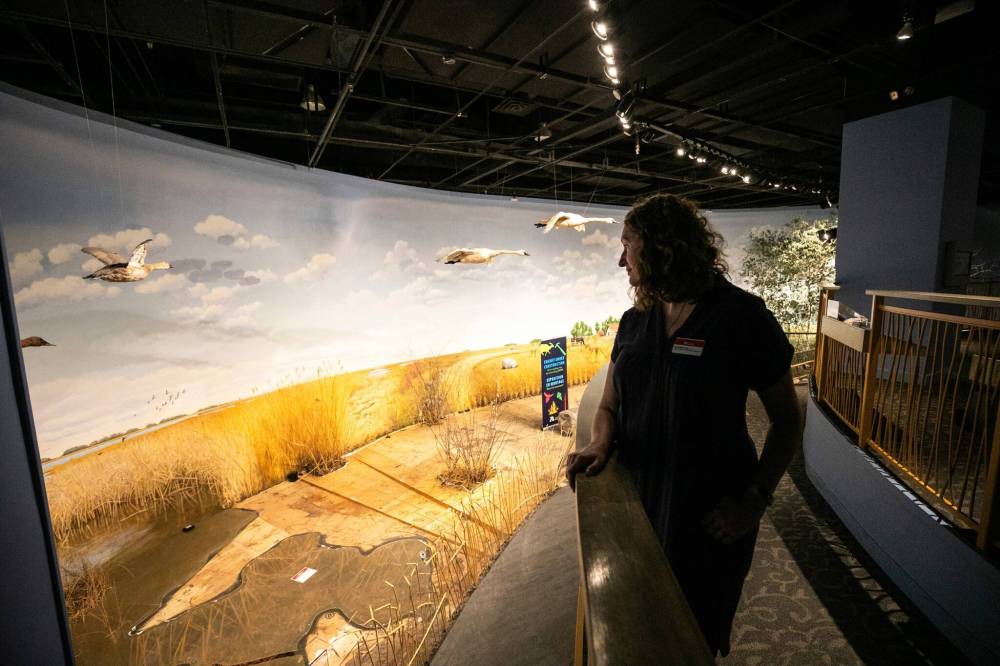
MIKAELA MACKENZIE / FREE PRESS
Fay says the open-air nature of the exhibit left it vulnerable to public interference from a minority of museum visitors.“I think these are a fading art form, as expertise in their creation is fading. And the long-term maintenance costs are simply prohibitive. That is why our remaining dioramas are so special, and why we are working to hard to protect them.”
winnipegfreepress.com/avkitching

AV Kitching is an arts and life writer at the Free Press. She has been a journalist for more than two decades and has worked across three continents writing about people, travel, food, and fashion. Read more about AV.
Every piece of reporting AV produces is reviewed by an editing team before it is posted online or published in print — part of the Free Press‘s tradition, since 1872, of producing reliable independent journalism. Read more about Free Press’s history and mandate, and learn how our newsroom operates.
Our newsroom depends on a growing audience of readers to power our journalism. If you are not a paid reader, please consider becoming a subscriber.
Our newsroom depends on its audience of readers to power our journalism. Thank you for your support.