Tackling tough emotions Winnipeg author explores a child’s grief in latest picture book
Read this article for free:
or
Already have an account? Log in here »
To continue reading, please subscribe:

Digital Subscription
One year of digital access for only $205*
- Enjoy unlimited reading on winnipegfreepress.com
- Read the E-Edition, our digital replica newspaper
- Access News Break, our award-winning app
- Play interactive puzzles
*First annual payment billed as $205.00 + GST for one year. This annual subscription will automatically renew at $233.00 + GST every 52 weeks (10% off the regular annual price of $259.35). Offer available to new and qualified returning subscribers only. Cancel any time.
To continue reading, please subscribe:
Add Free Press access to your Brandon Sun subscription for only an additional
$1 for the first 4 weeks*
- Enjoy unlimited reading on winnipegfreepress.com
- Read the E-Edition, our digital replica newspaper
- Access News Break, our award-winning app
- Play interactive puzzles
*Your next Brandon Sun subscription payment will increase by $1.00 and you will be charged $17.95 plus GST for four weeks. After four weeks, your payment will increase to $24.95 plus GST every four weeks.
Read unlimited articles for free today:
or
Already have an account? Log in here »
In the latest picture book from Winnipeg author Anna Lazowski, a child who has lost a loved one heads out to the backyard to build a rocket ship out of cardboard, tape and tinfoil.
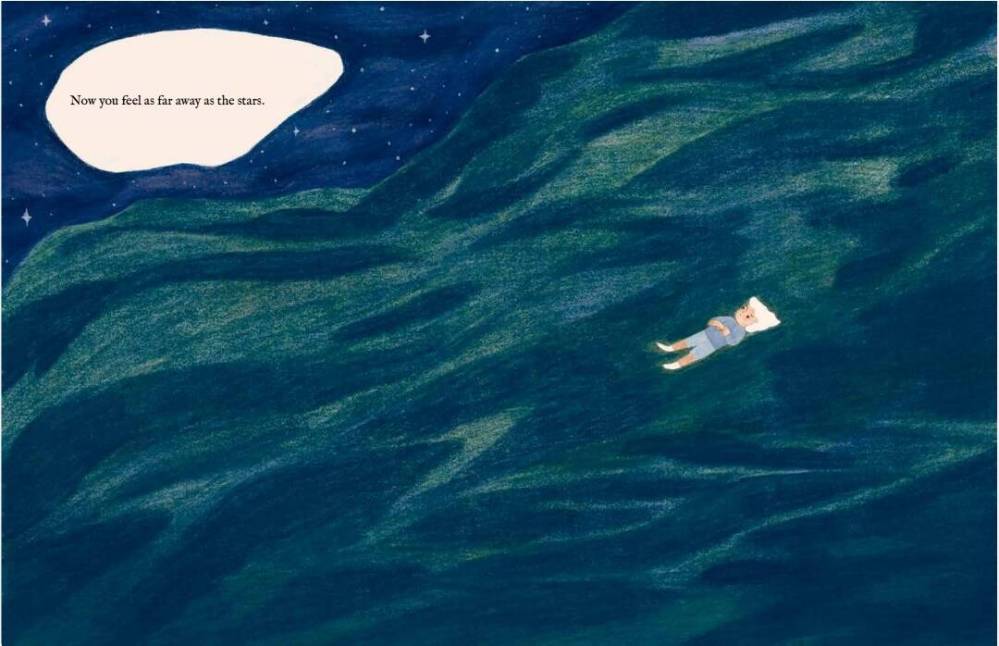
That’s what you need to do, after all, when someone feels “as far away as the stars.”
I Built a Rocket Ship, out Tuesday via Kids Can Press, explores the constellation of feeling that is grief through our unnamed narrator — a kid with a shock of white hair just like the person they are missing — who is processing the loss.
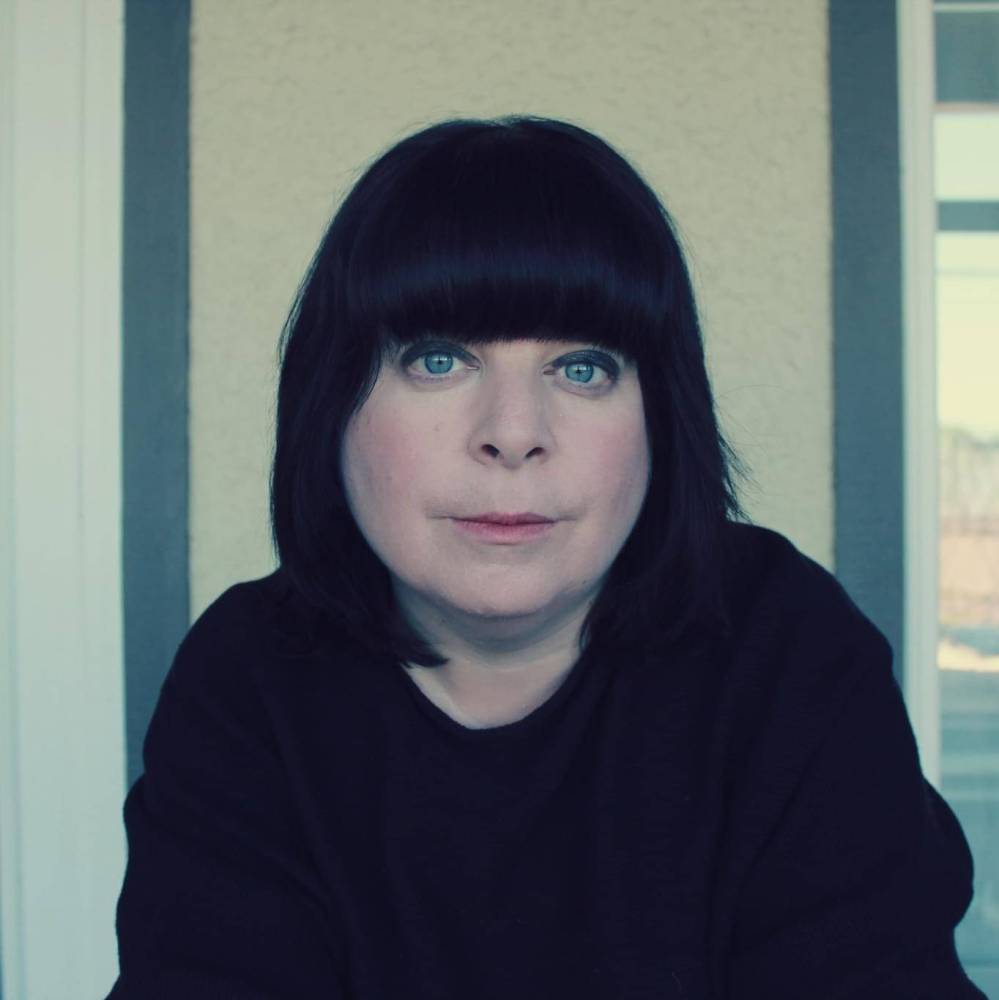
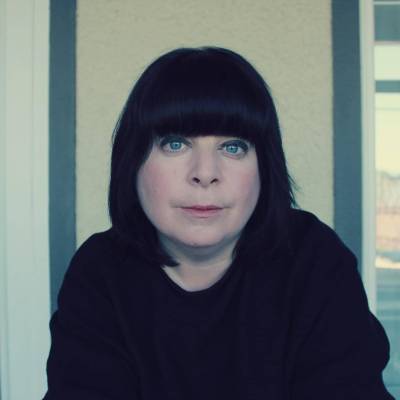
Author Anna Lazowski
Lazowski wrote the first draft of the book in 2021, during the pandemic.
“There was this globally unifying sense of, I don’t know, just loss — like loss and darkness everywhere. I think I was thinking a lot about all the people suddenly that just were no longer in (children’s) families, and how do you explain that to kids,” she says.
“I’ve also had friends who’ve unfortunately passed away, leaving behind little kids or leaving behind teens, and it’s just this thing of how we as adults explain that deep loss to kids, and then how they interpret it.”
The identity of the lost loved one is also left open to interpretation in the book, making it easy for kids to see themselves and their experiences in the story. It could be a parent, but it could also be a grandparent or an aunt or someone else.
And while it’s clear an irrevocable loss has happened, the book doesn’t use the words “died” or “dead,” or euphemisms such as “passed away.” We just know the loved one is gone.
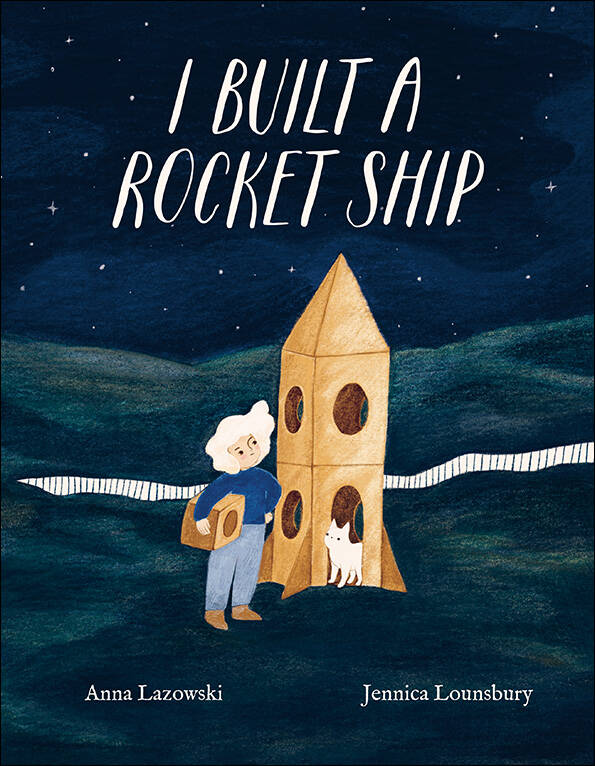
“It wasn’t a deliberate choice, but I think the text relies more on symbolic imagery and language,” Lazowski says. “To me, the sense of loss feels deep and finite, not like missing someone who’s gone on a trip.”
Bringing that imagery and sense of loss to the page is Canadian illustrator Jennica Lounsbury, whose quiet, soft-edged drawings and moody colour palettes capture both the child’s feelings and imagination — as well as the vastness that is both grief and the night sky, which the child used to gaze up at with their loved one.
“There’s a lot of dark colours — the cover of the book is super dark, and that’s kind of uncommon for picture books,” Lazowski says. “They’re usually bright and cheery, and this one is arresting just because of that. It was just so beautiful to see how she had interpreted it as sort of dreamy, and there’s lots of space.”
Lazowski isn’t afraid to tackle hard subjects in her children’s books. Her last outing, 2023’s Dark Cloud, was about a little girl grappling with depression.

“I think it’s really important to have these kinds of books, because it’s difficult to have these conversations,” she says. “Talking about emotions, talking about feelings and breaking them down is really tricky. Sometimes, if you can see it, if you can hear the words, look at the pictures, see what it feels like and sounds like, and it’s not just someone kind of talking at you, you can open up a place for discussions and a place for kids to naturally ask questions.”
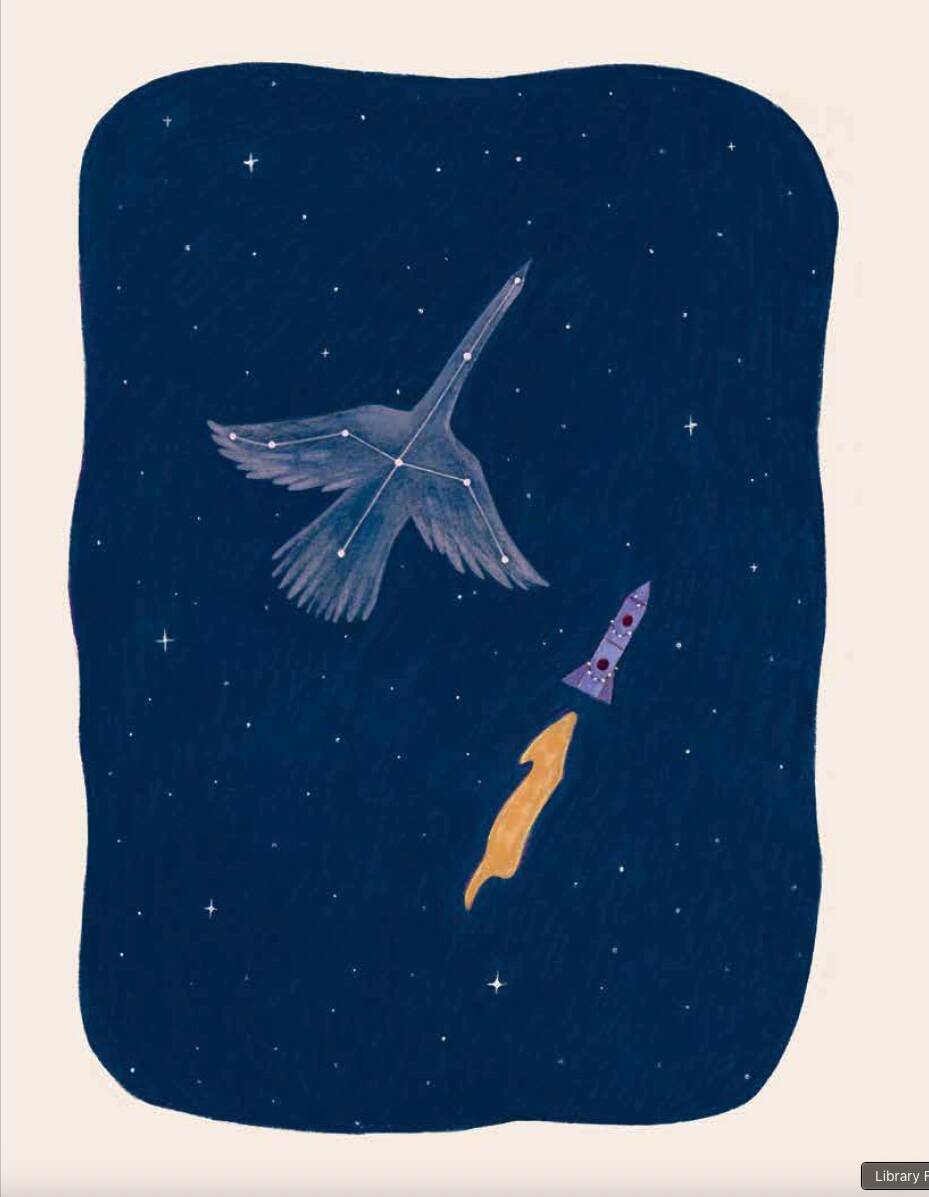
The book is illustrated by Canadian artist Jennica Lounsbury.
Lazowski relishes the challenge of capturing all these big feelings in the economical format of a children’s book — “I don’t even think there are 500 words in this book,” she says — as well as writing stories with staying power.
“They’re not the kind of books that are going to get lost as trends change,” she says. “These kinds of emotional books are always going to be needed.
“We’re always going to need ways to open up those discussions and talk about these things, and look at how that looks for kids, so they can see their own selves reflected, or what they experience with their families reflected.”
winnipegfreepress.com/jenzoratti
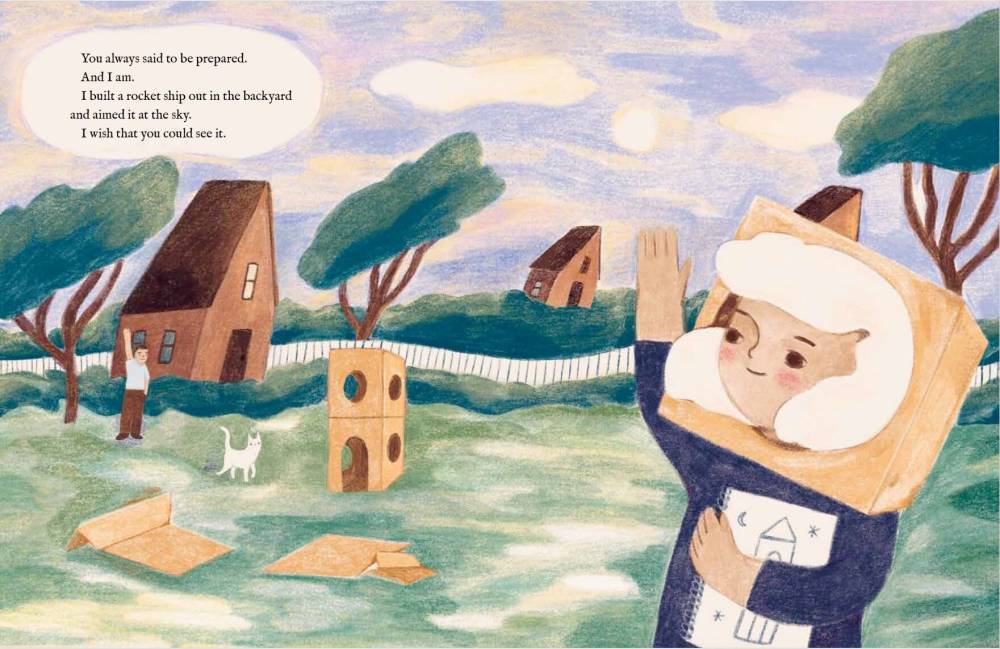
In I Built a Rocket Ship, a child attempts to connect with a lost loved one.
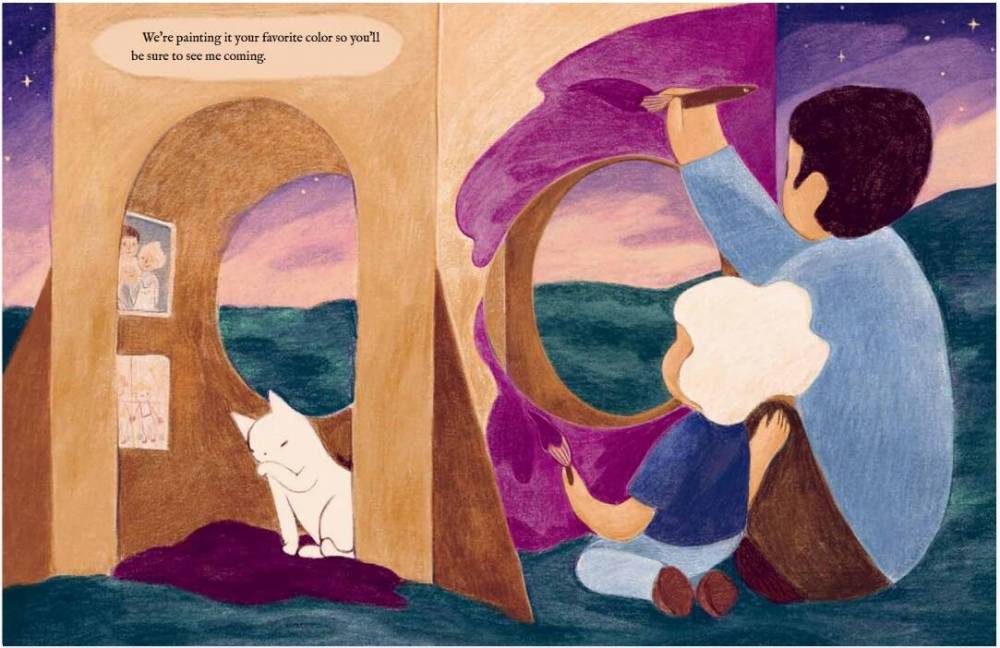
The book tackles big feelings in a way that can open up discussions.

Jen Zoratti is a columnist and feature writer working in the Arts & Life department, as well as the author of the weekly newsletter NEXT. A National Newspaper Award finalist for arts and entertainment writing, Jen is a graduate of the Creative Communications program at RRC Polytech and was a music writer before joining the Free Press in 2013. Read more about Jen.
Every piece of reporting Jen produces is reviewed by an editing team before it is posted online or published in print – part of the Free Press‘s tradition, since 1872, of producing reliable independent journalism. Read more about Free Press’s history and mandate, and learn how our newsroom operates.
Our newsroom depends on a growing audience of readers to power our journalism. If you are not a paid reader, please consider becoming a subscriber.
Our newsroom depends on its audience of readers to power our journalism. Thank you for your support.