Creative dreams Rural councils work hard, plan big to build local arts scenes
Read this article for free:
or
Already have an account? Log in here »
To continue reading, please subscribe:

Digital Subscription
One year of digital access for only $205*
- Enjoy unlimited reading on winnipegfreepress.com
- Read the E-Edition, our digital replica newspaper
- Access News Break, our award-winning app
- Play interactive puzzles
*First annual payment billed as $205.00 + GST for one year. This annual subscription will automatically renew at $233.00 + GST every 52 weeks (10% off the regular annual price of $259.35). Offer available to new and qualified returning subscribers only. Cancel any time.
To continue reading, please subscribe:
Add Free Press access to your Brandon Sun subscription for only an additional
$1 for the first 4 weeks*
- Enjoy unlimited reading on winnipegfreepress.com
- Read the E-Edition, our digital replica newspaper
- Access News Break, our award-winning app
- Play interactive puzzles
*Your next Brandon Sun subscription payment will increase by $1.00 and you will be charged $17.95 plus GST for four weeks. After four weeks, your payment will increase to $24.95 plus GST every four weeks.
Read unlimited articles for free today:
or
Already have an account? Log in here »
BEAUSEJOUR — Brittany Wurch has always been drawn to art. She fell in love with illustration and animation as a kid, but growing up near Beausejour meant she had to travel elsewhere to satisfy her creative interests.
“I had to go to a different community to take art,” says Wurch, who chose to study in Selkirk, about a 30-minute drive west, for its high school’s superior art program.
As an adult, she’s determined to make art more accessible in her community.
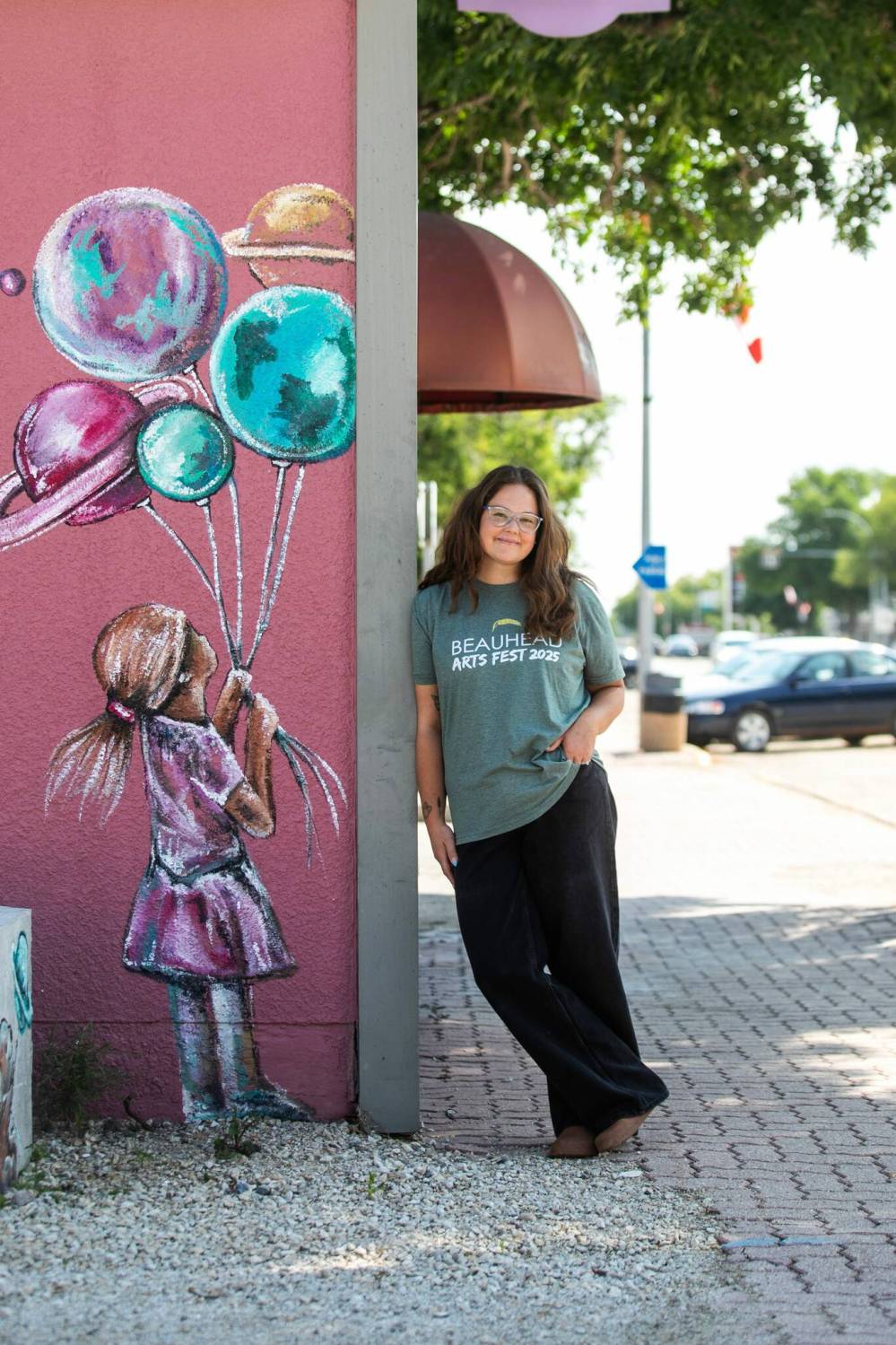
Brittany Wurch, president of the new Brokenhead River Arts Council, is co-founder of the Beauhead Arts Festival.
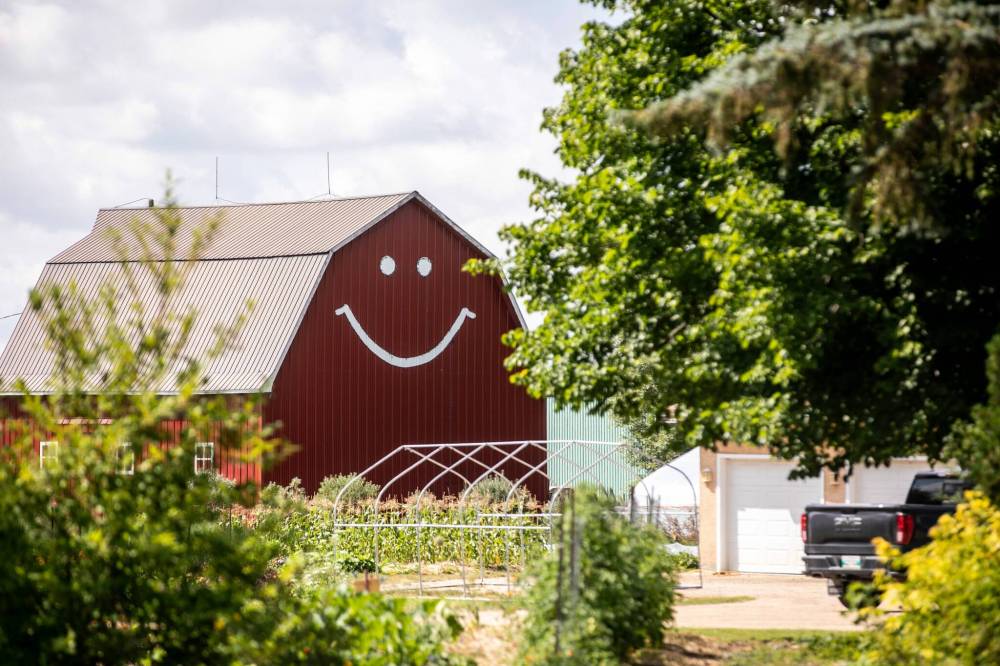
A smiling red barn and a tall water tower greet visitors on the way into Beausejour. The cute, compact town is located 50 kilometres northeast of Winnipeg and is home to 3,300 people. It’s surrounded by farmland and situated within the RM of Brokenhead, where agriculture and sports have historically reigned supreme.
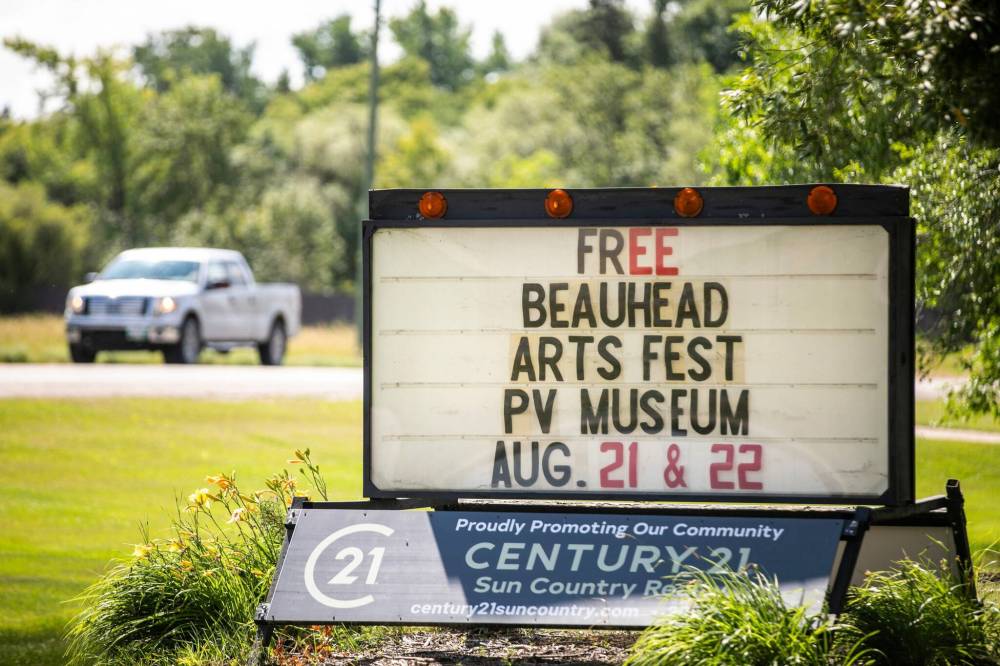
Over the last six years, Wurch has helped make art a bigger part of the region’s identity as the co-founder of the Beauhead Arts Festival. The free annual event takes place in Beausejour this weekend and features workshops and displays by area artists, performers and writers.
Previously, local artists had few opportunities to share their work and connect with other creatives, since Brokenhead sits outside the catchment areas for Eastman’s existing studio tours and art events.
“We realized there was a really big gap in our area,” says Wurch, a trained graphic designer and aspiring children’s book illustrator.
The success of Beauhead, which attracts hundreds of visitors to the town annually, has inspired its organizers to pursue an even loftier vision.
“When we started the festival, it was our big, hairy, audacious goal to eventually have some sort of committed organization to do year-round programming,” Wurch says.
That goal became a reality last November with the launch of the Brokenhead River Arts Council — a new volunteer organization led by Wurch and tasked with building a thriving arts and culture scene along the Brokenhead River watershed from Libau and Brightstone to Anola and Ste. Rita.
MIKAELA MACKENZIE / FREE PRESS
A smiling red barn greets visitors to Beausejour.
It’s the newest addition to the tapestry of arts councils which blankets rural and northern Manitoba.
Arts councils can make rural communities more livable.
They create opportunities for neighbours to connect and gather through workshops, events and exhibitions, while giving artists a chance to sell their work and build their professional profile. An active arts scene can also bolster local tourism and community pride.
“A healthy arts community helps make a place somewhere people want to live, not just somewhere they happen to live,” says Rose-Anne Harder, executive director of the Manitoba Arts Network.
The network was founded in 1984 by a collective of rural arts councils seeking greater provincial support for arts programming and development. Today, it works with 50 regional arts councils and organizations to build visual and performing art tours that travel between rural towns and First Nations.
It’s a model that allows for discounted booking fees and enables smaller and more isolated communities to host acts and exhibits they might not otherwise be able to attract as a one-off stop owing to the rising cost of travel, accommodations and shipping.
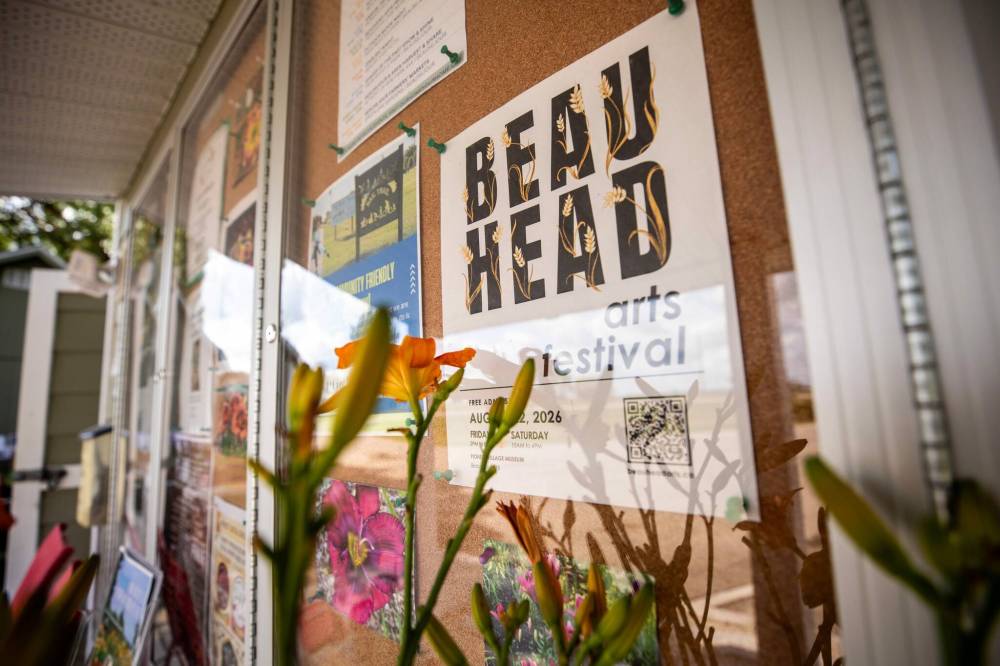
The free, annual Beauhead Arts Festival takes place in Beausejour this weekend and features workshops and displays by area artists, performers and writers.
“The further you move away from Winnipeg, the more expensive it becomes to deliver the same arts experience,” Harder says, adding the Manitoba Arts Network also runs Gallery 210, which is located at 210 Princess St. in Winnipeg and showcases the work of out-of-town artists and musicians.
Rural arts councils face different hurdles than their urban counterparts. Funding, audience development, administrative capacity and geography are among the main challenges, Harder says.
The Manitoba Arts Council provides operating grants of between $20,000 and $40,000 to 15 rural arts councils annually.
“These organizations are so important to their communities and arts and culture across the province,” MAC executive director Randy Joynt says.
In 2019, MAC became the main entity responsible for distributing the provincial government’s arts and culture funding, which currently sits at $13.7 million. While the change streamlined the application process, organizations receiving operational funding through the council were no longer eligible for certain project-based grants previously offered by the province.
“We noticed a decrease in programming because of it,” says Harder, who would like to see greater arts investment from the province and increased operational funding from MAC.
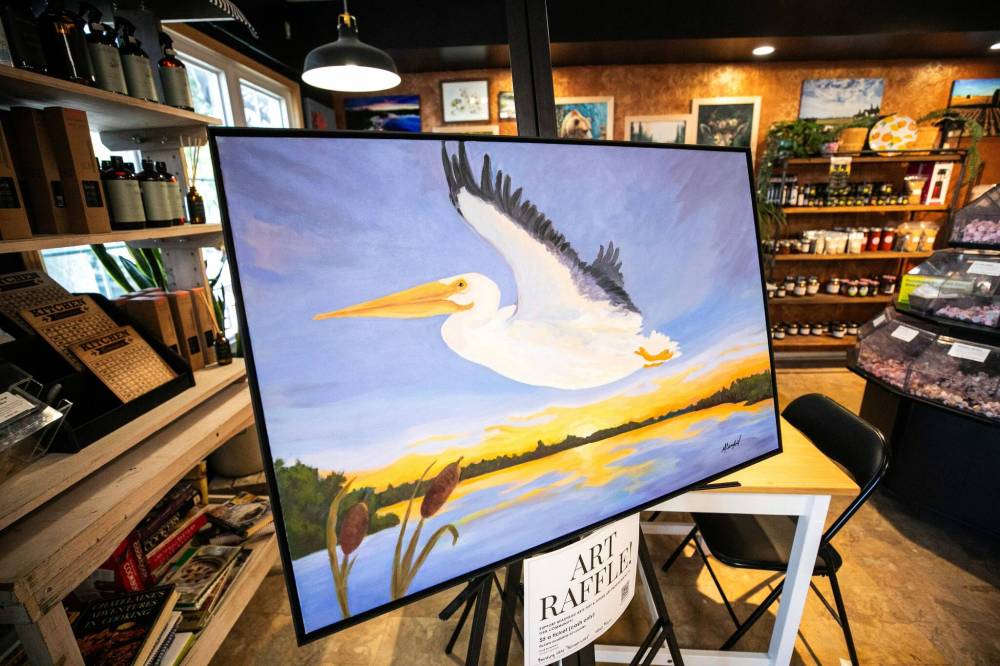
This pelican painting by local artist Michele Campbell is being raffled off to support the Beauhead Arts Festival.
“That barely covers an arts administrator, let alone programming,” she says of the latter.
Event Preview
Beauhead Arts Festival
● Pioneer Village Museum; 901 Gertrude Ave., Beausejour
● Friday, 2-8 p.m.; Saturday, 10 a.m.-4 p.m.
● Free admission, visit beauheadarts.ca for more information
The Tiger Hills Arts Association is still bouncing back from the COVID-19 pandemic, which wreaked havoc on its audience and outreach capacity.
Founded in 1978 and headquartered in an historic bank building in Holland, the arts council is the largest in the province geographically, covering seven municipalities and serving 12,000 residents in southwestern Manitoba.
While Tiger Hills hosts regular gallery hours and weekly art classes at its Holland studio, connecting with everyone across the council’s sprawling jurisdiction is a challenge.
“That’s the biggest struggle,” says Wesley Hodges, the association’s new executive director and sole employee.
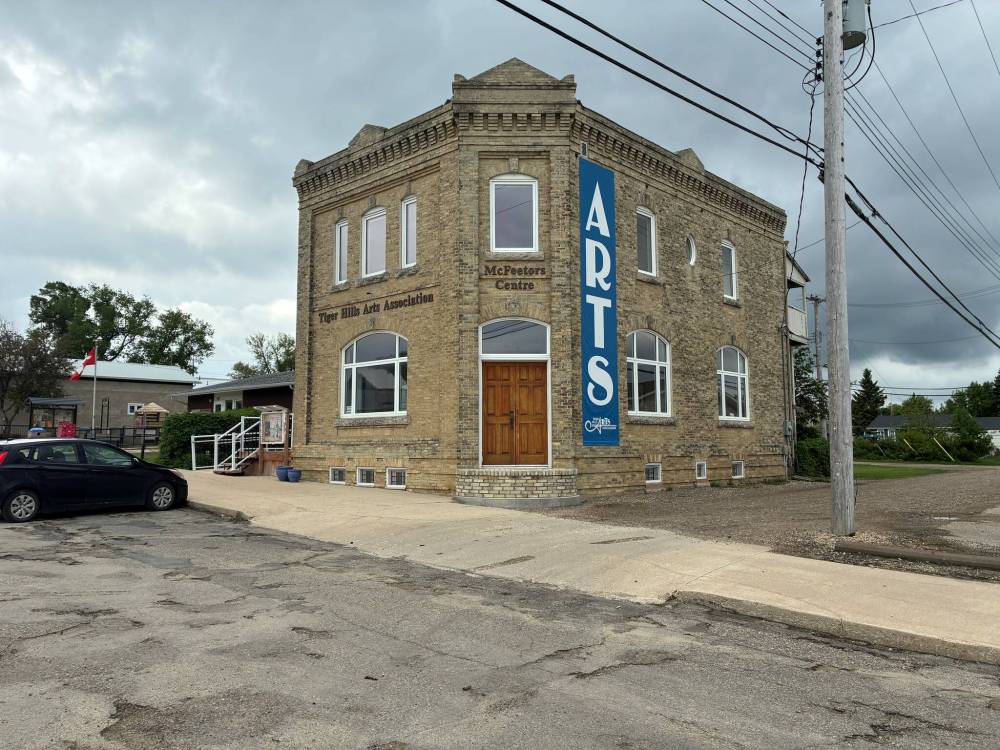
The Tiger Hills Arts Association is headquartered in a historic bank building in Holland, Man.
Between running the gallery, applying for grants and organizing events, Hodges has little time for strategic projects, including finding a new satellite gallery space after their partnership with a business in Treherne ended earlier this year.
“We want to be able to reach each of the communities in our catchment and have steady programming for community members to be part of,” Hodges says. “But again, I only have so many hours a week.”
Community involvement is a major reason Flin Flon has become a hub for arts in the north.
“People in the community really see the value of the arts, but it’s never been without work,” says Crystal Kolt, director of the City of Flin Flon’s department of culture and community initiatives and a longtime board member with the Flin Flon Arts Council.
The city of 5,000 residents sits on the Saskatchewan border 760 kilometres north of Winnipeg. Its artistic legacy is intrinsically linked to its foundational mine, which was owned by a philanthropic New York family that brought youth music, dance and theatre lessons to the city, thereby creating generations of creatively inclined Flin Floners.
The arts council took up the mantle in the 1980s and now oversees the local visual arts centre, quilt guild, pottery club, film group, theatre troupe and a community choir that has performed at Carnegie Hall on three separate occasions.
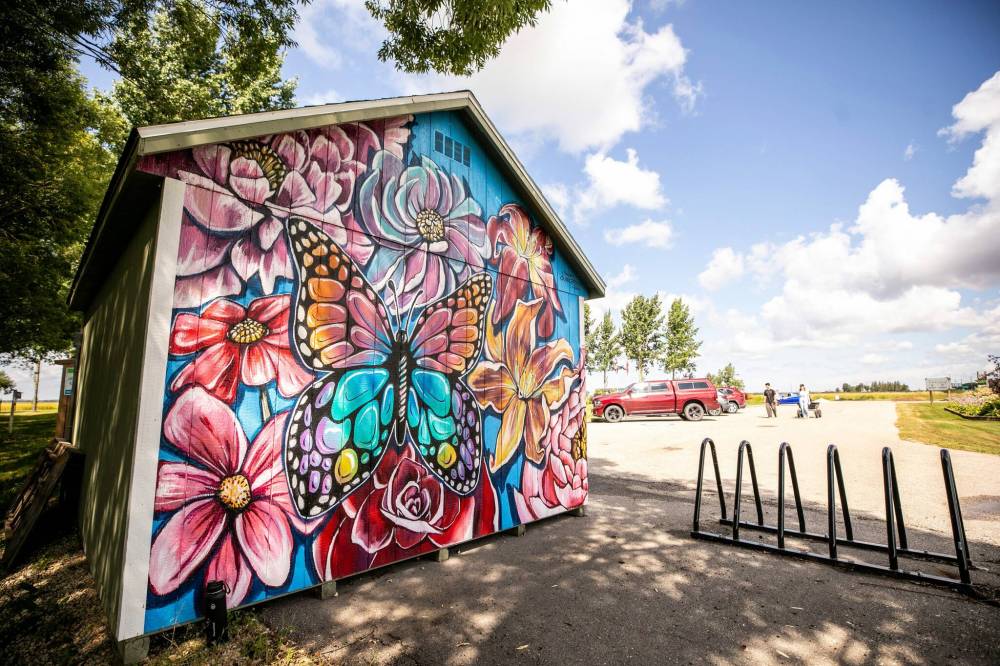
A mural by Rachel Lancaster is on display at the Beausejour Daylily Gardens.
Annual events, such as Culture Days and the Blueberry Jam music festival (which saw an attendance of 10,000 people earlier this month), have been buoyed by community support and the dedicated work of the council, which has administrative staff and a volunteer board.
“We can all do a lot through volunteerism, but at some point you need to have an arts council with operating funds so that you can sustain the things that you love,” says Kolt, who advises recruiting keeners, dreamers and problem-solvers for the job.
The Flin Flon Arts Council receives operating funds from the Manitoba Arts Council and Canadian Heritage, and is supported by memberships, sponsorships, event ticket sales and donations. Kolt agrees more government investment is needed in the rural and northern arts sector.
“Everybody’s working so hard with so little,” she says. “It’s a good use of public funds.”
For those interested in establishing an arts council within their community, Rose-Anne Harder (from the Manitoba Arts Network) recommends starting small and being strategic.
Leveraging the resources and staff of existing recreation centres can be a good way to get arts programming off the ground. It’s also a good idea to learn about what the different demographics of an area want and need.
MIKAELA MACKENZIE / FREE PRESS
The Beauhead Arts Festival features workshops and displays by area artists, performers and writers.
“Buy-in from the community is really important because that’s your future audience,” Harder says.
Harder suggests seeking municipal funding early because it can be tougher to secure later — especially if a project has had success without it. And if financial support isn’t an option, perhaps the in-kind use of a facility is available.
A proven track record is necessary since “most granting places want to see that you’ve been around for a couple years before giving funding, that’s the other Catch-22,” Harder says.
The Manitoba Arts Council also requires first-time operating grant applicants to have received a minimum of two prior project grants.
Back in Beausejour, Brittany Wurch and the Brokenhead River Arts Council have been following those best practices to the letter.
They’ve sought advice from nearby arts councils and have hosted engagement sessions for residents, who elected the inaugural nine-member board. They have a strategic planning document and partnerships with the local rec centre and library. They’re dreaming about an after-school program, gallery and artist talks. But first, a logo and a website.
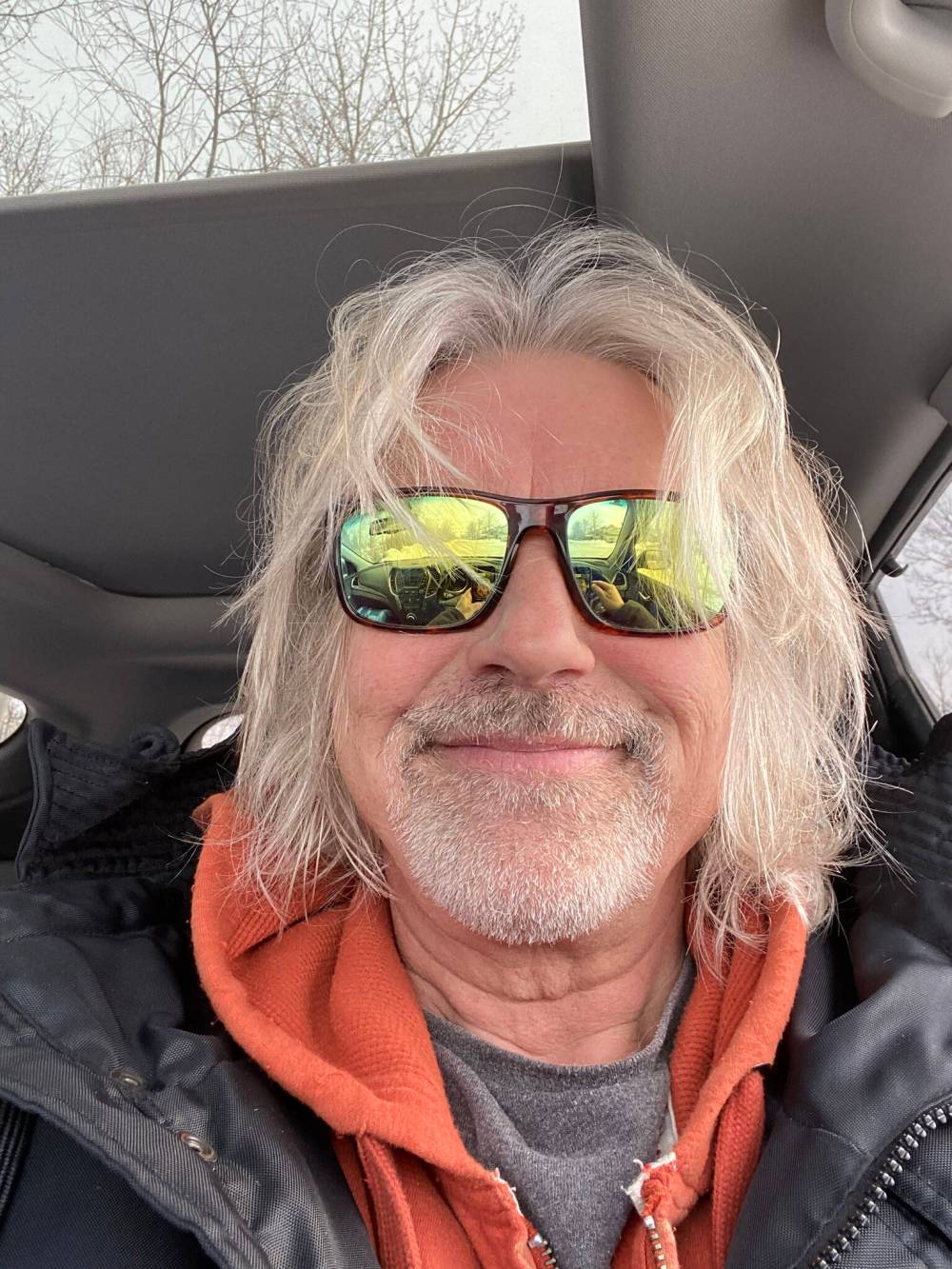
Beausejour area artist Owen Bird
“The biggest thing right now is getting our brand and having a landing page and letting people know we’re here,” Wurch says, adding most board members work full time.
So far, the council has been well-received by local artists.
Michele Campbell is a lifelong painter whose favourite subjects are animals and nature. She enjoys teaching art classes and hopes the council will organize studio tours and exhibitions locally.
“That would save me time and energy and effort that I’d rather put into my art than the business side of it,” Campbell says.
Owen Bird works in the film industry and creates multimedia sculptures in his free time. He moved to the area 15 years ago and has noticed a positive increase in local arts activity.
“Any kind of self-expressional pursuit is beneficial. And it’s good for a region because people might feel more apt to open up and know their neighbours more because they feel more comfortable within themselves,” Bird says.
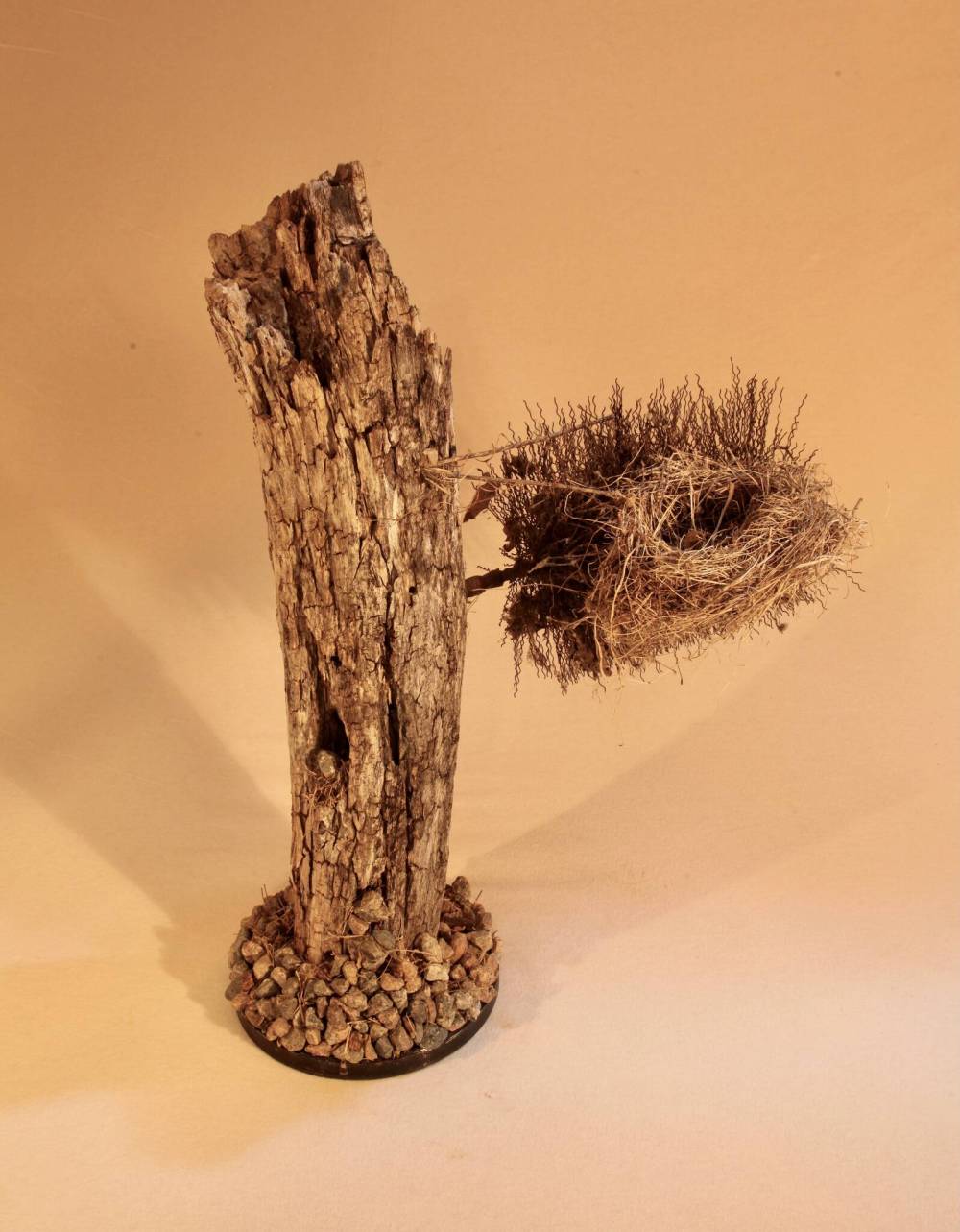
Bird makes multimedia sculptures.
He hopes the new council will give Brokenhead residents new ways to express themselves, while giving artists more avenues to sell and show their work. Creativity, after all, often inspires more creativity.
“Having the opportunity to have an artistic outlet encourages kids, younger people to stick around,” he says.
eva.wasney@winnipegfreepress.com

Eva Wasney covers environmental issues in Manitoba for The Narwhal in partnership with the Winnipeg Free Press. Read more about Eva.
Every piece of reporting Eva produces is reviewed by an editing team before it is posted online or published in print — part of the Free Press‘s tradition, since 1872, of producing reliable independent journalism. Read more about Free Press’s history and mandate, and learn how our newsroom operates.
Our newsroom depends on a growing audience of readers to power our journalism. If you are not a paid reader, please consider becoming a subscriber.
Our newsroom depends on its audience of readers to power our journalism. Thank you for your support.