Docudrama reveals lives of harem’s wilful women

Advertisement
Read this article for free:
or
Already have an account? Log in here »
To continue reading, please subscribe:

Digital Subscription
One year of digital access for only $205*
- Enjoy unlimited reading on winnipegfreepress.com
- Read the E-Edition, our digital replica newspaper
- Access News Break, our award-winning app
- Play interactive puzzles
*First annual payment billed as $205.00 + GST for one year. This annual subscription will automatically renew at $233.00 + GST every 52 weeks (10% off the regular annual price of $259.35). Offer available to new and qualified returning subscribers only. Cancel any time.
To continue reading, please subscribe:
Add Free Press access to your Brandon Sun subscription for only an additional
$1 for the first 4 weeks*
- Enjoy unlimited reading on winnipegfreepress.com
- Read the E-Edition, our digital replica newspaper
- Access News Break, our award-winning app
- Play interactive puzzles
*Your next Brandon Sun subscription payment will increase by $1.00 and you will be charged $17.95 plus GST for four weeks. After four weeks, your payment will increase to $24.95 plus GST every four weeks.
Read unlimited articles for free today:
or
Already have an account? Log in here »
A stable of admiring women centred on a domineering patriarch, a secretive world of sexual oppression — the connotations of the word “harem” are not especially positive or progressive.
But there are famous examples of women who navigated this coercive hierarchy not merely to survive but ultimately to command vast influence, some rising from slavery.
The Sultan’s Women — a docudrama written, produced and directed by Emmy- and Peabody-winning, Morden-born filmmaker David Rabinovitch which has recently become available on Tubi, among other platforms — depicts this world in the turbulent final years of the Ottoman Empire, whose collapse also ended the institution.
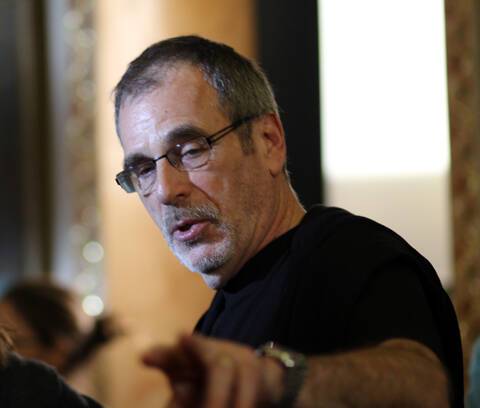
Harem Productions Inc.
Morden-born documentarian David Rabinovitch has also written a book, Jukebox Empire: The Mob and the Dark Side of the American Dream.
Told with a Game of Thrones-like relish for elite intrigues, the film opens in the 1870s, with liberal-minded sultan Murad V and his sprawling harem. Ultimately placed under “house arrest” for nearly three decades in Çırağan Palace in what was then called Constantinople (now Istanbul, Turkey), Murad’s harem had women stronger in will, if not formal position, than the unstable, deposed sultan.
“The women in the harem were under penalty of death to give no interviews, keep diaries or speak to anyone on the outside about their life on the inside,” Rabinovitch says.
“But in 1942, a woman who had lived in the harem for 60 years gave an interview to a Turkish writer and we were able to find a translation of that,” he adds in explaining part of their research process.
A few women protagonists emerge in The Sultan’s Women. One is Princess Hatice Sultan, Murad’s daughter. While Murad’s brother Abdul Hamid II — who famously seized the sultanship and ruled with an iron fist — eventually arranged a marriage for his niece, she repaid the “favour” by having an affair with the sultan’s son-in-law, creating a scandal that echoed across the empire.
Was Hatice’s rebellion a symbol of women’s lib, the regime’s dissolving authority or both?
A more recognizably feminist figure is Halide Edib Adıvar, another central character in the film. Controversial today owing to her complex relationship with the Armenian genocide — she was involved in Islamizing Armenian orphans during the genocide, despite her expressed opposition to forced assimilation — the writer also flouted imperial norms to divorce her husband and obtained a liberal education.
For her role as a novelist, intellectual and prominent figure in Kemal Atatürk’s nationalist movement, she became one of the country’s pioneering modern cultural figures.
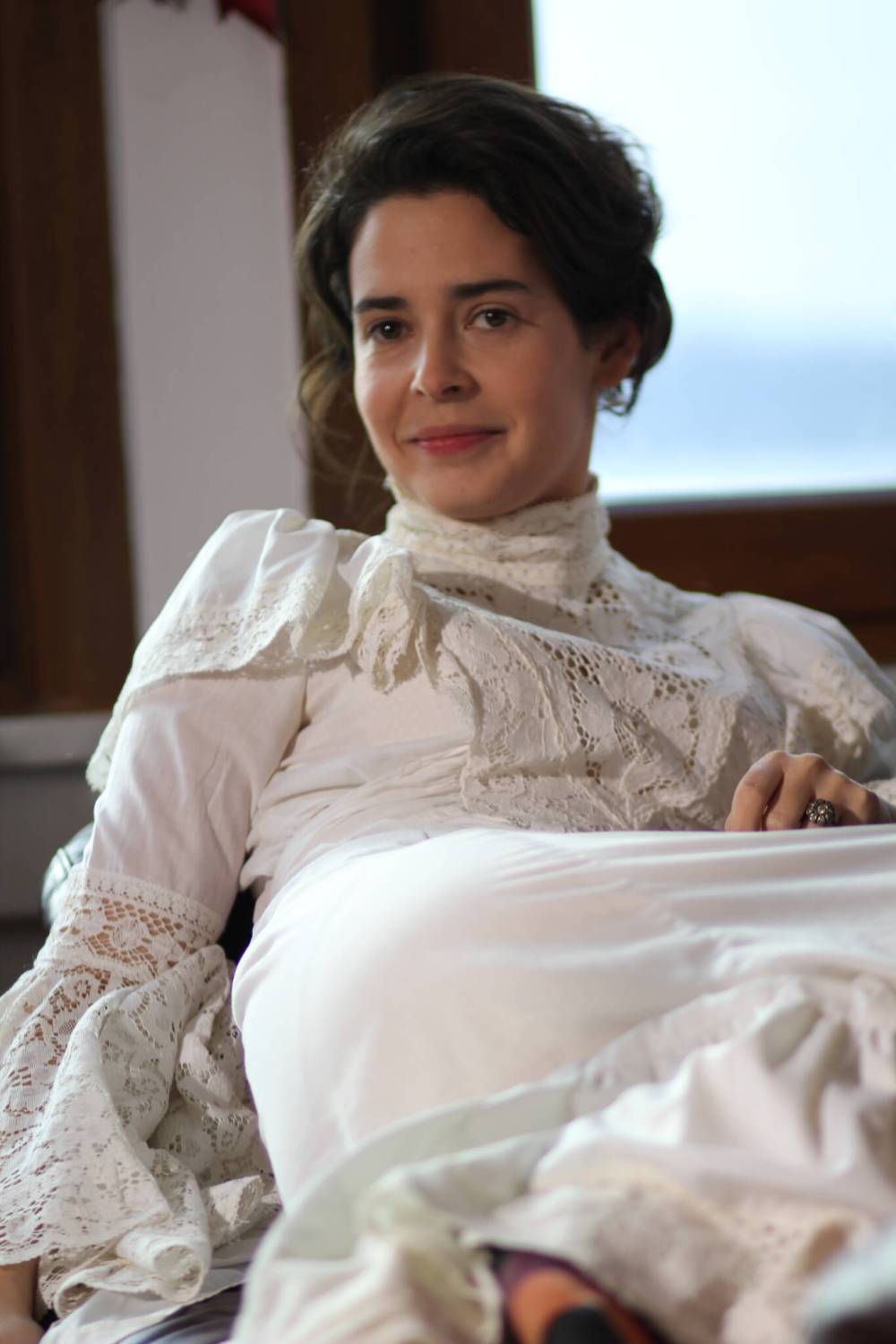
Harem Productions Inc.
The Sultan’s Women, about the lives of women in Ottoman ruler Murad V’s harem, is now streaming.
The Sultan’s Women was originally produced in 2012 in a two-part format under a different title; Rabinovitch has recut the film as a single feature. By 2012, Turkey had already begun its backslide toward authoritarianism, which has effectively frozen its EU accession. Rabinovitch applauds The Sultan’s Women Turkish team for the bravery of tackling the film’s subject matter.
“The president of Turkey, (Recep Tayyip) Erdogan, sees himself as bringing back the glory of the empire. There were a lot of Turkish women in various departments in the crew. One of them stood up and raised her glass and said, ‘If he tries to shut down democracy, it’s the women who will save our country,’” Rabinovitch says.
He describes Turkey’s atmosphere of media repression as trickling into the film’s domestic reception.
“We had a preview screening in Istanbul, and then we had a meeting set up with TRT, which is the Turkish state network. The government had an agenda to control what they put out, and it was a kind of frosty meeting because you could see their political concerns,” he says.
While The Sultan’s Women did not find a home on TRT, it has recently become available internationally on Prime Video in the United States and Ireland, Popsy on Plex and Fawesome, as well as Tubi.
“Beyond the Manitoba roots, there’s (another) story here too. How does a boutique indie producer give a film a second life in today’s streaming landscape?” says the film’s publicist Noah Zatzman, adding that Rabinovitch’s Gemini-winning 2006 miniseries Secret Files of the Inquisition was also recently made available on Prime Video in Canada.
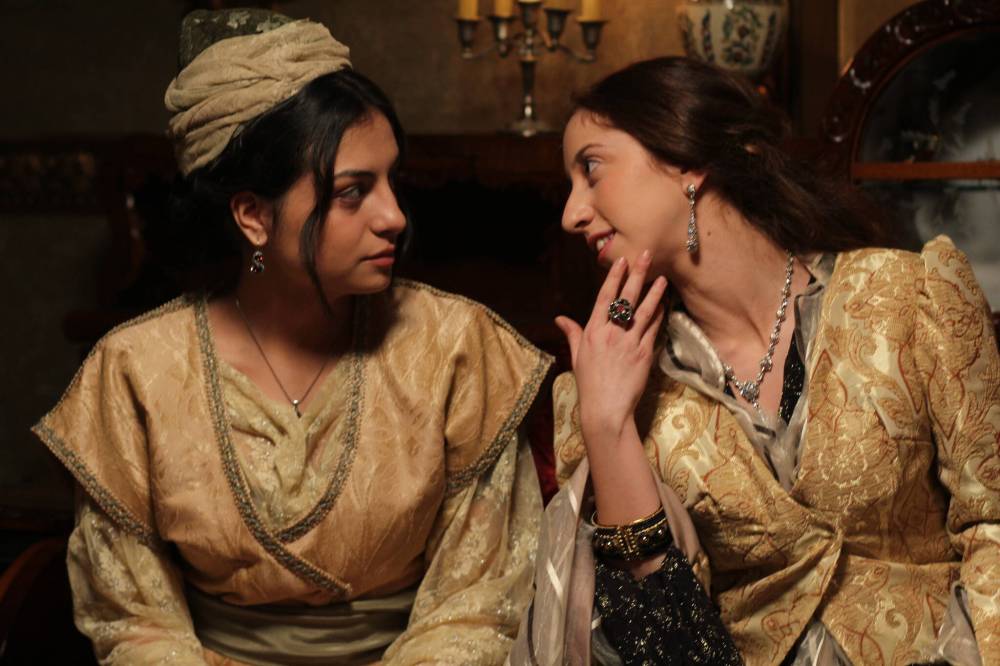
Harem Productions Inc.
The Sultan’s Women, about the lives of women in Ottoman ruler Murad V’s harem, is now streaming.
Titles such as these may give the impression Rabinovitch’s main interest as a documentarian is in the high dramas of bygone theocratic regimes. But the filmmaker, now based in Seattle, is perhaps more renowned for groundbreaking work of an investigative vein.
This includes Shanghai Shadows (1980), the first American documentary shot inside the People’s Republic of China; Crime and Punishment in America (1997), a four-part CBC documentary on criminal justice in America; and the Peabody-winning environmental investigation Politics of Poison (1982), which was screened before a U.S. Congressional subcommittee, among others.
He has also captured imaginations for his first book, Jukebox Empire: The Mob and the Dark Side of the American Dream (2024), which details his uncle’s journey from humble origins in Morden to a Mafia-backed jukebox kingpin.
Its jacket copy only adds more intrigue: “Caught between the Mob and the feds in a plot to save the casinos in Havana from Castro’s revolution, Wolfe Rabin pulls the biggest money-laundering scheme in history, but his hubris leads to the conspiracy unravelling in a sensational trial.”
The question has to be asked: when will we see a version of Jukebox Empire on streaming services?
“That every reader comes back to me with: when am I going to do television?” Rabinovitch says.
While he says anytime a film is made it’s based on a “series of miracles,” he leaves open the possibility that he may one day shepherd Jukebox Empire to the silver screen.
Harem Productions Inc.
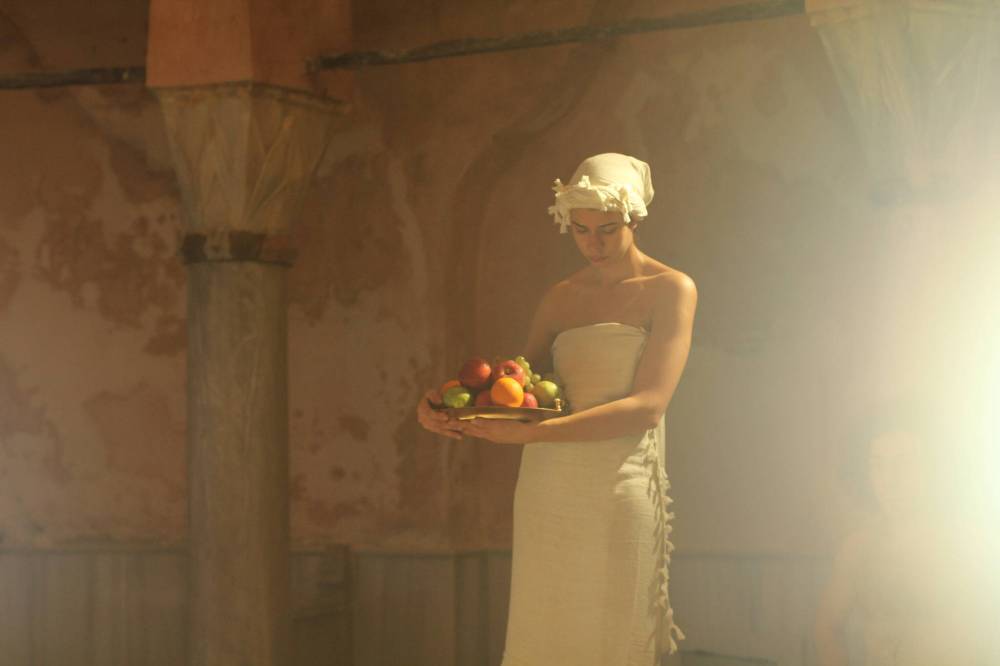
A slave girl prepares a bath in The Sultan’s Women.
“I wear multiple hats. Yes, I’m primarily a writer and director, and early on I became forced to be a producer because that’s how you get your stories told,” he says.
conrad.sweatman@winnipegfreepress.com

Conrad Sweatman is an arts reporter and feature writer. Before joining the Free Press full-time in 2024, he worked in the U.K. and Canadian cultural sectors and freelanced for outlets including The Walrus, VICE and Prairie Fire. Read more about Conrad.
Our newsroom depends on a growing audience of readers to power our journalism. If you are not a paid reader, please consider becoming a subscriber.
Our newsroom depends on its audience of readers to power our journalism. Thank you for your support.
Conrad Sweatman is an arts reporter and feature writer. Before joining the Free Press full-time in 2024, he worked in the U.K. and Canadian cultural sectors and freelanced for outlets including The Walrus, VICE and Prairie Fire. Read more about Conrad.
Our newsroom depends on a growing audience of readers to power our journalism. If you are not a paid reader, please consider becoming a subscriber.
Our newsroom depends on its audience of readers to power our journalism. Thank you for your support.
Advertisement Advertise With Us
Advertisement Advertise With Us