‘Best of’? This year? You’ve got to be kidding

Advertisement
Read this article for free:
or
Already have an account? Log in here »
To continue reading, please subscribe:

Digital Subscription
One year of digital access for only $205*
- Enjoy unlimited reading on winnipegfreepress.com
- Read the E-Edition, our digital replica newspaper
- Access News Break, our award-winning app
- Play interactive puzzles
*First annual payment billed as $205.00 + GST for one year. This annual subscription will automatically renew at $233.00 + GST every 52 weeks (10% off the regular annual price of $259.35). Offer available to new and qualified returning subscribers only. Cancel any time.
To continue reading, please subscribe:
Add Free Press access to your Brandon Sun subscription for only an additional
$1 for the first 4 weeks*
- Enjoy unlimited reading on winnipegfreepress.com
- Read the E-Edition, our digital replica newspaper
- Access News Break, our award-winning app
- Play interactive puzzles
*Your next Brandon Sun subscription payment will increase by $1.00 and you will be charged $17.95 plus GST for four weeks. After four weeks, your payment will increase to $24.95 plus GST every four weeks.
Read unlimited articles for free today:
or
Already have an account? Log in here »
Hey there, time traveller!
This article was published 26/12/2020 (2051 days ago), so information in it may no longer be current.
December is usually a time for Top 10 lists and year-in-review pop-culture trend pieces. But can this sad, difficult, unprecedented annum be distilled into a few “best of the best” bullet points? Looking back, 2020 feels elusive, unending, fragmented and fogged.
As COVID shut down vast swaths of our daily life, TV production slowed. Movie releases were delayed or moved from big multiplex opening weekends to anticlimactic rollouts on home screens.
Housebound viewing audiences became increasingly broken up as they chose among proliferating, competing streaming services.
The usual annual galas that mark the pop culture calendar were just weird. Splashy awards shows like the Emmys and the Country Music Awards felt either like giant Zoom meetings or heedless superspreader events.
Even those lists of “famous people we’ve lost” felt different this year, when so many families and communities were mourning so much already.
Dealing with battered attention spans and escalating stress, many of us found it hard to focus, even in our off-hours. Some people talked about using their shutdown time to tackle some challenging viewing — the complete works of Ingmar Bergman! — but I suspect a lot of pop-culture consumption in 2020 involved adorable YouTube videos of unlikely animal friendships, compulsive social media doom-scrolling, sarcastic “It’s fine, I’m fine, everything’s fine!” memes and Baby Yoda.
Still, there were singular moments and some shared — mostly trauma-related — trends that stood out even in this strange and difficult year.
Comfort TV or ripped-from-the-headlines realism?
When it came to at-home viewing, many of us toggled between pure escapism and whistling-in-the-dark scares.
Turning our backs on the pandemic, we watched the hot mess of The Bachelorette, the table-tipping exploits of the Real Housewives franchise, the soothing calm of Tidying Up with Marie Kondo.
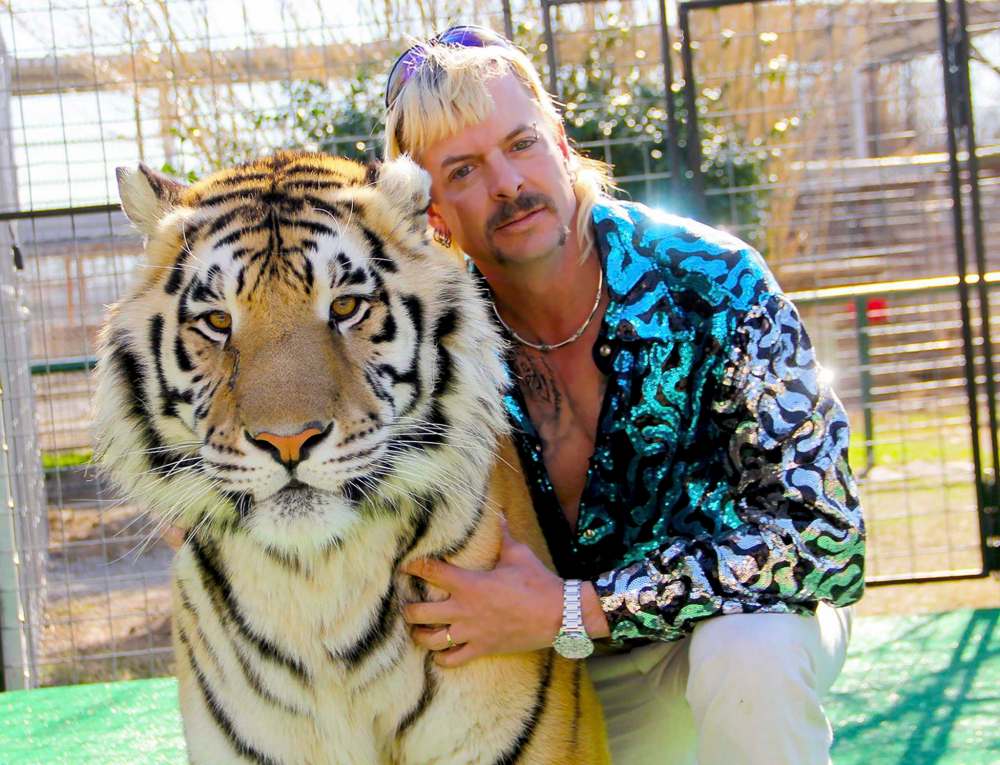
Tiger King — appalling, exploitational, queasily compelling — became a bingey hit during the first weeks of the lockdown.
At other times, we wanted to probe their our worst fears. Older COVID-adjacent movies beckoned to us. We walked the eerie, empty streets of a zombie apocalypse (28 Days Later). We confronted physical claustrophobia (Panic Room). We grappled with isolation (Cast Away). We faced the dread of endless, unchanging time (“Groundhog Day was a horror movie all along,” proclaimed one headline).
And sometimes, we just wanted our pandemic straight up. The most topical film of 2020 was actually made in 2011. Contagion, Steven Soderbergh’s ensemble disaster drama about a deadly global plague, grabbed audiences in the early months of COVID with its startling, specific prescience.
Utopia, on the other hand, an American remake of a 2013 cult British series, felt as if it shouldn’t have been released in 2020. A paranoid tale of a hoax pandemic and a vaccine engineered by a global elite for social control, its “conspiracies are so cool” vibe felt spectacularly ill-timed and irresponsible.
The end of satire:
The Trump administration continued to test the limits of parody. Steve Carell’s comedy about the Space Force ended up being substantially less funny than the real-life Space Force, for example.
Rudy Giuliani’s Four Seasons Total Landscaping press conference — located between a sex shop and a crematorium — seemed to have been scripted by a drunken television-writers’ room. The space between “Wow, it’s like watching an SNL video” and “Yup, that’s an actual SNL video” collapsed into itself during hearings into supposed American election fraud, in which news footage of one unhinged witness was as comically rich and weird as the Cecily Strong impersonation that inevitably followed.
Sarah Cooper’s 2020 TikTok riffs made some headway: She uses Donald Trump’s actual voice but overlays herself — her face, her body, her expressions and gestures — to replicate, say, the president’s musings about the efficacy of injecting bleach. She’s him and she’s not him, and the gap between those two states yields new insights.

Other comedians hit the wall, though. How do you satirize something that seems to have arrived pre-satirized, so ridiculous or grotesque that it already feels like too much?
Maybe that’s why one of the most effective Trump portrayals in 2020 wasn’t comic at all but a downplayed dramatic turn by Brendan Gleeson, who played the 45th president in The Comey Rule. Hulking but empty, he managed to make eating vanilla ice cream feel vaguely sinister.
Best of:
There are plenty of good Top 10 lists out there right now. Despite all the chaos, there was some terrific television and film this year, from the harrowing, sometimes hilarious, always unpredictable I May Destroy You to the radical restructuring of the true-crime genre in I’ll Be Gone in the Dark.
But looking back at a year that saw lives upended by political turmoil, economic anxiety and a worldwide pandemic, the best TV shows and movies are whatever helped get you through, whether that was Sesame Street for your cabin-fevered kids or an old sitcom on a nostalgia loop for you.
As we say goodbye to the longest year ever, here’s hope for a brighter 2021.
Studying at the University of Winnipeg and later Toronto’s York University, Alison Gillmor planned to become an art historian. She ended up catching the journalism bug when she started as visual arts reviewer at the Winnipeg Free Press in 1992.
Our newsroom depends on a growing audience of readers to power our journalism. If you are not a paid reader, please consider becoming a subscriber.
Our newsroom depends on its audience of readers to power our journalism. Thank you for your support.
Studying at the University of Winnipeg and later Toronto’s York University, Alison Gillmor planned to become an art historian. She ended up catching the journalism bug when she started as visual arts reviewer at the Winnipeg Free Press in 1992.
Our newsroom depends on a growing audience of readers to power our journalism. If you are not a paid reader, please consider becoming a subscriber.
Our newsroom depends on its audience of readers to power our journalism. Thank you for your support.
Advertisement Advertise With Us
Advertisement Advertise With Us