The beauty of the bleak Cinematheque bringing slew of sad, poignant pictures to silver screen for festival
Read this article for free:
or
Already have an account? Log in here »
To continue reading, please subscribe:

Digital Subscription
One year of digital access for only $205*
- Enjoy unlimited reading on winnipegfreepress.com
- Read the E-Edition, our digital replica newspaper
- Access News Break, our award-winning app
- Play interactive puzzles
*First annual payment billed as $205.00 + GST for one year. This annual subscription will automatically renew at $233.00 + GST every 52 weeks (10% off the regular annual price of $259.35). Offer available to new and qualified returning subscribers only. Cancel any time.
To continue reading, please subscribe:
Add Free Press access to your Brandon Sun subscription for only an additional
$1 for the first 4 weeks*
- Enjoy unlimited reading on winnipegfreepress.com
- Read the E-Edition, our digital replica newspaper
- Access News Break, our award-winning app
- Play interactive puzzles
*Your next Brandon Sun subscription payment will increase by $1.00 and you will be charged $17.95 plus GST for four weeks. After four weeks, your payment will increase to $24.95 plus GST every four weeks.
Read unlimited articles for free today:
or
Already have an account? Log in here »
Summer has officially begun, and the Dave Barber Cinematheque is ringing in the season with a seven-day festival full of despairing, shocking and unpleasant cinema.
Lead film programmer Olivia Norquay could hardly wait for Bleak Week.
Started in Los Angeles by the American Cinematheque in 2022, this year, the festival is expanding to 73 cities and nearly 100 theatres across the U.S., Canada, England, Scotland, Mexico, Uruguay, Argentina and Chile. Each venue then plots its own program of “uncompromising” films that “wholly embrace a cinema of despair in pursuit of unpleasant truths and raw empathy.”
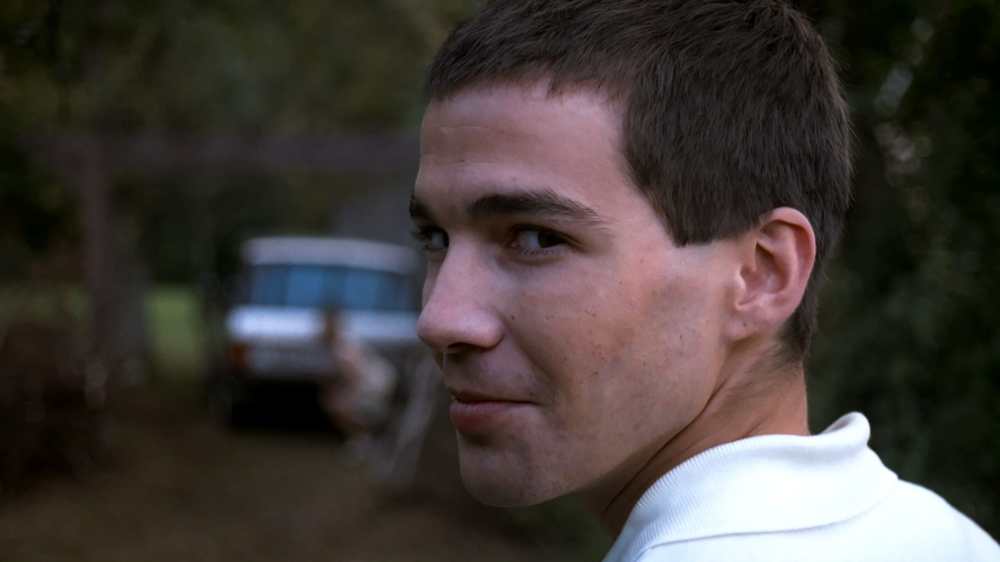
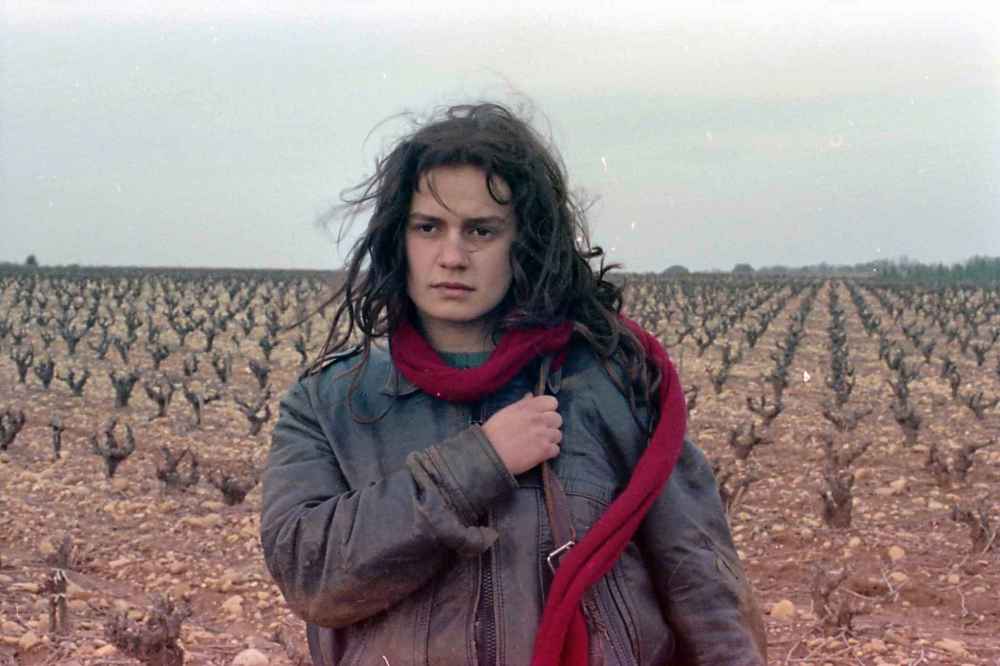
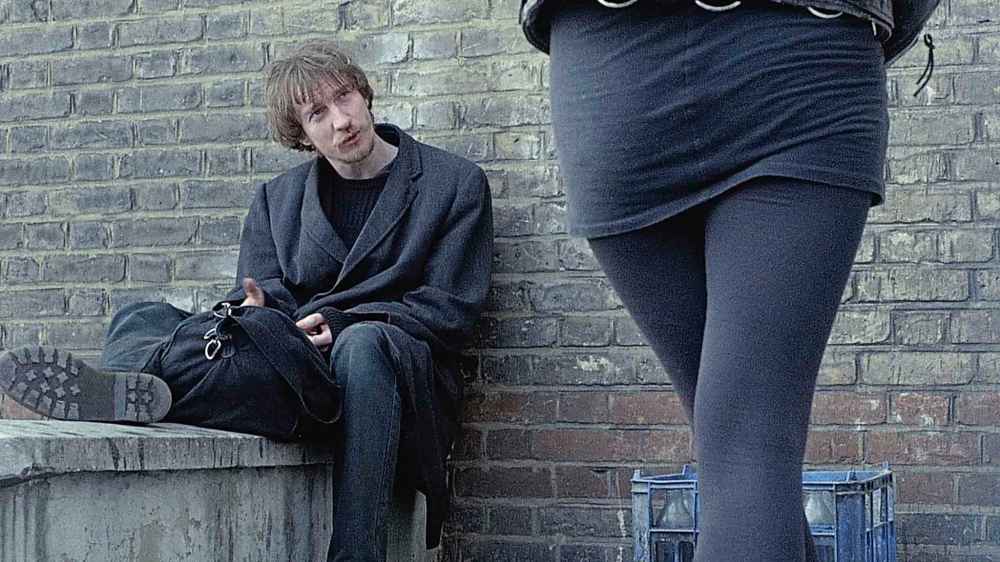
Norquay — who selected 17 films from directors such as Béla Tarr (The Turin Horse), Agnès Varda (Vagabond), Michael Haneke (Funny Games) and Barbara Loden (Wanda) — says that even though this is the first year of participation for Winnipeg’s only downtown movie theatre, programming bleakness is nothing new at the Dave Barber Cinematheque.
“I feel like, unofficially, that’s been my whole career here,” says the programmer, who’s screened such upsetting fare as Typhoon Club, a claustrophobic school daze trauma flick by Japanese director Shinji Somai.
“Personally, I find really upsetting, bleak films to be quite life-affirming and — I don’t want to say relaxing, because that’s not quite it — but I do enjoy a feel-bad movie.”
Bleak Week began Monday with a 7 p.m. screening of Tarr’s final picture, a film the late Hungarian said was the only one of his films he could not categorize as a comedy. The minimalist film, released in 2011, is built around a well-circulated anecdote that in 1889, after witnessing a horse being whipped on the street, philosopher Friedrich Nietzsche suffered a mental breakdown that effectively ended his scholarly career.
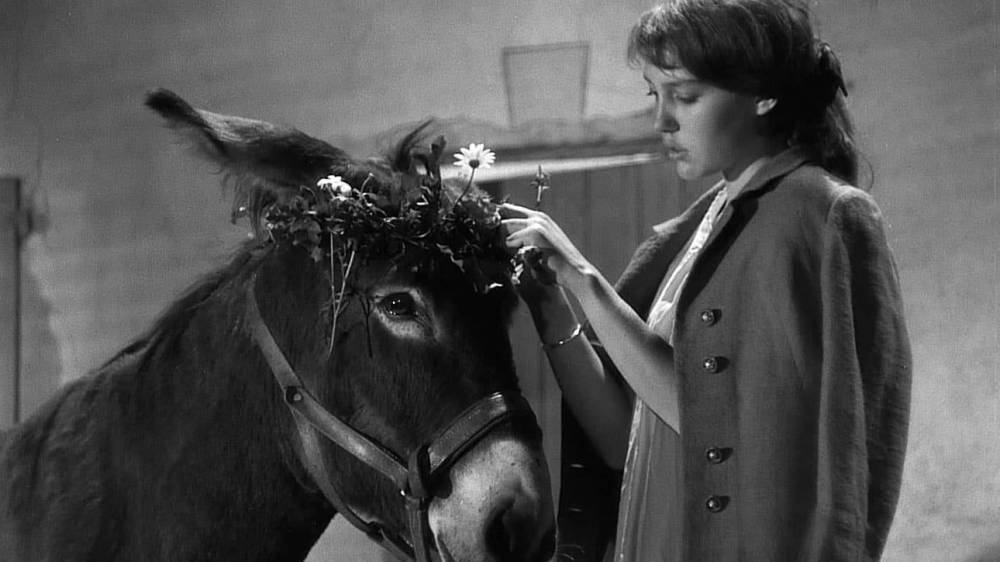
The Turin Horse leads a subgenre of non-human drama that includes screenings of Robert Bresson’s donkey-led Au Hasard Balthazar (Friday, 5 p.m.) and The Plague Dogs (Sunday, 3 p.m.), director Martin Rosen’s followup to the rabbit-focused Watership Down (both based on books by Richard Adams).
“I do enjoy a feel-bad movie.”
Another subcategory that permeates the festival’s uncompromising program is the fallout of wars both nuclear and otherwise.
Released on the BBC in 1984, director Mick Jackson’s Threads is a terrifying, thoroughly researched and entirely realistic account of a nuclear attack on the city of Sheffield, which the director chose as the setting owing to its industrial workload and its location “bang in the middle” of England, he said in a web documentary about the program. Depicting the impact on ordinary people within a crumbling city, Threads (Today, 9:30 p.m.) is “the closest you’ll ever want to come to nuclear war.”
Set in the Japanese metropolis of Kobe in the aftermath of a Second World War firebombing, Grave of the Fireflies (Saturday, 3 p.m.) follows two orphans as they piece together their future in a changed world. From director Isao Takahata — a co-founder, with Hiyao Miyazaki, of Studio Ghibli — the animated film is widely considered among the saddest ever made.
“What makes those movies so impactful is that they focus on individuals. The thread throughout all these films is this hope for humanity, in a way,” says Norquay.
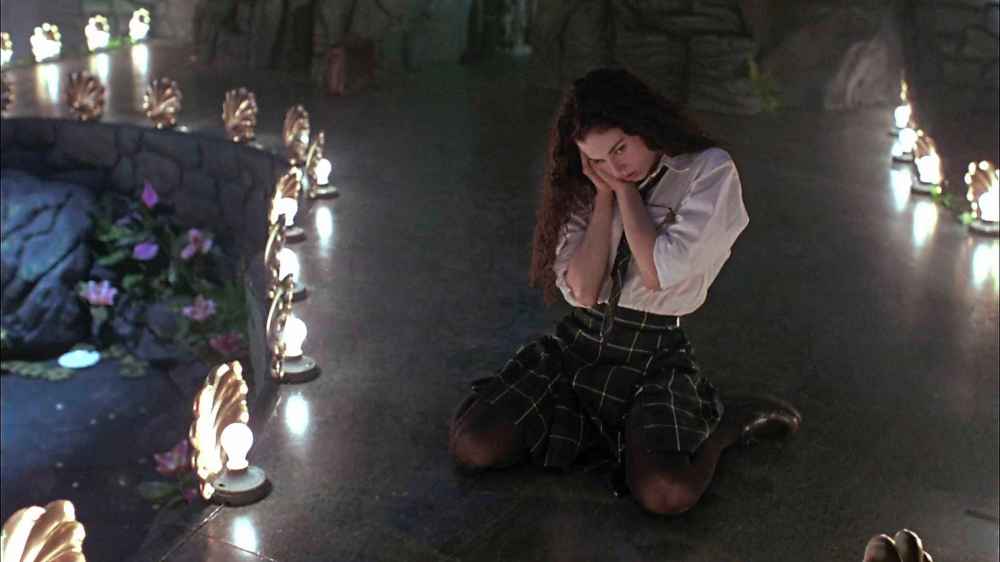
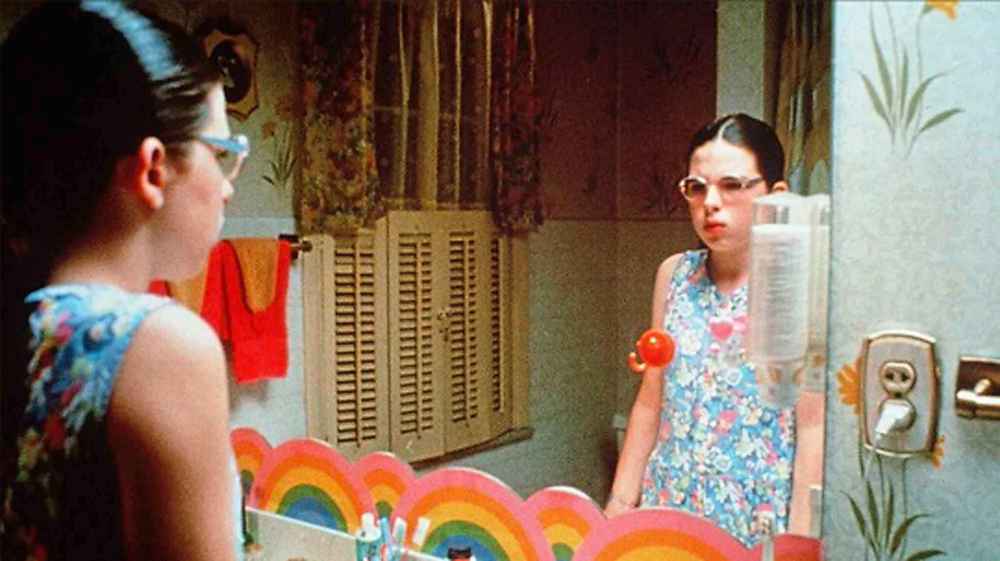
The lone Canadian feature slated to screen is Atom Egoyan’s strip-club-set Exotica, which will be shown Thursday (7 p.m.) via a 35-mm print from the TIFF Film Reference Library. Starring Bruce Greenwood, Don McKellar, Mia Kirshner, Victor Garber and Sarah Polley, 1994’s Exotica gives Norquay a similar vibe as Todd Solondz’s 1996 feature Welcome to the Dollhouse, which screens Friday at 7 p.m.
Both films depict “the horrors of the suburbs in a way and also what’s bubbling below a tight-knit community, but there’s also a fantasy element to Exotica where it almost feels like everyone’s in a kind of purgatory,” the programmer says.
In a film that’s later played as a collective variation by countryman Jafar Panahi in his Oscar-nominated road movie It Was Just an Accident, Iranian master Abbas Kiarostami uses the backroads of Tehran to contemplate mortality and finality in Taste of Cherry (Saturday, 5 p.m.). The film follows a middle-aged driver seeking someone to bury him should he end his life.
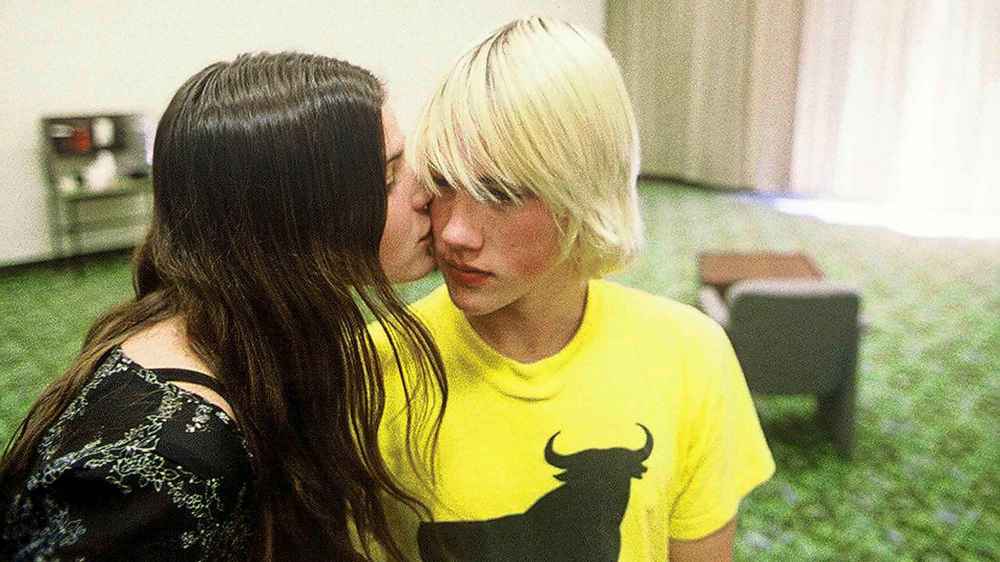
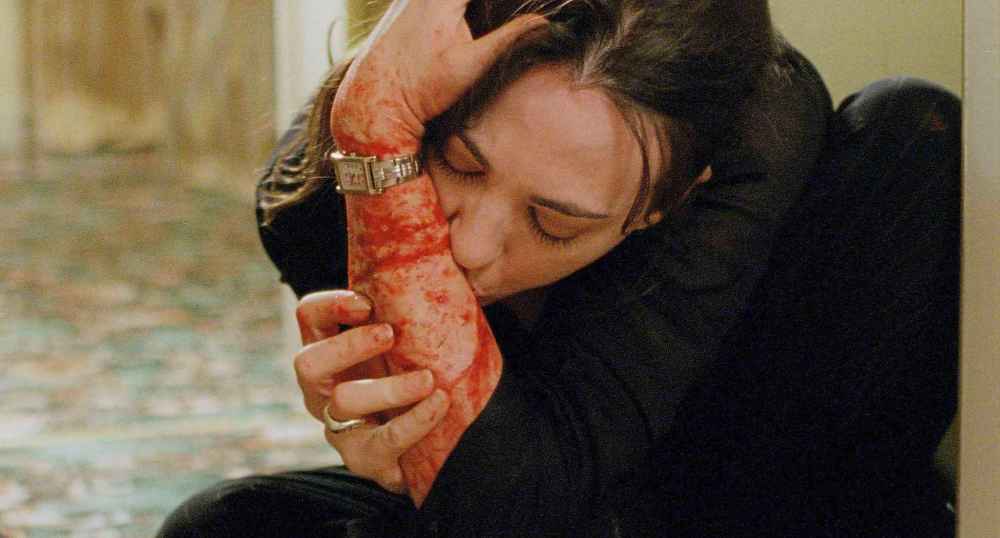
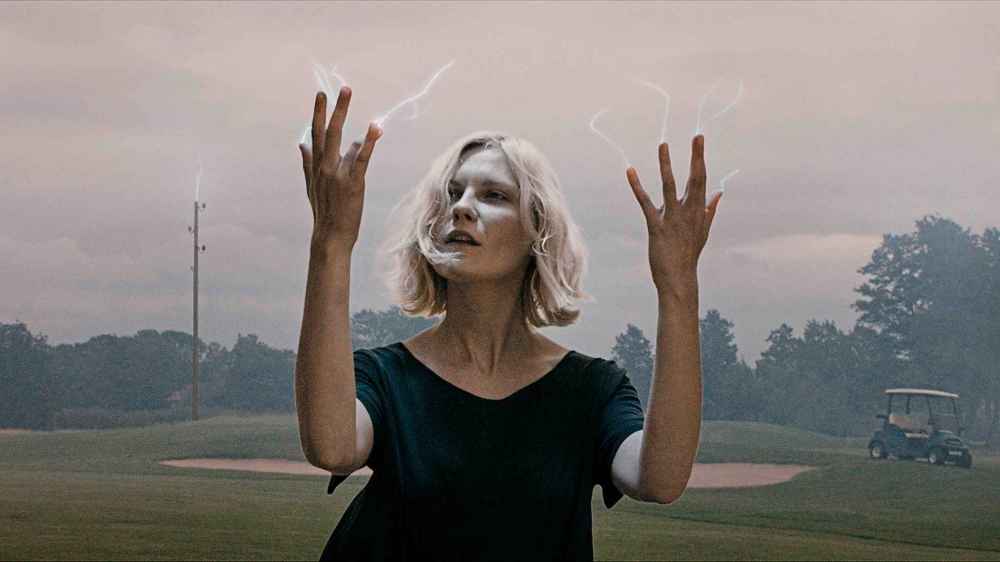
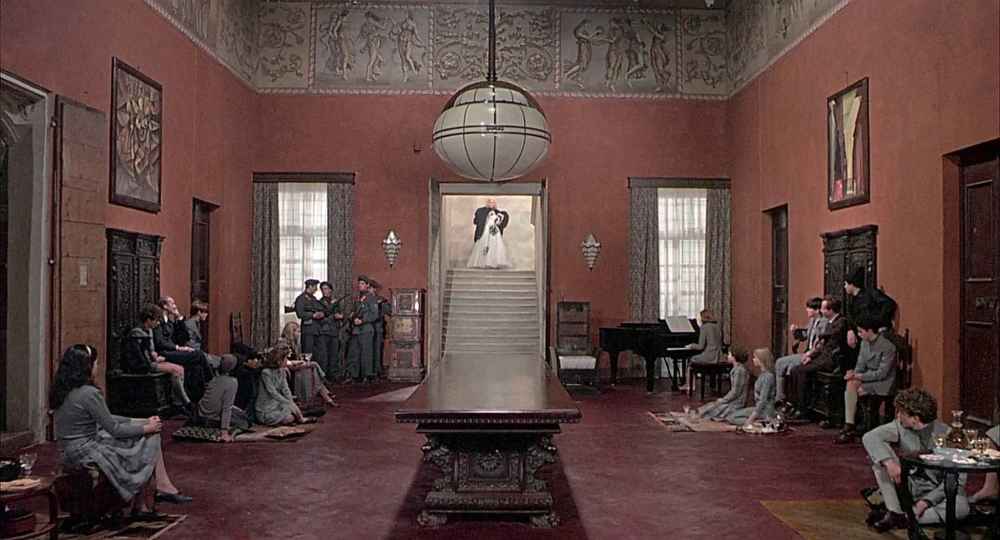
A full schedule of the festival, which also includes films by Pier Paolo Pasolini, Marina de Van, Mike Leigh and Lars von Trier, can be found at davebarbercinematheque.com. Individual tickets cost $11.50, with member pricing available.
The films in this series portray extreme violence, sexual assault, self-harm, suicidal ideation, animal cruelty, torture, blood and gore. Viewer discretion is advised.
winnipegfreepress.com/benwaldman
If you value coverage of Manitoba’s arts scene, help us do more.
Your contribution of $10, $25 or more will allow the Free Press to deepen our reporting on theatre, dance, music and galleries while also ensuring the broadest possible audience can access our arts journalism.
BECOME AN ARTS JOURNALISM SUPPORTER
Click here to learn more about the project.

Ben Waldman is a National Newspaper Award-nominated reporter on the Arts & Life desk at the Free Press. Born and raised in Winnipeg, Ben completed three internships with the Free Press while earning his degree at Ryerson University’s (now Toronto Metropolitan University’s) School of Journalism before joining the newsroom full-time in 2019. Read more about Ben.
Every piece of reporting Ben produces is reviewed by an editing team before it is posted online or published in print — part of the Free Press‘s tradition, since 1872, of producing reliable independent journalism. Read more about Free Press’s history and mandate, and learn how our newsroom operates.
Our newsroom depends on a growing audience of readers to power our journalism. If you are not a paid reader, please consider becoming a subscriber.
Our newsroom depends on its audience of readers to power our journalism. Thank you for your support.
History
Updated on Wednesday, June 24, 2026 6:31 AM CDT: Adds photos