Just become a mensch, my son

Advertisement
Read this article for free:
or
Already have an account? Log in here »
To continue reading, please subscribe:

Digital Subscription
One year of digital access for only $205*
- Enjoy unlimited reading on winnipegfreepress.com
- Read the E-Edition, our digital replica newspaper
- Access News Break, our award-winning app
- Play interactive puzzles
*First annual payment billed as $205.00 + GST for one year. This annual subscription will automatically renew at $233.00 + GST every 52 weeks (10% off the regular annual price of $259.35). Offer available to new and qualified returning subscribers only. Cancel any time.
To continue reading, please subscribe:
Add Free Press access to your Brandon Sun subscription for only an additional
$1 for the first 4 weeks*
- Enjoy unlimited reading on winnipegfreepress.com
- Read the E-Edition, our digital replica newspaper
- Access News Break, our award-winning app
- Play interactive puzzles
*Your next Brandon Sun subscription payment will increase by $1.00 and you will be charged $17.95 plus GST for four weeks. After four weeks, your payment will increase to $24.95 plus GST every four weeks.
Read unlimited articles for free today:
or
Already have an account? Log in here »
Hey there, time traveller!
This article was published 06/02/2010 (6043 days ago), so information in it may no longer be current.
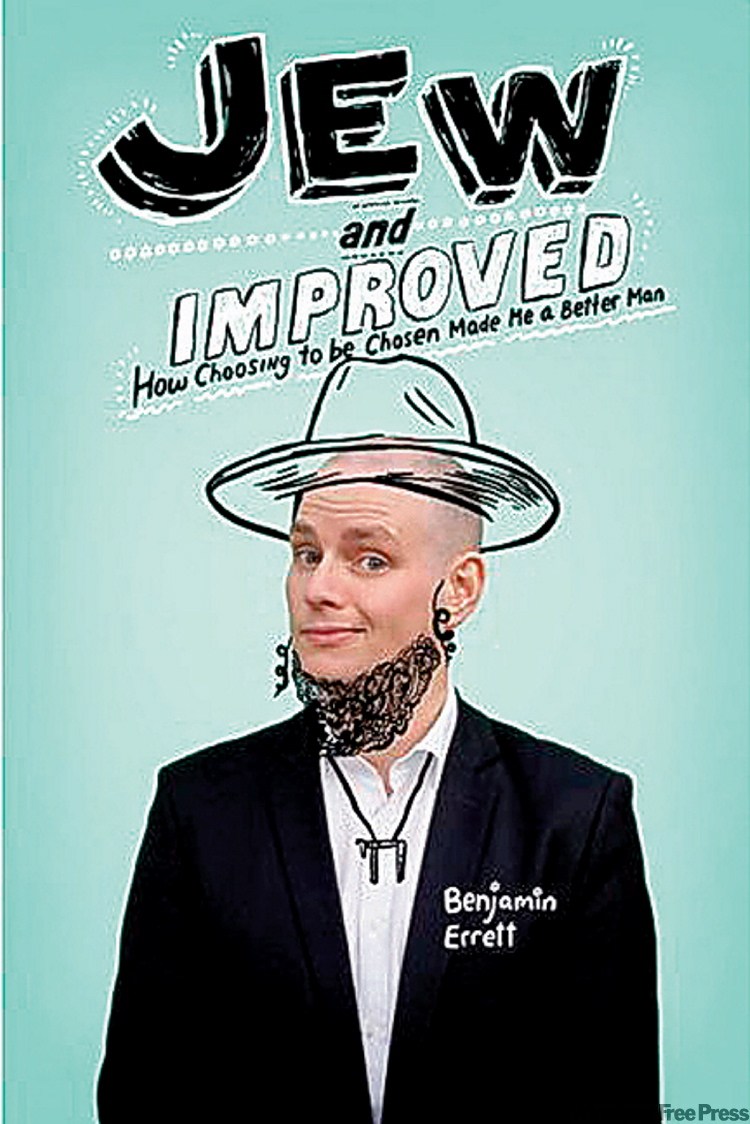
Jew and Improved
How Choosing to be Chosen Made Me a Better Man
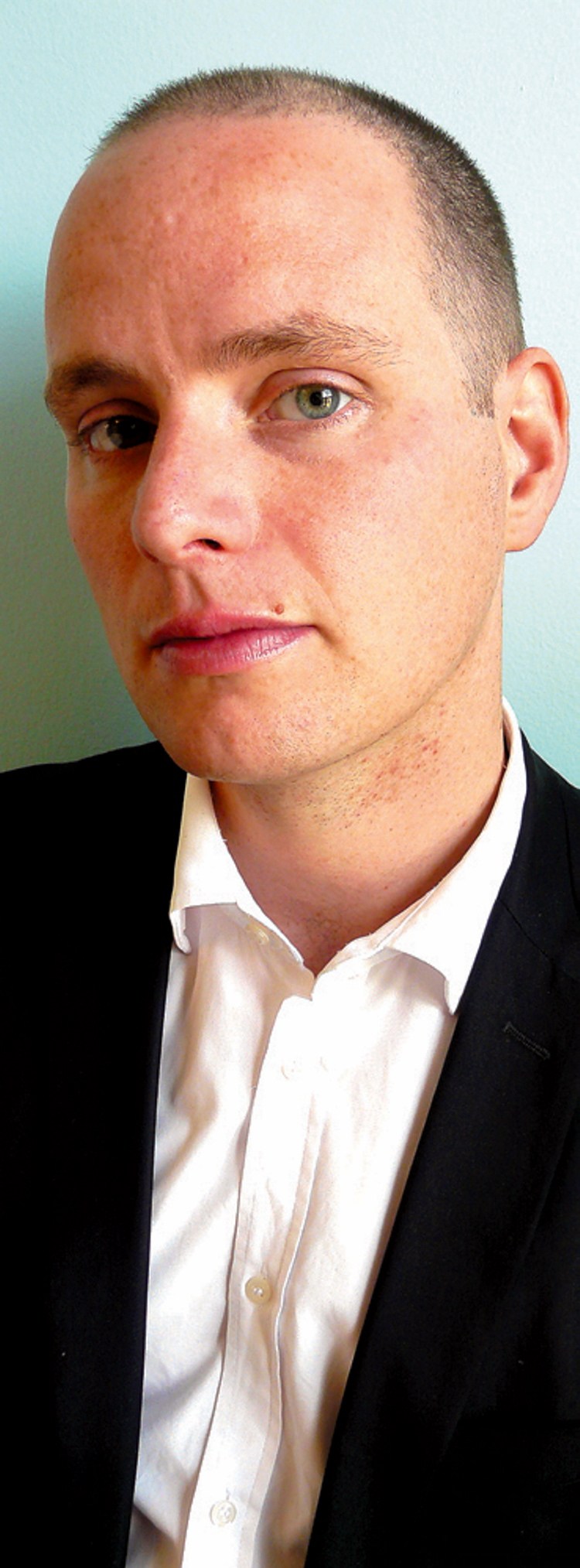
By Benjamin Errett
HarperCollins, 262 pages, $30
In this light and likable comic memoir, Torontonian Benjamin Errett proposes to his Jewish girlfriend, Sarah Lazarovic, and then surprises everyone — including himself — by announcing that he wants to convert to Judaism.
Errett, now a 30-year-old managing editor at The National Post, isn’t quite sure where this impulse comes from.
His knowledge of Jewish converts is limited to Jerry’s dentist on Seinfeld and Charlotte on Sex and the City. He’s an agnostic, coming from half-hearted Protestantism on his father’s side and lapsed Catholicism on his mother’s.
When a rabbi tells him there is no "faith test" in Judaism, that what matters is how he lives his life, he finds a way to begin. A guy who’s a little skeptical about the idea of spiritual journeys takes his first steps.
Errett drags the slightly bemused Sarah along with him to weekly Jewish information classes, where he aces the multiple-choice tests, struggles with Hebrew and enjoys the arts and crafts (they make ribbon-covered matzo holders).
Together, the pair finds their synagogue and — just as importantly, according to the old joke — the synagogue "they wouldn’t set foot in."
They celebrate a Lazarovic family Passover, which combines a ritual meal with a ritual debate about who makes better brisket. They take a press-junket trip to Israel, partly to upgrade Errett’s knowledge of the Middle East situation (his current position being that "they should all just knock it off").
Considering he’s only recently become a Jew, Errett has a good line in self-deprecating shtick. He started at the Post writing punning headlines, and his style is readable, funny and cheeky.
In fact, his rather strict teacher at the Jewish information classes might find it a bit too cheeky. He refers to Yom Kippur as "God’s fiscal year end," and explains Sarah’s kosher lapses by saying that "bacon is a gateway food."
Still, this story of "goy meets girl" has a serious subtext. At one level it’s about a personal religious conversion, but it also functions as a more universal coming-of-age story.
Since the 1960s, young, educated middle-class North Americans have often put off the onset of adulthood, distrusting authority and dodging any obligations that might limit their individual freedom. That might be why many people avoid organized religion.

When Errett finally finishes his year of preparation and appears before a panel of three rabbis, he traces his urge to convert to his experiences at the funerals of Sarah’s grandmothers.
He found that traditions, even unfamiliar ones, offered consolation and a sense of continuity, and he began to feel that formal structures marking the transition from one stage of life to another might not be a bad idea. He values Judaism, he says, because it gives "ceremony to life’s important moments."
In the end, Jew and Improved is about becoming, as Errett’s co-religionists would say, a mensch.
Raised in the United Church, Winnipeg journalist Alison Gillmor has been happily married to a nice Jewish guy for 17 years.
Studying at the University of Winnipeg and later Toronto’s York University, Alison Gillmor planned to become an art historian. She ended up catching the journalism bug when she started as visual arts reviewer at the Winnipeg Free Press in 1992.
Our newsroom depends on a growing audience of readers to power our journalism. If you are not a paid reader, please consider becoming a subscriber.
Our newsroom depends on its audience of readers to power our journalism. Thank you for your support.
Studying at the University of Winnipeg and later Toronto’s York University, Alison Gillmor planned to become an art historian. She ended up catching the journalism bug when she started as visual arts reviewer at the Winnipeg Free Press in 1992.
Our newsroom depends on a growing audience of readers to power our journalism. If you are not a paid reader, please consider becoming a subscriber.
Our newsroom depends on its audience of readers to power our journalism. Thank you for your support.
Advertisement Advertise With Us
Advertisement Advertise With Us