Even in second gear, Heighton tells good story
Advertisement
Read this article for free:
or
Already have an account? Log in here »
To continue reading, please subscribe:

Digital Subscription
One year of digital access for only $205*
- Enjoy unlimited reading on winnipegfreepress.com
- Read the E-Edition, our digital replica newspaper
- Access News Break, our award-winning app
- Play interactive puzzles
*First annual payment billed as $205.00 + GST for one year. This annual subscription will automatically renew at $233.00 + GST every 52 weeks (10% off the regular annual price of $259.35). Offer available to new and qualified returning subscribers only. Cancel any time.
To continue reading, please subscribe:
Add Free Press access to your Brandon Sun subscription for only an additional
$1 for the first 4 weeks*
- Enjoy unlimited reading on winnipegfreepress.com
- Read the E-Edition, our digital replica newspaper
- Access News Break, our award-winning app
- Play interactive puzzles
*Your next Brandon Sun subscription payment will increase by $1.00 and you will be charged $17.95 plus GST for four weeks. After four weeks, your payment will increase to $24.95 plus GST every four weeks.
Read unlimited articles for free today:
or
Already have an account? Log in here »
Hey there, time traveller!
This article was published 29/05/2010 (5968 days ago), so information in it may no longer be current.
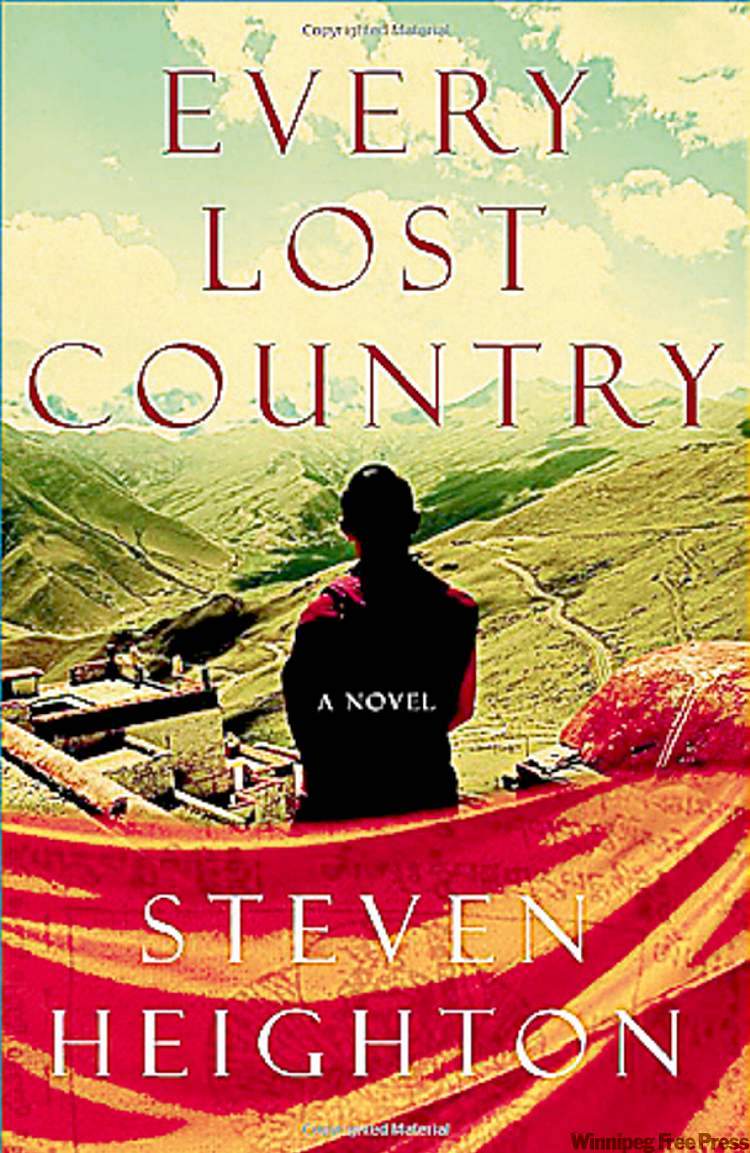
Every Lost Country
By Steven Heighton
Knopf Canada, 330 pages, $30
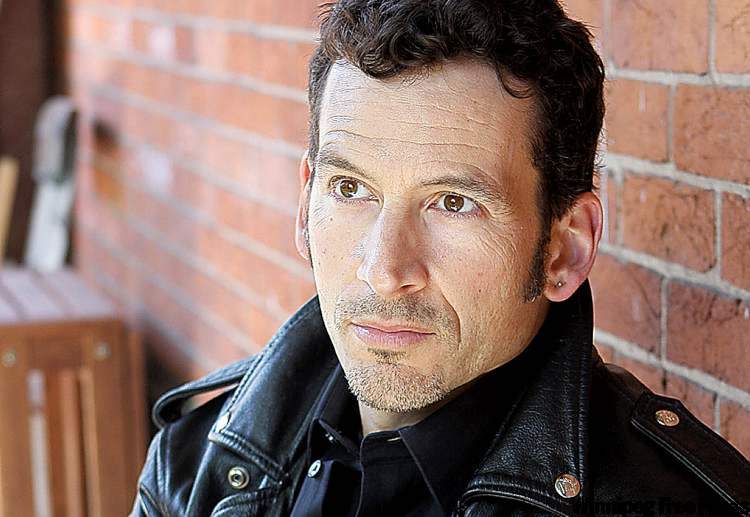
The strength and immediacy of Ontario writer Steven Heighton’s third novel doesn’t match that of his justly admired second, Afterlands, but even in second gear Heighton remains an admirable storyteller.
His ongoing theme is how can one to live morally in a broken world. His method is to take his characters to the limit of physical challenges, and put them in a world not only unlike their own, but seemingly unreal even to their imaginations.
In Afterlands, it was an ice floe in the 19th-century Arctic, where Europeans and Inuit travailed in the cold towards both death and survival.
In Every Lost Country, it’s a mountain in the Himalayas where middle-class Canadians, Tibetans, Nepalese and Chinese move, in the thin air and strong winds, towards the same thing.
The plot is straightforward. An expedition to Mount Kyatruk in Nepal, on the border with Tibet, is interrupted when Chinese guards fire on a number of Tibetans trying to cross it.
The expedition’s doctor, Lewis Book, who has spent most of his career charging off to help in difficult spots, and who believes "there are no bystanders," goes across the border.
The expedition leader, Wade Lawson, obsessed not only with climbing the mountain, but finding the body of another climber, Murloe, who disappeared years ago, won’t help ("he doesn’t believe in hollow gestures").
He strives to continue upward, while Book’s daughter, Sophie, rushes after her father, as does young filmmaker, Amaris, hired to record the expedition, but now seeing another, more exciting story unfolding.
Book, Amaris, Sophie and the beleaguered Tibetans are taken by the Chinese, then escape, are pursued, and make it, but not without physical (and moral) casualties.
Meanwhile, Lawson reaches the top only to find what he has really come to seek, death itself, which the hollowed-out eyes of Murloe show him. He decides to stay there.
This outline, however, can’t encompass Heighton’s wealth of detail, or his ability to make the ordinary tactile in the reader’s imagination. Examples abound in the descriptions of the taste of a bowl of soup, a baby’s cry, the overwhelming tiredness of the escapees, or even a sunset.
Heighton is especially adept at rendering physical danger: the overwhelming moments of fear and exhilaration when life is threatened by a gunshot, or a precipitous fall. One thinks of John Le Carré or Graham Greene at these moments, and the comparison holds.
Why then refer to the novel as Heighton in second-gear? Simply because the characters, unlike the world they inhabit, don’t live beyond the contemporary clichés they are. Further, the plot Heighton has chosen for them only intensifies this.
Example: Dr. Book, pacifist doctor, takes up a machine-gun, turns Clint Eastwood, and shoots down a pursuing Chinese helicopter; is shot, but survives.
In any case, he and Sophie need a reconciliation, now that she "understands" him. Amaris, the filmmaker, who was adopted from Vietnam after that war by middle-class Toronto parents, represents a hip "new" Canadian arts type, somewhat on the make, but with integrity.

The Tibetans range from a wise nun to a turncoat in the Chinese forces, who can’t shoot the escaping group, but instead kills himself, thus proving the nobility of all. The Chinese commander, Zhao, is the equivalent of Japanese commanders in Second World War movies.
That leaves Hemingwayesque Lawson, who, though the novel’s most convincing character, is outside the main action of the story, no matter how Heighton tries to cobble the two tales together.
Afterlands showed us that any novel by Heighton is important, and, yes, so is Every Lost Country, though its rendering of the physical world, not its characters, is the reason to join his troubled expedition.
Rory Runnells is artistic director of the Manitoba Association of Playwrights and drama editor of Prairie Fire magazine.