If you liked Sharkwater, you’ll like this book
Advertisement
Read this article for free:
or
Already have an account? Log in here »
To continue reading, please subscribe:

Digital Subscription
One year of digital access for only $205*
- Enjoy unlimited reading on winnipegfreepress.com
- Read the E-Edition, our digital replica newspaper
- Access News Break, our award-winning app
- Play interactive puzzles
*First annual payment billed as $205.00 + GST for one year. This annual subscription will automatically renew at $233.00 + GST every 52 weeks (10% off the regular annual price of $259.35). Offer available to new and qualified returning subscribers only. Cancel any time.
To continue reading, please subscribe:
Add Free Press access to your Brandon Sun subscription for only an additional
$1 for the first 4 weeks*
- Enjoy unlimited reading on winnipegfreepress.com
- Read the E-Edition, our digital replica newspaper
- Access News Break, our award-winning app
- Play interactive puzzles
*Your next Brandon Sun subscription payment will increase by $1.00 and you will be charged $17.95 plus GST for four weeks. After four weeks, your payment will increase to $24.95 plus GST every four weeks.
Read unlimited articles for free today:
or
Already have an account? Log in here »
Hey there, time traveller!
This article was published 08/09/2012 (5132 days ago), so information in it may no longer be current.
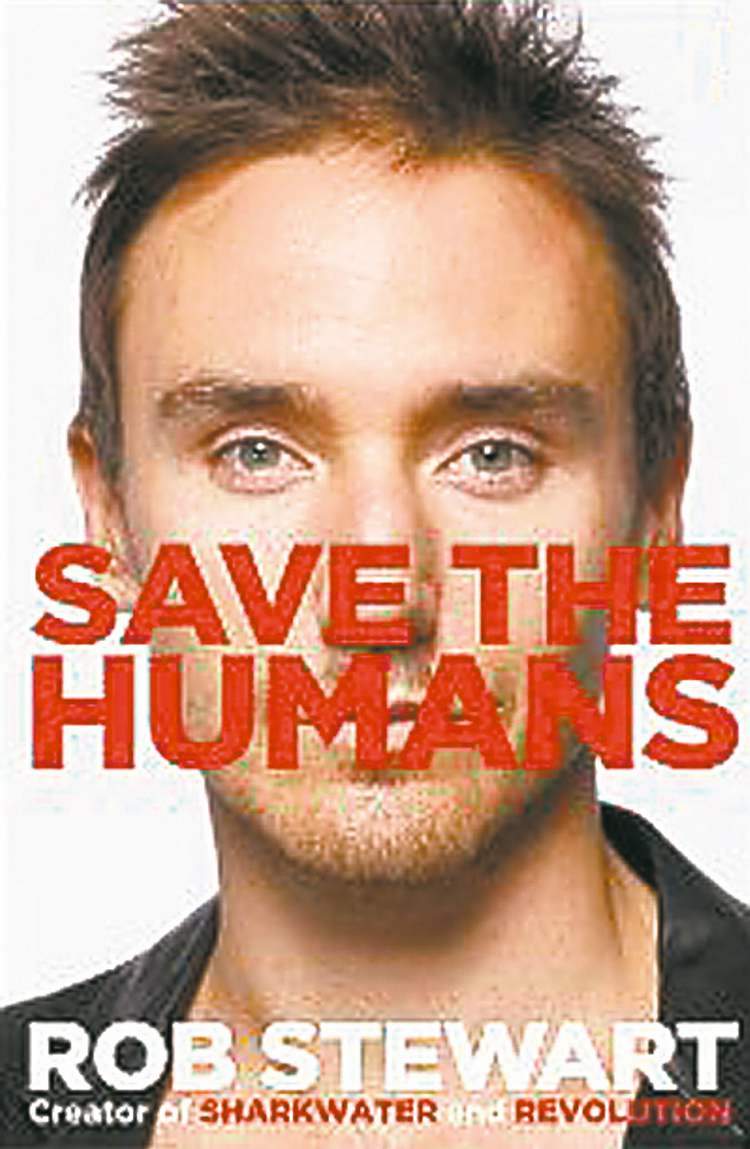
Save the Humans
By Rob Stewart, with Evan Rosser
Random House Canada, 264 pages, $30
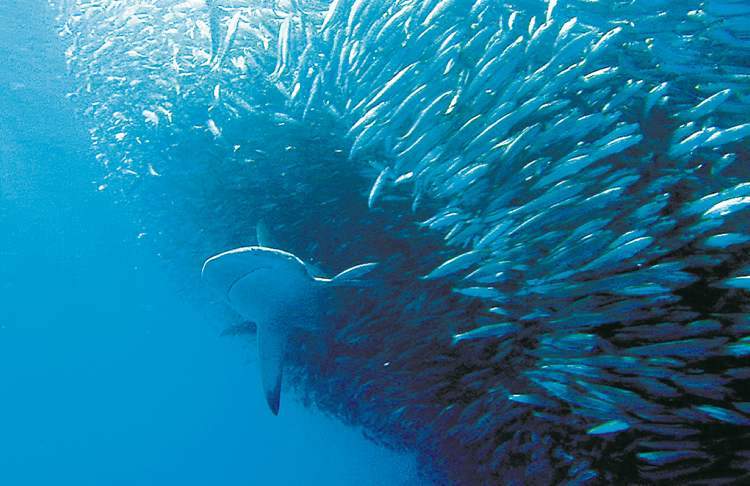
If you liked the 2007 eco-documentary Sharkwater, you’ll probably connect with this new memoir by its Canadian director and star, Rob Stewart.
If you found Sharkwater beautiful and stirring but callow and too self-promoting, Save the Humans will not change your mind about its author.
If you haven’t seen the eco-doc, do so, and then have a look at this book.
Sharkwater is an award-winning documentary about sharks and the efforts of those who are trying to protect them. It’s Discovery Channel’s Shark Week with a conscience.
Using sumptuous high-definition photography, Stewart captures the sleek beauty of a variety of sharks and their dominant and necessary place in the oceanic ecosystem.
He does so to destroy the myth of the blood-thirsty monster perpetuated by Jaws.
Stewart goes on to chronicle the indiscriminate fishing tactic known as long-lining and the brutally illegal trade in shark fins, worldwide practices that have diminished the population of these misunderstood creatures by 90 per cent, or so he claims.
Save the Humans is part memoir, part behind-the-scenes account of the making of Sharkwater, and part revelation of what Stewart has been doing since the movie came out.
Stewart was raised in a wealthy suburb of Toronto by parents who indulged his love of eccentric pets and adventure.
At a young age he had a monitor lizard named Chunk that he describes as “a seriously bitchin’ predator.” He kept a $900 python “with a developmental disorder” in his dorm room at the University of Western Ontario.
No wonder he was teased by his peers or that he describes himself as a loner who could relate to animals “because I was misunderstood and a bit of an outsider myself.”
His parents paid for scuba lessons, cameras and photography lessons, and annual diving vacations to the Caribbean and the Galapagos.
On acquiring the rights to World Wildlife Federation periodicals, they handed over the children’s magazine Wild for him to edit.
This autobiographical section of the book is the longest (almost half its length) and least satisfying.
Stewart comes across as gifted and passionate about animals, but he’s also a spoiled, egocentric kid who hasn’t yet — at age 32 — completely grown up.
He still over-fancies the word “cool.” He’s not as self-aware as he should be.
That’s what sabotaged Sharkwater for some viewers and what can interfere with reader identification in his book.
Part 2 focuses on the fascinating stories behind the making of Sharkwater.
As with backstories about many movies, it’s a suspenseful series of anecdotes about a project that almost didn’t get completed.
Money problems, dangerous encounters with criminals and corrupt authorities, diving misadventures, a flesh-eating disease in Costa Rica, a doomed love life, neglect at wildlife film festivals: everything seems to conspire against him.
Even if you haven’t seen his film, this is an exciting and illuminating story about the trials and tribulations of moviemaking.
With more than 100 hours of gorgeous underwater footage, the movie seems to be going nowhere even with the best of professional editors — until Stewart takes over and decides to make himself the central character.
For some, this is the movie’s fatal flaw.
It’s not just that he comes across as a tanned and toned super dude whose amateurish voice-over controls every scene. It’s his “lone saviour” persona that rankles.

Since the release of Sharkwater, Stewart has been travelling extensively, promoting environmental causes and warning of the dire consequences of the depletion of the oceans.
To his credit, Save the Humans is not the usual depressing jeremiad. Doomsday tub-thumping about environmental catastrophes can be tiresome.
Stewart has established two activist organizations and provides an optimistic action plan at the end.
Oh, he also has a new movie, REvolution, coming out in December.
Gene Walz, a retired University of Manitoba film prof who has seen Jaws dozens of times, does not have galeophobia (fear of sharks).
Related Articles
Stross fans happy, Doctorow fans less so in collaboration
Advertisement Advertise With Us
Advertisement Advertise With Us