Moving tale of HBC man’s Canada
Advertisement
Read this article for free:
or
Already have an account? Log in here »
To continue reading, please subscribe:

Digital Subscription
One year of digital access for only $205*
- Enjoy unlimited reading on winnipegfreepress.com
- Read the E-Edition, our digital replica newspaper
- Access News Break, our award-winning app
- Play interactive puzzles
*First annual payment billed as $205.00 + GST for one year. This annual subscription will automatically renew at $233.00 + GST every 52 weeks (10% off the regular annual price of $259.35). Offer available to new and qualified returning subscribers only. Cancel any time.
To continue reading, please subscribe:
Add Free Press access to your Brandon Sun subscription for only an additional
$1 for the first 4 weeks*
- Enjoy unlimited reading on winnipegfreepress.com
- Read the E-Edition, our digital replica newspaper
- Access News Break, our award-winning app
- Play interactive puzzles
*Your next Brandon Sun subscription payment will increase by $1.00 and you will be charged $17.95 plus GST for four weeks. After four weeks, your payment will increase to $24.95 plus GST every four weeks.
Read unlimited articles for free today:
or
Already have an account? Log in here »
Hey there, time traveller!
This article was published 29/06/2013 (4827 days ago), so information in it may no longer be current.
Barbara Huck is probably best known as a publisher, the owner with her husband of Winnipeg’s Heartland Associates.
But with this historical novel she proves that as well as turning out many attractive volumes about Western Canada, she can spin a fascinating yarn.
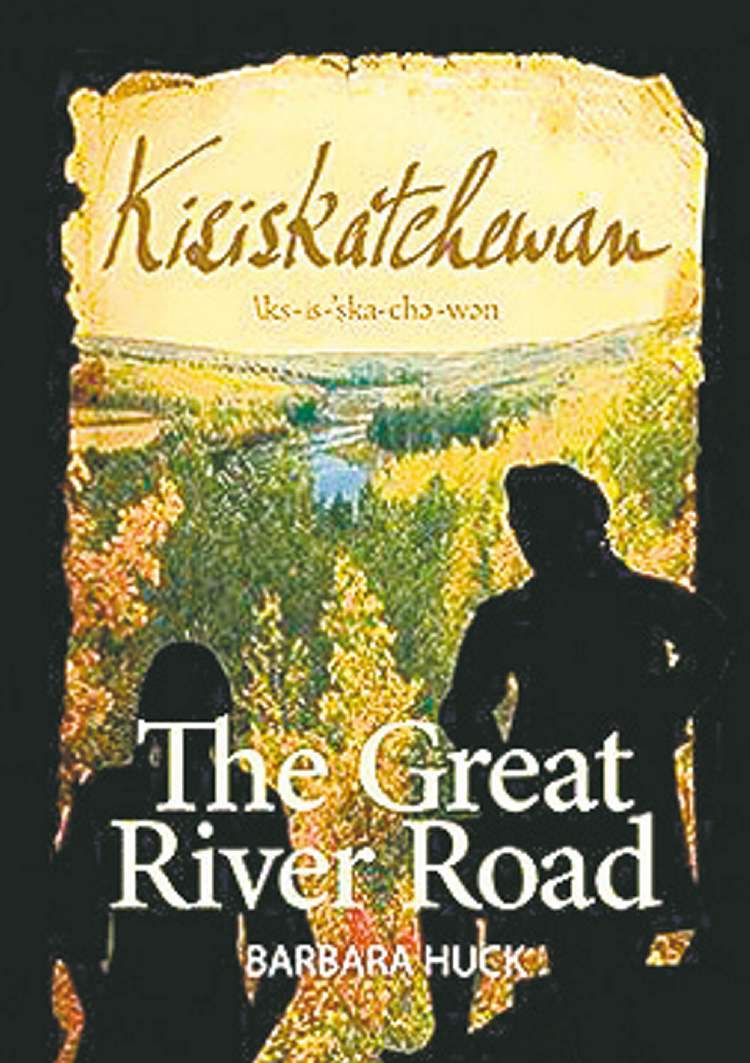
William Tomison, an Orkneyman, real-life Hudson’s Bay Company official and founder of the City of Edmonton, is the central character in this story about northern Manitoba in the late 18th century.
The novel is based on post journals kept by Tomison and all traders and then sent back to England for the edification of the Hudson’s Bay Company’s executives.
Many of these journals are now held in the Hudson’s Bay Company Archives here in Winnipeg. Huck uses these solid historical records to provide a backdrop for her characters, many of whom were real people. She gives them flesh and bones and skillfully molds them into credible and interesting characters.
It is clear from Huck’s foreword she intends to give us a positive account of this man, describing him as one of Canada’s “unsung heroes.” She does, however, show him as a company man, first and always working to make money for the company and not overly sentimental about the hardships of the First Nations trappers.
There is an interesting sequence in which Tomison returns home after many years in Canada, a successful company official who helps his brother financially and endows a school, fulfilling every immigrant’s dream.
Huck’s interest in Tomison is perhaps partly explained by her own connection with the Orkneys: her husband is the Earl of Orkney, Peter St. John.
In the late 1700s, Tomison and the company faced a number of difficulties that threatened their survival. Most important, Canadian traders based in Montreal were making serious inroads into the company’s territory and opening up new areas in the North where the Hudson’s Bay Company had not previously ventured.
A sports reporter at the Free Press in an earlier life, Huck portrays the men of the North West Company as villainous rapists and murderers who stole furs from native peoples. While this does create a formidable enemy for her characters to overcome, a more balanced portrait of the company’s rivals would have been preferable.
The challenge of the Canadian traders forced the company to adjust its trading methods, building inland posts instead of waiting for the native trappers to bring the furs to the shores of Hudson Bay.
Tomison favoured the banks of the Saskatchewan River — the great river road of the book’s title — as the site for posts. Others wanted to push into the country around Lake Athabasca, rich with furs but under the control of the Canadians.
There are two romances in the novel and the slowly developing affection between Tomison and the much younger Cree woman, Many Birds, is beautifully handled.
Many Birds’ brother, Bear Caller, also falls in love, with a Siksika woman, and their story is full of tension as the reader wonders if they will ever be able to be together.
Huck does a good job of describing the enormous disruption the white traders caused in the lives of the local people.
Her story opens at the time of one of the great smallpox epidemics that swept across the region, killing thousands of aboriginal people. The smallpox upends the lives of Many Birds and her brother and sets them upon new courses they would never have otherwise followed.

Huck handles the tragedy of these young people in a sensitive and respectful manner.
Kisiskatchewan is a great tale that you won’t want to put down, and you’ll learn some Canadian history along the way.
Jim Blanchard is a librarian at the University of Manitoba and the author of four local history books.