Burying the stake
Dispatching vampires has garlic-soaked history

Advertisement
Read this article for free:
or
Already have an account? Log in here »
To continue reading, please subscribe:

Digital Subscription
One year of digital access for only $205*
- Enjoy unlimited reading on winnipegfreepress.com
- Read the E-Edition, our digital replica newspaper
- Access News Break, our award-winning app
- Play interactive puzzles
*First annual payment billed as $205.00 + GST for one year. This annual subscription will automatically renew at $233.00 + GST every 52 weeks (10% off the regular annual price of $259.35). Offer available to new and qualified returning subscribers only. Cancel any time.
To continue reading, please subscribe:
Add Free Press access to your Brandon Sun subscription for only an additional
$1 for the first 4 weeks*
- Enjoy unlimited reading on winnipegfreepress.com
- Read the E-Edition, our digital replica newspaper
- Access News Break, our award-winning app
- Play interactive puzzles
*Your next Brandon Sun subscription payment will increase by $1.00 and you will be charged $17.95 plus GST for four weeks. After four weeks, your payment will increase to $24.95 plus GST every four weeks.
Read unlimited articles for free today:
or
Already have an account? Log in here »
Hey there, time traveller!
This article was published 07/09/2013 (4712 days ago), so information in it may no longer be current.
As vampires sate themselves on human blood, so too is millennial western culture pretty much saturated with vampires.
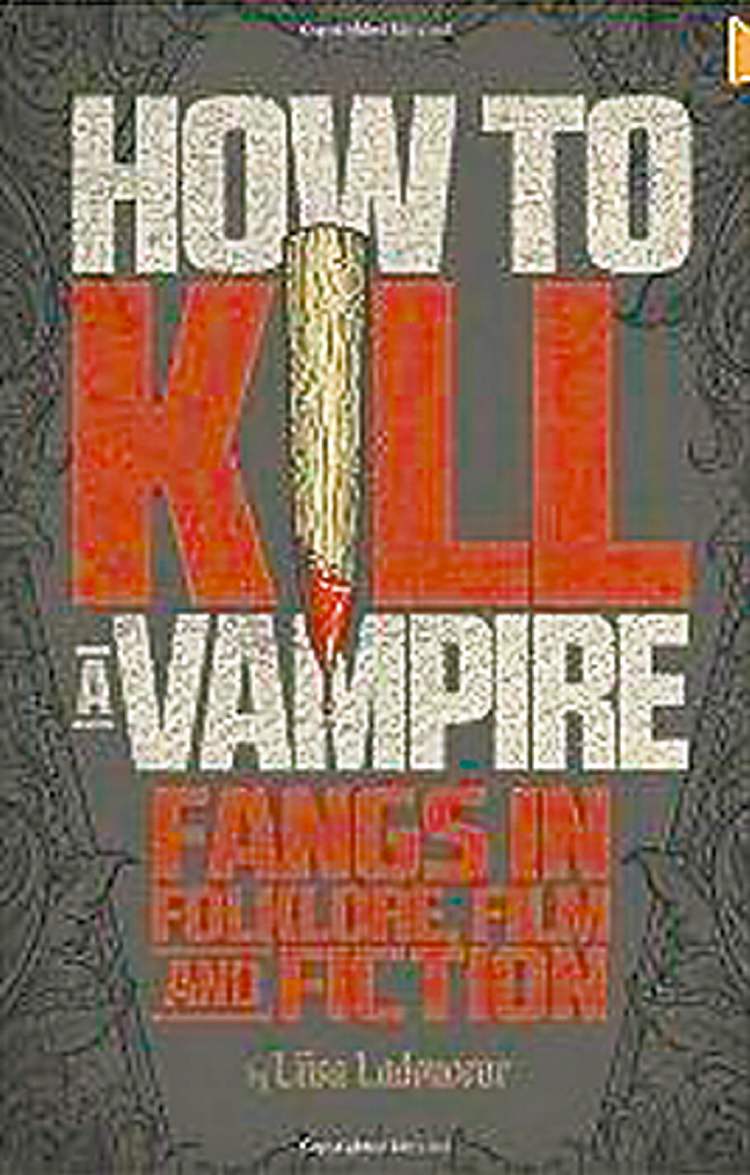
The ongoing popularity of the Twilight series (books and movies), True Blood and The Vampire Diaries suggests a healthy market is in place for How to Kill a Vampire, a guide to fighting the bloodsucking undead.
Call it a thoroughly impractical guide. Toronto-based author Liisa Ladouceur warns that her book is in no way an intended as a how-to tome in the same vein as Max Brooks’ tongue-in-cheek The Zombie Survival Guide.
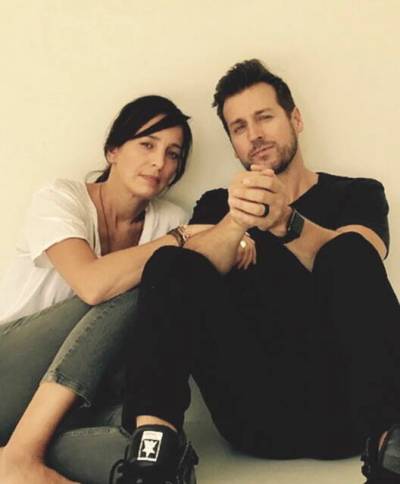
It is more of a survey of vampire disposal in books, movies and in historic reality. An expert in this garlic-laden field, Ladouceur is the goth author (gauthor?) who wrote the 2011 book Encyclopedia Gothica and contributes regular vampire reportage for the excellent Canadian horror mag Rue Morgue.
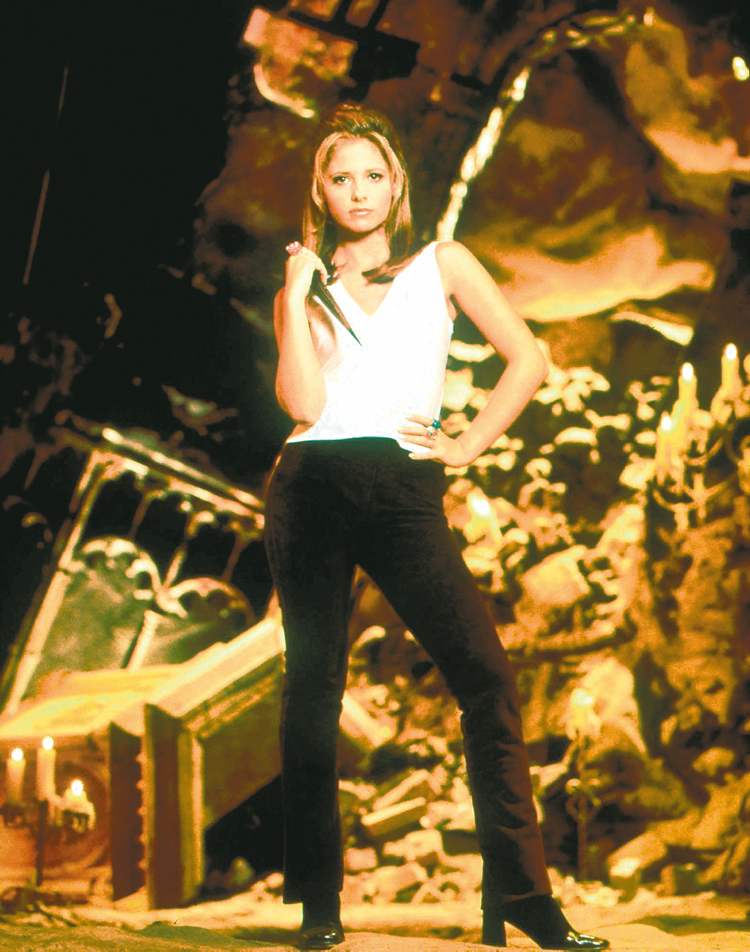
The most famous vampire slayers are Abraham Van Helsing, Buffy Summers (a.k.a. Buffy the Vampire Slayer) and the sword-wielding Marvel comics badass Blade (popularized in a trilogy of films starring Wesley Snipes), and she duly explores their histories.
Van Helsing is an especially rich character as you can judge by the diversity of actors who have played him, including Peter Cushing, Anthony Hopkins and (lord help us) Hugh Jackman.
Ladouceur also covers lesser-known slayers, such as scientist Robert Neville, the sole survivor of a global vampire epidemic in Richard Matheson’s 1954 novel I Am Legend.
Here she betrays some diminished critical capacity, discussing the salient details of Neville’s methodical vampire slaughter as delineated in the book but failing to notice that, in a world of vampires, Neville’s vampire hunter is actually the Dracula figure, stalking his sleeping victims when they are most vulnerable.
For even the most casual genre fans, this is familiar fan-boy stuff. Much more interesting are Ladouceur’s dips into non-fiction history, including iterations of vampires from different cultures. (For example, the “Brahmaparush” from India is a malevolent entity that “eats your brains, drinks blood from your skull, rips out your intestines, wraps itself in them and then dances around.”)
Vampire prevention, as practised in reality, tends to be more colourful than its fictional counterpart, as Ladouceur explains how, in Bulgaria, a potential vamp might be buried face down so that upon its revival, it might only bury itself deeper into the earth.
While one must admire the sheer cumulative breadth of Ladouceur’s expertise, the overall book feels slight. Former Winnipeg author Kier-La Janisse lifted the bar on this kind of genre survey with her recent book House of Psychotic Women, an examination of the crazed heroines from a wide cross-section of horror-thrillers.
Janisse put a bold spin on the subject by combining her formidable critical analysis with autobiography, explaining how those characters resonated in her own troubled life.
That is simply the kind of material you can’t glean from Wikipedia or genre websites such as Horrorpedia. Given a wealth of online resources, it is not enough to present facts from the perspective of a fan, at least while the most compelling question remains unanswered:
Why are you a fan?
Free Press movie critic Randall King knows a thing or two about vampires.
Our newsroom depends on a growing audience of readers to power our journalism. If you are not a paid reader, please consider becoming a subscriber.
Our newsroom depends on its audience of readers to power our journalism. Thank you for your support.
How to Kill a Vampire
Fangs in Folklore, Film and Fiction
By Liisa Ladouceur
ECW Press,
190 pages, $15
Our newsroom depends on a growing audience of readers to power our journalism. If you are not a paid reader, please consider becoming a subscriber.
Our newsroom depends on its audience of readers to power our journalism. Thank you for your support.
Advertisement Advertise With Us
Advertisement Advertise With Us