Full-court press
Michael Jordan may not be likable, but he's still the greatest to have played the game
Advertisement
Read this article for free:
or
Already have an account? Log in here »
To continue reading, please subscribe:

Digital Subscription
One year of digital access for only $205*
- Enjoy unlimited reading on winnipegfreepress.com
- Read the E-Edition, our digital replica newspaper
- Access News Break, our award-winning app
- Play interactive puzzles
*First annual payment billed as $205.00 + GST for one year. This annual subscription will automatically renew at $233.00 + GST every 52 weeks (10% off the regular annual price of $259.35). Offer available to new and qualified returning subscribers only. Cancel any time.
To continue reading, please subscribe:
Add Free Press access to your Brandon Sun subscription for only an additional
$1 for the first 4 weeks*
- Enjoy unlimited reading on winnipegfreepress.com
- Read the E-Edition, our digital replica newspaper
- Access News Break, our award-winning app
- Play interactive puzzles
*Your next Brandon Sun subscription payment will increase by $1.00 and you will be charged $17.95 plus GST for four weeks. After four weeks, your payment will increase to $24.95 plus GST every four weeks.
Read unlimited articles for free today:
or
Already have an account? Log in here »
Hey there, time traveller!
This article was published 10/05/2014 (4474 days ago), so information in it may no longer be current.
Eleven years after Michael Jordan played his last game in the National Basketball Association, he remains one of the best known names in basketball — or in any sport. Jordan’s name is also one that continues to carry plenty of controversy.
And while his profile is somewhat reduced these days, Jordan was among the many who weighed in on disgraced L.A. Clippers owner Donald Sterling, the man at the centre of the NBA’s current racially motivated controversy.
In many respects, Roland Lazenby’s career as a sportswriter has paralleled Jordan’s as an athlete. Both have strong connections to North Carolina, and Lazenby already covered much ground on Jordan in his 1998 book Blood on the Horns: the Long Strange Ride of Michael Jordan’s Chicago Bulls.
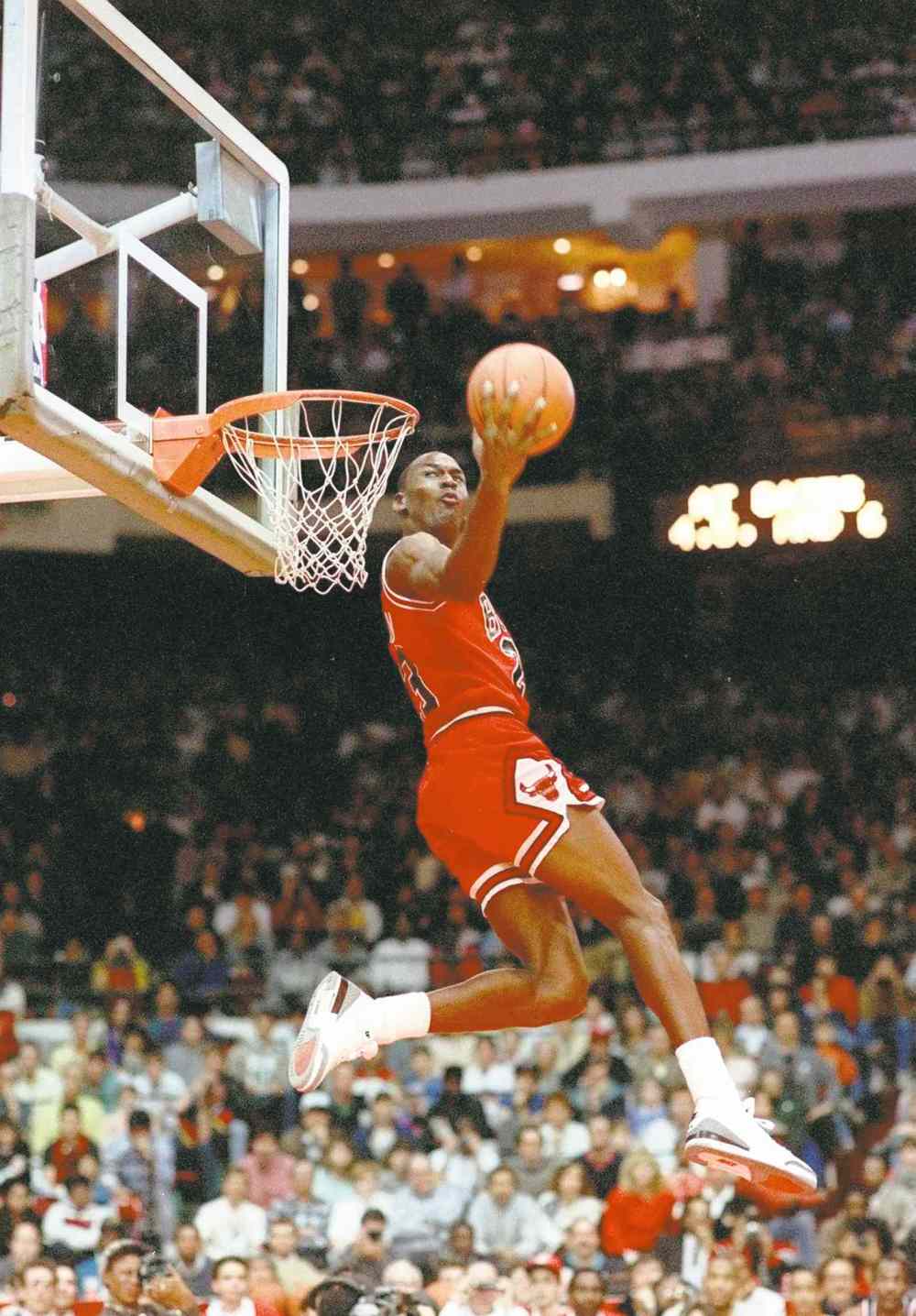
While this latest book is by no means a hatchet job, it’s in no way an authorized biography of the 51-year-old Jordan. The author had only brief access to him to clarify some information about Jordan’s great-grandfather. Further access was denied by the star athlete because Lazenby wouldn’t accept Jordan’s demand for editorial control.
The author did have access to many of the key figures in Jordan’s life and career, including his coaches and teammates at the University of North Carolina, as well as his many connections in the Chicago Bulls organization, including teammates such as Scottie Pippen.
At 691 pages, the book is a bit of an intimidating doorstopper. It goes into great detail about his 1984 arrival in the NBA, including the landmark deal with Nike that guaranteed him riches far beyond what the Bulls were able to pay him as a rookie. From the get-go, as Air Jordan, Michael was both a star athlete and a businessman, more than any other African-American in sports during those years. He no doubt broke ground for others.
Lazenby also tells of Michael Jordan’s darker sides, including his love of gambling, which should more properly be described as a serious addiction; Jordan may have lost as much as $5 million shooting craps during the NBA All Star weekend in 2007. Among others betting on those particular dice was Adam (Pacman) Jones of the NFL’s Cincinnati Bengals. Gambling was definitely a factor in Jordan’s departure from the Bulls, as well as the unhappy end of his first marriage.
Jordan’s paternal great-grandfather, Dawson Jordan, was a sharecropper and moonshiner who died when Michael was 14. Another strong influence was his maternal grandfather, Edward Peoples, who also made moonshine. These older men assumed a larger role in Michael’s early life because his father, James Jordan, showed him relatively little affection as a boy, preferring to lavish more attention on Michael’s older brother Larry.
On the basketball court, Michael Jordan was ferociously competitive, although Lazenby points out that many opponents were openly critical of his dominant style, which reflected something less than a “team” approach to the game.
He also suggests that Jordan took no special national pride in leading the first NBA Dream Team to Olympic gold in Barcelona in 1992. No other country came close to challenging the Americans in that tournament, and Jordan seemed more than a little bored by it all.
After leaving the Bulls, he dallied briefly with the Washington Wizards, and also tried his hand at baseball, perhaps trying to make up for his partial childhood failure as a Little League player. These days, Jordan maintains a high profile in basketball as owner of the NBA’s Charlotte Hornets.

The moment that showed the complexity and contradictions that make up Michael Jordan were abundantly clear in September 2009, when he was inducted into the Basketball Hall of Fame.
Sports Illustrated described his performance as the “Exxon Valdez of acceptance speeches,” a reference to the 1989 tanker disaster in Alaska. Instead of extending olive branches to anyone, Jordan dumped on many a rival, and singled out a number of people he felt had hurt him along the way. Many were aghast by his remarks, but many others were not overly surprised.
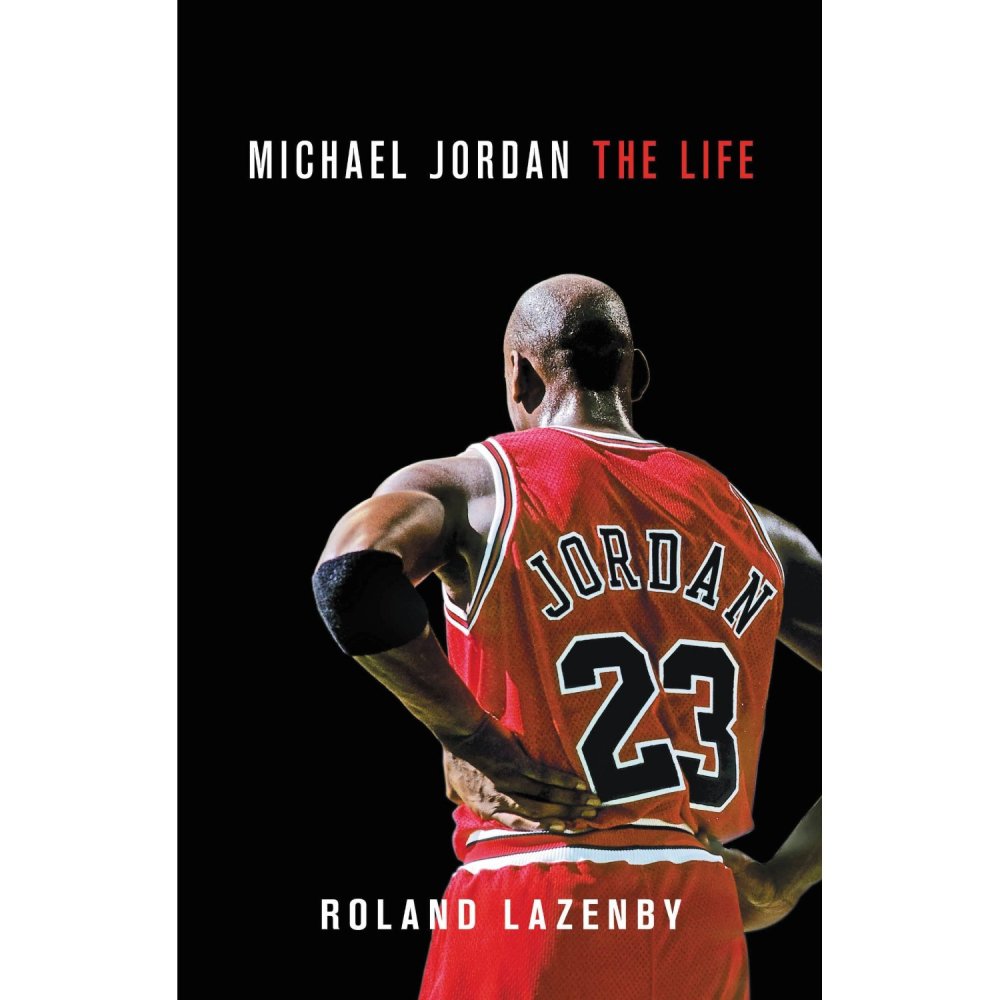
At a number of points in Michael Jordan: The Life, the reader almost gets the feeling that Roland Lazenby might have preferred trashing Jordan, but he couldn’t — when all is said and done, Jordan remains the greatest player the game has known.
Roger Currie is a Winnipeg writer and broadcaster.
History
Updated on Saturday, May 10, 2014 8:29 AM CDT: Tweaks formatting.