Debut short-story collection adds to rich Montreal tapestry
Advertisement
Read this article for free:
or
Already have an account? Log in here »
To continue reading, please subscribe:

Digital Subscription
One year of digital access for only $205*
- Enjoy unlimited reading on winnipegfreepress.com
- Read the E-Edition, our digital replica newspaper
- Access News Break, our award-winning app
- Play interactive puzzles
*First annual payment billed as $205.00 + GST for one year. This annual subscription will automatically renew at $233.00 + GST every 52 weeks (10% off the regular annual price of $259.35). Offer available to new and qualified returning subscribers only. Cancel any time.
To continue reading, please subscribe:
Add Free Press access to your Brandon Sun subscription for only an additional
$1 for the first 4 weeks*
- Enjoy unlimited reading on winnipegfreepress.com
- Read the E-Edition, our digital replica newspaper
- Access News Break, our award-winning app
- Play interactive puzzles
*Your next Brandon Sun subscription payment will increase by $1.00 and you will be charged $17.95 plus GST for four weeks. After four weeks, your payment will increase to $24.95 plus GST every four weeks.
Read unlimited articles for free today:
or
Already have an account? Log in here »
Hey there, time traveller!
This article was published 30/08/2014 (4420 days ago), so information in it may no longer be current.
Unexpected curveballs turn the secure lives of well-to-do women upside down in Montreal journalist Mireille Silcoff’s first collection of highly readable short stories.
The author of three books about drug and youth culture, Silcoff is the founding editor of Guilt and Pleasure Quarterly, a magazine of new Jewish writing and ideas, and is also a newspaper columnist. Her proxy character lived in Israel as a child, and Silcoff’s mother’s Israeli influences permeate the narrative of those stories.
Silcoff sets her plots in different homes in Montreal’s upscale Westmount neighbourhood. But money is not enough to prevent serious illness, Alzheimer’s or abandonment from upending the worlds of women who then question their past and present decisions, as well as the qualities of the people they loved and who said loved them in return.
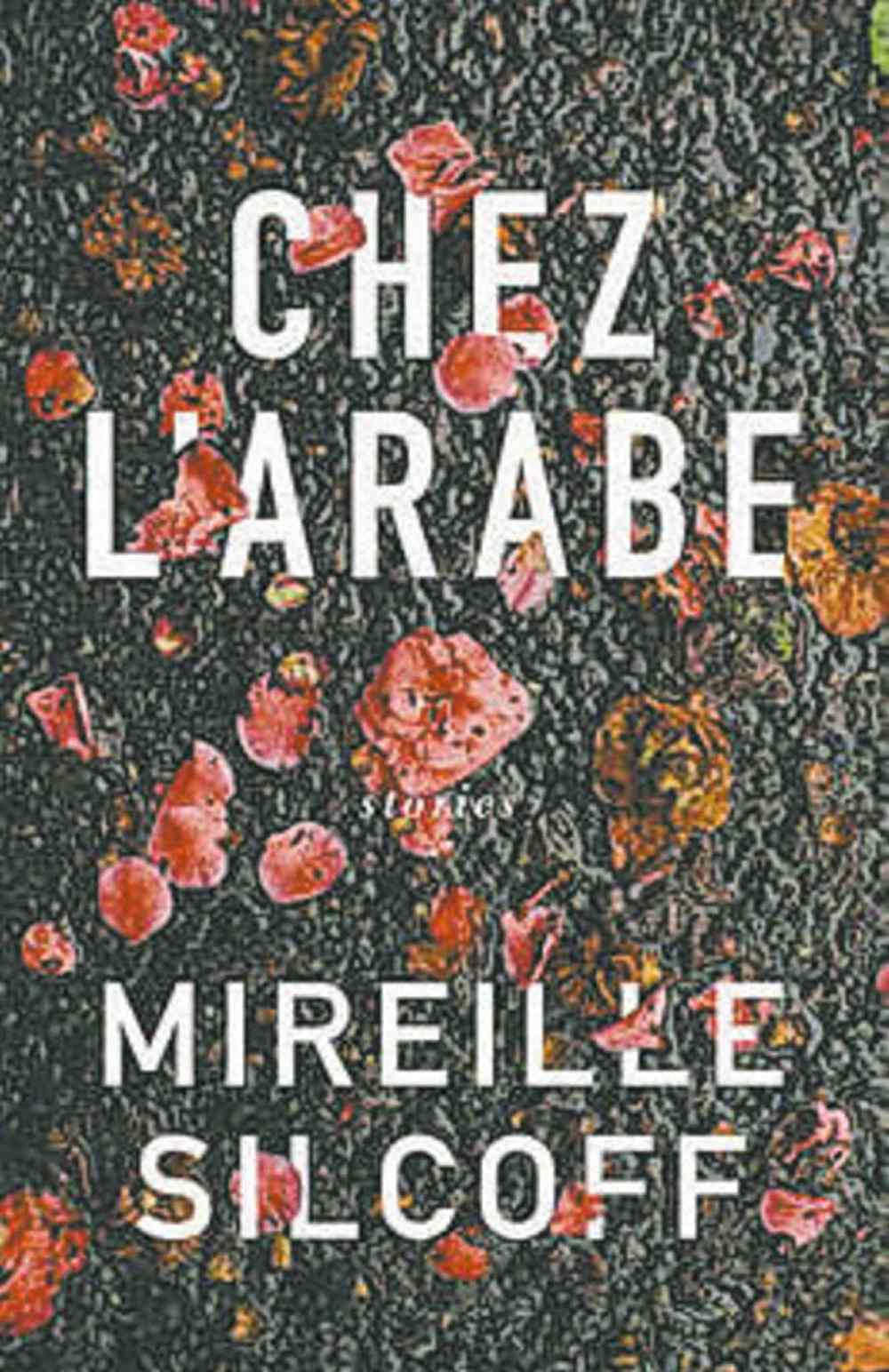
Four linked threads spread across eight stories, apparently inspired by Silcoff’s own experience with chronic illness, trace the journey of a woman in her mid-thirties trapped by sudden physical limitations. She struggles to maintain a semblance of normalcy in her work and in her relationships with her increasingly distant husband and unpredictable mother. When her health and emotional well-being fail to recover after surgery, she reacts by escaping the place and people that had been her source of comfort.
A lifetime of professional accomplishments and status in society mean nothing when degenerative dementia strikes, a reality the educated baby boomer generation is facing. A woman who has already suffered the loss of a daughter to suicide realizes she is also losing her architect husband, bit by bit, to Alzheimer’s.
It’s a sad tale, but like life itself, is not without irony. Even as she revisits the grief of her daughter’s last days and watches her husband deteriorate, she discovers the joy he can still give.
All the characters try to stabilize themselves, looking for ways to validate their skills and values. Humiliated by a divorce after 40 years of marriage, a socialite throws herself into charitable work and opens her home to a glamorous author acquaintance. When the socialite’s dinner-party dishes and efforts at conversation are rebuffed, she discovers the secret and the humour behind her so-called friend’s appearance of respectability.
Another woman hopes that her talents with food and decor will keep her husband from leaving, but sumptuous meals cannot save her marriage. Her greater disappointment, however, is the end of her contact with the little stepdaughter she loved and mentored, a loss over which she has no control.
Yet even as they believe they have no future, the characters carry on. The socialite regains confidence after witnessing her false friend’s manoeuvres; betrayal becomes a motivating force. Silcoff’s surrogate has a natural curiosity that can’t be quenched, despite her best efforts to be gloomy and isolated. Her need to fulfil herself, along with the strength of ties that bind, are a transformative combination. “I am waiting for you to figure your shit out,” her husband says.
Silcoff includes the details of daily living, the random thoughts and flashbacks most of us experience in a typical moment in time. Mavis Gallant is the most noted literary writer of Montreal stories, but Silcoff effectively incorporates the hilly geography and heavy dampness of winter in Montreal, as well as the contrasting harshness of the Palm Springs desert heat. Her fluid style adds personality to her prose.
Short stories capture the essence of our existence in an anecdote, and, with their uncertain endings, Silcoff’s collection gives credibility to the genre. Her sympathetic characters find different ways to deal with physical and emotional pain, a unifying factor despite the walls that separate them.
Harriet Zaidman is a teacher-librarian in Winnipeg.
History
Updated on Saturday, August 30, 2014 6:32 AM CDT: Formatting.