Depression-era tale rich with character, but lacking history
Advertisement
Read this article for free:
or
Already have an account? Log in here »
To continue reading, please subscribe:

Digital Subscription
One year of digital access for only $205*
- Enjoy unlimited reading on winnipegfreepress.com
- Read the E-Edition, our digital replica newspaper
- Access News Break, our award-winning app
- Play interactive puzzles
*First annual payment billed as $205.00 + GST for one year. This annual subscription will automatically renew at $233.00 + GST every 52 weeks (10% off the regular annual price of $259.35). Offer available to new and qualified returning subscribers only. Cancel any time.
To continue reading, please subscribe:
Add Free Press access to your Brandon Sun subscription for only an additional
$1 for the first 4 weeks*
- Enjoy unlimited reading on winnipegfreepress.com
- Read the E-Edition, our digital replica newspaper
- Access News Break, our award-winning app
- Play interactive puzzles
*Your next Brandon Sun subscription payment will increase by $1.00 and you will be charged $17.95 plus GST for four weeks. After four weeks, your payment will increase to $24.95 plus GST every four weeks.
Read unlimited articles for free today:
or
Already have an account? Log in here »
Hey there, time traveller!
This article was published 04/10/2014 (4331 days ago), so information in it may no longer be current.
Frustrating is a word to describe Johanna Skibsrud’s sophomore novel, which follows her Scotiabank Giller Prize-winning debut, The Sentimentalists. Quartet for the End of Time is frustrating because it is too long, yet barely scratches the surface of the forgotten history of America’s pre-Second World War political climate.
The story focuses on the lives of several main characters who directly experience different aspects of the 1932 Bonus Army, a movement composed of First World War veterans who occupied Washington during the Great Depression in an effort to get early redemption of their bonus compensation certificates.
The bond formed by the characters influences them for the rest of their lives. Brother and sister Alden and Sutton Kelly, the inquisitive activist children of conservative anti-Bonus Judge Kelly, grow up to work in the diplomatic service (Alden gets stuck in Paris throughout the German occupation) and journalism (Sutton fights with sexist editors to be sent to the front lines to cover the Second World War) respectively. Arthur Sinclair is a First World War vet who more than earned his bonus in the horrors he experienced, and his son Douglas becomes one of the thousands of destitute Americans riding the rails throughout the ’30s looking for work.
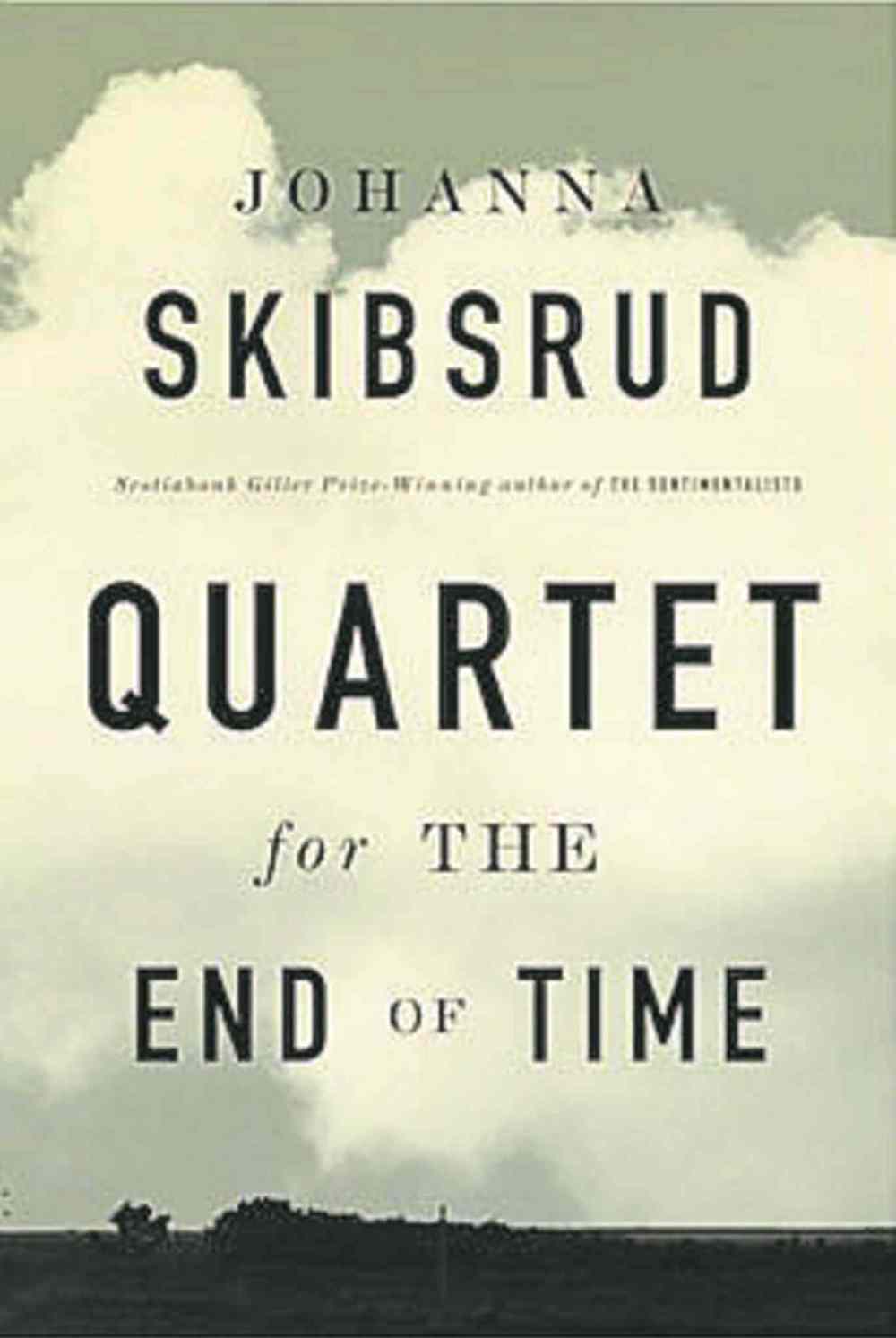
While Skibsrud gives some background information about the Bonus Army, the narrative’s primary focus is on delivering a very rich and detailed story of the characters, their family backgrounds and personal perspectives of the situation. As a result, readers must seek out other sources to get the full story of the Bonus situation, as well as information about what exactly the Dies Committee was (the precursor of the House Un-American Activities Committee).
Skibsrud, for example, hints at but does not fully explain that Congress had approved the veterans’ compensation certificates in 1924, but that they were not scheduled for payment until 1945. The veterans, led by Walter W. Waters, occupied Washington seeking earlier payment, but the bill was defeated by Congress.
Skibsrud’s background as a poet is clear in her writing style, which flows in an almost dream-like narrative. The story unfolds beautifully, but leaves readers wanting more facts to explain the large-scale events happening beyond the main characters’ personal experiences.

The novel’s first half is intensely engrossing, especially Arthur Sinclair’s tale of his experiences in Siberia. Anyone who has ever known a veteran of the First World War will know that those who came back rarely spoke of their experiences. Arthur’s story gives compelling insight to that part of history. Young Douglas’s experiences surviving on the rails looking for work is also compellingly told, but the novel’s end has a raw, unfinished quality — almost as if Skibsrud ran out of pages or time.
The book’s title deliberately connects the narrative to the work of chamber music of the same name by French composer Olivier Messiaen, who finished and premièred the piece with fellow captured French soldiers in a prisoner-of-war camp in Germany in 1941. Messiaen’s story is related to Alden through another character also imprisoned at the same camp, who witnessed the quartet’s première. The piece could easily form a soundtrack for the confusion, desperation, darkness and hardship of that period of history, and still not do it justice.
Quartet for the End of Time attempts to relay an overwhelming story of human conflict and survival, and though a heavy read, still barely scratches the surface.
Winnipeg writer and musician Christine Mazur’s grandfather did not return from the Second World War.
History
Updated on Saturday, October 4, 2014 8:04 AM CDT: Formatting.