The African paradox: Disconnect between resource-rich nations, abject poverty
Advertisement
Read this article for free:
or
Already have an account? Log in here »
To continue reading, please subscribe:

Digital Subscription
One year of digital access for only $205*
- Enjoy unlimited reading on winnipegfreepress.com
- Read the E-Edition, our digital replica newspaper
- Access News Break, our award-winning app
- Play interactive puzzles
*First annual payment billed as $205.00 + GST for one year. This annual subscription will automatically renew at $233.00 + GST every 52 weeks (10% off the regular annual price of $259.35). Offer available to new and qualified returning subscribers only. Cancel any time.
To continue reading, please subscribe:
Add Free Press access to your Brandon Sun subscription for only an additional
$1 for the first 4 weeks*
- Enjoy unlimited reading on winnipegfreepress.com
- Read the E-Edition, our digital replica newspaper
- Access News Break, our award-winning app
- Play interactive puzzles
*Your next Brandon Sun subscription payment will increase by $1.00 and you will be charged $17.95 plus GST for four weeks. After four weeks, your payment will increase to $24.95 plus GST every four weeks.
Read unlimited articles for free today:
or
Already have an account? Log in here »
Hey there, time traveller!
This article was published 28/03/2015 (4165 days ago), so information in it may no longer be current.
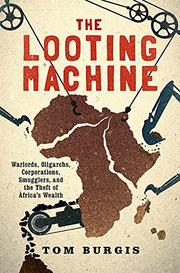
For his first book, British journalist Tom Burgis tackles a much-noted paradox: Africa is rich with natural resources, yet the vast majority of Africans live in abject poverty.
Some chalk it up to what’s called the “resource curse,” but that’s more a description than an explanation. Burgis, for years an Africa correspondent for the Financial Times, aims for a deeper understanding and hits his target in The Looting Machine.
The resource curse is, essentially, the idea that countries with lots of mineral wealth tend to have lousy economic development. A wee few in a resource-rich country will become very affluent themselves, while the masses live in crushing destitution.
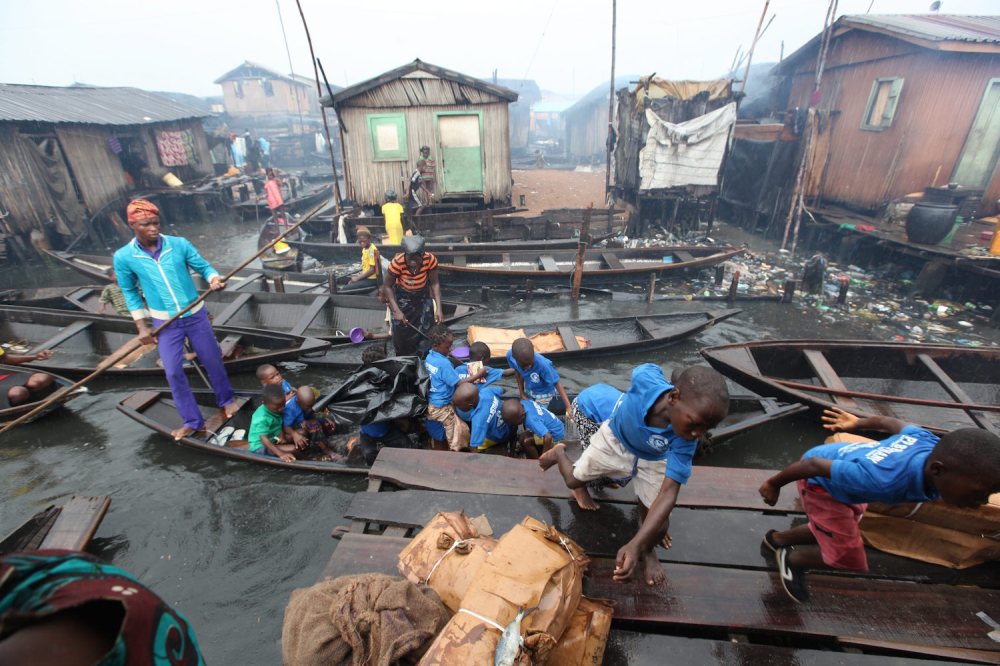
It’s not unique to Africa, but the resource curse seems to apply especially well to the sprawling land mass that’s the cradle of our species and home to about 15 per cent of humans but only two per cent of global GDP.
The continent has 40 per cent of the world’s gold reserves, 15 per cent of petroleum reserves, 80 per cent of platinum reserves, and much of the planet’s diamonds and copper, yet the economic reality for the masses living in African countries flush with those sought-after commodities is rather bleak.
Consider Angola as an example. The former Portuguese colony has an abundance of oil, sizable diamond mines and impressive economic growth that has outpaced China’s in some of the 13 years since a protracted civil war ended there. Yet three in four residents of Angola’s capital city, Luanda, live in crime-ridden slums without reliable supplies of electricity, and 40 per cent of Angolans live in what the World Bank defines as “extreme poverty.”
It’s a similar story in oil-endowed Nigeria, where two-thirds live in extreme poverty, and in the Democratic Republic of Congo (formerly Zaire) with its vast wealth of gold, cobalt, copper, diamonds and tantalum. Extreme poverty is reality for about nine out of 10 people in Congo.
In these and other sub-Saharan countries, having great volumes of minerals and gems in the ground has not at all meant economic security for the average citizen.
Explanations vary. Some put the blame on Africa’s exploitative colonizers of the past and the International Monetary Fund’s neoliberal conditions for “helping” countries in crisis. Others say Africans constantly stymie development with their own “tribal” strivings for greater shares of the wealth.
Cynics and apologists for global capitalism contend that Western journalists and charities are painting a false picture and Africans are, by and large, doing OK.
Burgis, with the benefit of his years of reporting from many locations, gives us his take on the situation. His book details how Africa is being looted by indigenous elites in concert with powerful multinational corporations.
And the big foreign companies aren’t just European and North American anymore. China has wedged its way into the racket, largely through the dealings of a shadowy corporation with a mysterious captain named Sam Pa. The 88 Queensway Group, or China International Fund, forged a partnership with Angola’s state-owned oil company several years ago, and has since made deals with resource kingpins in other mineral-rich African states.
Through Queensway and its many companies, China has staked its claims on resources to become part of what Burgis describes as a modern colonial-type system that revolves around unholy alliances between “unaccountable African rulers” and rapacious foreign capitalists.
China’s doing well by its arrangements with African kleptocracies, as are Western mining and oil companies, but the poor remain very poor.
If you’re curious about why the masses in resource-rich Africa are so painfully impoverished, this hard-hitting and eye-opening exposé is worth a look.
Mike Stimpson is a Winnipeg-based freelance writer and editor.