Elements of terror in house of recluse
Advertisement
Read this article for free:
or
Already have an account? Log in here »
To continue reading, please subscribe:

Digital Subscription
One year of digital access for only $205*
- Enjoy unlimited reading on winnipegfreepress.com
- Read the E-Edition, our digital replica newspaper
- Access News Break, our award-winning app
- Play interactive puzzles
*First annual payment billed as $205.00 + GST for one year. This annual subscription will automatically renew at $233.00 + GST every 52 weeks (10% off the regular annual price of $259.35). Offer available to new and qualified returning subscribers only. Cancel any time.
To continue reading, please subscribe:
Add Free Press access to your Brandon Sun subscription for only an additional
$1 for the first 4 weeks*
- Enjoy unlimited reading on winnipegfreepress.com
- Read the E-Edition, our digital replica newspaper
- Access News Break, our award-winning app
- Play interactive puzzles
*Your next Brandon Sun subscription payment will increase by $1.00 and you will be charged $17.95 plus GST for four weeks. After four weeks, your payment will increase to $24.95 plus GST every four weeks.
Read unlimited articles for free today:
or
Already have an account? Log in here »
Hey there, time traveller!
This article was published 30/01/2016 (3907 days ago), so information in it may no longer be current.
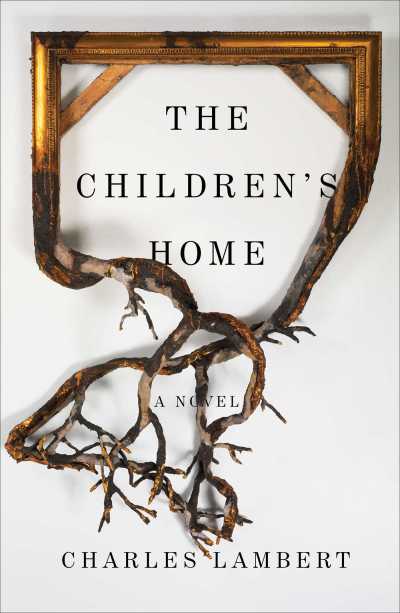
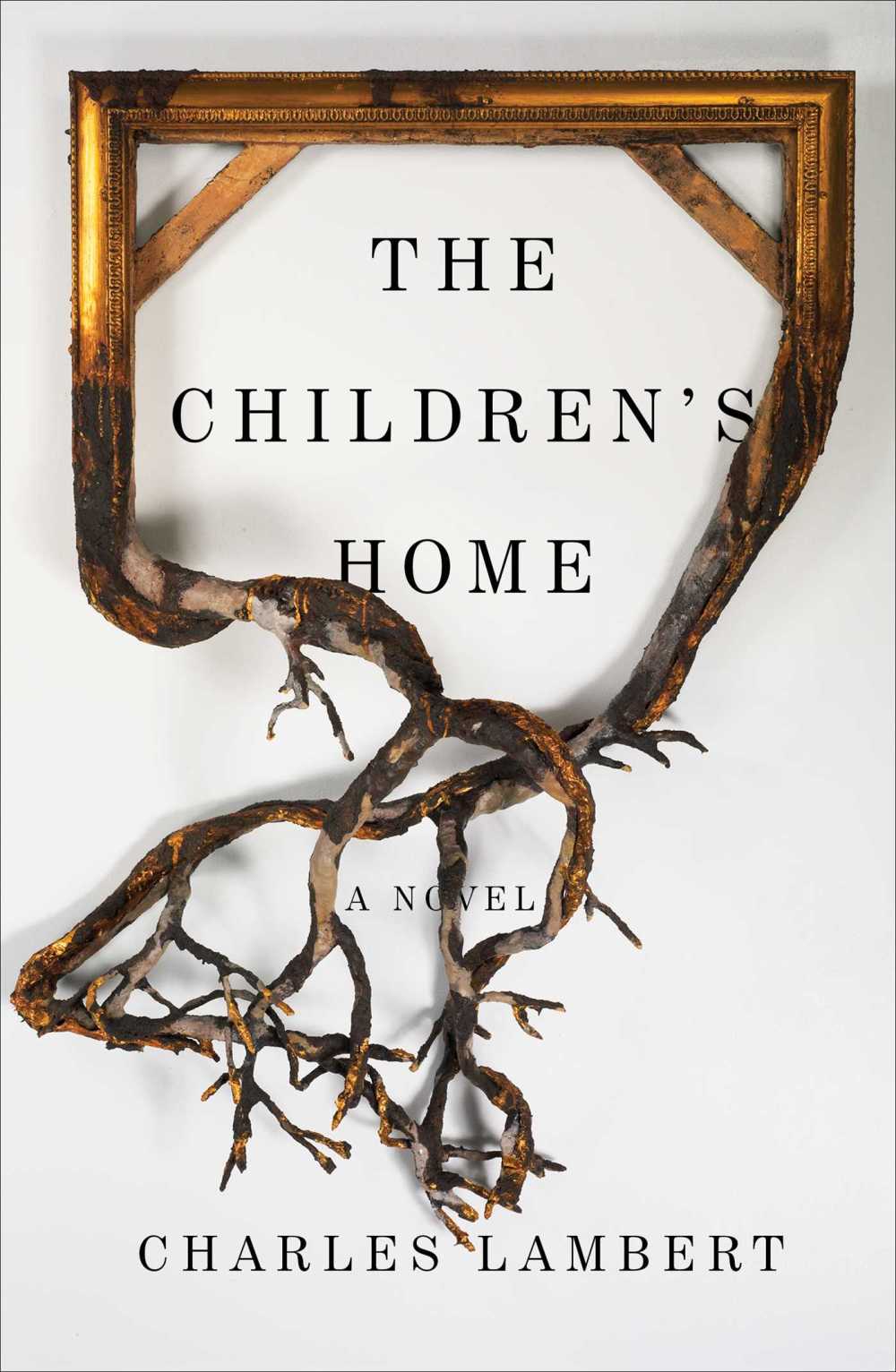
Charles Lambert weaves a disturbing tale, stirring the imagination in the manner of Roald Dahl or C.S. Lewis to deliver, as the jacket promises, a “not nice” fairy tale.
The Children’s Home‘s central figure is Morgan Fletcher, a wealthy, disfigured recluse. Once handsome, Morgan was badly disfigured by his mother — who threw acid on him before killing herself. After recovering at a clinic, Morgan can’t forgive the doctors for assuming he wanted to live.
Lambert has written many novels and short stories, including the award-winning story The Scent of Cinnamon.
The first mysterious arrival at Morgan’s home is Engel, a housekeeper he wrongly assumes was sent by his sister Rebecca. Soon, a baby girl they name Moira arrives, followed by David, a young boy of five. Many children follow, arriving out of thin air.
As the children work their way through trials by elements (earth, air and fire), Morgan works his way through his conflicted feelings over his appearance, his hatred of being pitied and his ability to forgive.
When one of the children becomes ill, Dr. Crane, a country doctor, is summoned. He becomes a foil for Morgan’s discussions on his appearance, and on forgiveness.
One day, people from a mysterious “ministry” come to take the kids. Moira is seized; in the process, one of the ministry people just disappears. David gives Morgan a mask, which gives him the appearance of his original face, to wear when dealing with these people. With that mask comes a change in confidence and perception of power.
Morgan and Dr. Crane take the children to the factory run by Rebecca; its purpose and function are unclear, but it somehow produces power in people by planting children alive in gigantic potting sheds. They dig out the children, who then turn on the factory workers, slaughtering them all without remorse. Their mission accomplished, the children use the fourth element, water, to proceed home.
While The Children’s Home isn’t full-blown gothic horror, Lambert conjures up disturbing images. Consider Morgan trying to help a child buried up to her head in the dirt in a potting shed. When he tugs the girl to free her, she pulls apart in his hands.
The Children’s Home posits the existence of a multi-layered universe. The one constant is monstrous evil.
Somehow the children know that Morgan, or more particularly the house and possessions of his grandfather, will provide the clue and catalyst they need to continue their journey from one layer — where they have been victims of this monstrous evil — to the next, which they believe will be home.
The house, built by Morgan’s grandfather, is full of mysterious treasures and books. The children relentlessly hunt for something, but don’t know what, saying only they will know when they find it, “then we can go home.”
The children’s prescience about Morgan puzzles him. There are forces he doesn’t understand, but he doesn’t dwell on it. Lambert offers the reader little guidance; what is left unsaid is often as chilling as what is said.
The Children’s Home is sure to leave readers squirming as Lambert’s grotesque imagery, much of it suggestive of Holocaust victims returning to life, oozes its way through their minds.
Gordon Arnold is a Winnipeg writer. His latest book, Corgi Tales, a collection of short stories, was published last year.