Get your rocks off
New Stones bio brings plenty of satisfaction
Advertisement
Read this article for free:
or
Already have an account? Log in here »
To continue reading, please subscribe:

Digital Subscription
One year of digital access for only $205*
- Enjoy unlimited reading on winnipegfreepress.com
- Read the E-Edition, our digital replica newspaper
- Access News Break, our award-winning app
- Play interactive puzzles
*First annual payment billed as $205.00 + GST for one year. This annual subscription will automatically renew at $233.00 + GST every 52 weeks (10% off the regular annual price of $259.35). Offer available to new and qualified returning subscribers only. Cancel any time.
To continue reading, please subscribe:
Add Free Press access to your Brandon Sun subscription for only an additional
$1 for the first 4 weeks*
- Enjoy unlimited reading on winnipegfreepress.com
- Read the E-Edition, our digital replica newspaper
- Access News Break, our award-winning app
- Play interactive puzzles
*Your next Brandon Sun subscription payment will increase by $1.00 and you will be charged $17.95 plus GST for four weeks. After four weeks, your payment will increase to $24.95 plus GST every four weeks.
Read unlimited articles for free today:
or
Already have an account? Log in here »
Hey there, time traveller!
This article was published 21/05/2016 (3712 days ago), so information in it may no longer be current.
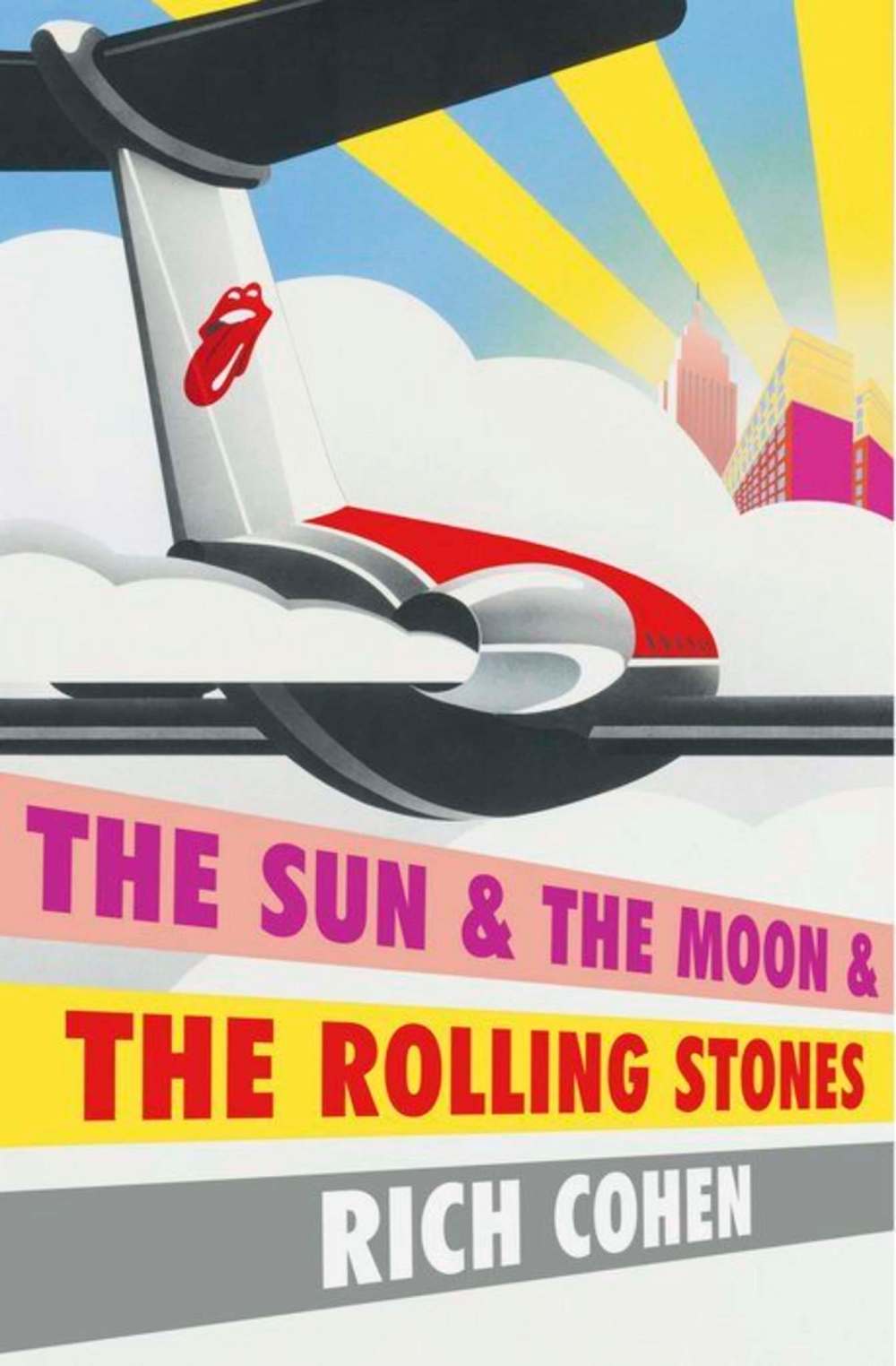
While working for Rolling Stone magazine at the age of 26, journalist Rich Cohen got a call at his New York apartment offering him a dream assignment.
A Rolling Stones fan since he heard Tumbling Dice blasting out of his older brother’s bedroom, Cohen was tasked with spending two weeks travelling across North America with the “world’s greatest rock and roll band” on its 1994 Voodoo Lounge tour.
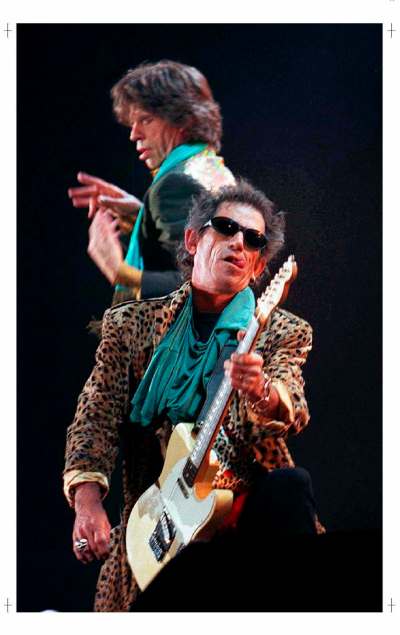
On that tour (which brought the Stones to the old Winnipeg Stadium for the first of two mid-’90s gigs), Cohen not only got to report on his childhood heroes, but also hang with them, joking, smoking, drinking and meeting other rock royalty backstage.
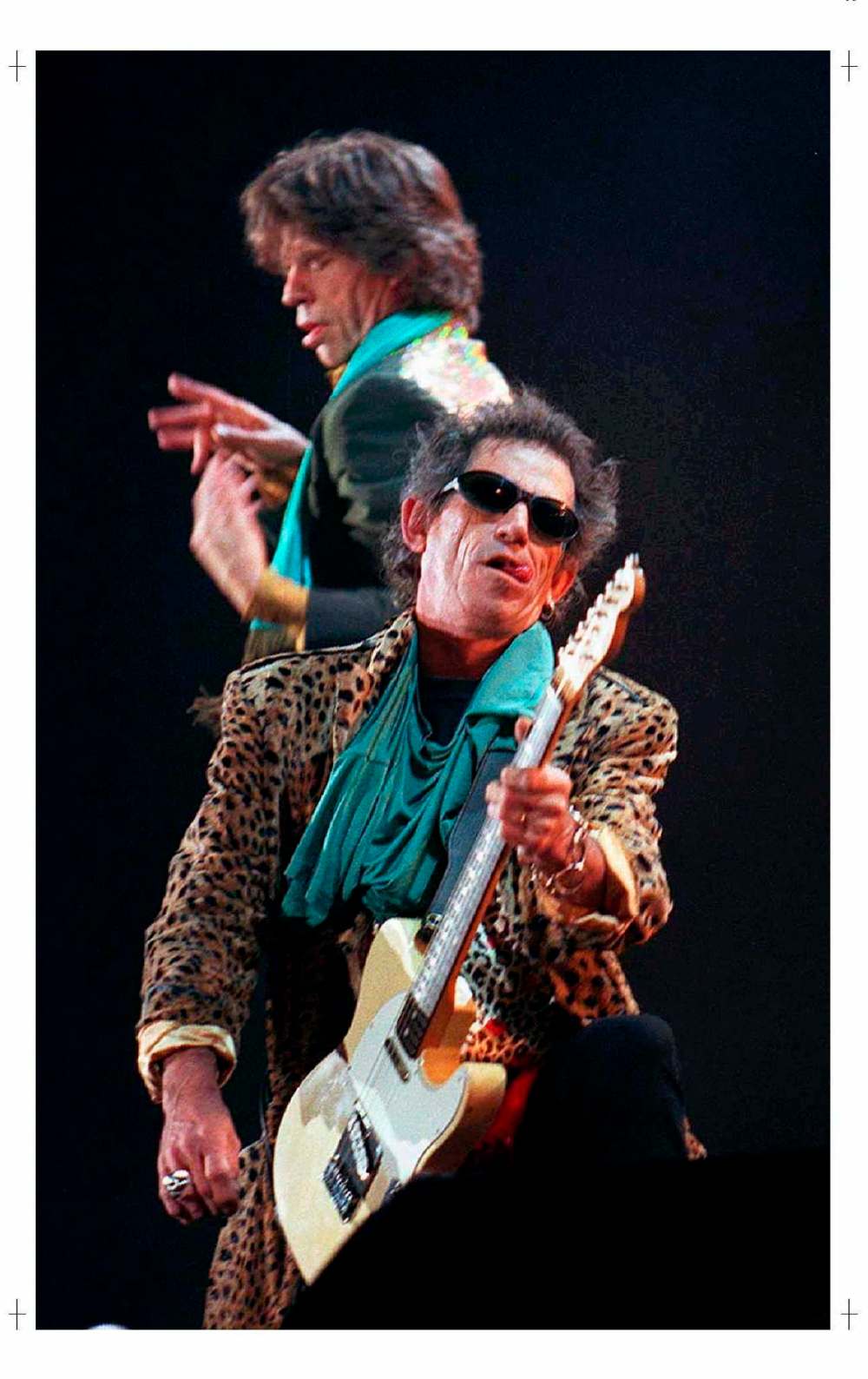
By this point, the classic rockers were already considered old, and fans and media alike joked about Geritol-sponsored tours (yet here we are, more than 20 years later, and they’re still at it). Despite the band becoming a nostalgia act, cynical and opinionated Cohen was captivated and reminded of why he became a fan in the first place.
The tour, and Cohen’s relationship with the band, is used to frame this engaging history of the rock legends. The author’s research includes interviews with band members and other key players, as well as the many other documents and memoirs that have been written, including guitar hero Keith Richards’ Life and former bassist Bill Wyman’s Stone Alone.
It would be near-impossible to cover the entire history of the Rolling Stones in one 380-page book, so Cohen barely touches on their late-’70s/early-’80s output, other than how fractured the relationship between Richards and Mick Jagger had become. Everything from their late-’80s reformation onward is presented, fairly, as a blur of nostalgia.
Instead, most of the focus is on the group’s formation and their “golden run” — when they released what were arguably their best albums, between 1968 and 1972, starting with Beggar’s Banquet and ending with Exile on Main Street.
The Rolling Stones formed in 1962, when Jagger and Richards met guitarist Brian Jones, the three sharing a love of American blues music. The band cut its teeth at regular gigs at London’s Crawdaddy Club at the same time the Beatles were rocketing to fame. By 1965, they had their first number one single with Satisfaction and were the Beatles’ biggest rivals.
Cohen hits all the high points of the band’s rise, but also gets into some of the well-documented ugliness, including the tragic fate of Jones, who went from band leader to outsider as Jagger and Richards became the main songwriters. By 1969 Jones’ drug problems got him kicked out and weeks later he was found dead in his swimming pool.
Other low points include the poor treatment of piano player Ian Stewart, who was forced out by the band’s manager for his lack of pop-star looks, and the disastrous free concert at California’s Altamont Speedway in 1969, which Cohen uses as a symbol of the death of the hippie movement.
The backbone of the Stones, of course, is the relationship between the Glimmer Twins — Jagger and Richards.
Cohen depicts Richards as the epitome of cool, and someone who could not be undone by the amount of drugs he ingested. “Drugs are bad for everyone but Keith Richards, whom they almost killed but enriched instead,” he writes.
Jagger, on the other hand, is presented as cold, calculating and fame-obsessed. Cohen also clearly respects the singer and would eventually collaborate with him and filmmaker Martin Scorsese on the HBO series Vinyl.
The difference between the two legends is best presented when Cohen discusses what it’s like to interview them. While Jagger is guarded, Richards is insightful and easily quotable.
In fact, the book’s title is taken from a Richards quip to Cohen about the band’s longevity.
“For you, there’s always been the sun and the moon and the Rolling Stones,” he says.
Much has been written about the Stones over the years, but Cohen’s book — clearly not the first about the band, and certainly not the last — is very entertaining, and could make either a great introduction or a pointed reminder of the band’s highlights.
Alan MacKenzie is a Winnipeg-based writer and communications specialist. He first saw the Rolling Stones live in 1989, thinking the band couldn’t possibly be around much longer.