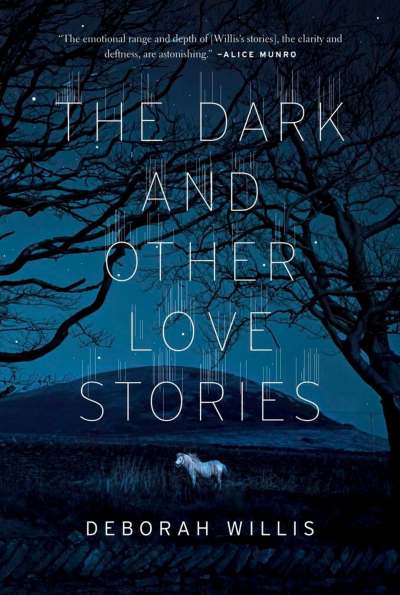
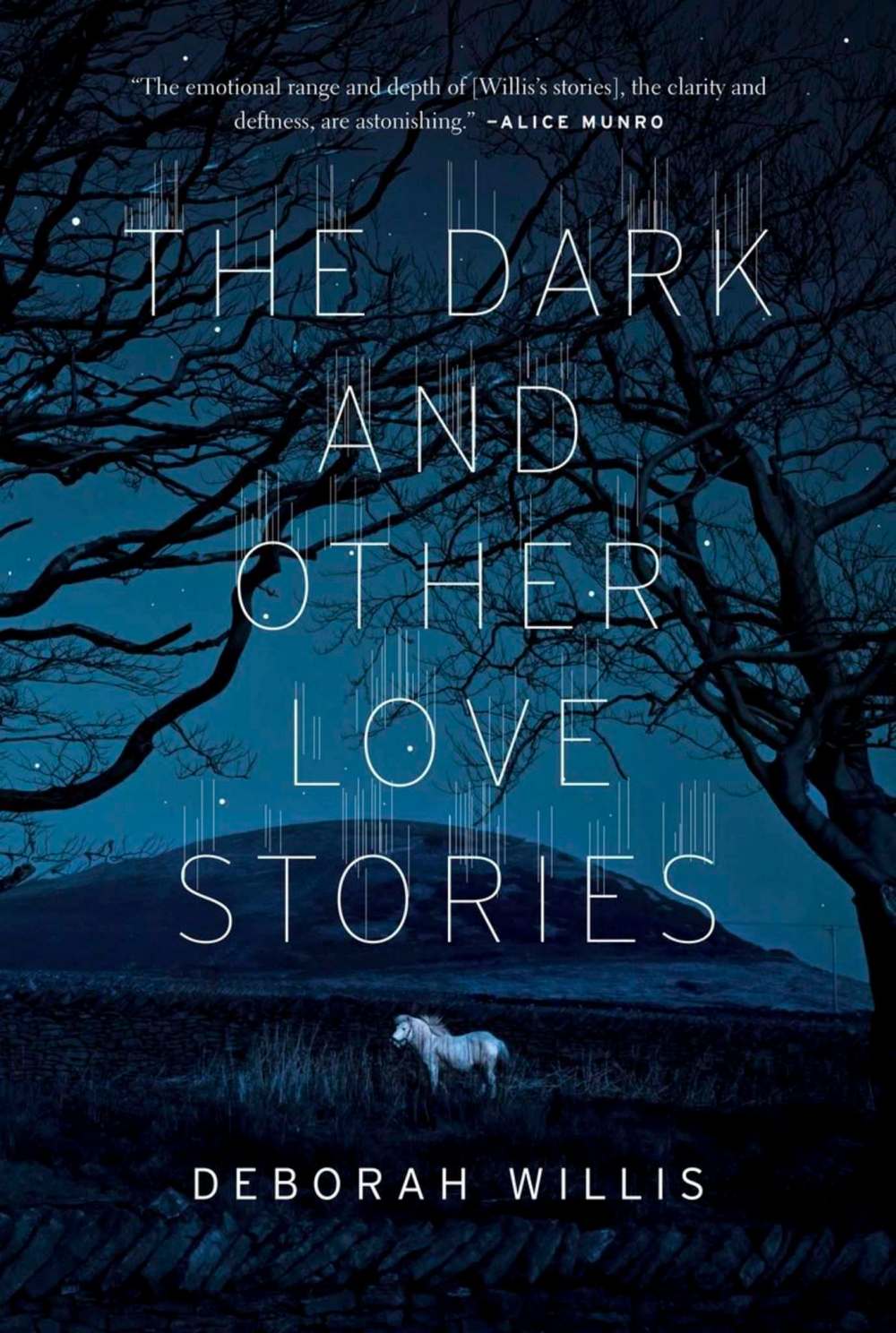
Willis’s remarkable stories offer ruminations on love
Advertisement
Read this article for free:
or
Already have an account? Log in here »
To continue reading, please subscribe:

Digital Subscription
One year of digital access for only $205*
- Enjoy unlimited reading on winnipegfreepress.com
- Read the E-Edition, our digital replica newspaper
- Access News Break, our award-winning app
- Play interactive puzzles
*First annual payment billed as $205.00 + GST for one year. This annual subscription will automatically renew at $233.00 + GST every 52 weeks (10% off the regular annual price of $259.35). Offer available to new and qualified returning subscribers only. Cancel any time.
To continue reading, please subscribe:
Add Free Press access to your Brandon Sun subscription for only an additional
$1 for the first 4 weeks*
- Enjoy unlimited reading on winnipegfreepress.com
- Read the E-Edition, our digital replica newspaper
- Access News Break, our award-winning app
- Play interactive puzzles
*Your next Brandon Sun subscription payment will increase by $1.00 and you will be charged $17.95 plus GST for four weeks. After four weeks, your payment will increase to $24.95 plus GST every four weeks.
Read unlimited articles for free today:
or
Already have an account? Log in here »
Hey there, time traveller!
This article was published 04/03/2017 (3460 days ago), so information in it may no longer be current.
The Dark and Other Love Stories is the second collection from Albertan Deborah Willis, whose first collection, 2009’s Vanishing and Other Stories, was nominated for a Governor General’s Award. The title hints at the mystery of love, and the entire collection could be called a rumination on love and its astonishments.
Willis shows mastery of the form throughout these 13 stories, never judging her characters, but rather letting them amaze us as much as they do themselves. There is an edge of the bizarre in a few stories; Willis is adept at making the unusual accessible, carrying us to the edge of the disturbing or ludicrous, but always keeping her characters grounded in the hard reality that love demands.
In Todd we see the relationship, if that’s the right word, between a well-meaning slacker dad and his crow. It’s easy to agree with the guy’s ex that he’s weird, but the capricious actions of the bird and the passive-aggressive nature of the man reminds one of many human relationships, right up to the sad ending. It is strange, and Willis never pleads for sympathy, but how not to feel for the bereaved man upon Todd’s death?
In another bizarre bird tale, The Passage Bird, a girl is enchanted by the hunting hawks and falcons of a neighbour, coming to believe she sees her sorely missed dead brother in one of them.
Equally strong are Willis’s stories of adolescent girls (and boys) sprinting into adulthood. One of the high points in the collection is Flight, in which a 16-year-old flees her parents’ safe life for the Vancouver streets. Striking up a brief encounter with an easygoing and kind 20-something man, she soon returns home and plans out her life — which she soon realizes includes turning her adventure into an anecdote.
She imagines meeting the man years later and denying she is the girl he helped. She realizes the man was her first encounter with gravity, as the story puts it — which could be love.
In The Ark, the lifelong antagonism between a boy and a girl, both part of a strong church life, ends after some adventures of growing up — this time in marriage. The secrets they know, the simple (if challenged) faith they share, leads each to the solidity of their own ark against the world. It seems unlikely even to them, but perhaps the companionship forged in childhood is enough for a life. The girl, Leanne, knows Toby, the boy, will always be there to catch her when others won’t.

Even better is The Last One To Leave. At first it’s puzzling to follow the two intertwining stories of an ambitious young woman working at a small-town newspaper and an immigrant escapee from Stalin’s Russia who works in logging.
The reader wonders where it’s going, until the reporter interviews him as a “town character.” He barely speaks, but their unlikely love develops, going on for almost half a century. After his (and the town’s) death, she too becomes silent — there is no one left to talk to.
Part of the joy in reading the stories is noting how in lesser hands, they could become cliché or sentimental. Not so with Willis. Her approach is dynamic and fluid — the reader gets caught up at once in the empathy laced with a tinge of melancholy.
Willis wants the reader to expect a lot from her characters. They deliver what their creator intended in emotional spades in this splendid collection.
Rory Runnells is the artistic director of the Manitoba Association of Playwrights.