Heart of Gould
Music journalist explores legendary pianist's enigmatic persona
Advertisement
Read this article for free:
or
Already have an account? Log in here »
To continue reading, please subscribe:

Digital Subscription
One year of digital access for only $205*
- Enjoy unlimited reading on winnipegfreepress.com
- Read the E-Edition, our digital replica newspaper
- Access News Break, our award-winning app
- Play interactive puzzles
*First annual payment billed as $205.00 + GST for one year. This annual subscription will automatically renew at $233.00 + GST every 52 weeks (10% off the regular annual price of $259.35). Offer available to new and qualified returning subscribers only. Cancel any time.
To continue reading, please subscribe:
Add Free Press access to your Brandon Sun subscription for only an additional
$1 for the first 4 weeks*
- Enjoy unlimited reading on winnipegfreepress.com
- Read the E-Edition, our digital replica newspaper
- Access News Break, our award-winning app
- Play interactive puzzles
*Your next Brandon Sun subscription payment will increase by $1.00 and you will be charged $17.95 plus GST for four weeks. After four weeks, your payment will increase to $24.95 plus GST every four weeks.
Read unlimited articles for free today:
or
Already have an account? Log in here »
Hey there, time traveller!
This article was published 02/09/2017 (3301 days ago), so information in it may no longer be current.
Whatever image comes to mind when you think of the late pianist and broadcaster Glenn Gould — the man in the long, heavy overcoat wearing a flat cap and marching resolutely down a Toronto street, or the lanky man draped over a chair or hunched over a keyboard — the music you hear is The Goldberg Variations.
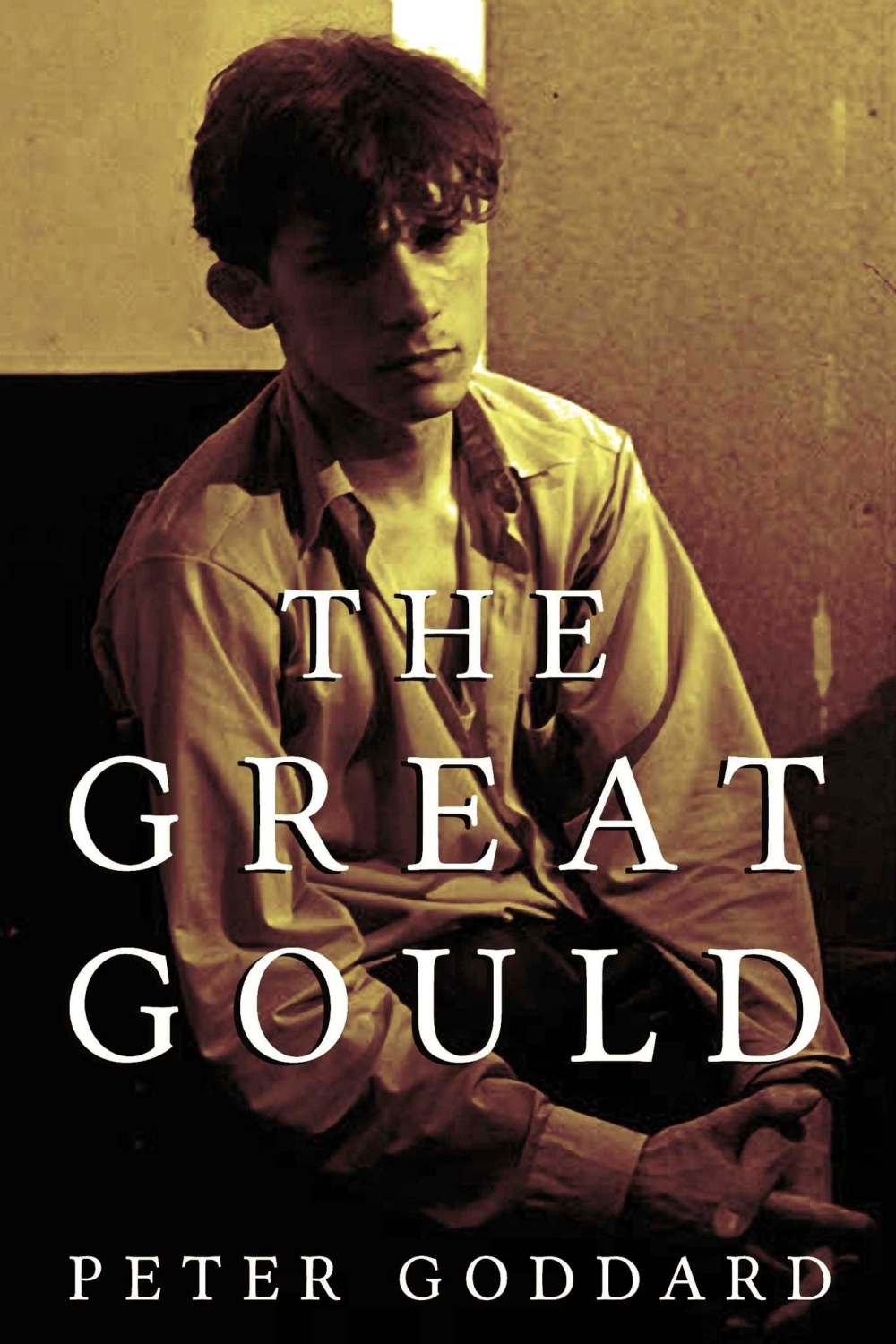
The great Canadian classical musician’s life has been documented in many books. Canadian author/journalist/musician Peter Goddard pictures Gould as the antithesis of F. Scott Fitzgerald’s title character from The Great Gatsby in his new biography, The Great Gould.
Jay Gatsby’s longing for the American dream went nowhere because it had come and gone before he had a chance to make it his own, Goddard writes. However, “Gould is Gatsby’s opposite: he realized his dream at all costs. Gould found there was a boundless future for him.” Goddard calls Gould “maybe a contrary Canadian version of Gatsby, of wanting and achieving, but Gatsby still.”
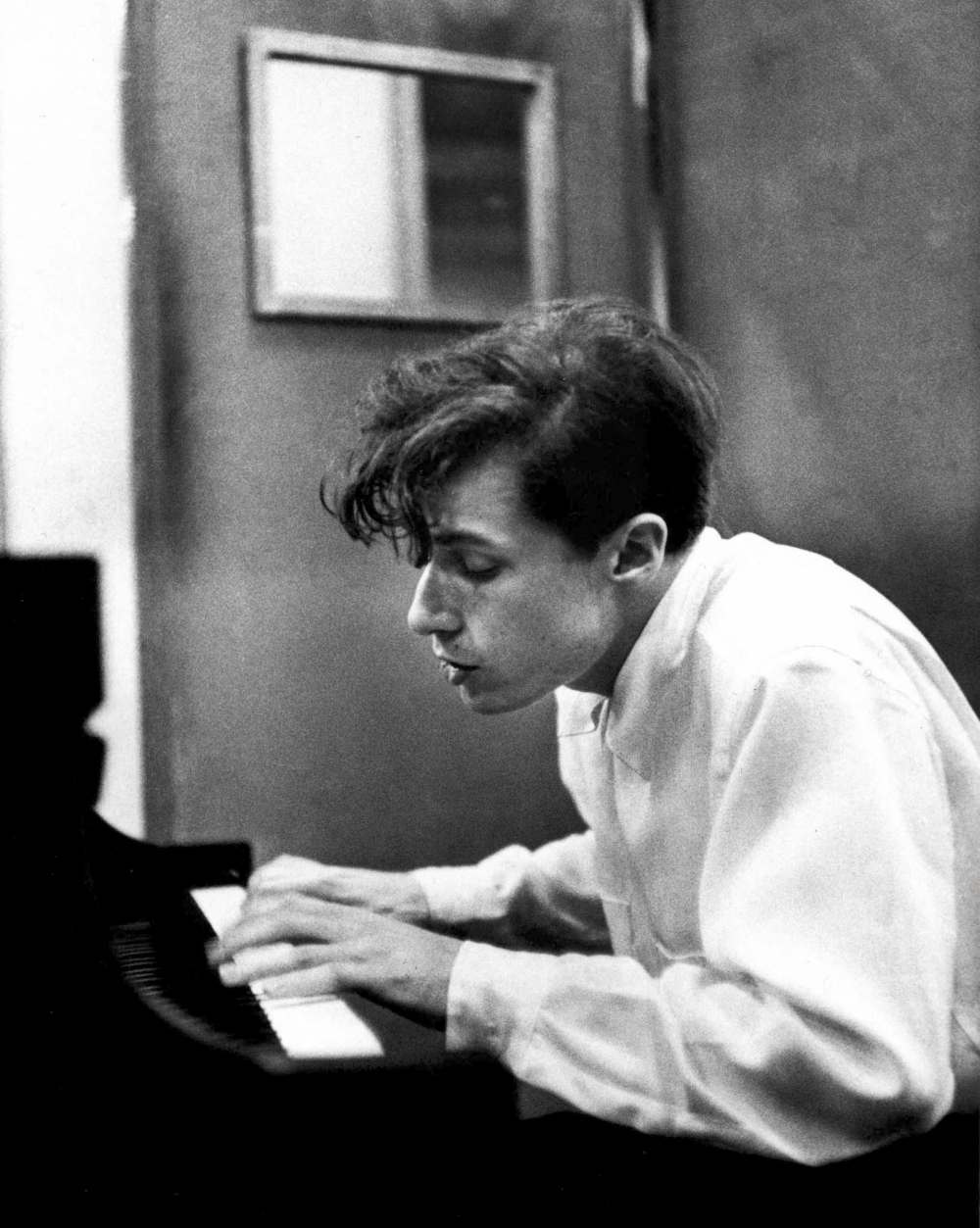
Goddard, a former longtime Toronto music journalist, has some personal memories of seeing Gould on the streets of the city, or striding the halls of the Royal Conservatory of Music, where Goddard was a student, and of interviewing him.
While Gould holds an indelible spot in Canadian music history, as time goes by the number of people who automatically recognize the genius and reserved man will diminish. For example: the statue of Gould outside the CBC headquarters in Toronto “fixes the intensely private person forever in public” in a spot where passersby are on their way to a Blue Jays game or a restaurant, Goddard writes. A time will come when most of those strangers will be in the dark about Gould.
However, don’t expect Gould’s life and legacy to be forgotten: “There’s a sea change in the nature of Gould’s afterlife that can’t be ignored. He has new listeners, ones lacking any standard order classical music training or any shared history with Gould. They hear his playing differently, understand his history differently and respond differently to him and his music,” Goddard explains.
And if that doesn’t guarantee a continuing, evolving legacy, which should be a dream of any great musician, then nothing will.
Gould was an enigma, but Goddard details the many Goulds galore in a section of the same name, including:
● The brilliant pianist, one of the 20th century’s greatest, whose 1955 recording of Bach’s The Goldberg Variations “may well be the greatest classical recording of all time” but saw him walk away from a multimillion-dollar career.
● A posthumous YouTube star, who can be seen in exhilarating performance highlights.
● The private, sexual Gould, where turbulence in his private life included a longtime affair with a married woman that “seems to have energized his imagination.”
● Gould as Peter Pan — he didn’t cling to his childhood so much as it clung to him.
Gould hated to be described as a prodigy, but soon understood he was a kid genius. “In an era of kid wonders, perky little simpletons showing off on amateur-hour shows on radio, Glenn was winning kudos playing serious music at serious music festivals,” Goddard says.
Gould’s mother played the radio loudly to her unborn prodigy, and “some Gould chroniclers believe it was her humming that encouraged his own.”
Before the pianist ended his concert career, he had laid the groundwork for a broadcasting presence at the CBC. “Gould fashioned a beloved media figure out of his manufactured multiple personalities,” Goddard explains. “In fact, piano playing was Gould’s reality. Broadcasting was his desire.”
Goddard has written many musical biographies, including subjects such as Ronnie Hawkins, Frank Sinatra, David Bowie and the Rolling Stones. He wrote The Great Gould with the support of the Glenn Gould Estate from his own interviews and by drawing on new or overlooked sources.
Whether you are new to the Gould story or not, Goddard’s portrait is informative, engaging and full of entertaining nuggets about our country’s classical music genius. It affords another chance to listen to the Goldberg Variations as you read.
And while the Gatsby allusion may be a bit stretched, it holds its own, and allows for a good title in The Great Gould.
Chris Smith is a Winnipeg writer who is no stranger to variations.