Voices of the struggle
Lesser-known activists of Canada's women's movement given their turn in the spotlight
Advertisement
Read this article for free:
or
Already have an account? Log in here »
To continue reading, please subscribe:

Digital Subscription
One year of digital access for only $205*
- Enjoy unlimited reading on winnipegfreepress.com
- Read the E-Edition, our digital replica newspaper
- Access News Break, our award-winning app
- Play interactive puzzles
*First annual payment billed as $205.00 + GST for one year. This annual subscription will automatically renew at $233.00 + GST every 52 weeks (10% off the regular annual price of $259.35). Offer available to new and qualified returning subscribers only. Cancel any time.
To continue reading, please subscribe:
Add Free Press access to your Brandon Sun subscription for only an additional
$1 for the first 4 weeks*
- Enjoy unlimited reading on winnipegfreepress.com
- Read the E-Edition, our digital replica newspaper
- Access News Break, our award-winning app
- Play interactive puzzles
*Your next Brandon Sun subscription payment will increase by $1.00 and you will be charged $17.95 plus GST for four weeks. After four weeks, your payment will increase to $24.95 plus GST every four weeks.
Read unlimited articles for free today:
or
Already have an account? Log in here »
Hey there, time traveller!
This article was published 24/03/2018 (3100 days ago), so information in it may no longer be current.
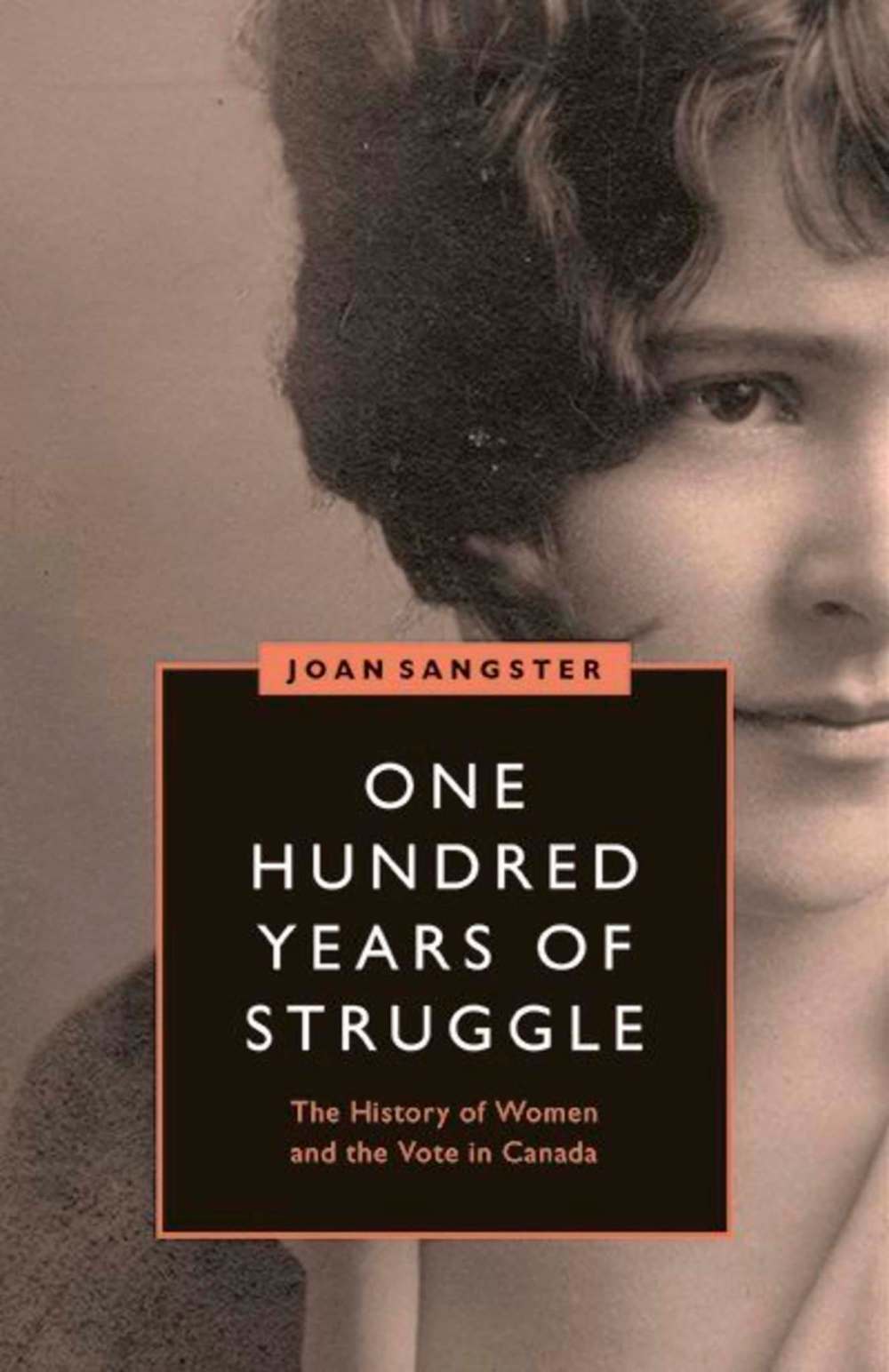
Peppered with dozens of names that need to be known, well-respected Trent University professor Joan Sangster’s fact-dense book documents players and factors in the centuries-long battle for enfranchisement.
Lesser-known women are stars in this book: Mary Shadd Cary, who dealt with African-Canadian injustices; Margret Benedictsson, who moulded the Icelandic women’s organizations into suffrage advocates; Joséphine Dandurand, a Québécois social reformer; and Hideko Hyodo, who fought for enfranchisement for Japanese Canadians.
The right to vote for women was removed in 1834 in Lower Canada and in 1849 in the Province of Canada. Sangster argues that both before and since, the right for universal enfranchisement has undergone struggles.
Property rights, Euro-patriarchal thinking, war, the Indian Act and the well-loved “isms” — racism, sexism, abolitionism, socialism, maternalism and patriotism — all played a role.
Heroes are identified throughout this book: socialist Helena Gutteridge; farm worker Isabella MacDonald; labour suffragist May Darwin; education advocate Emily Stowe; and pacifist Gertrude Richardson.
Women’s clubs and middle-class women, with the luxury of time, are acknowledged as important contributors to the struggle.
However, the anti-enfranchisement foes were legion. Stephen Leacock characterized suffragists as “bossy and controlling awful women.” McGill medical professor Sir Andrew Macphail believed that women were reproducers of the race, and that “unmarried women who involved themselves in reform were simply atoning for their failures.” In Quebec, the Catholic church challenged enfranchisement on the basis of maternalism.
The roles that men play in supporting the movement, however, also appear throughout the document: men who supported their wives, who were learned scholars such as John Stuart Mill, and who saw the justice in a balanced society where men and women played differing but complementary roles.
The roles of the four “P’s” of the suffragist movement — plays, print, petitions and public engagement — are well documented.
Mock parliament plays were popular, with a noted performance in Toronto in 1896, and at least a dozen performances across the country between 1893 and 1915. Winnipeg’s mock parliament was performed at the Walker Theatre in 1914, and is widely credited with being the turning point for women gaining the vote in Manitoba.

Most women learned about feminism through print sources. This thoroughly researched book identifies dozens such sources, from Fredya, the Manitoban Icelandic newspaper, to Le Coin du Feu, the first French-Canadian periodical edited by a woman, to the “New Woman” short stories.
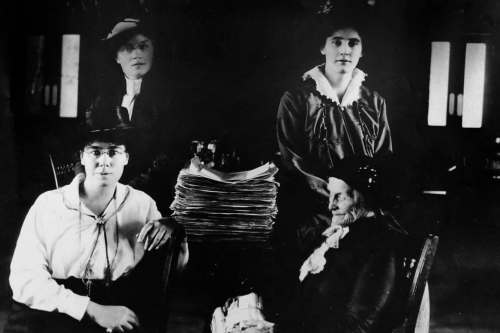
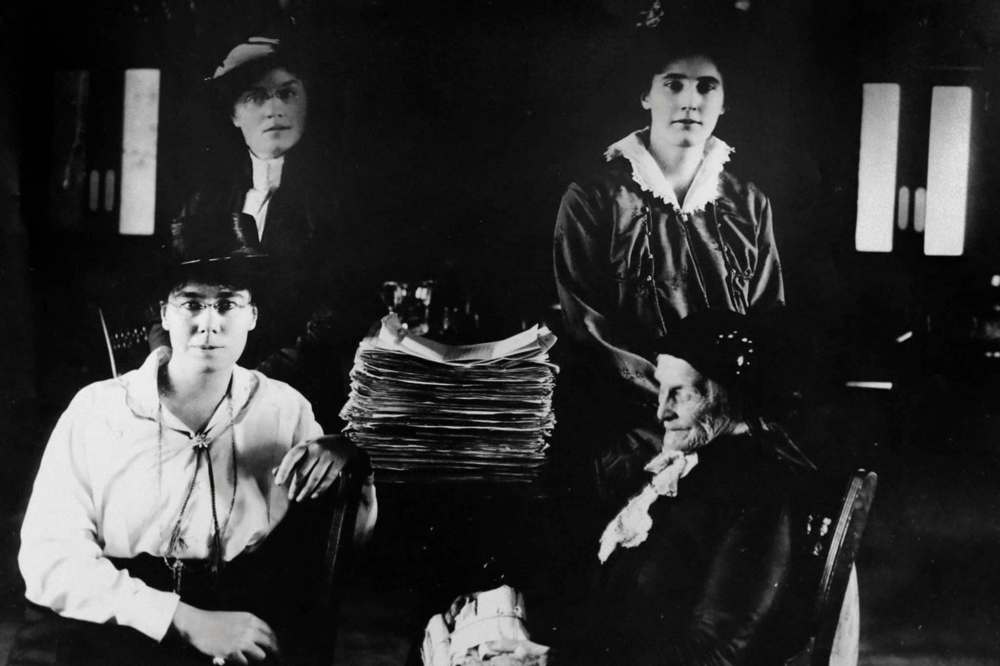
Petitions were a popular source of documenting support. Public engagement ran from “a small meeting… in Chilliwack to a large assembly in Toronto’s Massey Hall.” Bazaars, fundraisers and internationally known speakers were used to keep the image alive, build community and finance the cause.
Reflecting a fascination with Francis Marion Beynon, a Manitoban journalist (later fired for her pacifist leanings), Sangster credits her with playing an important role in constructing a feminist counter-culture. The seldom-told story tells of the Beynon sisters orchestrating a coup to ensure the right to run for office was included when it appeared it was not part of Manitoba’s bill establishing the right of women to vote.
Although the recent International Women’s Day and the #MeToo movement optimistically predict that women’s rights are at a turning point, the book is a sobering reminder that the battle for equality is a long one, fraught with complex issues and far from over.
Doris Mae Oulton is chair of the Nellie McClung Foundation, president of the Canadian Federation of University Women’s Charitable Trust and member of the Manitoba Advisory Council on the Status of Women.