The power of art
Novel based on New York art exhibit explores a wide range of viewers
Advertisement
Read this article for free:
or
Already have an account? Log in here »
To continue reading, please subscribe:

Digital Subscription
One year of digital access for only $205*
- Enjoy unlimited reading on winnipegfreepress.com
- Read the E-Edition, our digital replica newspaper
- Access News Break, our award-winning app
- Play interactive puzzles
*First annual payment billed as $205.00 + GST for one year. This annual subscription will automatically renew at $233.00 + GST every 52 weeks (10% off the regular annual price of $259.35). Offer available to new and qualified returning subscribers only. Cancel any time.
To continue reading, please subscribe:
Add Free Press access to your Brandon Sun subscription for only an additional
$1 for the first 4 weeks*
- Enjoy unlimited reading on winnipegfreepress.com
- Read the E-Edition, our digital replica newspaper
- Access News Break, our award-winning app
- Play interactive puzzles
*Your next Brandon Sun subscription payment will increase by $1.00 and you will be charged $17.95 plus GST for four weeks. After four weeks, your payment will increase to $24.95 plus GST every four weeks.
Read unlimited articles for free today:
or
Already have an account? Log in here »
Hey there, time traveller!
This article was published 12/01/2019 (2806 days ago), so information in it may no longer be current.
‘A powerful performance will transform everyone in the room,” Marina Abramovic says. As a Serbian-born, New York-based performance artist whose career has spanned more than four decades, she would know.
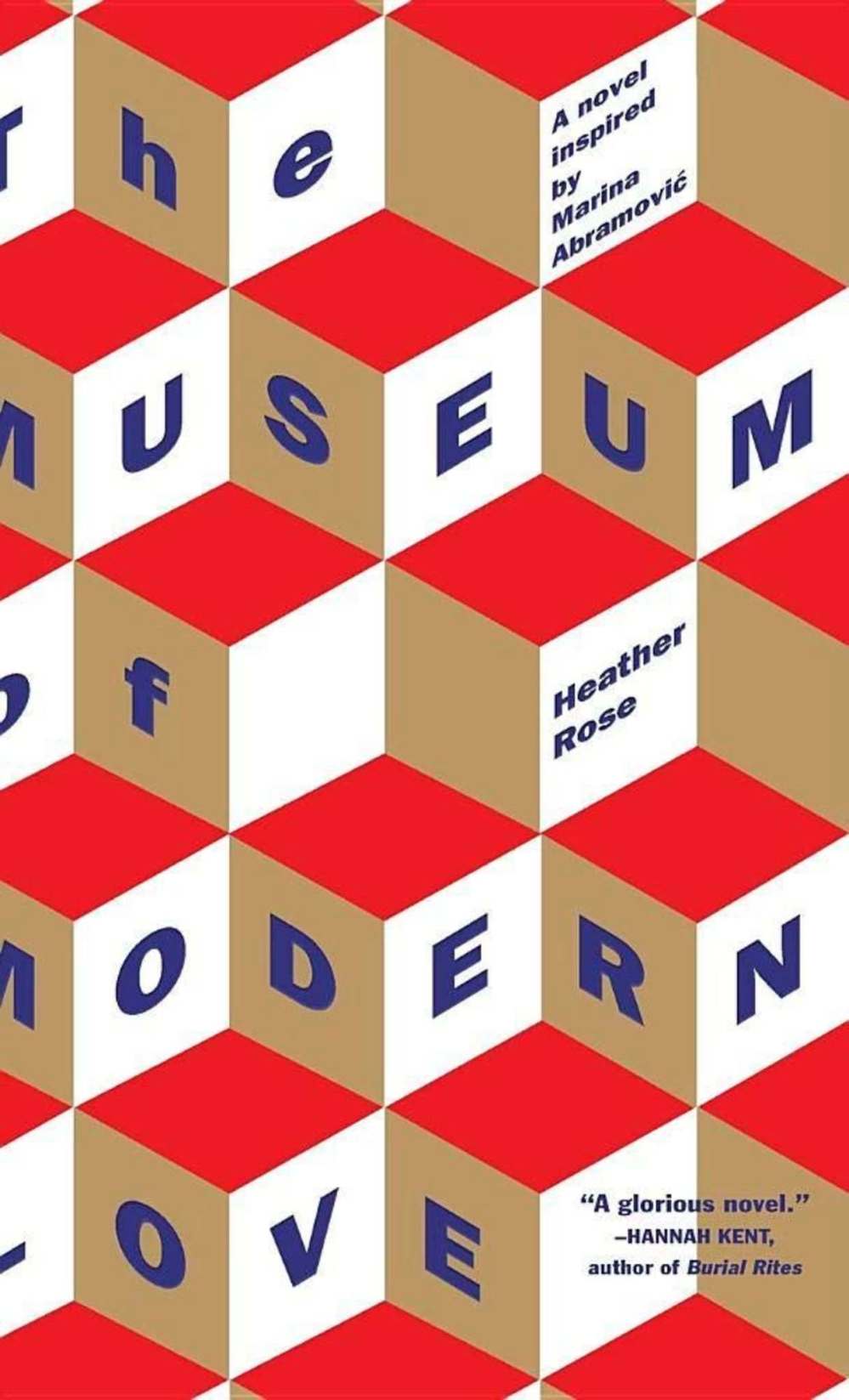
Australian author Heather Rose’s latest novel The Museum of Modern Love is based on the work of Abramovic, and is at once a testament to the truth of this statement and a meandering exploration of it.
Abramovic is known for provoking strange encounters between artist and audience. The Artist Is Present (2010) took place in the atrium of New York’s Museum of Modern Art (MoMA) over the course of nearly three months. For seven hours a day, six days a week, she sat silently still at a small wooden table, during which time she did not eat, speak or use the washroom. Spectators were invited to sit across from her, one at a time, for a duration of their own choosing.
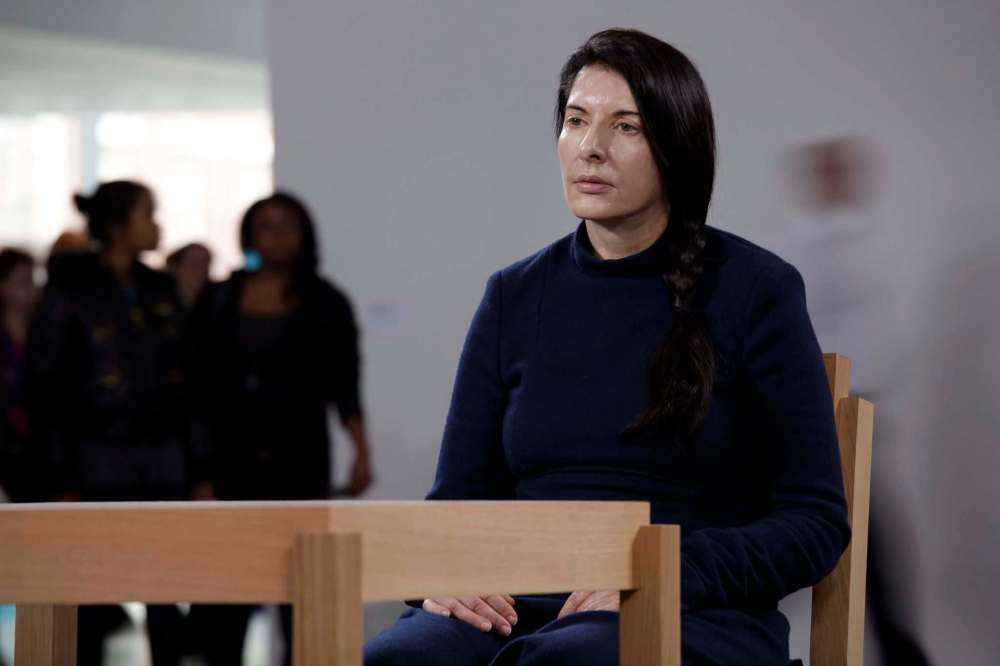
And they did. Artist and spectator sat silently, staring into each other’s eyes for anywhere from a few minutes to seven hours. Some participants began to cry. Abramovic cried.
The New York Times termed it a “silent opera.” Many described the experience as profoundly life-changing.
Celebrities including Lady Gaga, Lou Reed and Björk all lined up during the spring of 2010 to partake in the experience that must have looked a little bit like a childhood staring contest. Support groups and blogs have popped up for participants to share their experiences.
And now a new piece of art exists because of Abramovic’s work; it is Rose’s latest novel, which takes Abramovic’s 2010 performance at the MoMA as its setting.
Rose’s characters gravitate to the performance for reasons unknown to them. Through repeated viewings, two “regulars” (Arky Levin and Jane Miller) get to know each other. In some cases, the artwork gives them a topic of conversation through which they connect to one another; in other cases, it leads them into the depths of their unwanted memories.
Levin’s wife is in a nursing home and Miller’s husband has recently died, but this is not a love story. In fact, just as the reader begins to think it might be, a strange, omniscient narrator breaks in to say, “Now, I do not want you to expect a love story.” The narration changes hands from Levin to Miller, to Abramovic’s late mother to the author herself. We see Abramovic’s piece through many different lenses in this novel, each one worthy of careful examination.

Characterization is perhaps the weakest link in this novel. Rose’s characters are often internally inconsistent and poorly developed. One feels the heavy hand of the author throughout, rather than experiencing the characters as themselves. However, each encounter with the Abramovic work is fascinating, and each new take on it thrilling.
It is perhaps a little too convenient that Rose has chosen an art critic, an art teacher and an artist as her main characters, as these people are extremely well equipped to discuss the work of Abramovic and its implications.
Overall, the old writing adage “show me, don’t tell me” could have been more faithfully adhered to.
Perhaps Abramovic herself says it best: “When you have a non-verbal conversation with a total stranger, then he can’t cover himself with words, he can’t create a wall.”
Jennifer Robinson is a Winnipeg psychotherapist.