Lives to remember
McDiarmid details deaths and disappearances of Indigenous women and girls on B.C. highway
Advertisement
Read this article for free:
or
Already have an account? Log in here »
To continue reading, please subscribe:

Digital Subscription
One year of digital access for only $205*
- Enjoy unlimited reading on winnipegfreepress.com
- Read the E-Edition, our digital replica newspaper
- Access News Break, our award-winning app
- Play interactive puzzles
*First annual payment billed as $205.00 + GST for one year. This annual subscription will automatically renew at $233.00 + GST every 52 weeks (10% off the regular annual price of $259.35). Offer available to new and qualified returning subscribers only. Cancel any time.
To continue reading, please subscribe:
Add Free Press access to your Brandon Sun subscription for only an additional
$1 for the first 4 weeks*
- Enjoy unlimited reading on winnipegfreepress.com
- Read the E-Edition, our digital replica newspaper
- Access News Break, our award-winning app
- Play interactive puzzles
*Your next Brandon Sun subscription payment will increase by $1.00 and you will be charged $17.95 plus GST for four weeks. After four weeks, your payment will increase to $24.95 plus GST every four weeks.
Read unlimited articles for free today:
or
Already have an account? Log in here »
Hey there, time traveller!
This article was published 05/10/2019 (2485 days ago), so information in it may no longer be current.
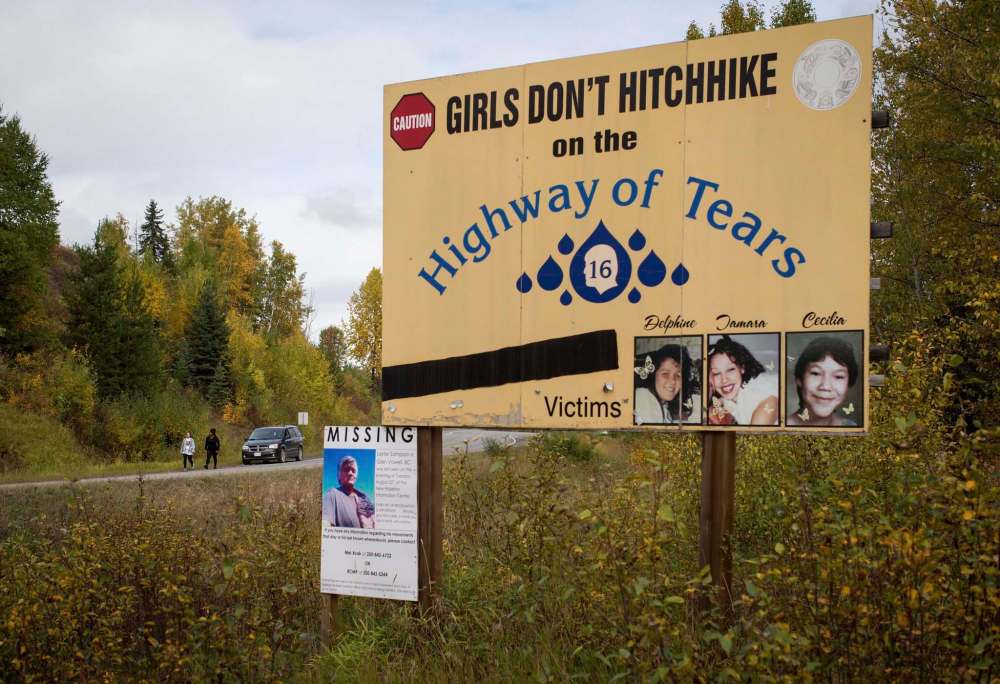
In the public mind, few geographies in Canada signify the tragedy of missing and murdered Indigenous women and girls more fully than the “Highway of Tears” — the stretch of Highway 16 connecting Prince George in the heart of British Columbia to Prince Rupert on the coast.
In this important book, Jessica McDiarmid offers a history of what she calls “Canada’s dirtiest secret” that is both methodical and moving, yet filled with a quiet determination for justice.
McDiarmid is a non-Indigenous journalist who spent two years reporting from Africa with the organization Journalists for Human Rights, and whose work has been regularly featured in the Toronto Star and by the Associated Press.
Having grown up along the highway in Smithers, she writes poetically and lovingly of the region, while revealing the terrible losses concealed by its dark forests and lonely sections of road.
Through interviews with the families and friends of missing and murdered women and girls, as well as RCMP officers and others involved in investigating the cases, McDiarmid constructs a more-or-less chronological narrative of the deaths and disappearances.
Released mere months after the final report of the National Inquiry into Missing and Murdered Indigenous Women and Girls (but completed before the inquiry reached its conclusions), Highway of Tears recounts the years of losses, grief, protest and advocacy that finally resulted in the inquiry. Yet, where the inquiry sought to identify societal causes behind the horrific epidemic of violence, McDiarmid’s book is more intimate, telling the stories of the lives behind the statistics — the women and girls themselves, as well as their families and friends who worked so hard to find them and pursued justice in their cases.
While it is estimated that more than 40 women and girls have been killed or gone missing in northern B.C., here McDiarmid focuses on nine of the 18 lost along Highway 16: Tamara Chapman, Lana Derrick, Alishia Germaine, Nicole Hoar, Delphine Nikal, Aielah Singer, Roxanne Tiara, Alberta Williams and Ramona Wilson.
From each life lost or missing, a depressing pattern emerges — including a sluggish response from the police, who initially dismiss the concerns of loved ones — and low levels of public interest, especially when compared with cases involving non-Indigenous women (such as Hoar).
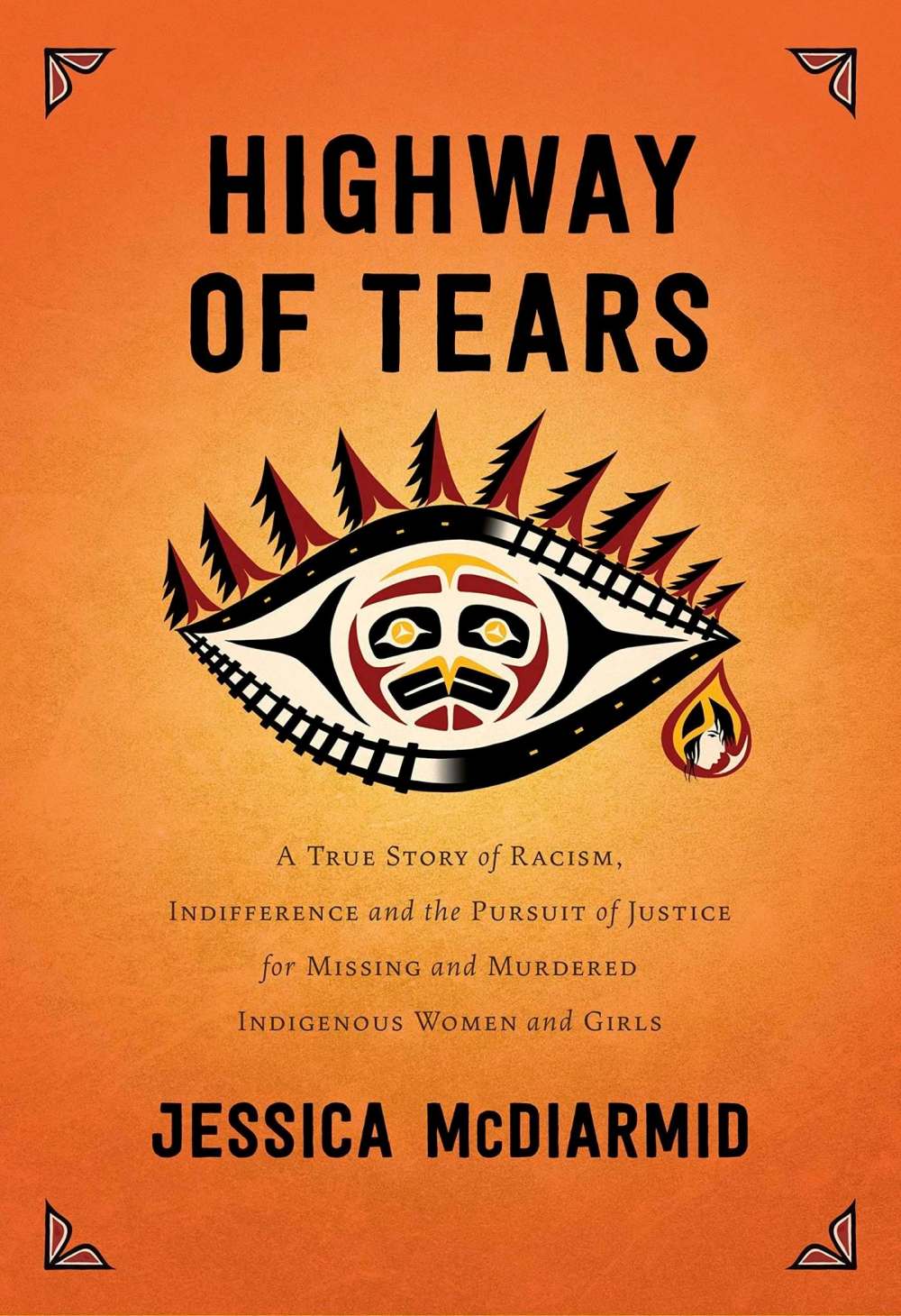

McDiarmid delves into the systemic failures and inertia that prevented more from being done to stop the tragedies from recurring, including the RCMP’s Project E-Pana, which failed to solve a single Highway of Tears case, to recommendations from a grassroots 2006 symposium to improve safety along the highway that were never implemented.
As she indicates in her epilogue, McDiarmid strived for a certain degree of journalistic objectivity in preparing the book. And to some extent, this serves her well in reconstructing the events and personalities involved. Yet as a non-Indigenous writer, she probably should have done more to situate herself in these stories and made more transparent how she came to be trusted to tell them.
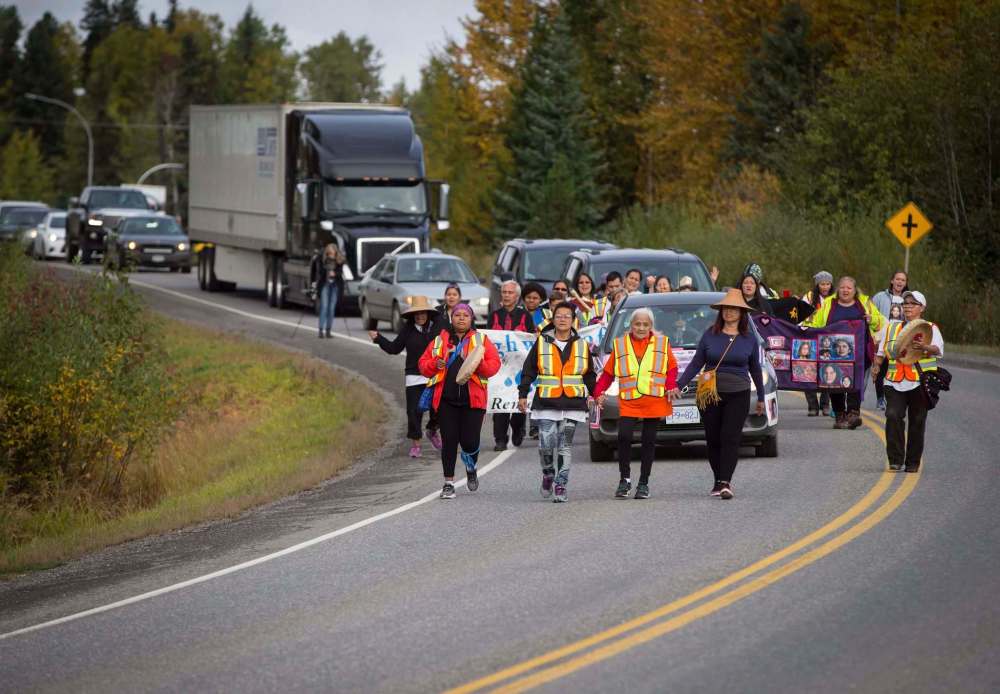
As it is, McDiarmid appears in the narrative for the first time on page 243, participating in 2016’s Cleansing the Highway walk, with no real explanation as to how she was welcomed into this community of families and activists. By leaving herself out of the narrative, McDiarmid also refrains from discussing how she herself was affected by these tragedies, which lends the book a somewhat dispassionate tone at odds with its emotionally wrenching subject matter.
Still, McDiarmid has done great service to both the victims and their families in telling the stories of these lives and the pain left behind by their loss — stories every Canadian should know and remember.
Michael Dudley is a librarian at the University of Winnipeg.