Home and away
Poet's debut short-fiction collection mines difficult refugee experience
Advertisement
Read this article for free:
or
Already have an account? Log in here »
To continue reading, please subscribe:

Digital Subscription
One year of digital access for only $205*
- Enjoy unlimited reading on winnipegfreepress.com
- Read the E-Edition, our digital replica newspaper
- Access News Break, our award-winning app
- Play interactive puzzles
*First annual payment billed as $205.00 + GST for one year. This annual subscription will automatically renew at $233.00 + GST every 52 weeks (10% off the regular annual price of $259.35). Offer available to new and qualified returning subscribers only. Cancel any time.
To continue reading, please subscribe:
Add Free Press access to your Brandon Sun subscription for only an additional
$1 for the first 4 weeks*
- Enjoy unlimited reading on winnipegfreepress.com
- Read the E-Edition, our digital replica newspaper
- Access News Break, our award-winning app
- Play interactive puzzles
*Your next Brandon Sun subscription payment will increase by $1.00 and you will be charged $17.95 plus GST for four weeks. After four weeks, your payment will increase to $24.95 plus GST every four weeks.
Read unlimited articles for free today:
or
Already have an account? Log in here »
Hey there, time traveller!
This article was published 11/04/2020 (2312 days ago), so information in it may no longer be current.
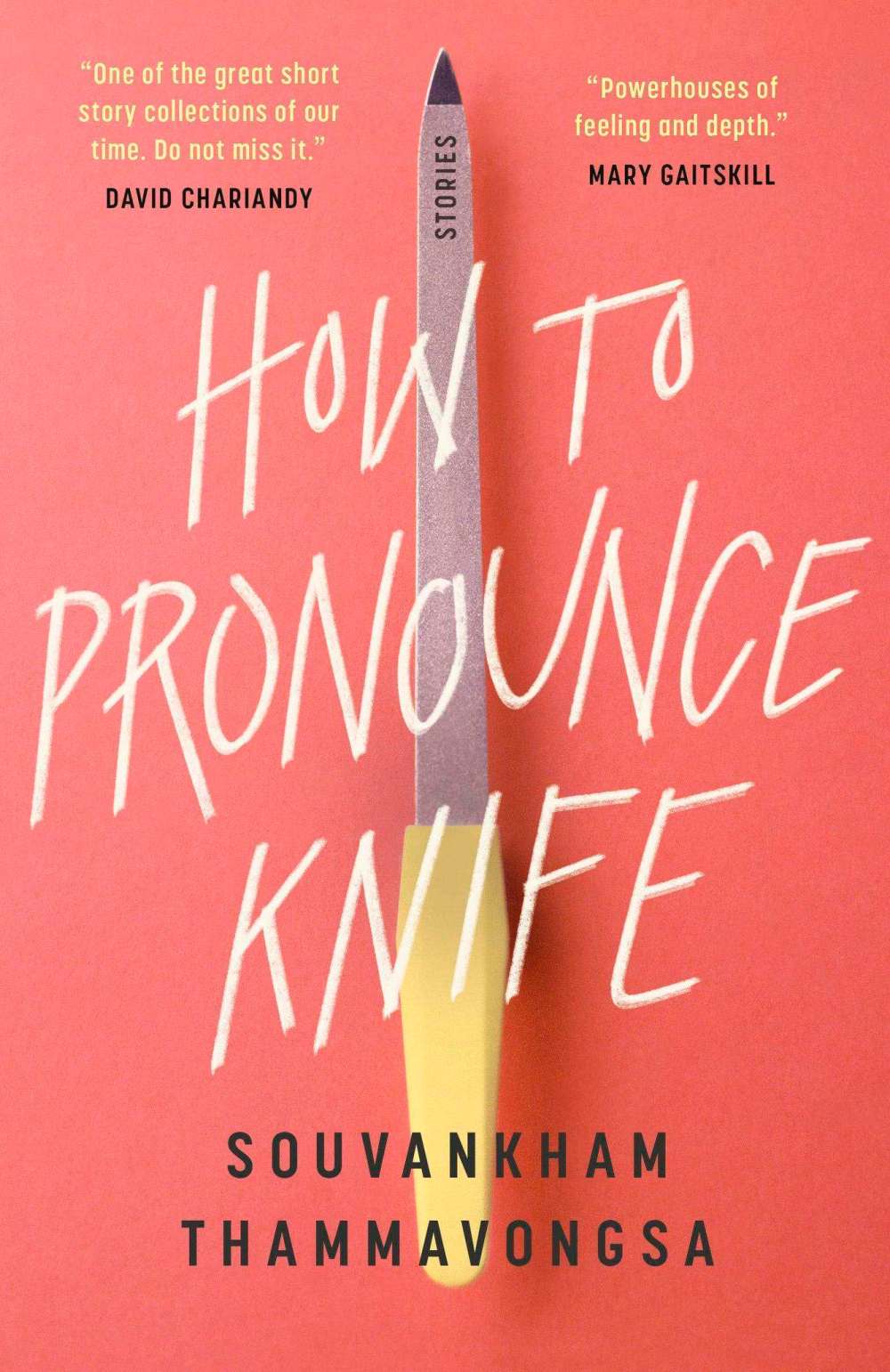
Born in a Lao refugee camp in Thailand and raised in Toronto, the stories in O. Henry award winner Souvankham Thammavongsa’s accomplished debut short-story collection derive from or extrapolate on the refugee and newcomer experience.
Many of the 14 stories in this fiction collection, How to Pronounce Knife, have been previously published in Harper’s, Granta, Brick and the Paris Review. Thammavongsa also is the author of four books of poetry.
The people who populate How to Pronounce Knife are vulnerable Laotian men, women and children struggling to learn English, working at unskilled, unappealing jobs and trying to provide their families with a sense of stability and security. They pluck chicken feathers, paint nails, pack furniture, harvest worms and, in general, do “the grunt work of the world.”

All of them, without exception, live simple lives and Thammavongsa’s prose reflects that simplicity. It is sparse, straightforward, and deeply honest, but it is also respectful and empathetic.
As is the case in many short-story collections, the first (and title) story is the strongest. It recounts a young girl’s struggles to learn to read English and the discovery that her father’s reading, in spite of his best efforts, is no better than her own. The amusing story, Chick-A-Chee, also revolves around a father’s efforts to please his children, in this case by trying to give them a genuine Halloween experience.
Family loyalty and love, miscommunications, shame and the desire to protect are common themes in many of the other stories. In Picking Worms, the last story in the collection, a mother teaches her teenaged daughter about the pride inherent in working hard, no matter what the work entails, while in the heartbreaking Edge of the World a desperate mother abandons her young daughter.

“I thought of what my mother knew then,” the daughter reflects. “She knew about war, what it felt like to be shot at in the dark, what death looked like up close in your arms, what a bomb could destroy.”
“Those were things,” the daughter continues, “I didn’t know about, and it was alright not to know them, living where we did now, in a country where nothing like that happened.”
Some of the stories, naturally, are less impactful than others, but even the few that are less memorable offer valuable glimpses into the lives of people who face daily discrimination and humiliation, long constantly for home, do anything to eke out a living and struggle to understand and be understood.
Almost every story in this collection is sad at some level, but also instructional. Whether it was the author’s intention or not, they implicitly remind readers — as if images of refugees in capsized boats are not evidence enough — that no one flees home unless they have to, and that those of us fortunate enough to have been able to remain (and live well) where we were born and raised should be welcoming and assisting them in every way we can.
Sharon Chisvin is a Winnipeg writer involved with refugee sponsorship and resettlement.