The doctor is in
Winnipeg physician's memoir details family trauma, struggle of work-life balance
Advertisement
Read this article for free:
or
Already have an account? Log in here »
To continue reading, please subscribe:
Digital Subscription
One year of digital access for only $1.44 a week*
- Enjoy unlimited reading on winnipegfreepress.com
- Read the E-Edition, our digital replica newspaper
- Access News Break, our award-winning app
- Play interactive puzzles
*Billed as $5.77 plus GST every four weeks. After 52 weeks, price increases to the regular rate of $19.95 plus GST every four weeks. Offer available to new and qualified returning subscribers only. Cancel any time.
To continue reading, please subscribe:
Add Free Press access to your Brandon Sun subscription for only an additional
$1 for the first 4 weeks*
- Enjoy unlimited reading on winnipegfreepress.com
- Read the E-Edition, our digital replica newspaper
- Access News Break, our award-winning app
- Play interactive puzzles
*Your next Brandon Sun subscription payment will increase by $1.00 and you will be charged $17.95 plus GST for four weeks. After four weeks, your payment will increase to $24.95 plus GST every four weeks.
Read unlimited articles for free today:
or
Already have an account? Log in here »
Hey there, time traveller!
This article was published 06/03/2021 (2052 days ago), so information in it may no longer be current.
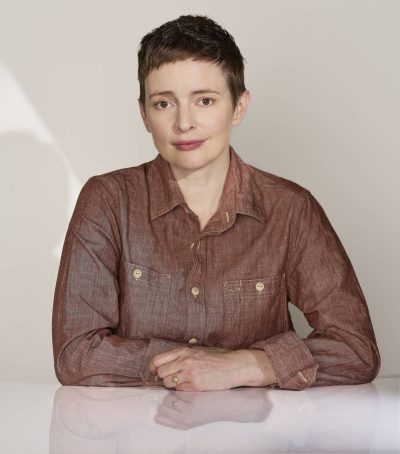
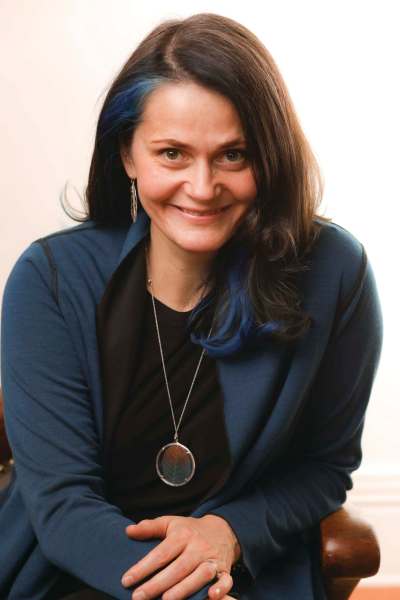
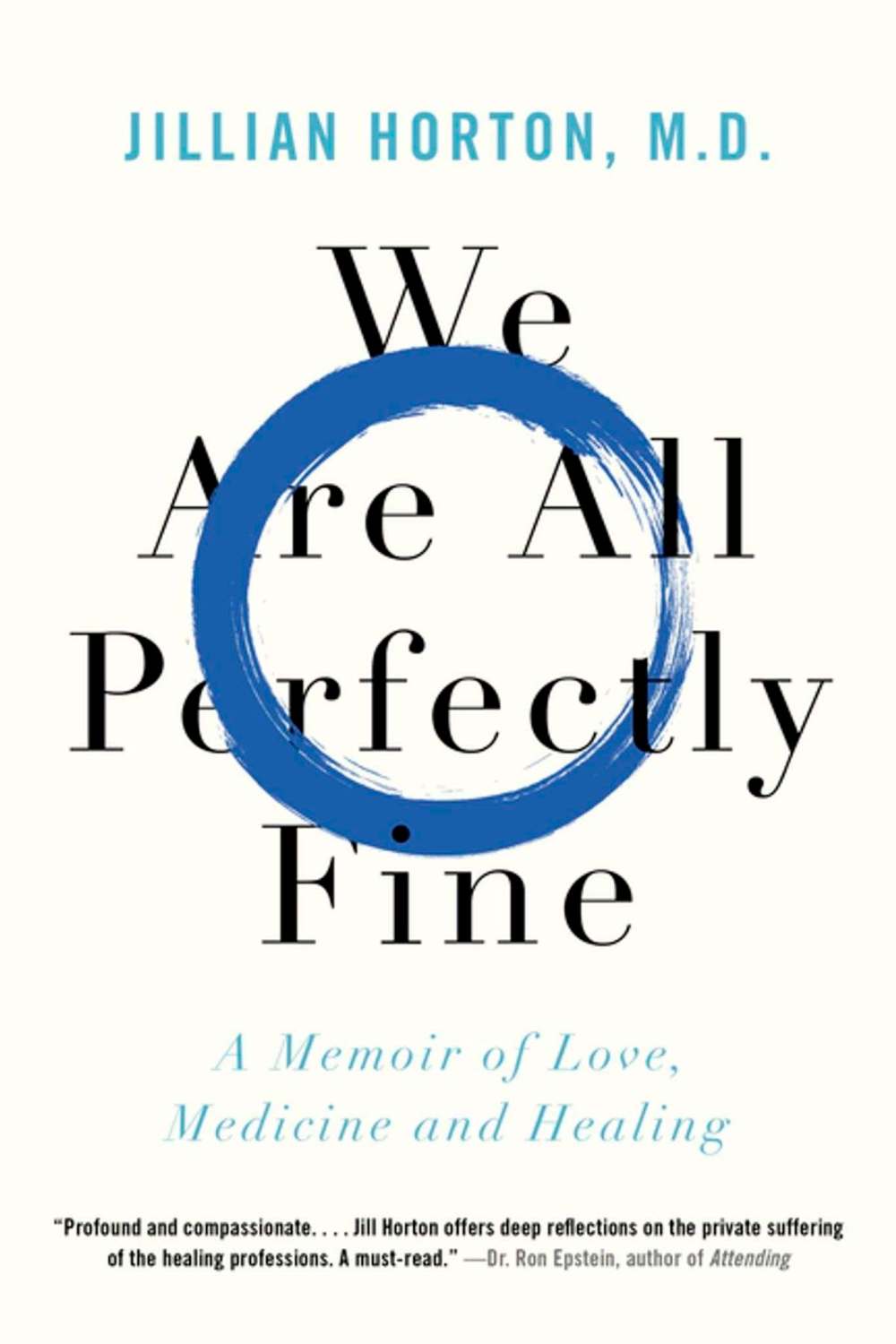
Jillian Horton is a Winnipeg doctor who has worked in the field of internal medicine for 20 years. In this courageous memoir she tells why she almost gave up a profession she loves, and what she learned about herself in the process of recovery.

The book is structured around a Zen Buddhist retreat that helped her begin to set a new path. The five days of meditation and storytelling take readers deep into Horton’s past, as well as highlighting her present feelings and dilemmas. It also includes the stories of several other doctors attending the retreat, and introduces readers to the perils of practising medicine, particularly surviving the exhausting years as a resident.
Horton is the youngest daughter of a family that suffered great trauma. Her oldest sister Wendy never recovered from surgery for a brain tumour when she was seven years old. Wendy emerges vividly here: her love of music, her efforts to move and write poetry, her lack of control over her mobility and her moods. It was because of Wendy that Jillian chose medicine. She knew that what happened to her sister involved neglect by the medical profession all along the way.
Horton was the lucky one in the family. She aced school and university, and won a scholarship in English, which she rejected to pursue medicine. Then came her residency in internal medicine, at the University of Toronto, and the challenge of coping with new situations, sometimes around the clock, while striving to maintain empathy with patients at the same time.
She compares that torturous path to a friend’s job chopping onions; by the time he got to the last onion in the bag, his tears would have finally stopped. In other words, enduring a four-year residency often results in a shutdown of your emotions. “My training,” Horton writes, “was an exercise in self-immolation. I excelled at it.”
She continued to excel at her profession until the day she realized she was missing out on the rest of her life, especially being present for her children. “Wherever my body was, my head was still at the hospital.” Horton admits that getting in touch with her emotions again, after years of non-stop work and deflecting questions with humour, took much longer than a five-day workshop. The retreat, however, was the moment when she realized that the key to change was not suppressing her feelings, but rather acknowledging them.
This is not a self-help book; it a very wise account of one woman’s journey to living mindfully. For Horton, this means not entirely giving up on changing the world, but savouring the world as it stands as well. It means accepting that just because you cannot save someone, you are not a failure. The book ends with a very moving story of tragedy and resilience that shows what living in the moment really means.
Today Horton is an assistant professor of internal medicine at the University of Manitoba’s Max Rady College. She contributes to the Canadian Medical Association Journal podcasts and has recently won a Gold Humanism Award from the Association of Faculties of Medicine of Canada “recognizing her commitment to compassion in medical education and health care.”
Safe to say, then, that Horton has not given up on changing the world.
Faith Johnston is a writer and a retired teacher who came close to quitting in her first year teaching.