Setting the scene
Fraught filmmaking couple push boundaries in ambitious, sometimes uneven prose

Advertisement
Read this article for free:
or
Already have an account? Log in here »
To continue reading, please subscribe:

Digital Subscription
One year of digital access for only $205*
- Enjoy unlimited reading on winnipegfreepress.com
- Read the E-Edition, our digital replica newspaper
- Access News Break, our award-winning app
- Play interactive puzzles
*First annual payment billed as $205.00 + GST for one year. This annual subscription will automatically renew at $233.00 + GST every 52 weeks (10% off the regular annual price of $259.35). Offer available to new and qualified returning subscribers only. Cancel any time.
To continue reading, please subscribe:
Add Free Press access to your Brandon Sun subscription for only an additional
$1 for the first 4 weeks*
- Enjoy unlimited reading on winnipegfreepress.com
- Read the E-Edition, our digital replica newspaper
- Access News Break, our award-winning app
- Play interactive puzzles
*Your next Brandon Sun subscription payment will increase by $1.00 and you will be charged $17.95 plus GST for four weeks. After four weeks, your payment will increase to $24.95 plus GST every four weeks.
Read unlimited articles for free today:
or
Already have an account? Log in here »
Hey there, time traveller!
This article was published 19/06/2021 (1932 days ago), so information in it may no longer be current.
An English couple, facing a year of personal, professional and societal uncertainty, is haunted by the ghosts of European history in this evocatively written but frequently frustrating novel by Jean McNeil, a Nova Scotia-born writer now living in London.
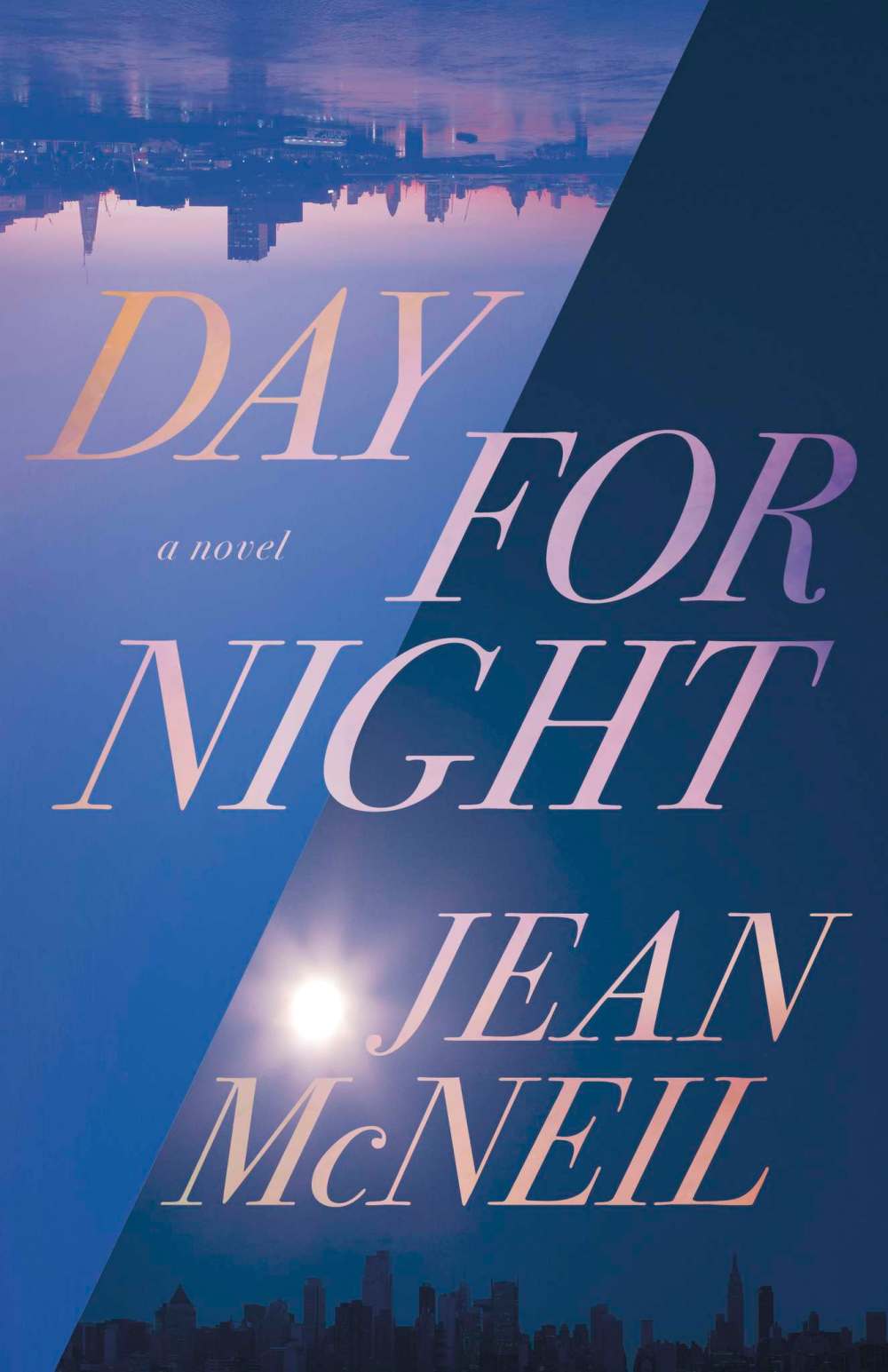
The first half of the book, titled “Night,” is told in the first-person voice of Richard, an arthouse writer-director who is not famous, he says, just “well-known.” Along with his wife, Joanna, a savvy producer, he wants to make a film that follows the final days of Walter Benjamin, the Jewish German intellectual and essayist who was hounded by the Nazis and died by suicide in northern Spain in 1940.
Set in Brexit-era Britain, the novel takes the rising nationalism, refugee crisis and social turmoil of Benjamin’s time and suggests an echo in our current culture. As Richard dives into the screenwriting process, the ghostly Benjamin often shows up, in “his faded serge overcoat,” offering melancholy commentary on past and present.
Overlaying Richard’s obsession with his cinematic subject are his unexpected feelings for Elliott, the androgynous young actor he has cast to play Benjamin. “Very few people have this innocent charisma,” Richard thinks.
After a traumatic event, the novel switches midway to “Day,” moving from Richard’s point of view to a third-person account of Joanna’s. She, too, is drawn to Elliott, her feelings for him getting tangled up with her relationship with Richard and her commitment to the film project.
This second section becomes more experimental, mixing in observations by political theorist Hannah Arendt with alternative histories and phantom voices.
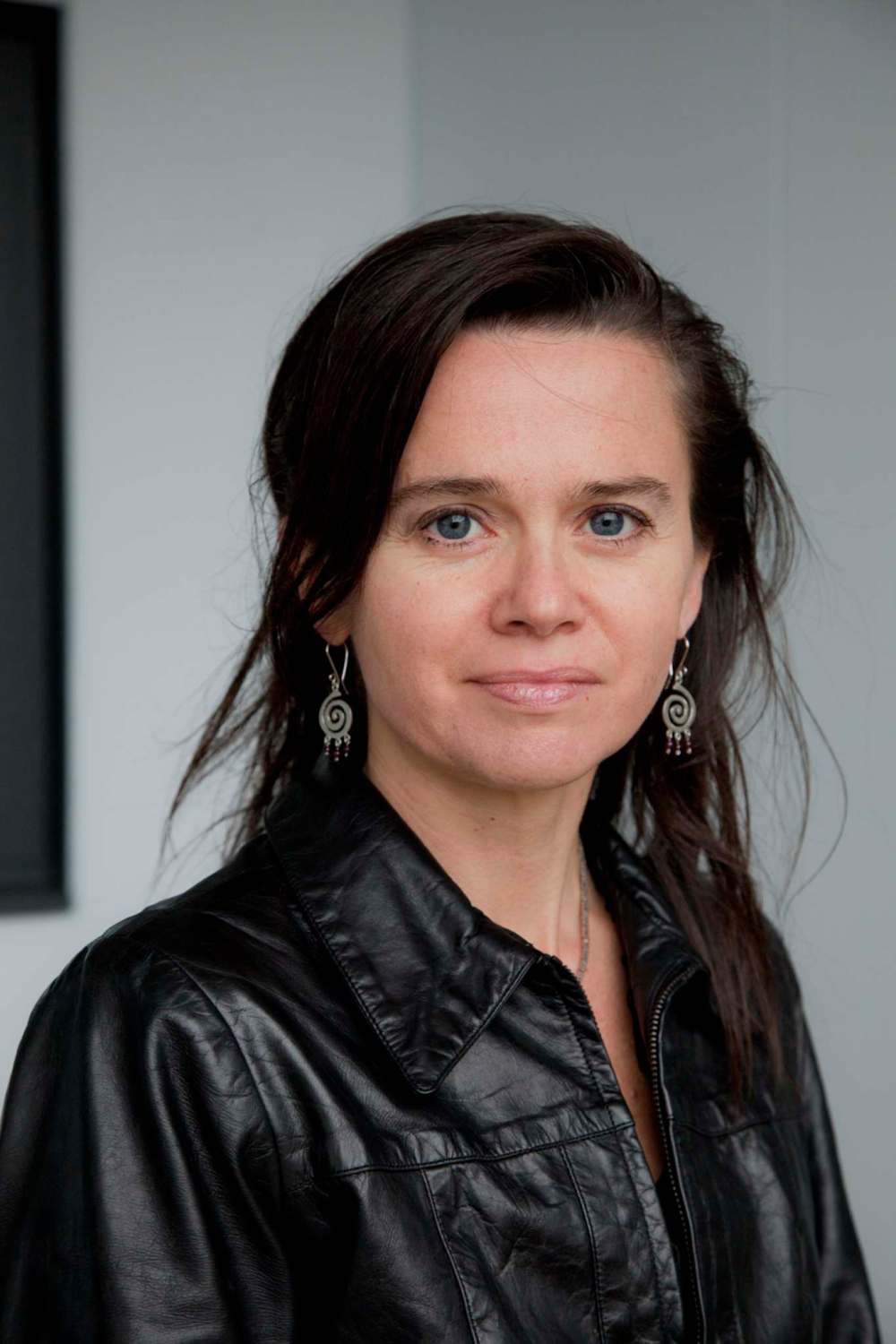
McNeil is a novelist, memoirist and an award-winning travel writer. (She has also co-created a multimedia art exhibition and publication, Day for Night: Landscapes of Walter Benjamin, which follows the path of Benjamin’s journey through 1930s Europe.)
As the story moves from London to Kenya to Italy to Spain to America, McNeil’s descriptions of cities and their streets, people and food are poetic and precise, as when Joanna and Elliott walk in New York in August, “in the woolen late afternoon humidity.”
Taking its title from a cinematic technique in which night scenes can be filmed during daylight, the novel is also acute in its descriptions of films and filmmaking, capturing the intensity and strange intimacy of film shoots.
But there are blind spots. Richard is the indie director, while Joanna is the successful producer, poring over Excel spreadsheets and putting together lucrative Netflix projects — “mostly pearls-and-tiara nostalgia fare for North American transfixed by codified social hierarchies,” remarks Richard — so the emotional complexity of their marriage sometimes threatens to reduce to a creativity vs. commerce, idealism vs. pragmatism standoff. Richard’s nickname for Joanna is “Realpolitick.”
Richard’s carping about London gentrification and young professionals in their “cashmere jumpers” pouring into Soho also seems a bit much coming from a guy who spends a lot of time drinking champagne and eating tapas in posh, over-designed bistros. McNeil’s overall narrative voice seems to double down on Richard’s cognitive dissonance rather than tease out his contradictions.
And though righteous rage over Brexit — over self-satisfied oligarchs and “mendacious arch-manipulators” in the Tory government — powers this novel, passing through McNeil into her characters, some readers may feel she pushes the historical parallels too hard.
McNeil writes about Brexit’s theft of European citizenship and European identity, and while the dislocation, confusion and economic suffering caused by Brexit is real, it seems an odd choice to channel it through Richard, whose privileged multinational upbringing has yielded three passports and a Kenyan estate worth millions of pounds.
When Richard visits a monument to Benjamin, whose stateless status arguably brought about his death, he says to Joanna: “Brexit will do this to us. It will make us refugees in our own land.” At this point the comparison between a comfortable creative couple in present-day London and the millions who tried to escape Nazi persecution and murder feels strained rather than illuminating.
Alison Gillmor writes on pop culture for the Free Press.
Studying at the University of Winnipeg and later Toronto’s York University, Alison Gillmor planned to become an art historian. She ended up catching the journalism bug when she started as visual arts reviewer at the Winnipeg Free Press in 1992.
Our newsroom depends on a growing audience of readers to power our journalism. If you are not a paid reader, please consider becoming a subscriber.
Our newsroom depends on its audience of readers to power our journalism. Thank you for your support.
Book review
Studying at the University of Winnipeg and later Toronto’s York University, Alison Gillmor planned to become an art historian. She ended up catching the journalism bug when she started as visual arts reviewer at the Winnipeg Free Press in 1992.
Our newsroom depends on a growing audience of readers to power our journalism. If you are not a paid reader, please consider becoming a subscriber.
Our newsroom depends on its audience of readers to power our journalism. Thank you for your support.
Advertisement Advertise With Us
Advertisement Advertise With Us