Blazing a trail
Hollywood icon Mel Brooks tells (almost) all in sprawling account of showbiz career
Advertisement
Read this article for free:
or
Already have an account? Log in here »
To continue reading, please subscribe:

Digital Subscription
One year of digital access for only $205*
- Enjoy unlimited reading on winnipegfreepress.com
- Read the E-Edition, our digital replica newspaper
- Access News Break, our award-winning app
- Play interactive puzzles
*First annual payment billed as $205.00 + GST for one year. This annual subscription will automatically renew at $233.00 + GST every 52 weeks (10% off the regular annual price of $259.35). Offer available to new and qualified returning subscribers only. Cancel any time.
To continue reading, please subscribe:
Add Free Press access to your Brandon Sun subscription for only an additional
$1 for the first 4 weeks*
- Enjoy unlimited reading on winnipegfreepress.com
- Read the E-Edition, our digital replica newspaper
- Access News Break, our award-winning app
- Play interactive puzzles
*Your next Brandon Sun subscription payment will increase by $1.00 and you will be charged $17.95 plus GST for four weeks. After four weeks, your payment will increase to $24.95 plus GST every four weeks.
Read unlimited articles for free today:
or
Already have an account? Log in here »
Hey there, time traveller!
This article was published 16/01/2022 (1719 days ago), so information in it may no longer be current.
Wikipedia lists 16 people as EGOTs — people in the entertainment business who have won competitive Emmy, Grammy, Oscar and Tony awards. Most are musicians, among other talents. Only one combines writing, music, acting and producing: arguably the most illustrious artist on the list.
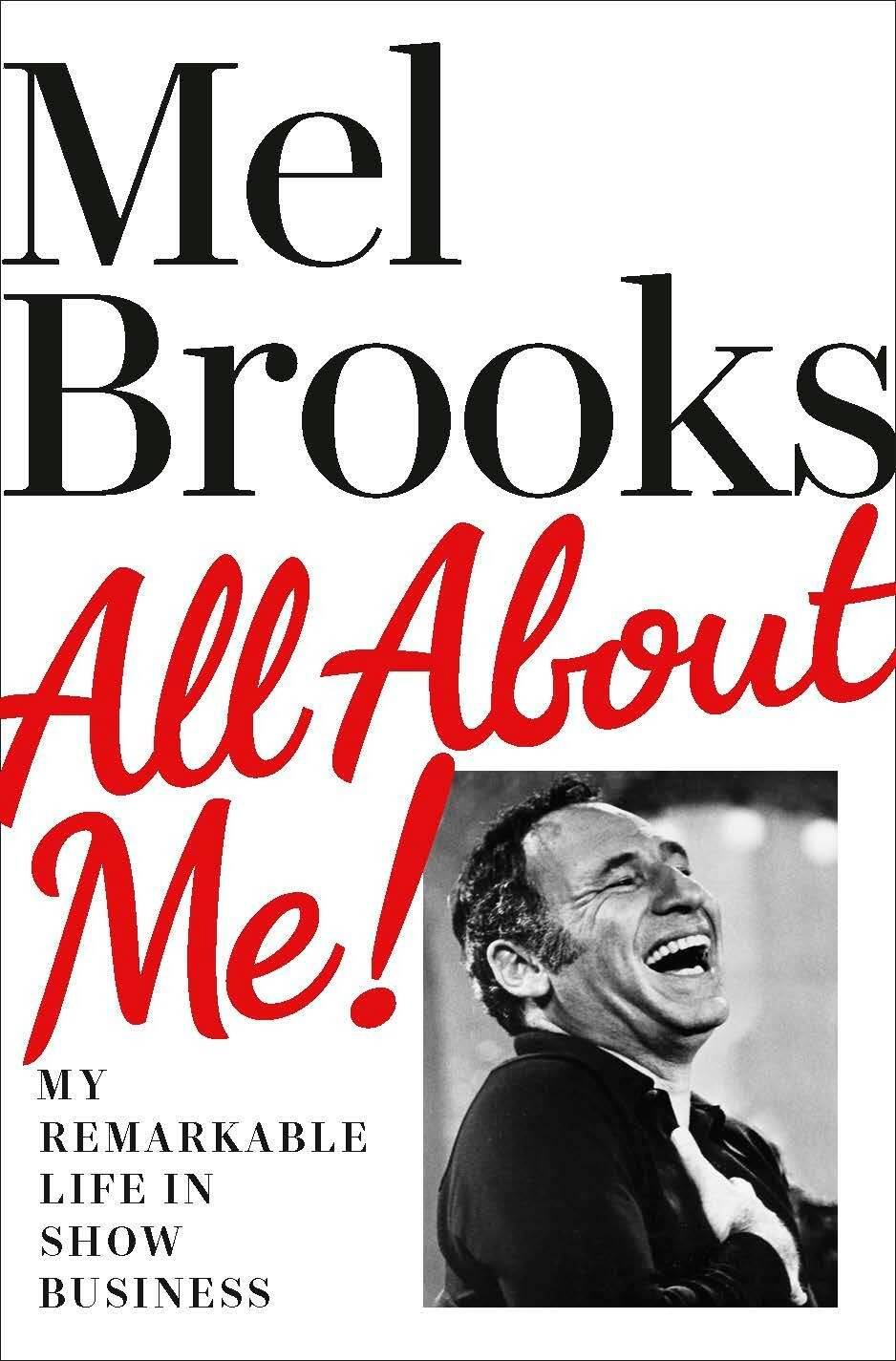
All About Me is Mel Brooks’ much-anticipated autobiography, the collected memories of one of the premier performers of the last century.
The title promises, and the book delivers, a glimpse into show business in general. It also indicates there will be bragging about accomplishments, much of which is well-deserved.
What the book doesn’t contain, at least not in the kind of abundance his loyal audience might expect, is belly laughs. Still, this account is engaging and ultimately satisfying in presenting the accomplishments of a well-rounded funnyman.
Brooklyn’s Melvin Kaminsky, born in 1926, was the youngest of four boys. At age 14, already heading for show business, he decided to use his mother’s maiden name. Or as much of “Brookman” as he could fit on his bass drum, with an S when the whole name was too long.
Brooks includes chapters on most of the epochal stages of his life, from serving in the Second World War, eventually getting into performing for the army and the series of comedy writing gigs that would send him into the comedic stratosphere: Sid Caesar’s early TV shows (satirizing just about everything), collaboration with Carl Reiner on The 2000 Year Old Man and spoofing spy movies on TV with Get Smart.
He regrets not patenting Maxwell Smart’s shoe phone. “I didn’t realize it, but I might have just created the first cellphone.”
Name-dropping seems completely appropriate in Brooks’ reminiscences. Still, mentions of Woody Allen, Buck Henry, Larry Gelbart and many, many others are not allowed to distract from the book’s title subject.
Eventually he began to focus on films, and the series of uproarious parodic masterpieces from 1967’s The Producers on film through The Producers musical on Broadway in 2001. Three Brooks movies are in the top 20 of the American Film Institute’s (AFI) list of greatest comedies.
Brooks insists that numerous anecdotes recounted here about famous and lesser-known colleagues were riotous. Perhaps one had to be there, for some of them. But his affection and credit to his family and friends are heartfelt and enjoyable even without rim-shots.
Meeting Anne Bancroft produced not only a lifelong romance, but talented offspring such as author Max Brooks, who wrote World War Z.
Brooks resolutely avoids controversy. Creating the startlingly non-woke 1974 film Blazing Saddles with Richard Pryor is presented with lots of concurrent anecdotes, ignoring the kind of pushback and ballyhoo that might ensue if some of these ideas were broached today.
In fact, Warner Brothers executives tried to “clean up” Blazing Saddles, telling Brooks to take out the campfire farting, the horse punching, the N-word and Madeline Kahn’s Oscar-worthy performance as Lili Von Shtupp. Brooks assured them that the changes would be made.
“I never changed a thing,” he admits. “When the good reviews, and more important for the front office, the money started rolling in, I never heard a bad word from the head of the studio again.”
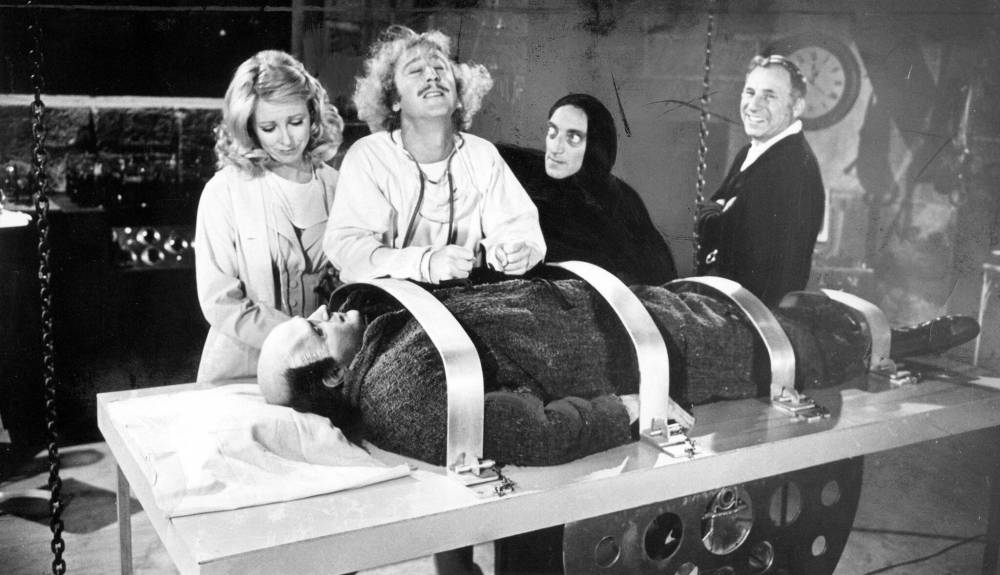
(Two can play that game. Brooks insisted that Young Frankenstein, also released in 1974, be shot in black and white. The studio tried to compromise, promising to exhibit it in colour everywhere but the U.S. “I knew they were lying. Studios have a way of promising the world and giving you zero.”)
He exhibits well-deserved pride at the non-satirical movies made by his production company, Brooksfilms. Starting with Bancroft’s 1980 project Fatso, he wanted to be involved with movies where the expectation of a particular kind of comedy would taint the audience’s expectations. “Put the name Mel Brooks on the screen, and the audience is already laughing,” he points out modestly.

Films such as David Lynch’s 1980 film The Elephant Man, Richard Benjamin’s 1982 project My Favorite Year and his 1983 remake with Bancroft of To Be or Not to Be benefitted from this versatility. In all, even his attempts at living up to this autobiography’s title come off less as boasting, more as humorously self-deprecating arrogance.
He sounds throughout like a man who would be fun to hang out with, and who might still surprise or shock with hilarious bits: funny, or just fun, or heartfelt, or a potent concoction of those attributes and more.
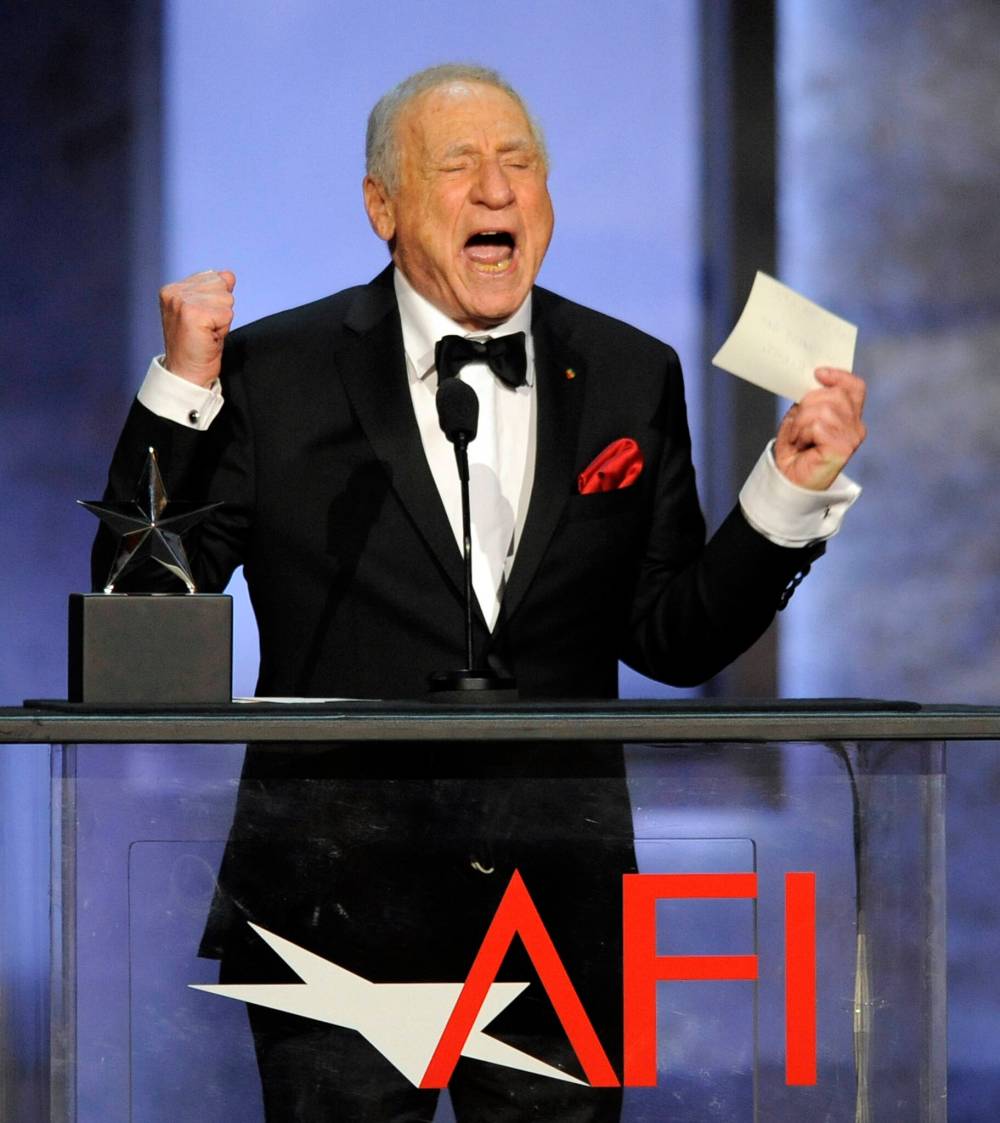
His AFI lifetime achievement recognition in 2013 satirized his satirization of westerns, horror movies, science fiction and Hitchcock. In this account, the jokes actually land.
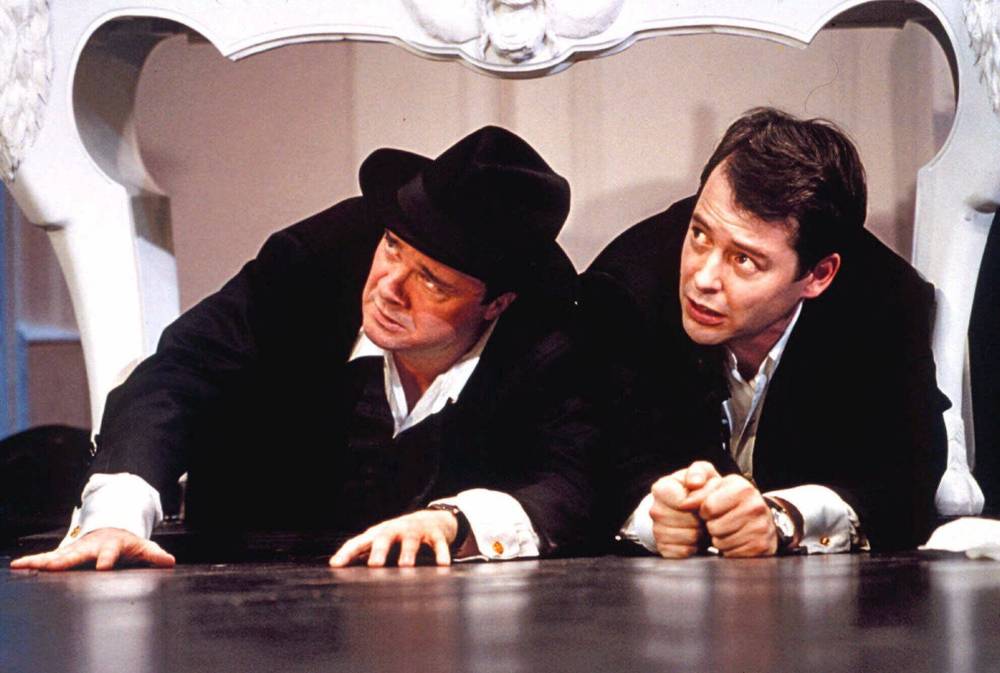
His late insistence that he is “always looking for new projects to exercise my mind and engage my creativity” is promising. Mel Brooks, it would seem, is not done making us all laugh.
Bill Rambo continues to believe that Blazing Saddles and Young Frankenstein deserve top billing on lists of film comedies.