McCandless picks up the pieces in new memoir
Advertisement
Read this article for free:
or
Already have an account? Log in here »
To continue reading, please subscribe:

Digital Subscription
One year of digital access for only $205*
- Enjoy unlimited reading on winnipegfreepress.com
- Read the E-Edition, our digital replica newspaper
- Access News Break, our award-winning app
- Play interactive puzzles
*First annual payment billed as $205.00 + GST for one year. This annual subscription will automatically renew at $233.00 + GST every 52 weeks (10% off the regular annual price of $259.35). Offer available to new and qualified returning subscribers only. Cancel any time.
To continue reading, please subscribe:
Add Free Press access to your Brandon Sun subscription for only an additional
$1 for the first 4 weeks*
- Enjoy unlimited reading on winnipegfreepress.com
- Read the E-Edition, our digital replica newspaper
- Access News Break, our award-winning app
- Play interactive puzzles
*Your next Brandon Sun subscription payment will increase by $1.00 and you will be charged $17.95 plus GST for four weeks. After four weeks, your payment will increase to $24.95 plus GST every four weeks.
Read unlimited articles for free today:
or
Already have an account? Log in here »
Hey there, time traveller!
This article was published 22/01/2022 (1716 days ago), so information in it may no longer be current.
One of the shibboleths of John Gardner’s The Art of Fiction, frequently used as a creative writing textbook, is to avoid anything that “interrupts the dream” of fiction.
Every reader of memoir and so-called “creative non-fiction” knows that these genres use fiction techniques, such as reconstruction of scene, and dialogue that reads like a novel, as if the author had perfect memory.
Readers also know that the late Mr. Gardner disapproved of metafiction and the postmodern, and that he would have disapproved of memoir that uses fragments, collage and found text. These are the very things that form the bulk of Rowan McCandless’s memoir.
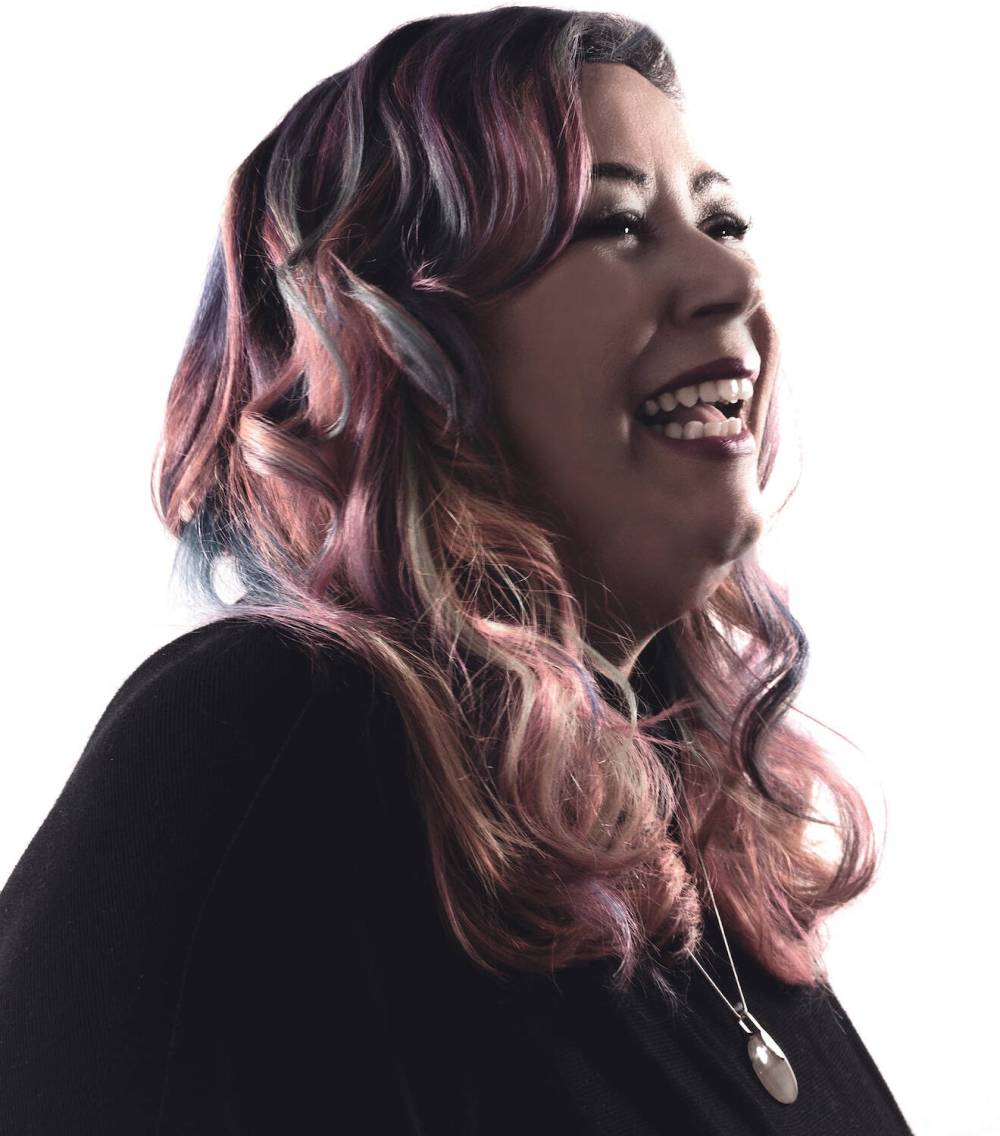
The subtitle of Winnipeg writer McCandless’s debut book is A Life in Fragments. The first section is an abecedarium, or catalogue of ideas listed alphabetically (Ancestry, Blood, Conception and so on); it includes text messages, family photographs and a genealogy. The second section is a mock-contract describing her abusive marriage’s real-life terms, with parodic commentary in footnotes. Next is a mock-crossword puzzle titled “Articulations of Loss” that may not be solvable.
These opening sections establish the autobiographical facts — McCandless was the biracial daughter of a Polish-Canadian mother and an Africadian and African-American father. They also establish the emotional and psychological facts on the ground for young Rowan: silence, secrets, racial and gender discrimination and Canada’s largely unexplored history of racism and slavery. They are fragments, and there are few of the scenes that we encounter in more traditional memoirs, but there is still narrative momentum and emotional connection for the reader. The invocation of the Persephone myth ties the material together.
The next section, titled “Trialogue: A Play on Words,” manages to be both clever and emotionally powerful, set up as a movie script between her and her abusive ex-husband. The section functions as a formal parody of reader expectations for scenes narrated as they would be in a novel. Then the section goes meta and still wittier by inserting further dialogue between Rowan, ex-husband, and writer and director. They explore various hackneyed scenarios in the detective and science fiction genres. Rowan and ex squabble about the implausibility or otherwise of these scenarios. Once again, the exposition is done as a by-product of an innovative formal choice (the mock scripts).
The formal inventiveness continues with a cumulative sentence that keeps adding pieces, almost like an exercise in language-learning — and indeed the narrator is learning how to tell this story, so the meta commentary here is apt.

The section that occupies the middle of the book, moving between short encyclopedia entries on local trees and McCandless’s stay in a crisis response centre, begins a loss of narrative drive through the second half. No one except author and editor knows what happens in their interaction, but perhaps more vigorous editorial intervention in this second half would have resulted in a shorter, more energetic book.
Things bog down especially in the Quiz section and in “Bait and Switch,” which alternates between capsule descriptions of con games and the life cycle of pearls, and fragments of family story from the author’s childhood. These fragments are meant to resonate metaphorically with the capsule descriptions, but a more straightforward presentation of just the narrative material could have been more engaging.
There is too much unnecessary material that reads like Wikipedia entries, such as the paragraph introducing the reader to Lucille Ball. It would have been good to trim some of the received language as well, for example “Like a moth to a flame,” “felt like I couldn’t face another day,” and so on.
The mock “Diagnostic Report” about the author near the end returns to the energy and wit of the first half, simultaneously occupying the space of the therapist and the patient. Once again, there are scenes, physical details and a sense of the larger world. The “Inventory of Wants and Needs” at the close compellingly grounds the story in Winnipeg neighbourhoods and streets.
Maurice Mierau is the author of a memoir that inaccurately summarizes a famous opera and deploys more than a few clichés.
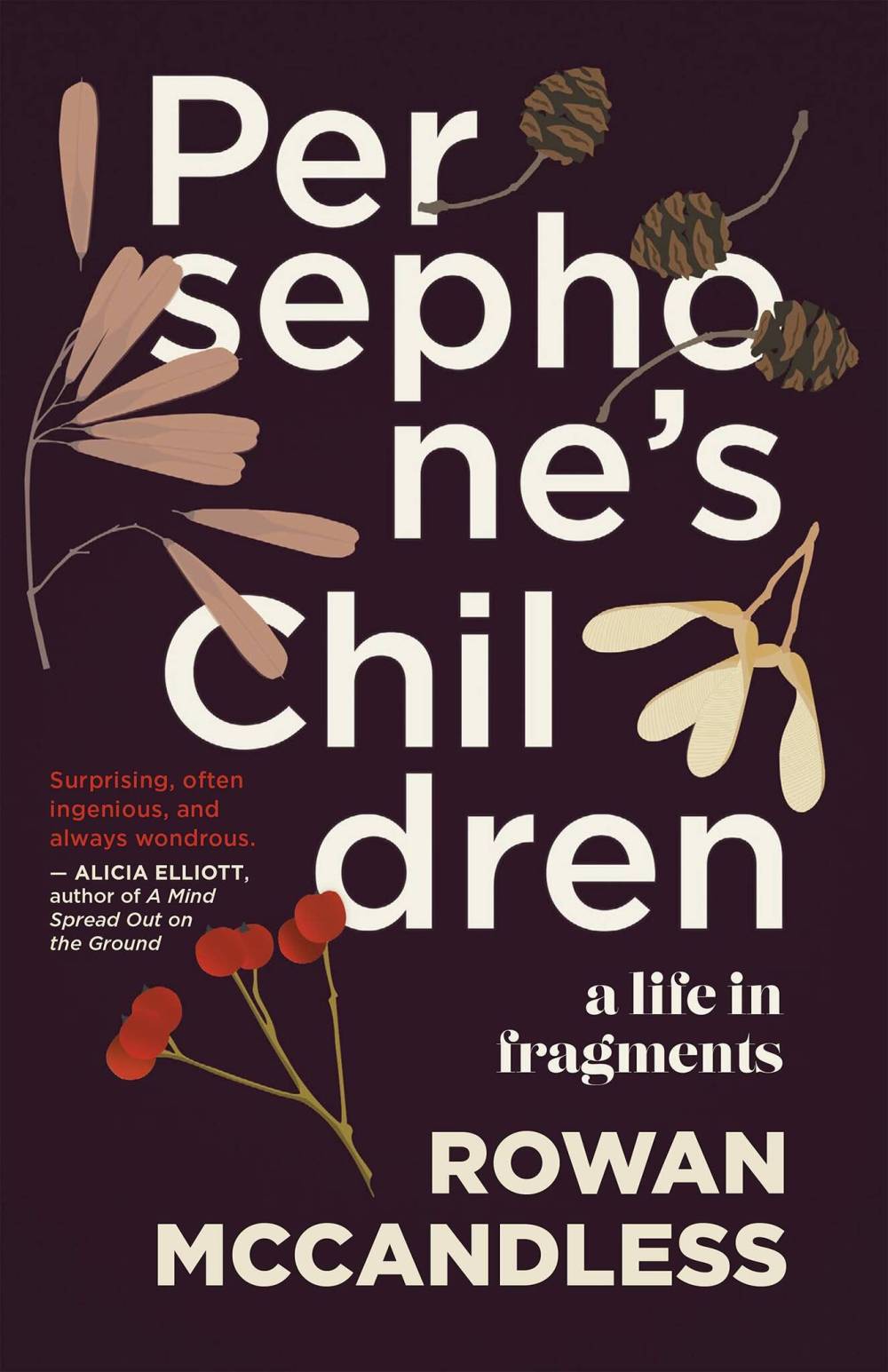
Persephone’s Children:
A Life in Fragments
By Rowan McCandless
Rare Machines, 328 pages, $23
Advertisement Advertise With Us
Advertisement Advertise With Us
History
Updated on Monday, January 24, 2022 9:11 AM CST: Corrects reference to writer's Africadian and African-American father