Pioneering artists’ innovative style chronicled
Advertisement
Read this article for free:
or
Already have an account? Log in here »
To continue reading, please subscribe:

Digital Subscription
One year of digital access for only $205*
- Enjoy unlimited reading on winnipegfreepress.com
- Read the E-Edition, our digital replica newspaper
- Access News Break, our award-winning app
- Play interactive puzzles
*First annual payment billed as $205.00 + GST for one year. This annual subscription will automatically renew at $233.00 + GST every 52 weeks (10% off the regular annual price of $259.35). Offer available to new and qualified returning subscribers only. Cancel any time.
To continue reading, please subscribe:
Add Free Press access to your Brandon Sun subscription for only an additional
$1 for the first 4 weeks*
- Enjoy unlimited reading on winnipegfreepress.com
- Read the E-Edition, our digital replica newspaper
- Access News Break, our award-winning app
- Play interactive puzzles
*Your next Brandon Sun subscription payment will increase by $1.00 and you will be charged $17.95 plus GST for four weeks. After four weeks, your payment will increase to $24.95 plus GST every four weeks.
Read unlimited articles for free today:
or
Already have an account? Log in here »
Hey there, time traveller!
This article was published 29/01/2022 (1706 days ago), so information in it may no longer be current.
Art can be more than just decorative or interesting — it can also reflect the political and social situations in which the artists lived, making a statement on the times.
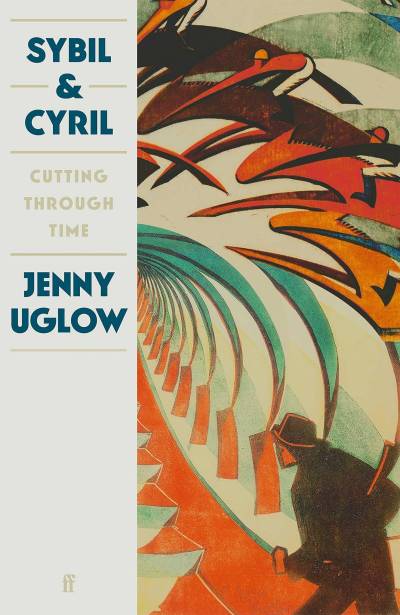
In Sybil & Cyril: Cutting Through Time, Jenny Uglow discusses both the many influences on linocut artists Sybil Andrews and Cyril Power and how their work affected other painters and the society around them.
Uglow is a former editorial director of the publishing company Chatto & Windus, as well as the author of several books, including studies of Elizabeth Gaskell and William Hogarth. She has won several awards for her historical and biographical writing, among them the Order of the British Empire (OBE), which she received in 2008. Uglow was the Chair of the Royal Society of Literature from 2014 to 2016, and currently lives in Canterbury and Borrowdale in Cumbria, England.
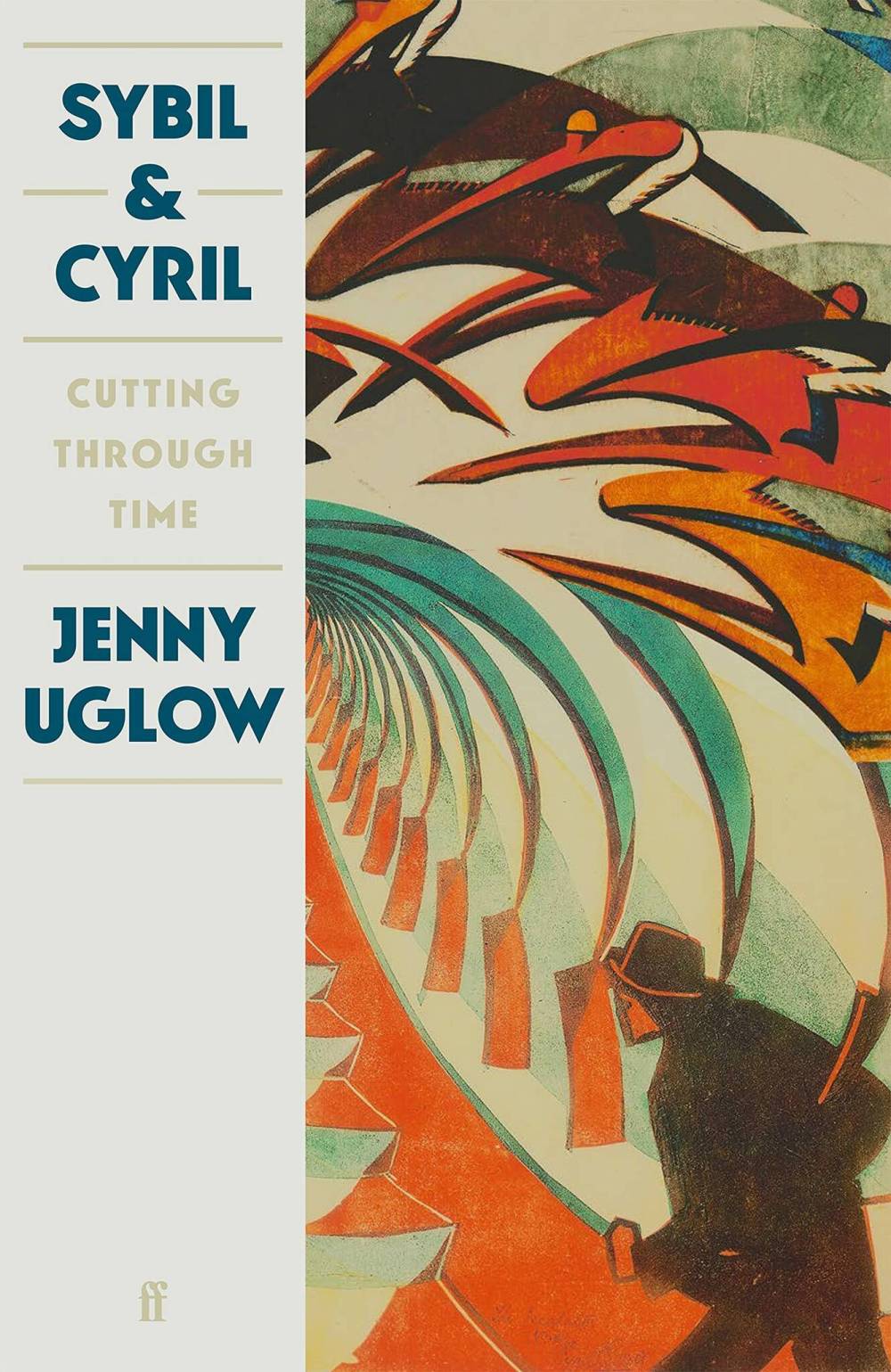
In the years between the two world wars, painters Sybil Andrews and Cyril Power became prominent for their use of a new style of artwork, the linocut, a style of art where linoleum is used as a surface for making images in relief. These images, often carved with intricate designs and stamped with bright colours, then become prints on paper or fabric. Although Andrews and Power also used other materials, their linocuts established the two painters’ reputations and their place in the artistic world.
Andrews and Power were almost 30 years apart in age, but shared much of the same vision in art, working together for 20 years. Sybil & Cyril traces many of the influences on their life and art, including family, war, the styles and work of other artists and even the contributions of writers such as Evelyn Waugh. While Power spent his life in England, Andrews eventually moved to Canada, where she honed her techniques in a new setting.
Using diary entries and other sources, including numerous examples of the two artists’ work, Uglow traces the development of Andrews and Power’s style and subject matter. The corresponding images in the book help to show something of the unique style that these two painters developed. Occasional photographs of places the artists visited or of people in their lives also help to give a sense of context to the book.
Sybil & Cyril is divided into several sections corresponding with changes in the artists’ lives. “Meeting” outlines background information on their early lives and the beginnings of their partnership, while “Setting Out” discusses the development of their skills as they helped to create a new artistic movement. “Making” continues the story of art shows, new subjects and the importance of a cottage at Woolpit which served as a studio. “Moving” tells of the war years and of Sybil’s marriage, while “Parting” describes the final years of Andrews and Power’s partnership.
Some sections of Sybil & Cyril are perhaps too technical and detailed for casual readers, but the book is generally accessible to people with different levels of knowledge about art. Extensive notes and a select bibliography at the end of the book also give readers the chance to learn more about the subject.
Whether as a discussion of the linocut artistic movement or a more personal biography of Sybil Andrews and Cyril Power, Uglow’s account of the pair and the genre they worked in is suited to a wide range of readers.
Susan Huebert is a Winnipeg writer and editor.