Future tense
Emily St. John Mandel’s time-travel novel weaves beauty, humanity across centuries

Advertisement
Read this article for free:
or
Already have an account? Log in here »
To continue reading, please subscribe:

Digital Subscription
One year of digital access for only $205*
- Enjoy unlimited reading on winnipegfreepress.com
- Read the E-Edition, our digital replica newspaper
- Access News Break, our award-winning app
- Play interactive puzzles
*First annual payment billed as $205.00 + GST for one year. This annual subscription will automatically renew at $233.00 + GST every 52 weeks (10% off the regular annual price of $259.35). Offer available to new and qualified returning subscribers only. Cancel any time.
To continue reading, please subscribe:
Add Free Press access to your Brandon Sun subscription for only an additional
$1 for the first 4 weeks*
- Enjoy unlimited reading on winnipegfreepress.com
- Read the E-Edition, our digital replica newspaper
- Access News Break, our award-winning app
- Play interactive puzzles
*Your next Brandon Sun subscription payment will increase by $1.00 and you will be charged $17.95 plus GST for four weeks. After four weeks, your payment will increase to $24.95 plus GST every four weeks.
Read unlimited articles for free today:
or
Already have an account? Log in here »
Hey there, time traveller!
This article was published 30/04/2022 (1603 days ago), so information in it may no longer be current.
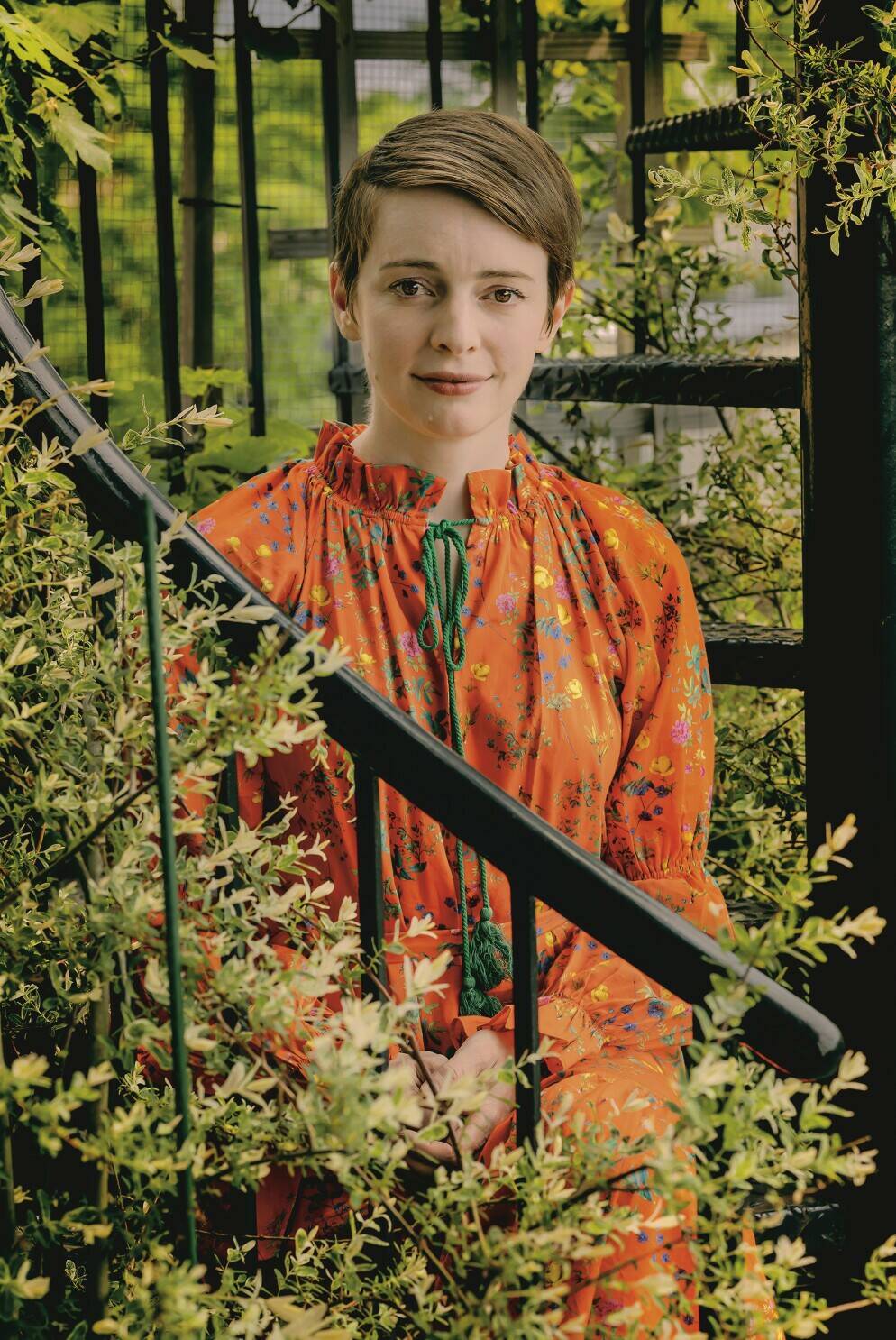
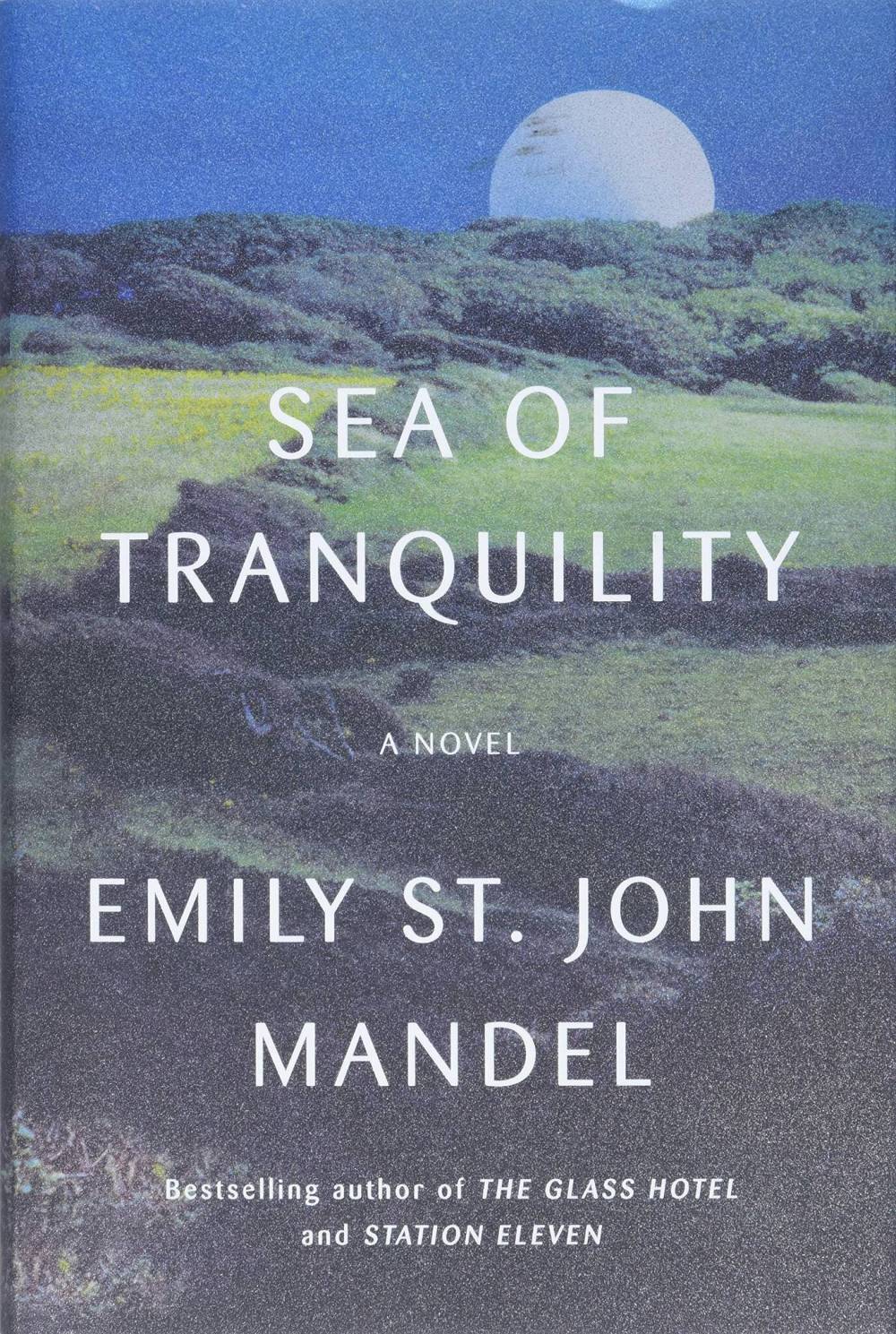
Time travel, lunar colonies, pandemics (plural), a potential corruption in what is thought to be reality and more: writing an elevator pitch for Emily St. John Mandel’s latest novel, Sea of Tranquility, would be a most unenviable task.
Such wide-reaching, ambitious scope might make one think the Canadian-born, New York-based author’s latest must be a sprawling doorstopper of a book. But St. John Mandel’s taut, thoughtful prose keeps things under 300 pages, a propulsive read that often favours feeling over detail. Written shortly after the COVID-19 pandemic began, she offers ruminations on parenthood, family and isolation throughout.
St. John Mandel’s fourth novel, 2014’s Station Eleven, featured a post-pandemic society where civilization has collapsed, nature is healing and the importance of art is highlighted. It was a runaway bestseller, and saw a resurgence in sales as our real-life pandemic unfolded, bolstered by last year’s gorgeous HBO adaptation. Her next novel, 2020’s The Glass Hotel, chronicled a Ponzi scheme and the impact it had across a range of characters (living and dead). It was shortlisted for the Giller Prize and, like Sea of Tranquility, has been slated for adaptation for TV at HBO, by the same creative team behind Station Eleven. St. John Mandel’s latest references both previous books, albeit in different ways.
Sea of Tranquility opens in 1912, the oldest of the book’s timelines. We meet Edwin St. John St. Andrew, recently exiled from his home in England and starting over in Canada. Edwin starts in Halifax then settles in Victoria before heading to the remote B.C. settlement of Caiette (also a setting in The Glass Hotel).
Wandering into the woods, Edwin has a bizarre, almost-paranormal blackout-type experience — the feeling of being in a vast interior space, the sound of a violin, people around him, a whooshing sound — before returning to his senses.
This unsettling phenomenon appears in all of Sea of Tranquility’s narrative threads. St. John Mandel next takes us forward to the present day, where a composer presents a piece of music synced up with video footage shot by his late sister Vincent (of The Glass Hotel) of the same penomenon, in those same woods, 100 years after Edwin.
In the 23rd century we meet Olive Llewellyn, a stand-in for St. John Mandel, in a clever little bit of autofiction. Olive lives in a lunar colony, but we first meet her on a book tour of Earth for her novel Marienbad — which, like Station Eleven, seemingly predicted a devastating global pandemic and, when one actually happened, became a bestseller. As the first hints of yet another pandemic begin on Earth, Olive must decide whether to carry on with the book tour or retreat to the Moon to be with her child.
The one character encountered fleetingly in each of the earlier timelines and in different contexts is Gaspery-Jacques Roberts, who we first meet properly in his present, the year 2401. Gaspery is a restless lad who lands a job at the mysterious Time Institute, where his sister is deep into a secret project examining a potential glitch in reality. Could the experience captured by Vincent in her video be proof that life and everything in it some sort of simulation?

Tasked with traveling back in time to gather information about the phenomenon, Gaspery is instructed not to impact any of the timelines he enters, so as to not disrupt any future events. You can guess how that works out.
If it all still sounds complicated, rest assured that St. John Mandel’s accessible prose, which brings an understated, lyrical beauty, handily guides the reader back and forth in time. Short passages within short chapters work well to provide breathing room for the reader; indeed, Sea of Tranquility’s pacing feels practically tailor-made for a small-screen adaptation.
And while the book’s shorter length and wide-reaching scope comes at the expense of character development, any more details about each of the characters or future tech (including time travel) would hamper the narrative pace. The ending will surprise some and not others, but will send many flipping back to the beginning of the book to unpack each storyline with new insight.
Much like Station Eleven, at the core of Sea of Tranquility is a beautifully written treatise on art, humanity and beauty — one which, in St. John Mandel’s capable hands, shimmers timelessly across time and space.
Ben Sigurdson is the Free Press literary editor.
Ben Sigurdson
Literary editor, drinks writer
Ben Sigurdson is the Free Press‘s literary editor and drinks writer. He graduated with a master of arts degree in English from the University of Manitoba in 2005, the same year he began writing Uncorked, the weekly Free Press drinks column. He joined the Free Press full time in 2013 as a copy editor before being appointed literary editor in 2014. Read more about Ben.
In addition to providing opinions and analysis on wine and drinks, Ben oversees a team of freelance book reviewers and produces content for the arts and life section, all of which is reviewed by the Free Press’s editing team before being posted online or published in print. It’s part of the Free Press‘s tradition, since 1872, of producing reliable independent journalism. Read more about Free Press’s history and mandate, and learn how our newsroom operates.
Our newsroom depends on a growing audience of readers to power our journalism. If you are not a paid reader, please consider becoming a subscriber.
Our newsroom depends on its audience of readers to power our journalism. Thank you for your support.
Sea of Tranquility
By Emily St. John Mandel
HarperCollins, 272 pages, $30
Ben Sigurdson
Literary editor, drinks writer
Ben Sigurdson is the Free Press‘s literary editor and drinks writer. He graduated with a master of arts degree in English from the University of Manitoba in 2005, the same year he began writing Uncorked, the weekly Free Press drinks column. He joined the Free Press full time in 2013 as a copy editor before being appointed literary editor in 2014. Read more about Ben.
In addition to providing opinions and analysis on wine and drinks, Ben oversees a team of freelance book reviewers and produces content for the arts and life section, all of which is reviewed by the Free Press’s editing team before being posted online or published in print. It’s part of the Free Press‘s tradition, since 1872, of producing reliable independent journalism. Read more about Free Press’s history and mandate, and learn how our newsroom operates.
Our newsroom depends on a growing audience of readers to power our journalism. If you are not a paid reader, please consider becoming a subscriber.
Our newsroom depends on its audience of readers to power our journalism. Thank you for your support.
Advertisement Advertise With Us
Advertisement Advertise With Us